B2B Influencer Marketing: How SaaS Companies Pay Creators for Pipeline (9 Examples)
Pay creators your buyers already follow on LinkedIn, newsletters, YouTube and TikTok to show your product in their own words, then boost the winners as ads.
Impact
High
Effort
Medium
Time to results
Months
Budget
Needs a budget
Team
Marketing
Tools for this growth idea
LinkedInCreator posts, then the best ones boosted as Thought Leader Ads
WebflowA personalized landing page for each creator's audience
StripeA promo code per creator, so signups trace back to them
HubSpotAsk “How did you hear about us?” and tie answers to deals
Why creator marketing works in B2B now
B2B buyers trust people over brands, and more of their research now happens in feeds they chose to follow. A post from an operator they read every week, showing how they actually used a tool, does what a banner ad can't: it borrows trust that took that person years to build.
LinkedIn now sells this as a product. In June 2026 it launched a Creator Marketplace inside Campaign Manager, where brands search creators by topic, see their audience by job title and industry, and amplify posts that mention them. The YouGov survey LinkedIn ran for the launch found that 82% of B2B marketers say creators increase credibility with decision-makers, and 56% of B2B buyers depend on creator input in the final buying stage.
The numbers from companies that commit are large:
Gamma: Kristin Fracchia, who leads growth there, wrote that creator marketing is Gamma's #1 channel and drove 32% of signups as it scaled from $0 to $100M ARR, at a CAC well under paid social.
Viktor: the AI-employee startup went from its first sponsored LinkedIn post on April 23, 2026 to 204 creator posts in October alone.
The mechanism is simple. The creator's post is the ad, but it reads like content, lands in a feed the buyer chose, and comes with a recommendation from someone the buyer already listens to.
Viktor's LinkedIn creator program, by the numbers
Jack Pilcher took apart Viktor's program post by post. It is the clearest public playbook for B2B creator marketing on LinkedIn:
Volume: 515 sponsored posts from 282 creators, plus 495 newsletter placements. Posts per month went from 9 in May to 80 in September and 204 in October 2026.
Who: the median creator had about 46,000 followers. 38% were marketing or GTM creators, and 105 of the 282 were founders or CEOs, which is exactly who buys an AI employee.
Pay: a Viktor employee publicly offered “$10K cash per post. Or $15K in viktor.com credits” (earlier offers were $2K). 83% of creators took the credits.
Brief: creators wrote about a real task from their week that Viktor did, and the result. Adrien Thomas of Crescendo, for example, posted about four weeks with an AI employee, labeled “In partnership with Viktor”.
Repeatable pieces: #AIEmployee on 76% of posts, the “$100 in credits, no card” offer on 67%, and the link in the first comment on 65%.
Paid boost: 142 LinkedIn ads, 84 of them boosting creator or team posts as Thought Leader Ads.
Two lessons stand out. Paying in credits costs Viktor far less than cash, turns the creator into a user, and makes the next post more genuine. And engagement fell steeply with size: creators under 10,000 followers got about 4 likes and comments per 1,000 followers, against about 0.5 for creators over 500,000.
B2B influencer marketing examples
ViktorLinkedIn creator program
515 sponsored LinkedIn posts from 282 creators in about six months, paid $10K cash or $15K in credits per post (83% took credits). The best posts were boosted as Thought Leader Ads: 84 of its 142 LinkedIn ads.
Gamma says creator marketing drove 32% of its signups from $0 to $100M ARR. It splits budget 70-20-10 across small, mid and top creators, judges them in monthly cohorts, and scaled to about 1,000 creators a month with agency partners.
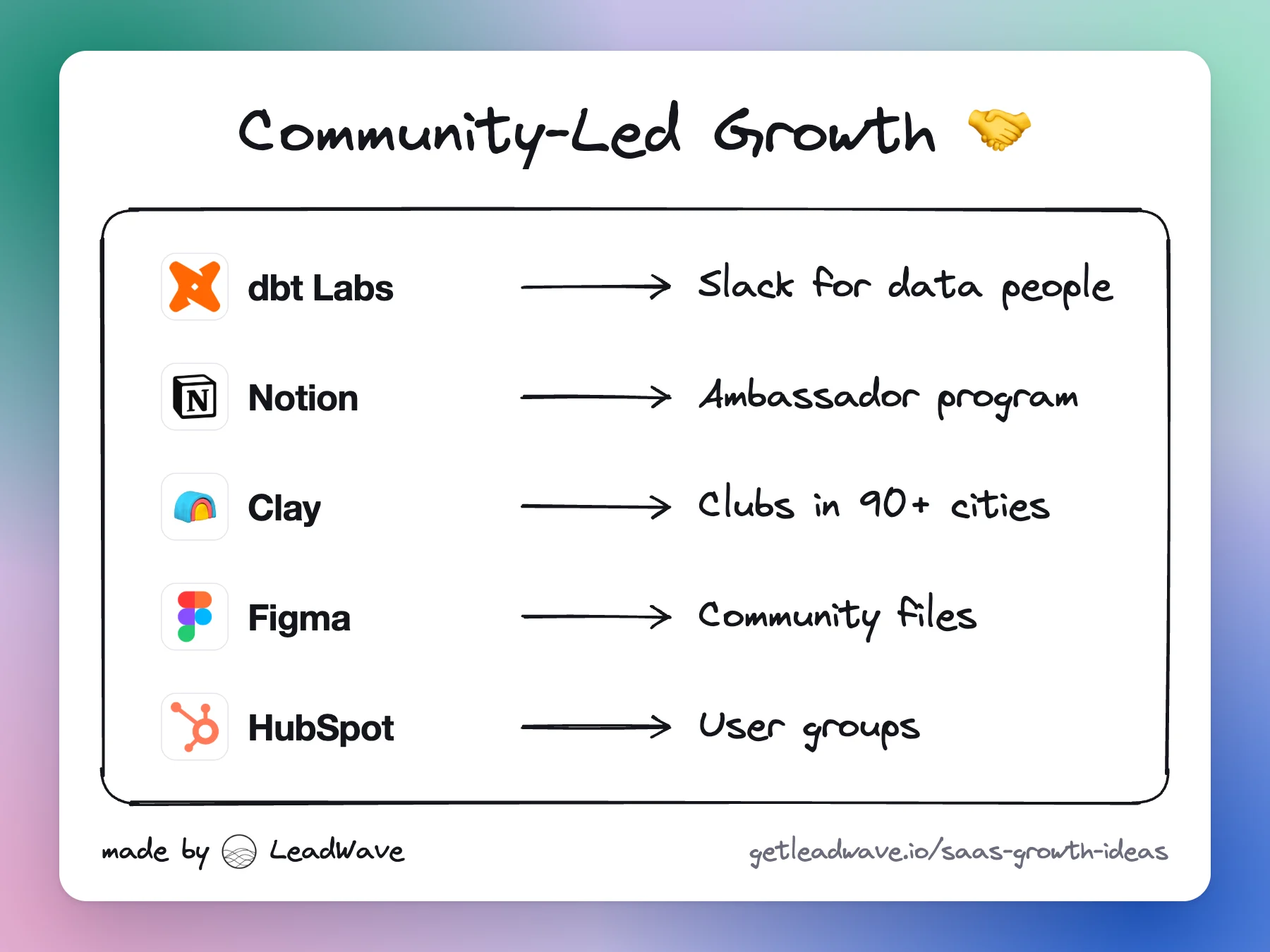
Clay recruited creators from its own users and pays them in Clay credits and LinkedIn ad spend, with production-grade content assets and a Slack community of 300+ Clay creators.
Paying or partnering with people your business buyers follow, such as operators and founders on LinkedIn, newsletter writers and YouTubers, to show your product to their audience in their own words.
It varies widely with audience. Vector paid $12,000 for 21 posts from seven creators with about 13,000 followers each, while Viktor offered $10,000 cash or $15,000 in credits per post. Many companies pay partly or fully in product credits.
A LinkedIn ad format that lets a company pay to promote a post from a person, including creators outside the company who approve the request. The ad keeps the person's name and face, so it reads like a normal post.
Yes. In the US, the FTC requires creators to disclose any material connection to a brand, including free products or credits. On LinkedIn, they should switch on the Brand partnership label and add a plain disclosure in the post.
Give each creator a landing page or coupon code, ask “How did you hear about us?” at signup, and judge creators in monthly cohorts by signups, pipeline and CAC rather than by views.
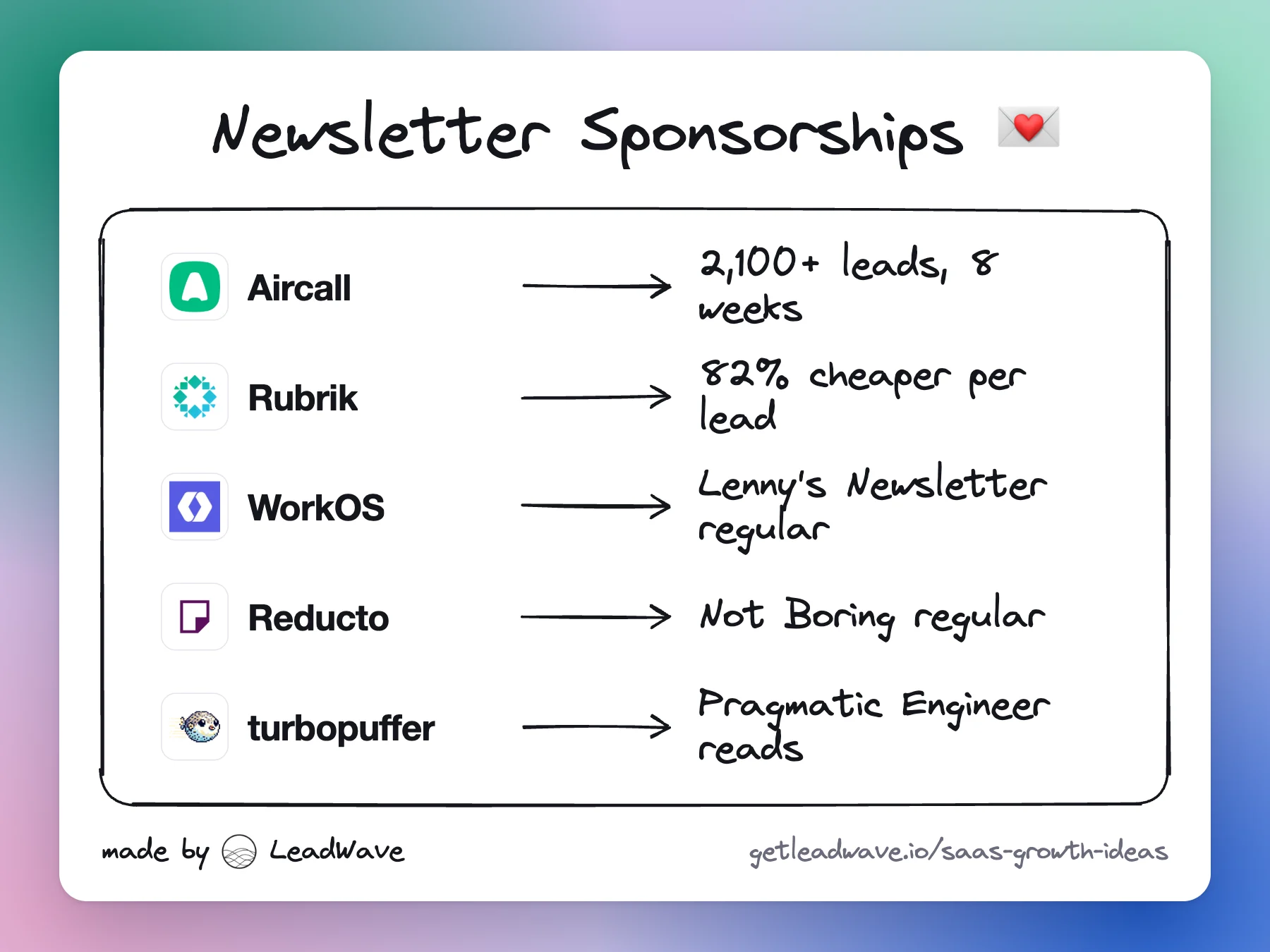
Rent the inbox of a newsletter your buyers already trust. Aircall got 2,100+ leads at a $1.96 CPC; the best sponsors buy the same newsletter for months.
Make launch videos people share: a person, a story, humor or a stunt instead of floating UI and swelling music, posted natively where your buyers scroll.