Skip to content

Acquisition

Newsletter Sponsorships for SaaS: Rates, 9 Examples and a Test Plan

Rent the inbox of a newsletter your buyers already trust. Aircall got 2,100+ leads at a $1.96 CPC; the best sponsors buy the same newsletter for months.

Newsletter sponsorships: real examples from Aircall, Rubrik, Thoropass
Impact
High
Effort
Medium
Time to results
Weeks
Budget
Needs a budget
Team
Marketing

Tools for this growth idea

  • beehiiv
  • Google Analytics
  • HubSpot

Why newsletter sponsorships work

A newsletter is an audience someone opted into, usually because they trust one writer's judgment. A sponsor slot inherits part of that trust. The ad sits inside content the reader asked for, is usually written in the newsletter's own voice, and shows up on a predictable day. Compared with paid social, the targeting comes from the topic, not from the platform's guesses about a job title.

That shows up in cost. Rubrik, the data security company, ran 100+ campaigns through the Paved marketplace and found newsletter sponsorships cost 82% less per lead than LinkedIn Ads. One campaign alone produced 100+ MQLs, 10+ sales meetings and $100K+ in pipeline.

The second reason is frequency. A newsletter reaches the same people every week, so a sponsor who stays for a quarter becomes familiar in a way a single banner never does. That's why the companies that do this well don't buy one issue.

Newsletter sponsorship rates

Most publishers price per send (a flat fee) or by CPM (cost per thousand subscribers or opens); marketplaces also sell per click. Public numbers worth anchoring on:

  • Per click: Paved says most publications on its marketplace land between $1 and $5 CPC. Aircall averaged $1.96.
  • Product Hunt's AI newsletter: from $10,000 for four issues, or $2,500 per send, about a $6 CPM for 425,000+ subscribers at a 41% open rate.
  • TLDR AI: $6,000 to $24,000 per send, a $7 to $26 CPM, for 920,000+ subscribers at a 44% open rate.
  • Developer newsletters: Cooperpress (JavaScript Weekly and others) reaches 450,000+ developers with 35% to 60% open rates and keeps a waiting list, booked a quarter ahead.

The two newsletter comparisons come from one guide on Product Hunt's forum. Many of the newsletters SaaS buyers read most, including Lenny's Newsletter, publish no rate card at all: you ask for the media kit. Prices change with list size, so treat every figure as a starting point for negotiation.

Picking the right newsletters

Subscriber count is the least useful number in a media kit. Ask for the open rate, the clicks on recent sponsor slots, the audience split by role and company size, and two or three past sponsors you can call. Then check the fit yourself: read five back issues and look at who sponsors them. If your competitors or adjacent tools sponsor it every month, it's working for someone.

Small niche newsletters often beat big ones. Console.dev, a weekly developer-tools newsletter with two ad slots per issue, says 68% of its readers have signed up for a tool it featured. A 20,000-reader list that matches your buyer can outperform a million general tech readers.

To find candidates, ask customers which newsletters they read, then browse marketplaces such as Paved, which lists 2,000+ newsletters. Our SaaS companies database helps you see which companies sit in your category, so you can check where they sponsor.

Tracking and attribution

Clicks are easy to track and undercount the effect. Readers see your name, don't click, and search for you a week later. Use three layers:

  1. Direct: a UTM-tagged link to a landing page made for that newsletter, ideally with an offer or resource named after it.
  2. Self-reported: a “How did you hear about us?” field on signup and demo forms. Newsletter names show up there long after the send.
  3. Lift: branded search and direct traffic in the days after each send, compared with weeks without one.

Open rates are inflated by email clients that preload images, so judge a newsletter on clicks and downstream signups, not opens.

When it fails

  • One send, one verdict. A single issue is a coin flip on timing and subject line. Budget for two or three sends per newsletter before you judge it.
  • Generic copy. An ad that reads like a banner gets skipped. The best slots read like a short recommendation from the writer.
  • Wrong audience at a good price. A cheap CPM on a broad list is still expensive if 2% of readers could buy.
  • Homepage links. Send readers to a page that continues the ad's promise.
  • No offer for sales-led products. If your next step is a demo, give the reader something to take first: a report, a template, a benchmark.

If you'd rather own the inbox than rent it, see branded newsletter.
Newsletter sponsorships examples

  • Aircall39 campaigns, 22 newsletters

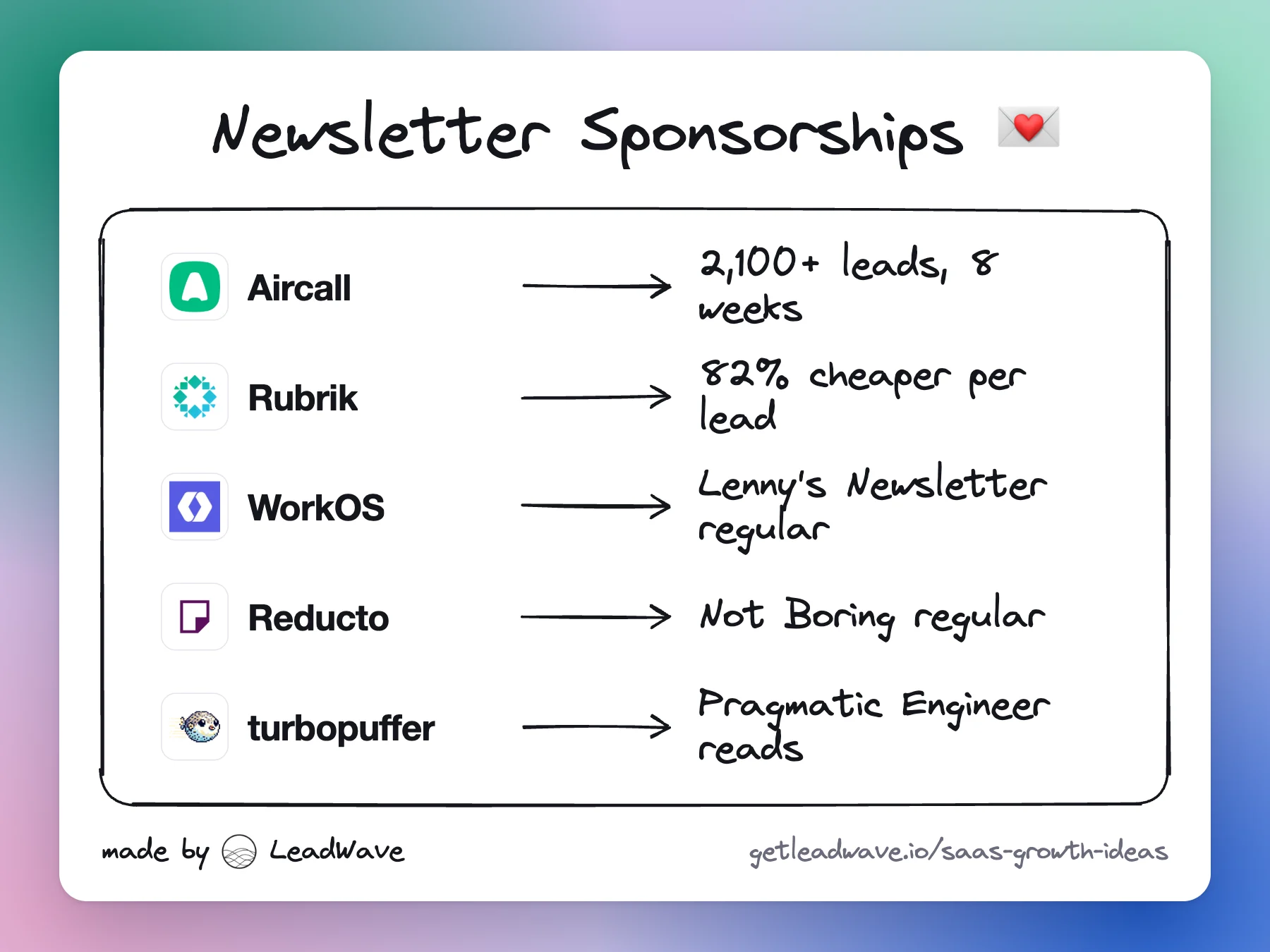
    The cloud phone system ran 39 campaigns across 22 newsletters in three regions through Paved, at an average CPC of $1.96. It generated 2,100+ leads in eight weeks.

    See it liveSource

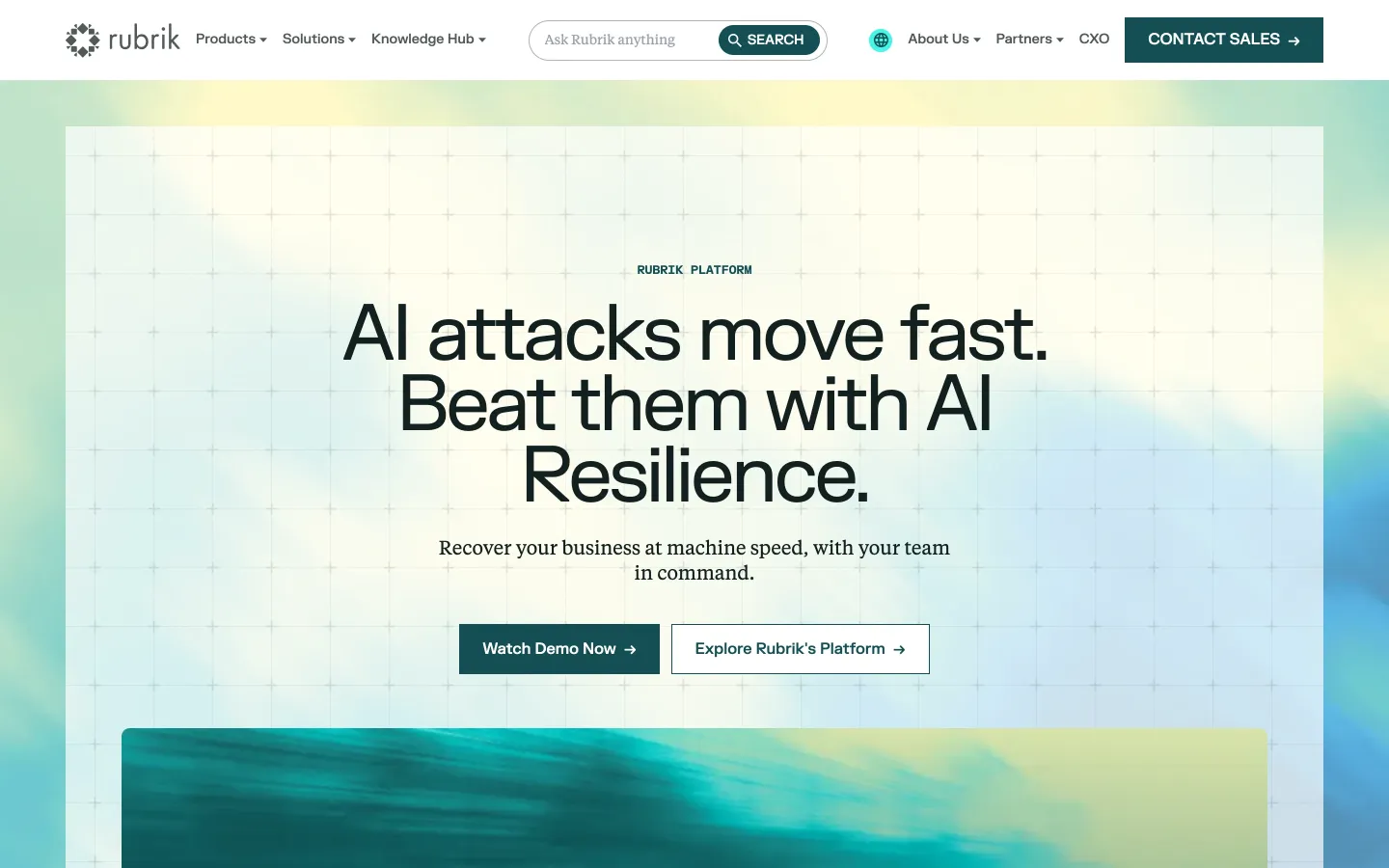
  • Rubrik100+ newsletter campaigns

    Ran 100+ campaigns through Paved, for brand and event registrations. Newsletter sponsorships averaged 82% less per lead than LinkedIn Ads, and a single campaign brought 100+ MQLs, 10+ sales meetings and $100K+ in pipeline.

    See it liveSource

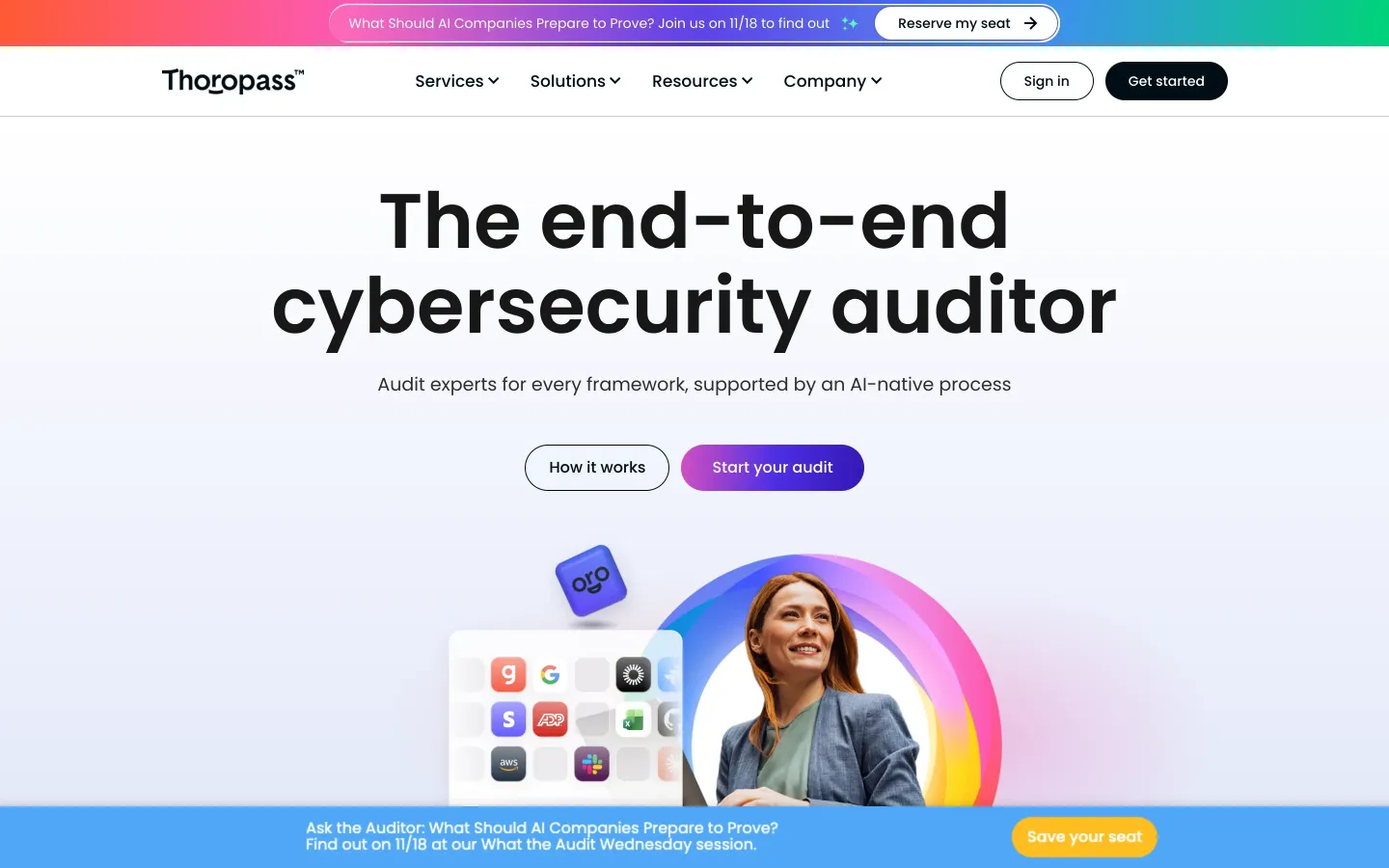
  • Thoropass10+ campaigns a month

    The compliance platform (formerly Laika) runs 10+ newsletter campaigns a month and averages 13 demo-ready leads a month from them: a steady channel, not a one-off.

    See it liveSource

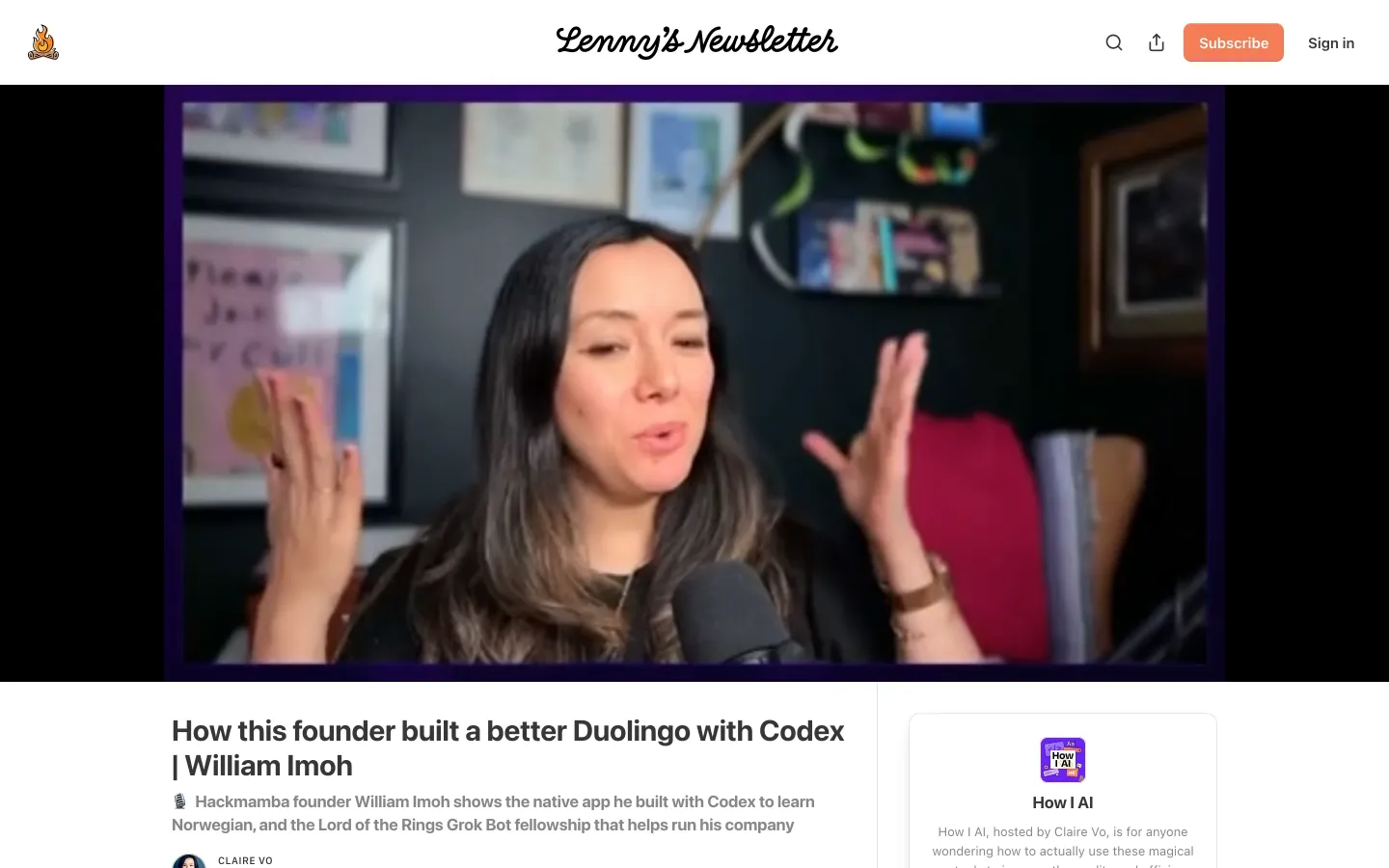
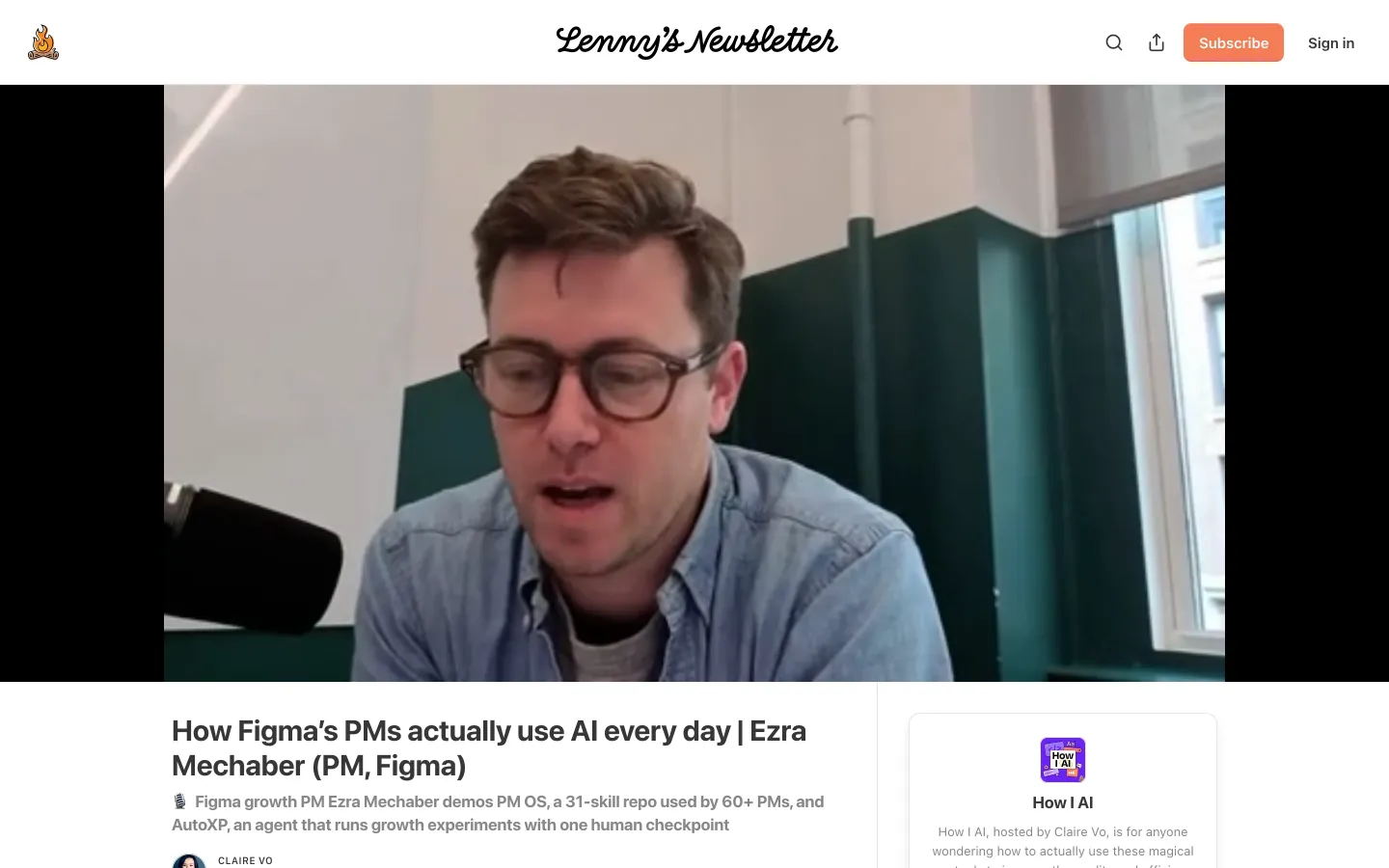
  • WorkOSLenny's Newsletter regular

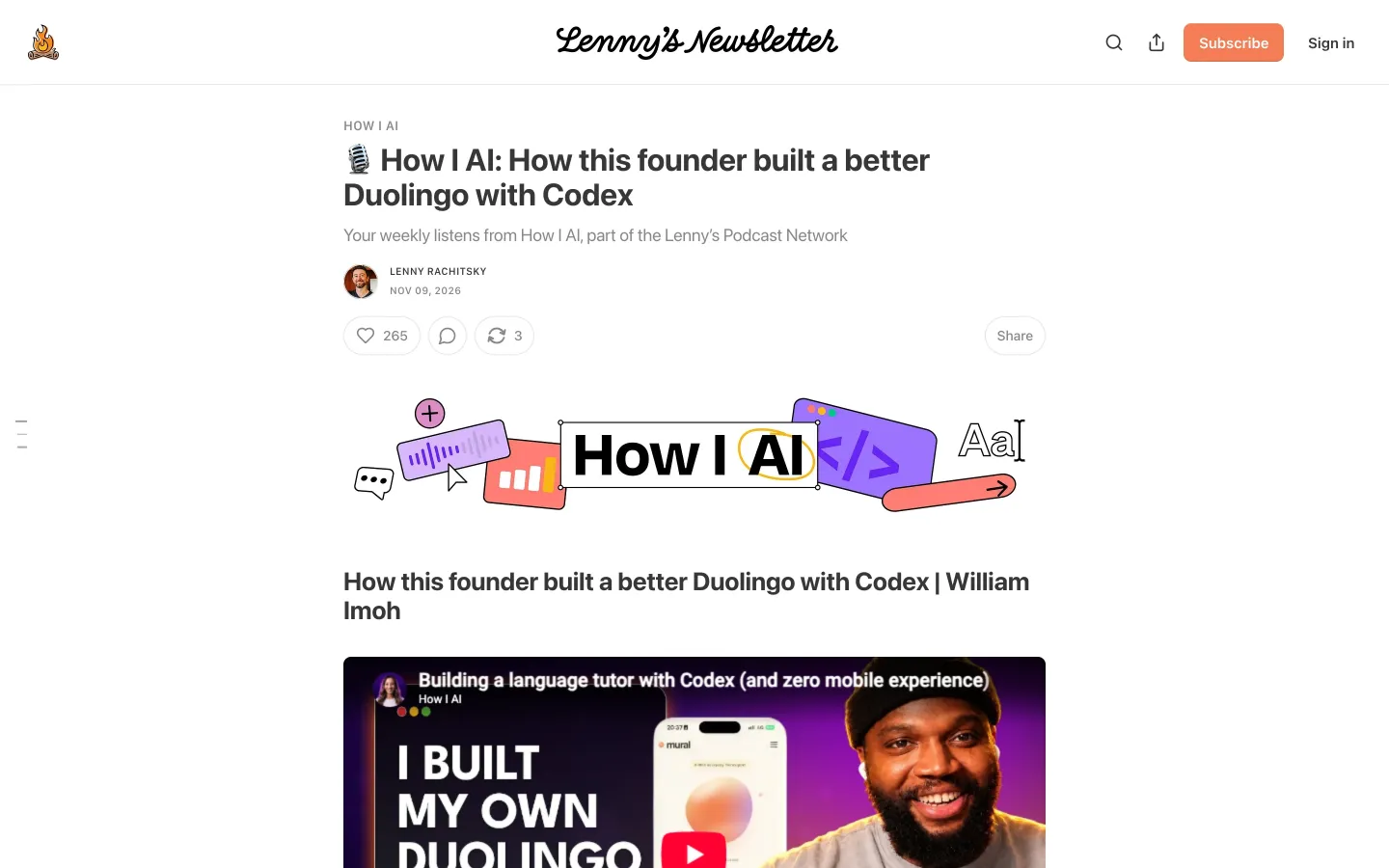
    Sponsored six Lenny's Newsletter and podcast posts between Oct 28 and Nov 9, 2026, with the same one-line pitch every time: make your app enterprise-ready with SSO, SCIM and RBAC. Product and engineering leaders are exactly who buys auth infrastructure.

    See it live

  • VantaLenny's sponsor slot

    Shares sponsor slots with WorkOS on Lenny's posts with the pitch “Automate compliance and simplify security”. Startups selling to enterprises hit SOC 2 at the same moment they read about scaling.

    See it live

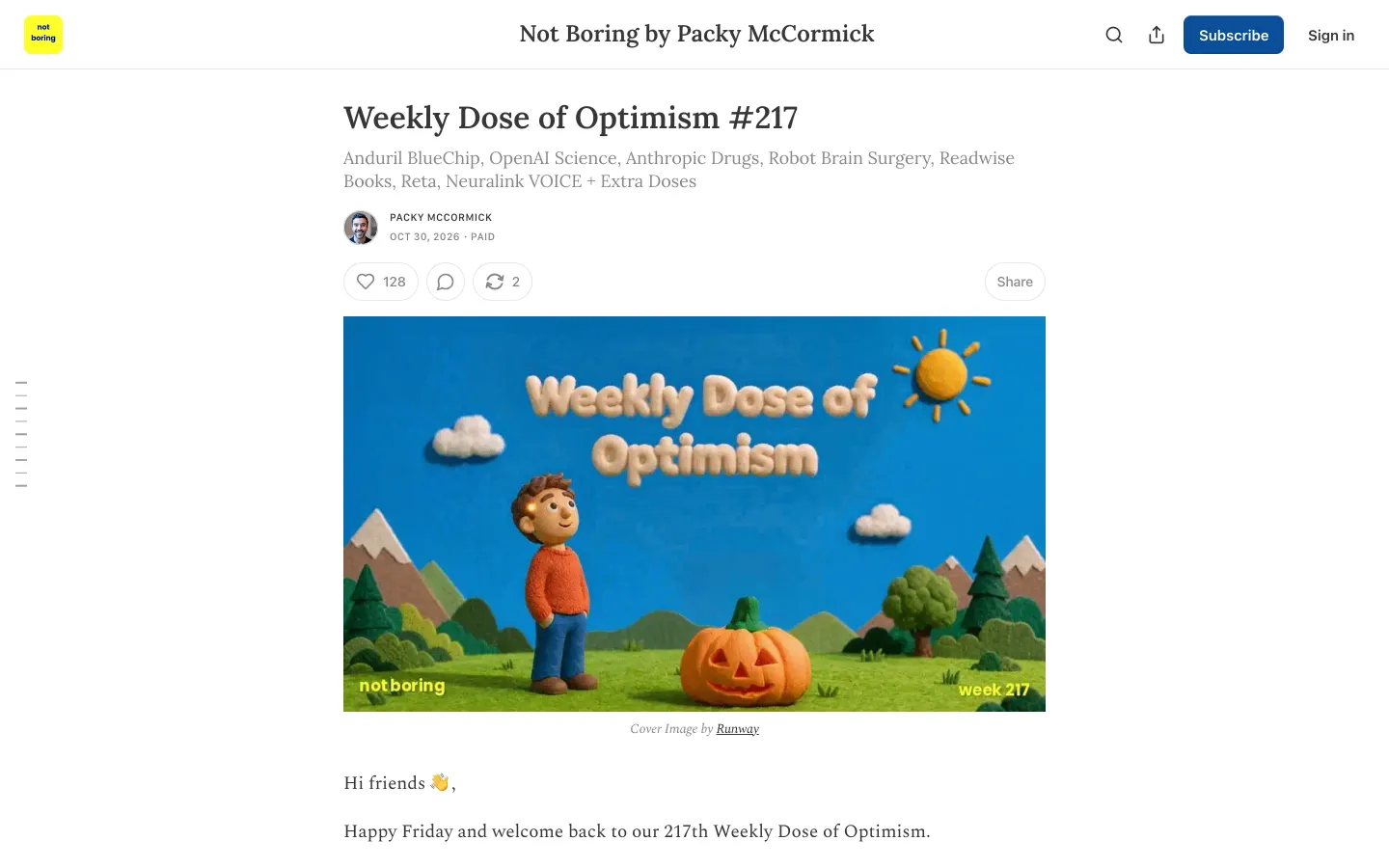
  • ReductoNot Boring regular

    The document-parsing API for AI teams sponsored 7 of the 10 Not Boring “Weekly Dose of Optimism” issues from #209 to #218 (Sep to Nov 2026). A recurring slot in a tech-investor newsletter reaches both buyers and future investors.

    See it live

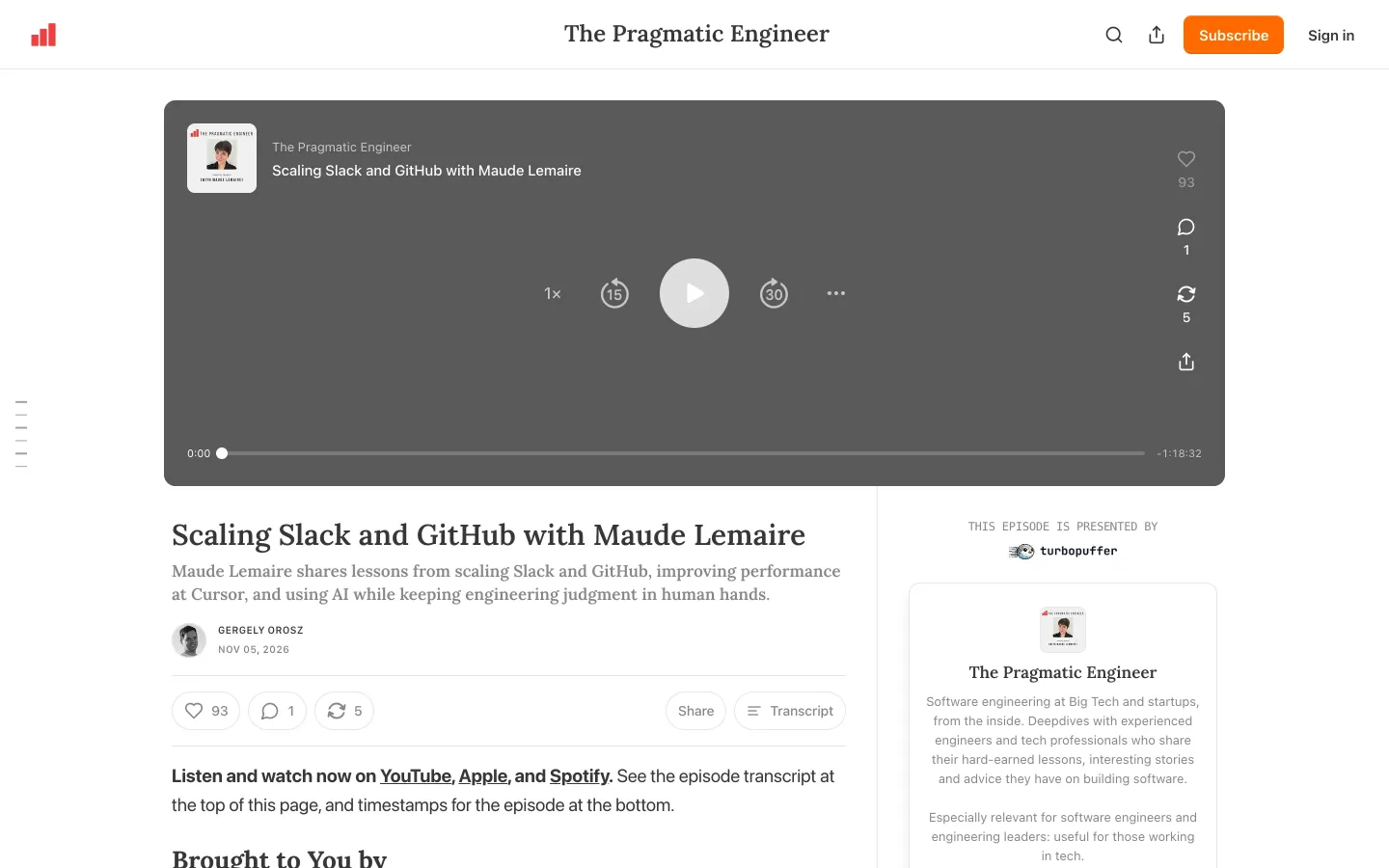
  • turbopufferPragmatic Engineer reads

    Sponsored five consecutive weekly Pragmatic Engineer podcast posts from Oct 7 to Nov 5, 2026, rotating between a product line (“vector and full-text search built on object storage”) and an engineering story about redesigning its storage architecture, which reads like content to engineers.

    See it live

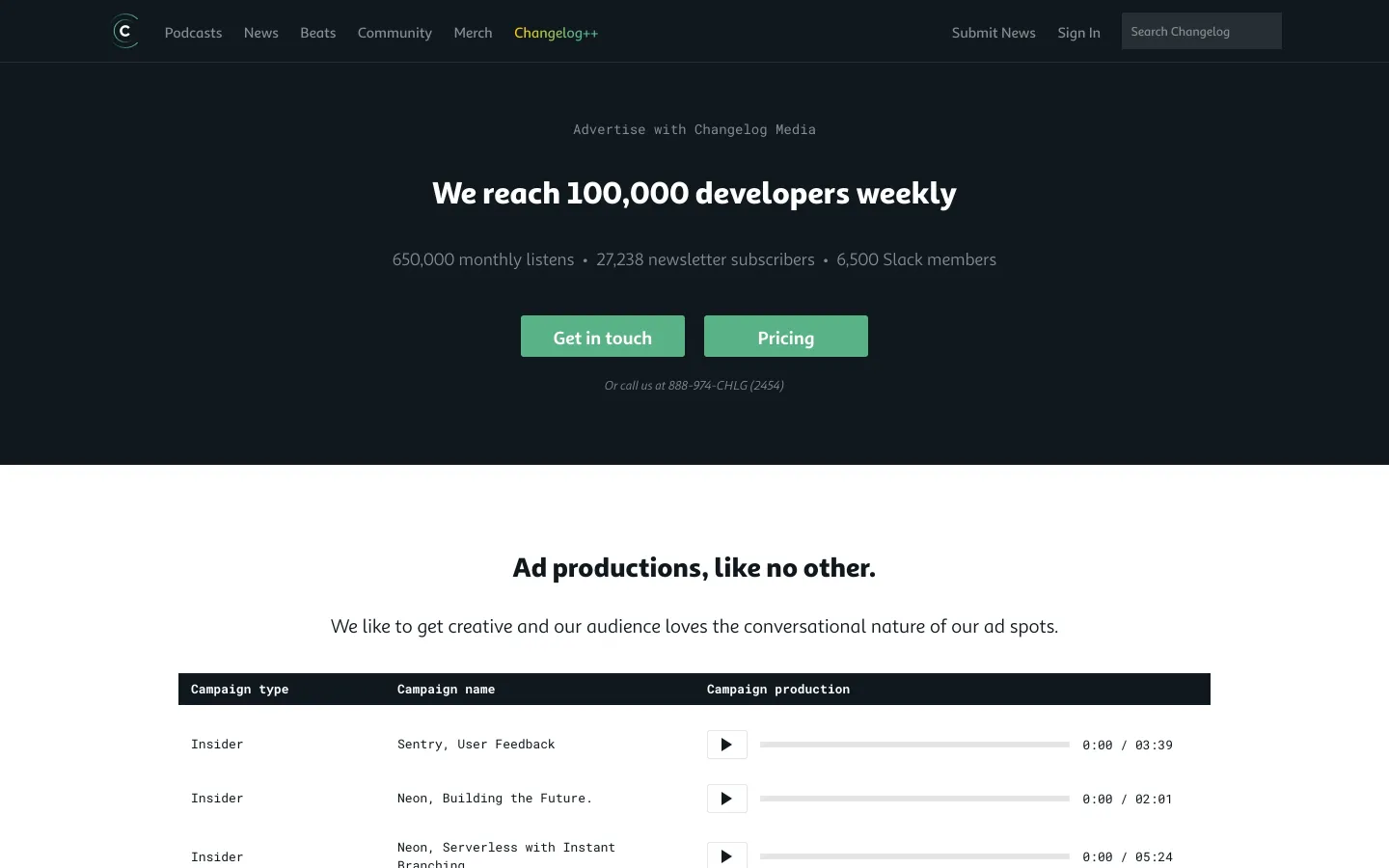
  • SentryChangelog insider reads

    Runs conversational “Insider” ad reads with Changelog, which reaches about 100,000 developers a week through its podcasts and newsletter. Developer tools buy developer media because developers distrust ads that don't sound like them.

    See it live

  • Jira Product DiscoveryLenny's sponsor slot

    Atlassian promotes Jira Product Discovery, its PM-focused product, with sponsor slots on Lenny's posts. Even companies with huge brands buy niche newsletters to reach one job title.

    See it live

Newsletter sponsorships in screenshots

From LeadWave’s own collection, saved as we found them since 2022. Some of these pages have changed since.

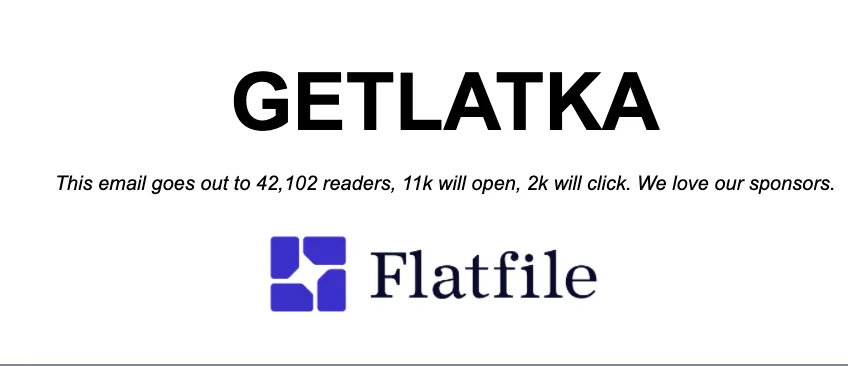
  • GetLatka's sponsor slot: “42,102 readers, 11k will open, 2k will click”, then the sponsor, Flatfile
    GetLatka's sponsor slot: “42,102 readers, 11k will open, 2k will click”, then the sponsor, Flatfile
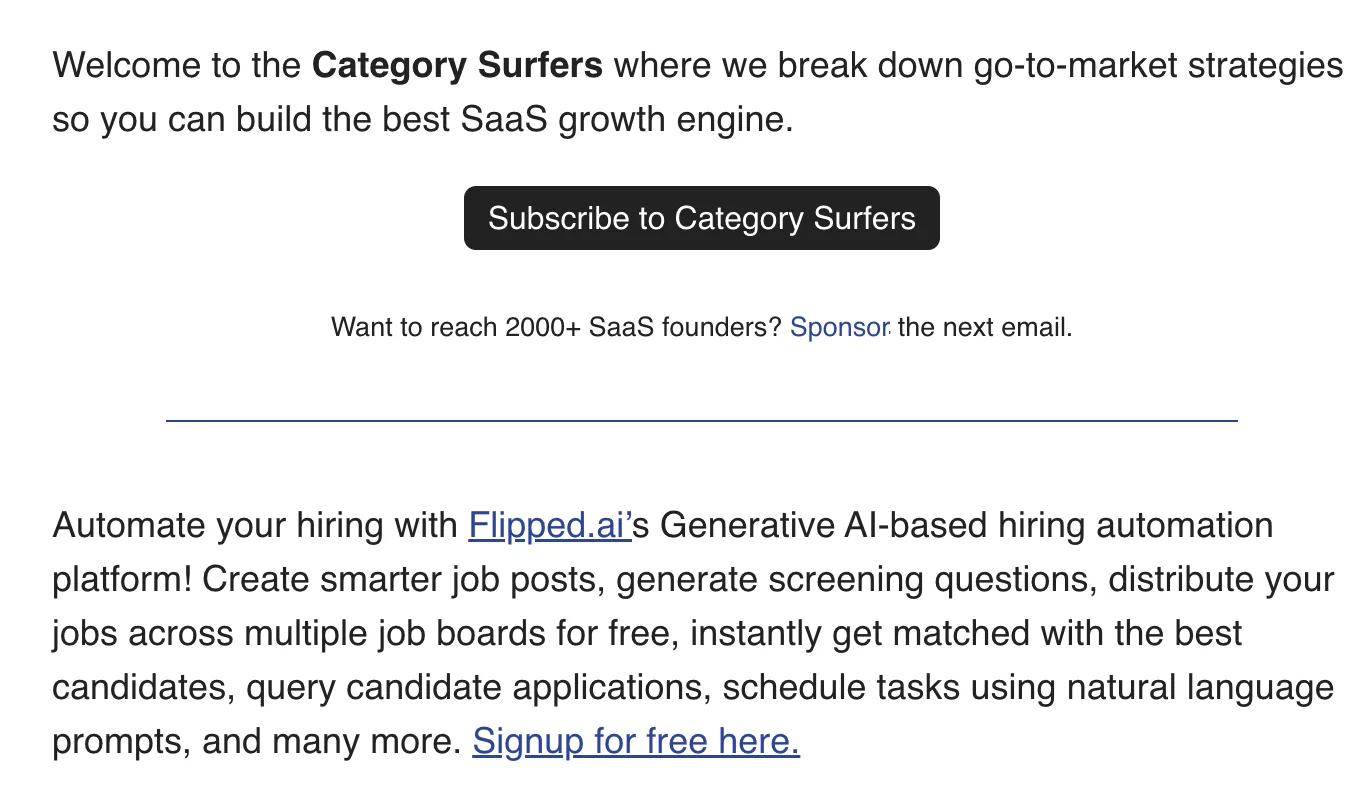
  • Category Surfers' sponsor slot: an offer to reach 2,000+ SaaS founders, then Flipped.ai's ad
    Category Surfers' sponsor slot: an offer to reach 2,000+ SaaS founders, then Flipped.ai's ad

How to run it: the playbook

  1. Build a long list. Ask 10 customers which newsletters they read. Add the ones your competitors sponsor and the top matches on a marketplace like Paved. Aim for 20 to 30.
  2. Get the media kits. Ask each for subscribers, open rate, average clicks on sponsor slots, audience by role and company size, and past sponsors.
  3. Test 5 to 10 newsletters. Book one to three sends in each. Paved's own advice is to start with 5 to 10 newsletters that fit your audience.
  4. Write native copy. One problem, one proof point, one link. Match the newsletter's voice, and offer something to take away if your next step is a demo.
  5. Give each send its own landing page. UTM-tag the link, name the newsletter on the page, and add a “How did you hear about us?” field to the form.
  6. Judge at 30 days. Compare cost per signup, demo and pipeline dollar across newsletters and against your paid social. Include self-reported mentions.
  7. Buy frequency from the winners. Move the budget to the two or three best newsletters and book them for a quarter, like Reducto, WorkOS and Thoropass do.

What to measure

  • CPC: $1 to $5 is the typical range on Paved
  • Cost per lead and per demo against LinkedIn Ads (Rubrik: 82% lower)
  • Pipeline per send, measured over 30 to 60 days
  • Share of signups that name a newsletter in “How did you hear about us?”
  • Branded search lift in the week after each send

Pitfalls

  • Buying on subscriber count instead of clicks and audience fit
  • Judging a newsletter on a single send
  • Banner-style copy that ignores the newsletter's voice
  • Measuring opens, which email clients inflate
  • No offer for sales-led products, so readers have nothing to do

Frequently asked questions

Sources

More SaaS growth ideas

All growth ideas
  • Acquisition

    Branded newsletter

    Start a niche newsletter for your buyers that is worth reading without your product. You own the list, it compounds, and it keeps you top of mind.

    Impact HighEffort Medium10 examples
    Read the tactic
  • Acquisition

    Product Hunt ads

    Pay for reach among the founders and engineers on Product Hunt: feed ads, the homepage billboard or the newsletter. Cheap to test, hard to make pay back.

    Impact LowEffort Low7 examples
    Read the tactic
  • Acquisition

    Feedly ads

    A native ad in Feedly readers' feeds. It still exists in 2026, but Feedly's focus has moved to threat intelligence, so test small and ask hard questions.

    Impact LowEffort Low6 examples
    Read the tactic