Skip to content

Acquisition · Growth Loop

Branded Newsletter Examples: How 10 SaaS Companies Built Audiences by Email

Start a niche newsletter for your buyers that is worth reading without your product. You own the list, it compounds, and it keeps you top of mind.

Branded newsletter: real examples from PostHog, Ahrefs, dbt Labs
Impact
High
Effort
Medium
Time to results
Months
Budget
None needed
Team
Marketing

Tools for this growth idea

  • beehiiv
  • Mailchimp
  • LinkedIn

Why a branded newsletter works

A branded newsletter is a regular email your company publishes for a niche audience, about their work, not about your releases. It is the cheapest way to own an audience. Search rankings and social reach can be taken away; a list of people who asked to hear from you can't.

PostHog shows how it compounds. In December 2022 its newsletter was HogMail, a roundup of the company blog sent every two weeks, with 974 subscribers. It then became Product for Engineers: long-form, original essays on product and business lessons for engineers, often built from posts the team had already written. PostHog says it started 2025 at about 38,000 subscribers and ended it at over 100,000. The newsletter has since been renamed build mode.

What changed was not the email tool. It was the reader. HogMail was about PostHog. Product for Engineers was about the reader getting better at their job, with PostHog's experience as the source. That shift is the whole tactic.

A newsletter also does quieter work. PostHog notes that writing it makes the team turn internal knowledge into clear, shareable insight. And because every issue lands in an inbox, it keeps the brand in front of buyers between the moments they need you.

Four formats that work

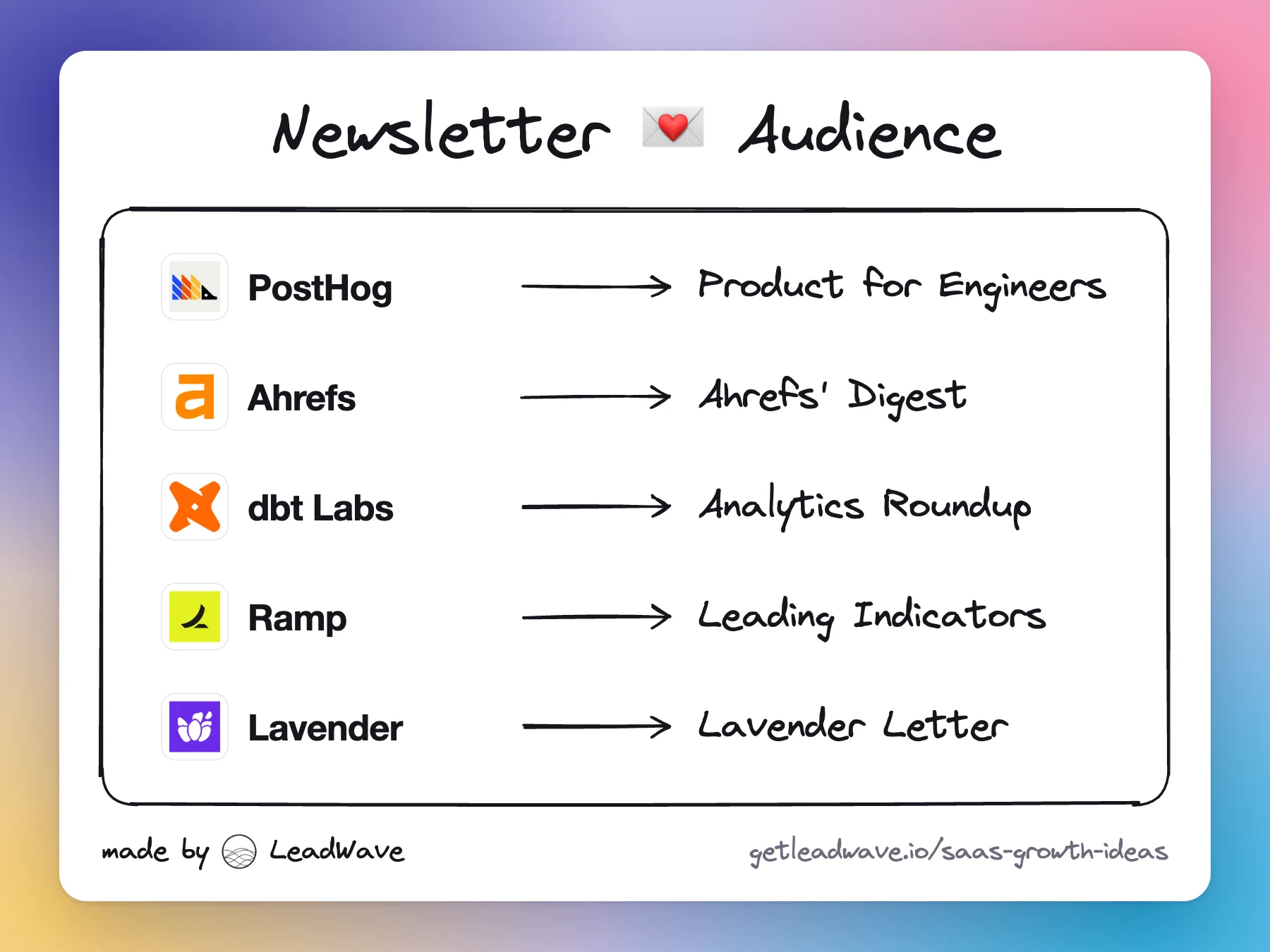
1. The curated digest. The best links of the week in your niche, with a line of commentary each. It is the easiest to ship, because you curate rather than write. Ahrefs' Digest is a free weekly read by 284K SEOs and marketers. dbt Labs' Analytics Engineering Roundup is curated by its founder Tristan Handy and has over 32,000 subscribers.

2. Original essays. One deep piece per issue, with a point of view. Harder to write, much easier to share. PostHog's newsletter is this kind.

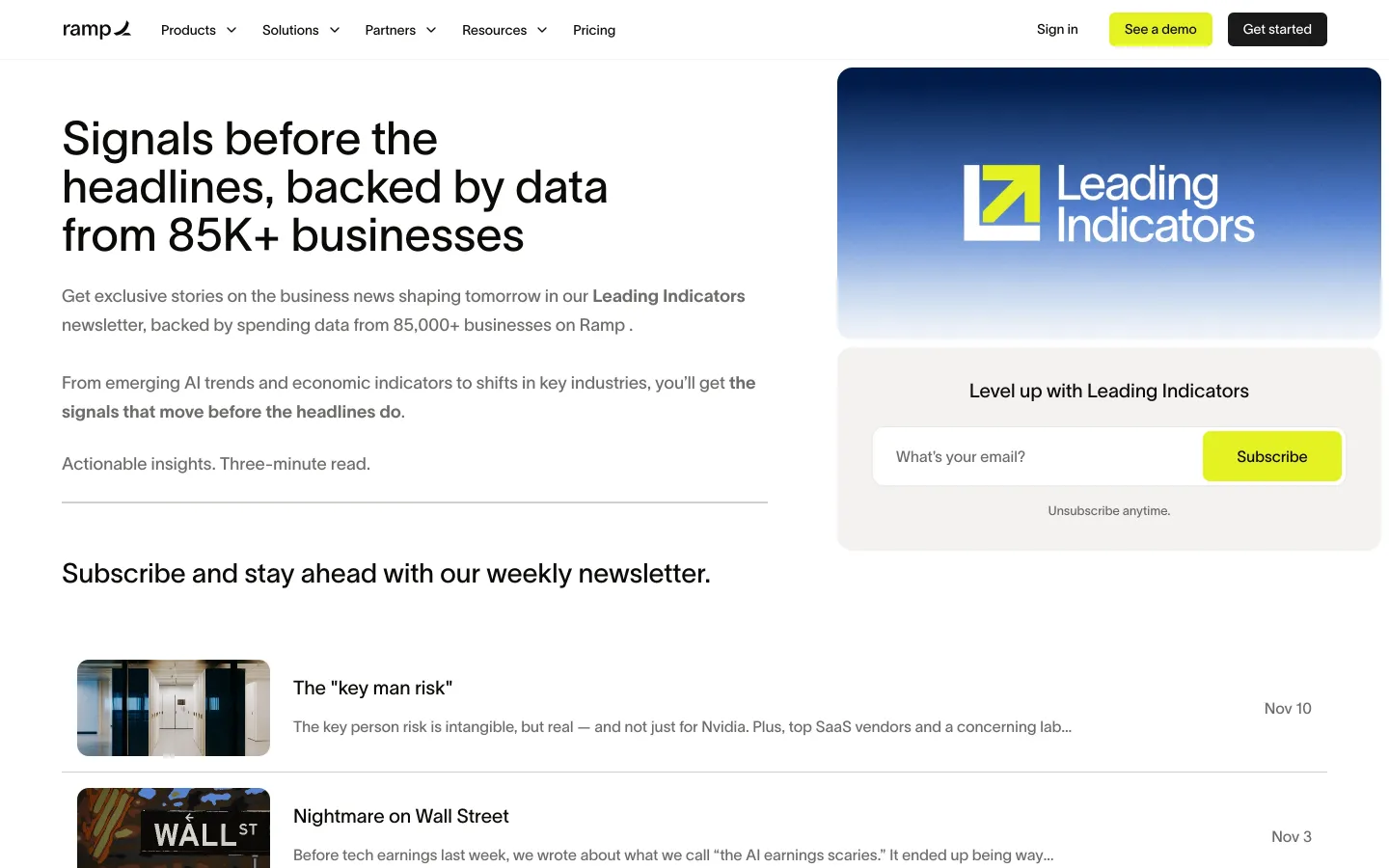
3. Data-driven news. Stories built on your product's data that nobody else has. Ramp's weekly Leading Indicators is a three-minute read backed by spending data from 85,000+ businesses.

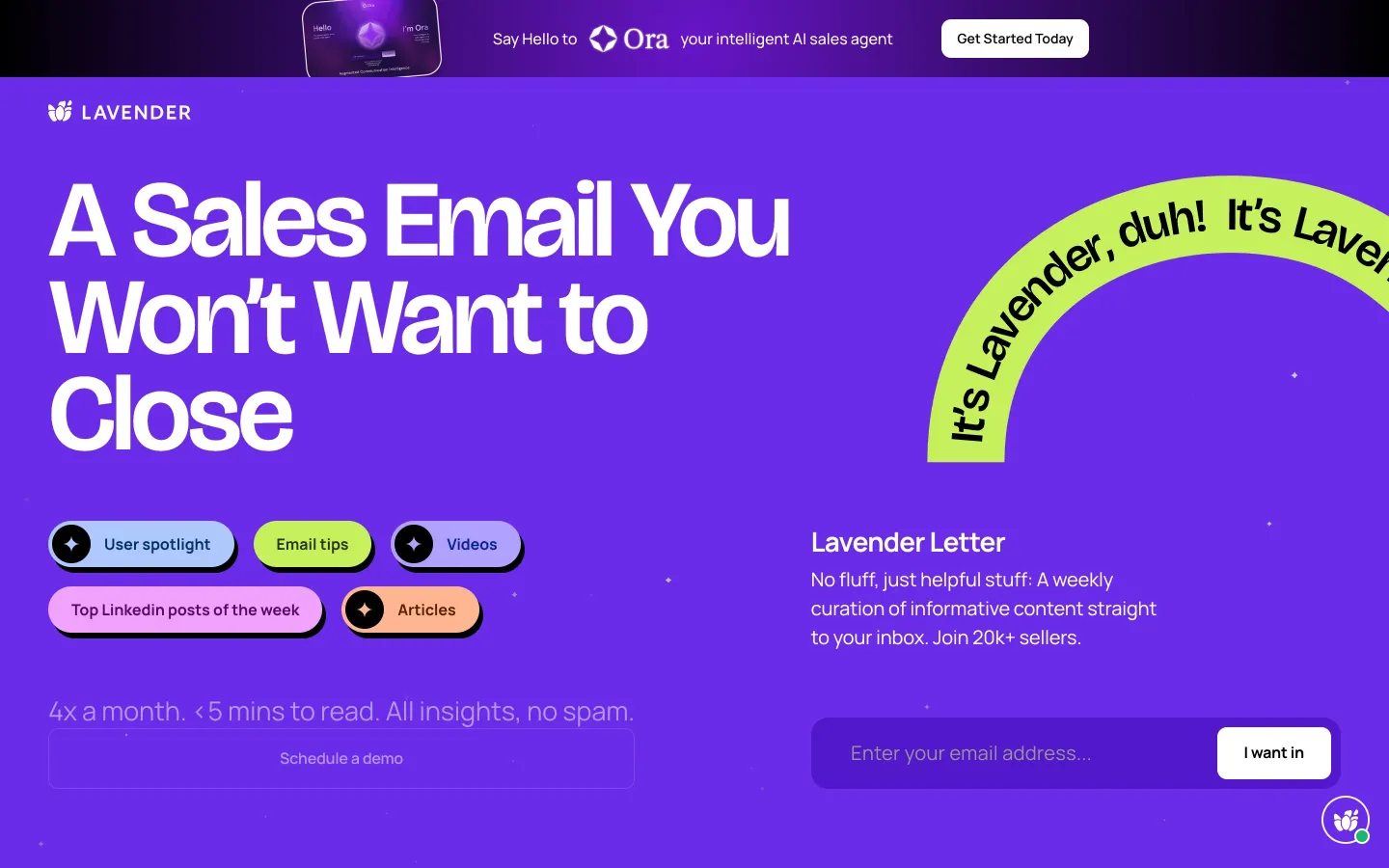
4. Practical tips. Short, useful tactics for the reader's daily job. Lavender's Lavender Letter promises four issues a month, under five minutes each, to 20k+ sellers: email tips, user spotlights and the week's top LinkedIn posts.

You can mix them, but lead with one. The format decides your cost per issue, and cost per issue decides whether you keep shipping.

Company brand or a person's voice

People subscribe to people. The biggest newsletters in SaaS are personal: Lenny's Newsletter shows 1,000,000+ subscribers. A company can't copy that, but it can borrow the mechanism.

  • Put a name on it. dbt's Roundup is 'curated with ❤️ by Tristan Handy'. PostHog bylines each issue to the person who wrote it.
  • Let them have opinions. PostHog's most read post of 2025, an anti-collaboration manifesto, drew 112,220 views and, in the team's words, 'a considerable amount of controversy'. Bland, safe issues don't get forwarded.
  • Keep the company as publisher. The logo, the footer and one call to action. Not a sales pitch in every section.

The risk of a personal voice is that the person leaves. Plan for it by building a small writing team and a format that doesn't depend on one name.

How to grow the list

Good issues are necessary, not enough. The teams that grow fast also promote the newsletter on purpose:

  • Every page is a signup box. Put the form at the end of every blog post and docs page. PostHog's signup box sits on its newsletter posts with 'Read by 75,000+ founders and builders'.
  • Paid acquisition. PostHog runs ads to grow subscriptions and was testing Meta ads in 2025 to add subscribers.
  • Posts that travel. One essay on the Hacker News front page or shared widely on LinkedIn can add more subscribers in a week than months of steady posting.
  • Offline and in-product. The short link ramp.com/newsletter redirects to the signup page with direct-mail postcard tracking attached, so Ramp promotes its newsletter by mail too. Mention the newsletter in onboarding emails to new users.
  • Swaps and guests. Recommend similar newsletters and ask them to recommend yours, and invite guest writers who bring their own readers.

Own the list. Use a platform that lets you export subscribers, and keep a copy. PostHog notes Substack is built around paid creator subscriptions, while its newsletter is free, a mismatch worth weighing before you pick a tool.

Where branded newsletters fail

  • It's a product update email. Release notes and webinar invites dressed as a newsletter. Nobody forwards them. Keep product news to one short block.
  • The schedule is too ambitious. PostHog says it set a goal of going weekly several times in 2025 and kept hitting the good-fast-cheap tradeoff; weekly at its quality would need more people. A reliable every-two-weeks beats a weekly that skips.
  • The topic is too broad. 'Business and tech' competes with Morning Brew. 'Lessons for product engineers' competes with almost no one.
  • No one owns it. A newsletter passed around the marketing team loses its voice in a quarter.
  • It dies quietly. One of our 2023 examples, Top of the Lyne, no longer loads. If you stop, say so and point readers somewhere, so the list stays warm for a restart.

Start a newsletter only if you can commit to six months of issues before judging it. Most of the growth comes after the format settles.

Branded newsletter examples

  • PostHogProduct for Engineers

    Went from a 974-subscriber blog roundup (HogMail, December 2022) to original essays for engineers; PostHog says it grew from about 38,000 subscribers to over 100,000 during 2025. Now renamed build mode.

    See it liveSource

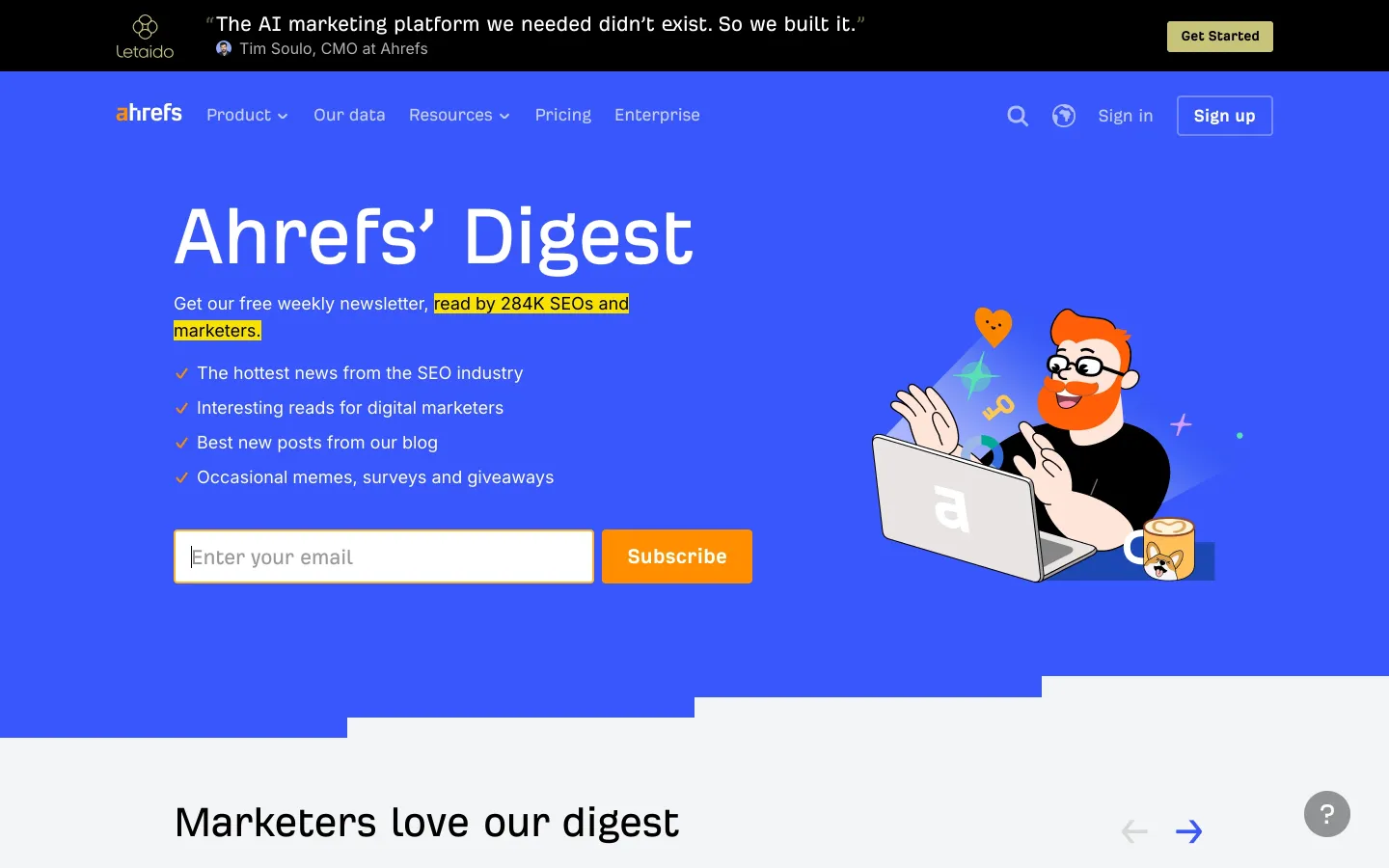
  • AhrefsAhrefs' Digest

    A free weekly digest of SEO news and interesting reads, which Ahrefs says is read by 284K SEOs and marketers. Curation keeps the cost per issue low enough to never miss a week.

    See it live

  • dbt LabsAnalytics Engineering Roundup

    'The internet's most useful articles on analytics engineering', curated by founder Tristan Handy, with over 32,000 subscribers. A founder's weekly picks put dbt Labs in the inbox of the people who use dbt.

    See it live

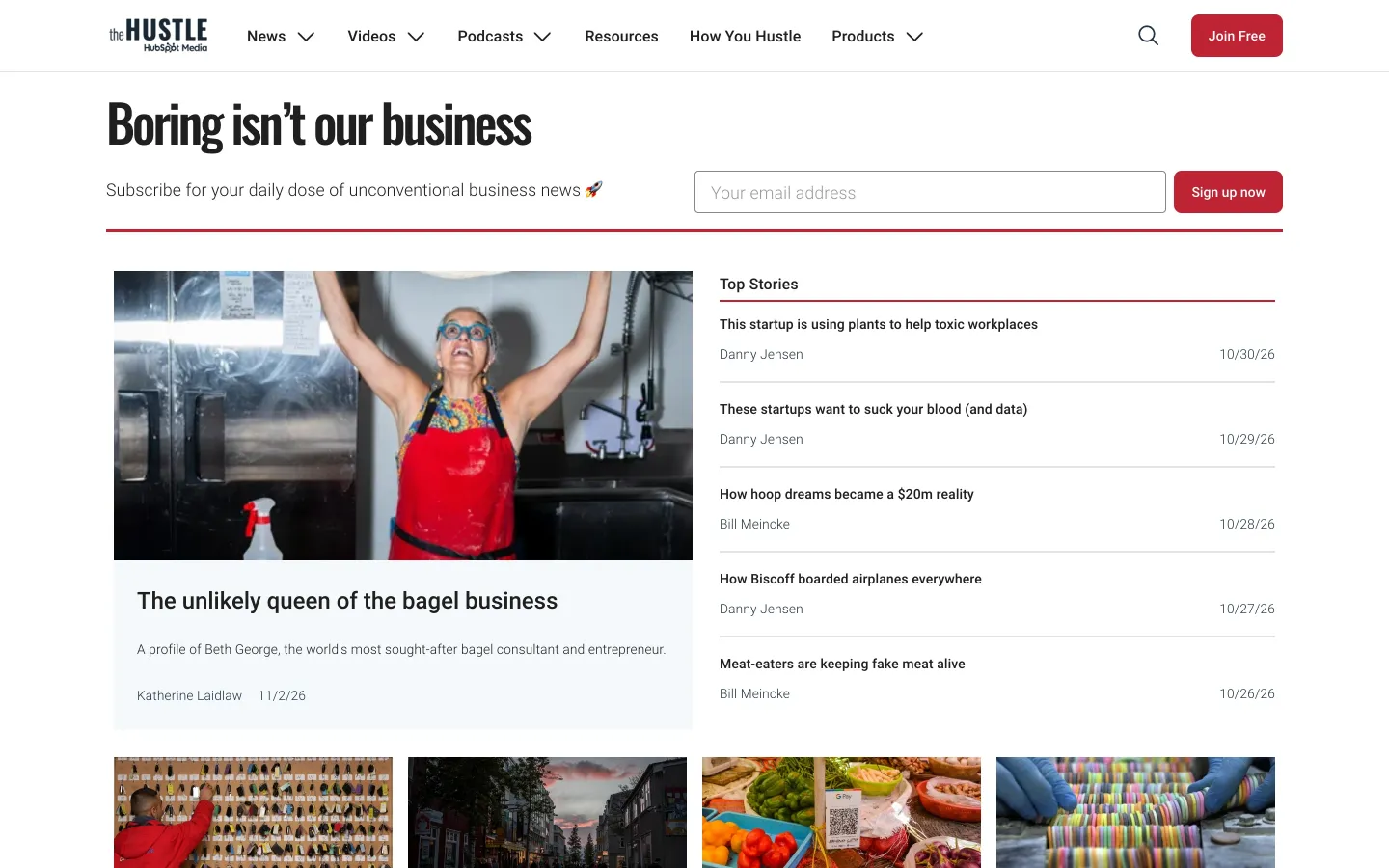
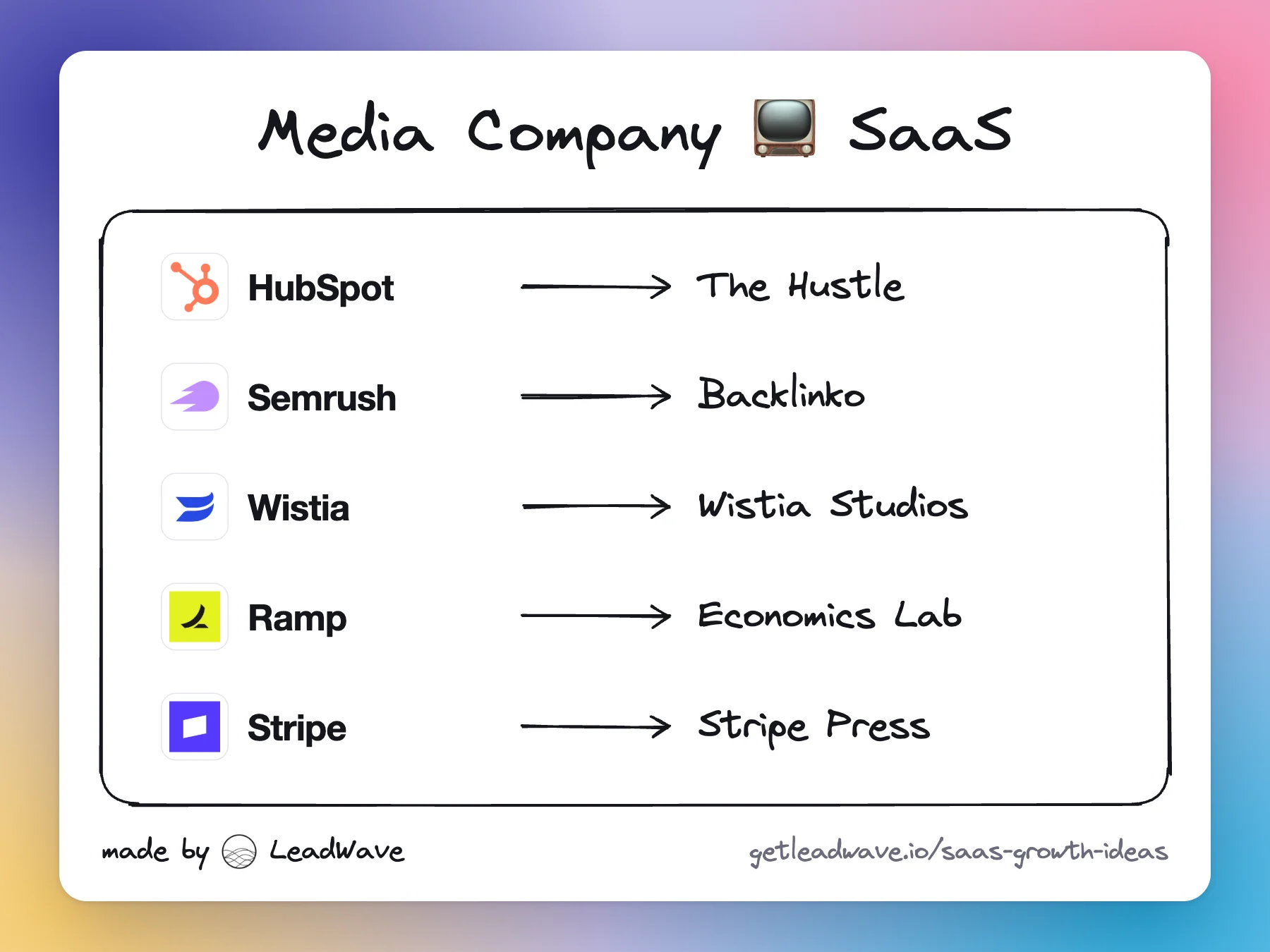
  • HubSpotThe Hustle daily email

    A daily business and tech email HubSpot bought in 2021, when it had more than 1.5 million readers. The bought version of a branded newsletter.

    See it liveSource

  • RampLeading Indicators

    A weekly three-minute read of business news backed by spending data from 85,000+ businesses on Ramp. Data no one else has is what makes it newsworthy.

    See it liveHow Ramp grew

  • LavenderLavender Letter

    Four issues a month, under five minutes each, for 20k+ sellers: email tips, user spotlights, videos and the week's top LinkedIn posts. Every tip shows what the product coaches.

    See it live

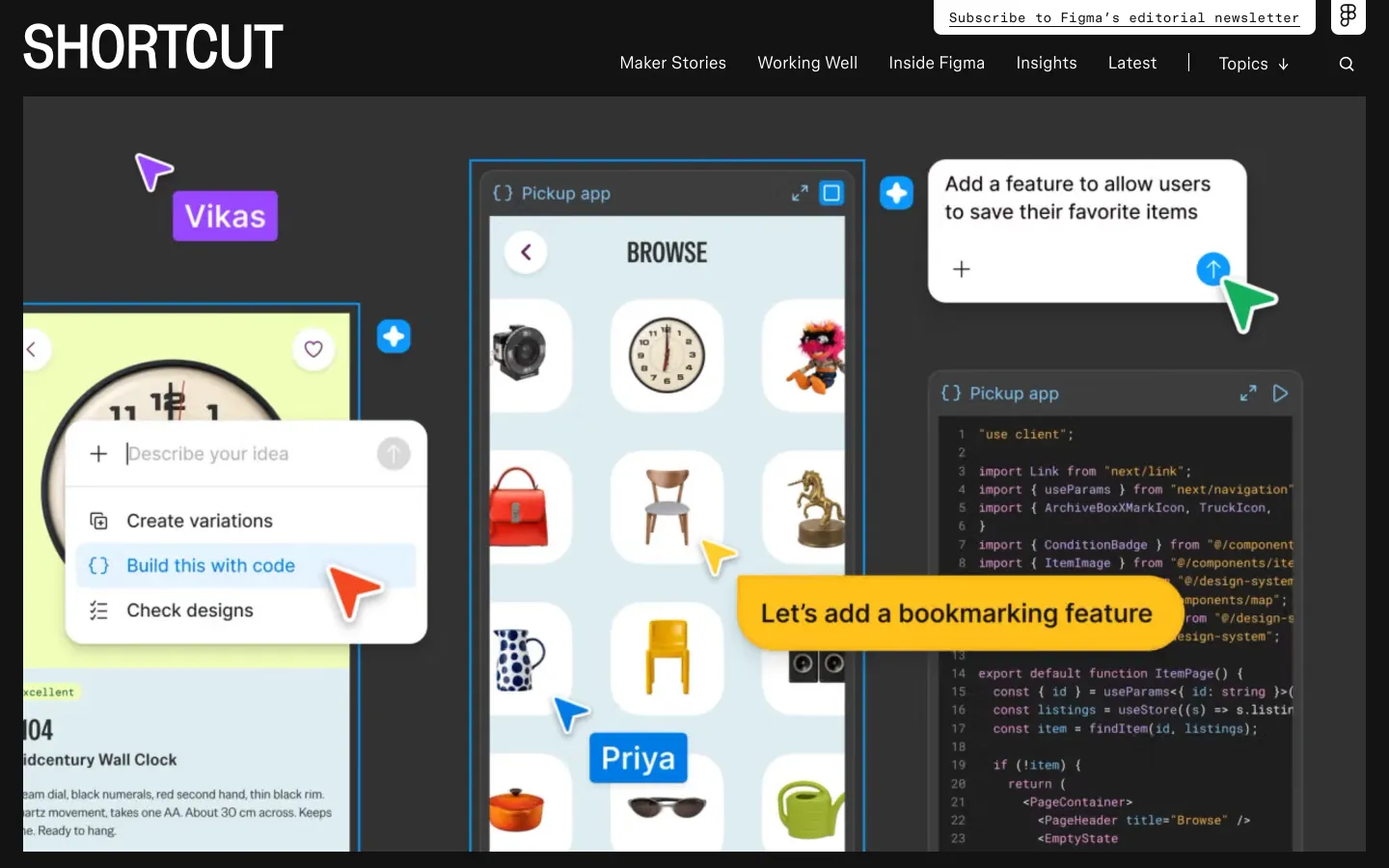
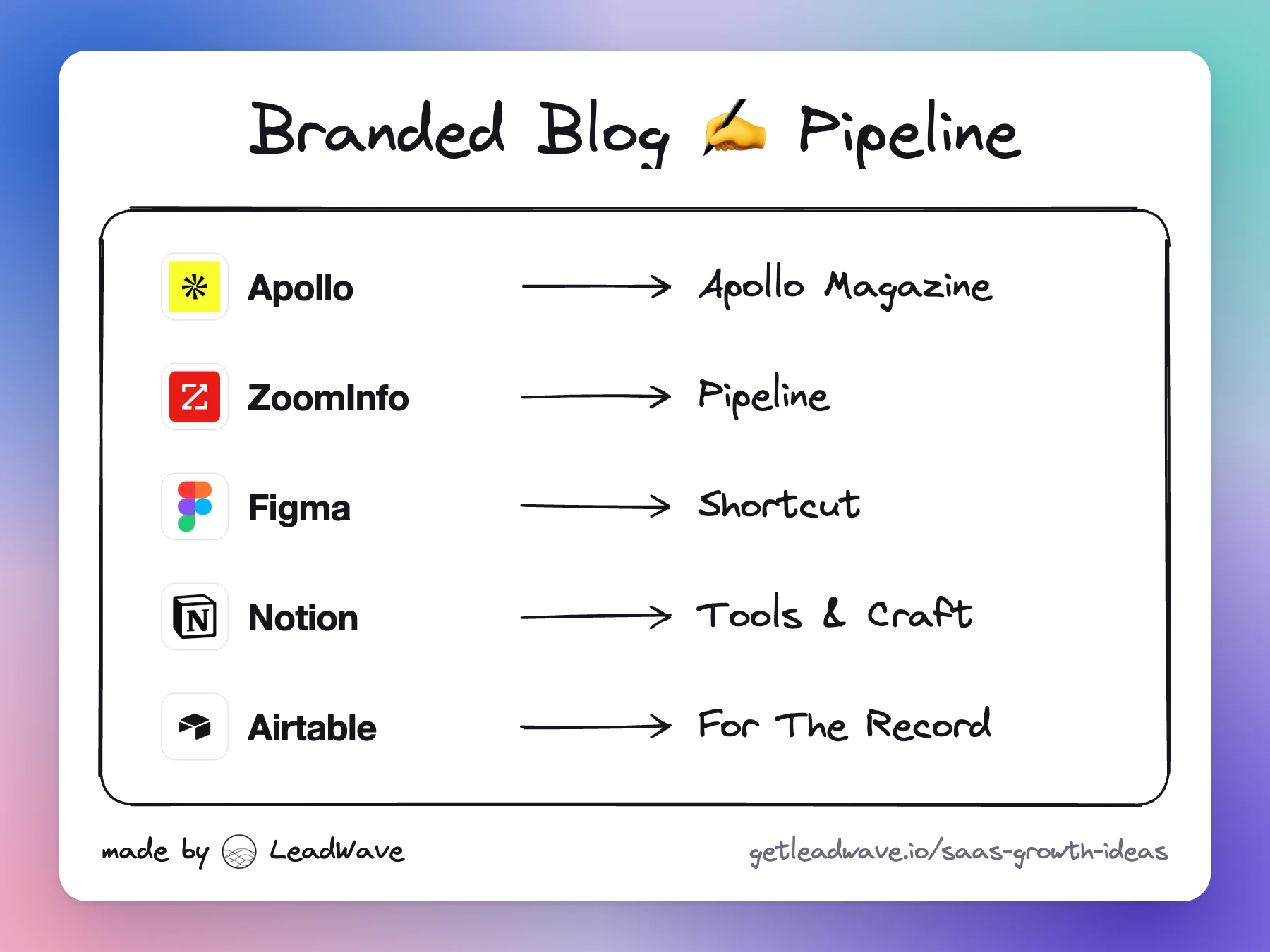
  • FigmaShortcut editorial newsletter

    Figma's blog is now an editorial publication called Shortcut, with maker stories and insights, and a subscribe box for 'Figma's editorial newsletter' at the top.

    See it live

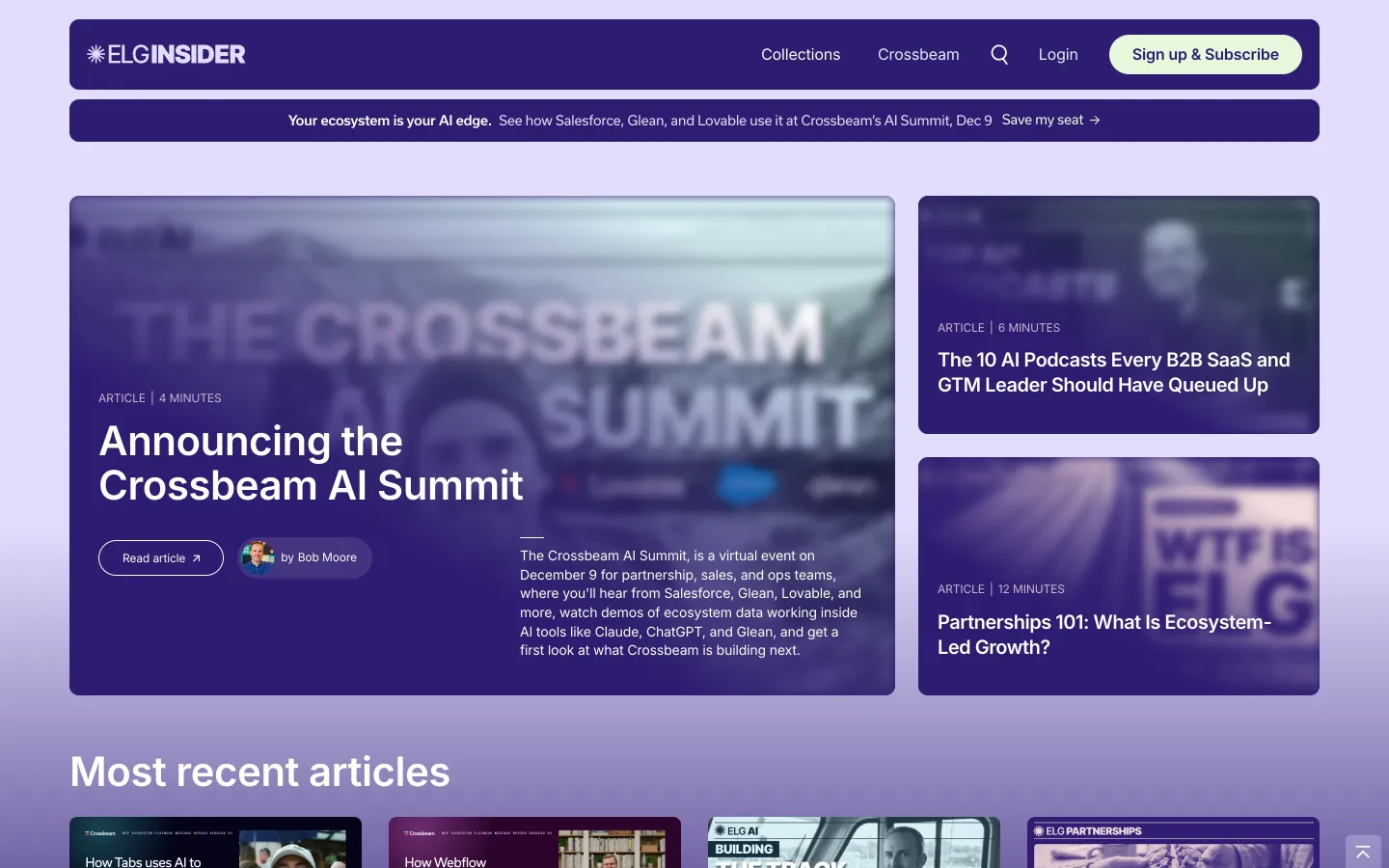
  • CrossbeamELG Insider weekly

    A weekly email of articles, videos and data on ecosystem-led growth, the category Crossbeam sells into.

    See it live

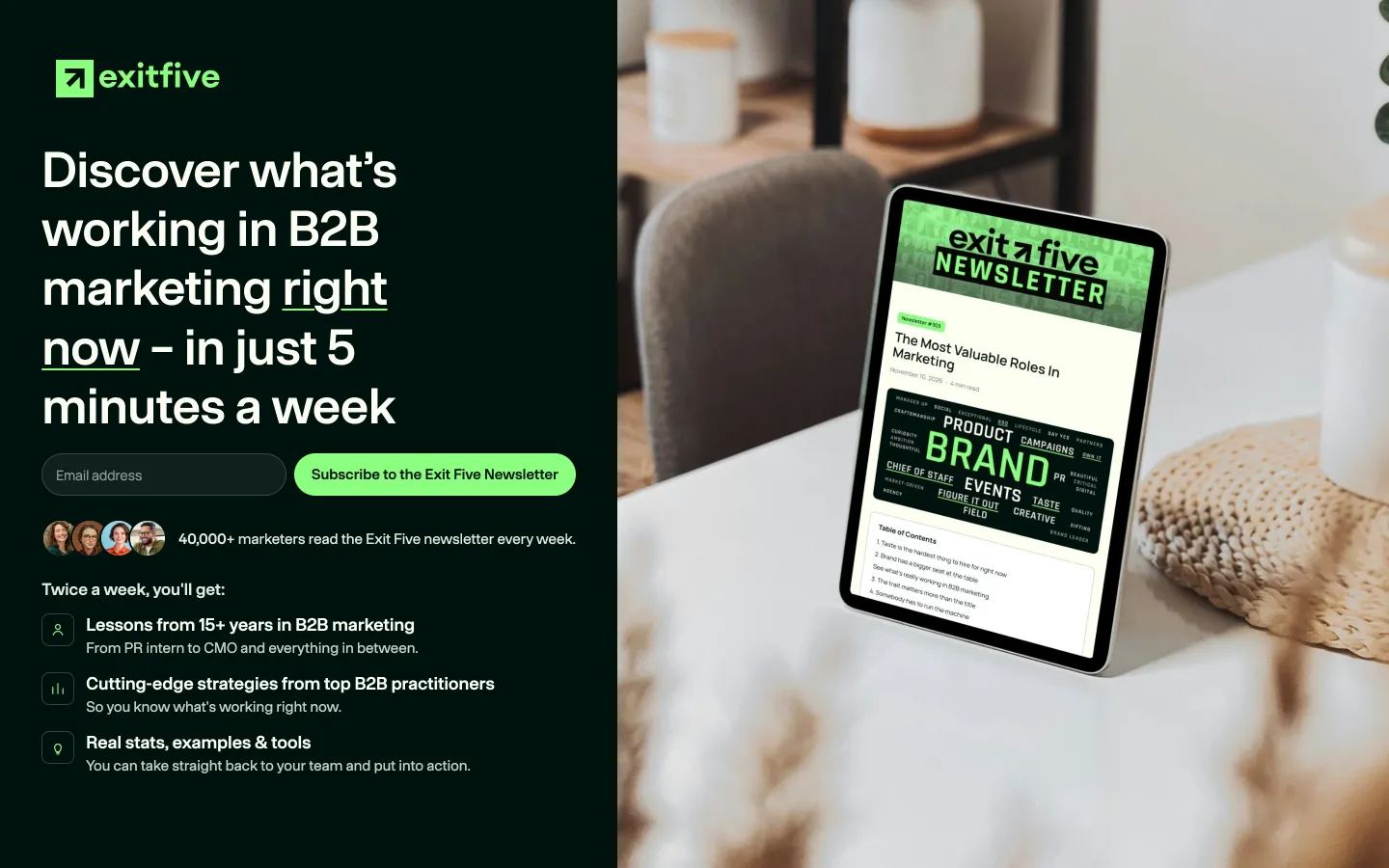
  • Exit FiveNewsletter feeding paid community

    Dave Gerhardt's B2B marketing newsletter goes to 40,000+ marketers twice a week and leads readers into Exit Five's paid community and events.

    See it live

  • a16zExpert newsletters

    The venture firm runs a set of newsletters from its partners by topic. It shows the same play outside software: a firm's experts, a company-owned list.

    See it live

Branded newsletter in screenshots

From LeadWave’s own collection, saved as we found them since 2022. Some of these pages have changed since.

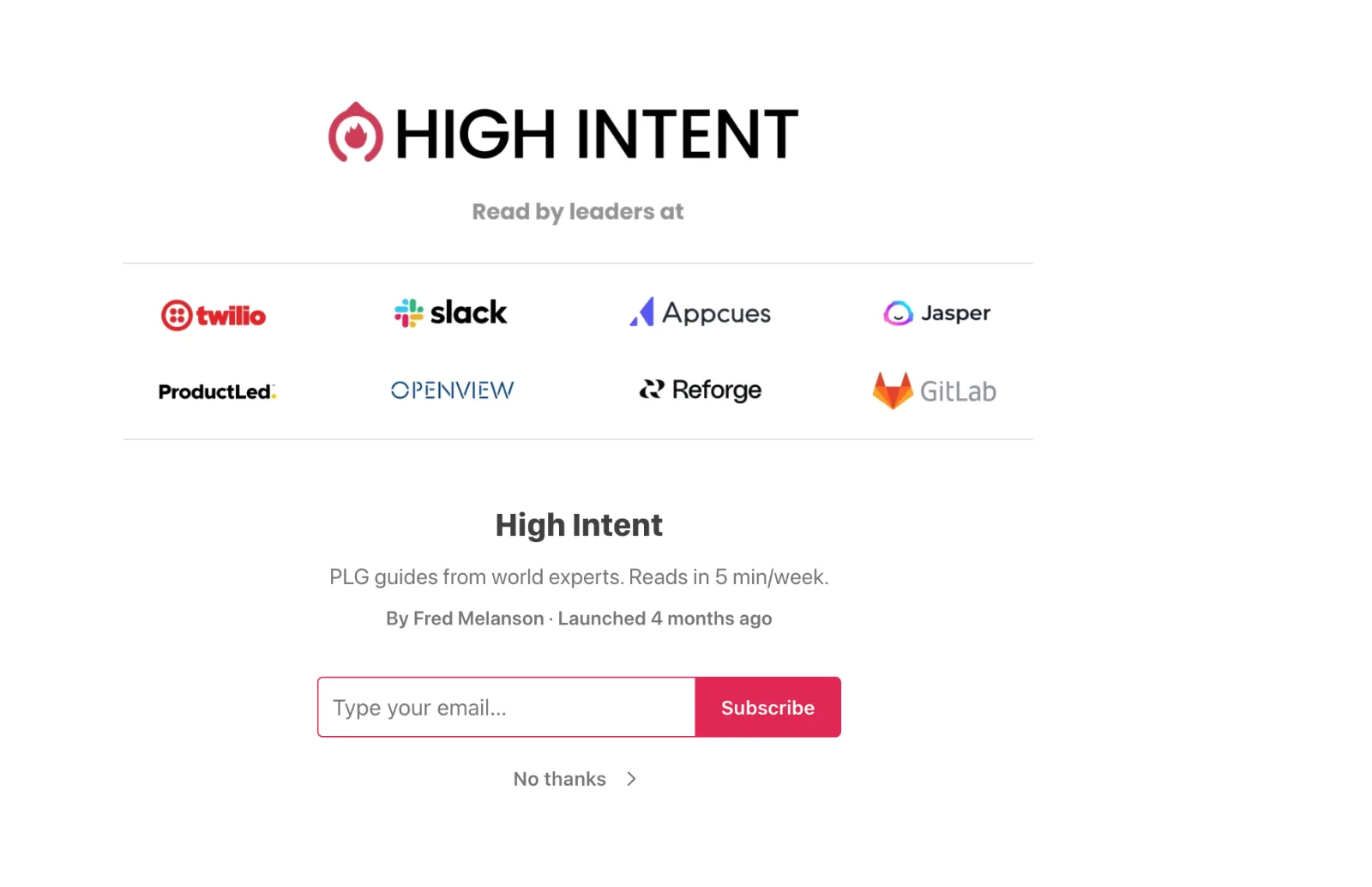
  • High Intent, a PLG newsletter by Fred Melanson, with its readers' company logos as proof
    High Intent, a PLG newsletter by Fred Melanson, with its readers' company logos as proof

How to run it: the playbook

  1. Pick one reader and one job. Write down who it's for ('product engineers at startups', 'SDRs who write cold email') and what it helps them do. If it could be for anyone, narrow it.
  2. Choose the format you can sustain. Digest, essay, data or tips. Estimate hours per issue honestly and set the cadence from that, not from ambition.
  3. Name an editor and a voice. One owner who writes or edits every issue, with a byline. Add writers later.
  4. Write five issues before launch. A buffer protects the schedule and shows whether the format works on paper.
  5. Put a signup box everywhere. End of every blog post, docs, onboarding emails, team email signatures and social profiles.
  6. Launch with your existing audience. Invite customers, users, social followers and the team's networks. Ask the first readers to forward it.
  7. Add one growth channel at a time. Swaps with similar newsletters, guest writers, paid ads, posts aimed at Hacker News or LinkedIn. Measure cost per subscriber for each.
  8. Review after six months. Look at growth, open and click rates, replies and subscribers who became users. Keep what works, change the format if nothing does.

What to measure

  • Subscriber growth per month and its sources.
  • Click rate per issue; opens are less reliable since Apple Mail privacy features started inflating them.
  • Replies and forwards, the clearest sign the content is useful.
  • Unsubscribe rate per issue; spikes show which topics miss.
  • Subscribers who sign up for the product, and how many weeks after subscribing.
  • Cost per subscriber for each paid or partner channel.

Pitfalls

  • Turning the newsletter into product announcements.
  • Promising weekly and then missing issues.
  • A topic so broad that it competes with big media brands.
  • No named writer, so the voice is generic.
  • Building on a platform you can't export your list from.
  • Stopping without telling readers, which burns the list.

Frequently asked questions

Sources

More SaaS growth ideas

All growth ideas
  • Growth Loop

    SaaS media company

    Build or buy shows, newsletters, data and books your buyers follow for their own sake, so they know you long before they are ready to buy.

    Impact HighEffort High12 examples
    Read the tacticFull playbook in the list
  • Acquisition

    Branded blog

    Turn the company blog into a named publication with a point of view and content only your product can teach. It earns trust, search traffic and citations.

    Impact MediumEffort Medium12 examples
    Read the tactic
  • Acquisition

    Newsletter sponsorships

    Rent the inbox of a newsletter your buyers already trust. Aircall got 2,100+ leads at a $1.96 CPC; the best sponsors buy the same newsletter for months.

    Impact HighEffort Medium9 examples
    Read the tactic