Skip to content

Acquisition

Product Hunt Ads: Formats, Costs and 7 Real Results

Pay for reach among the founders and engineers on Product Hunt: feed ads, the homepage billboard or the newsletter. Cheap to test, hard to make pay back.

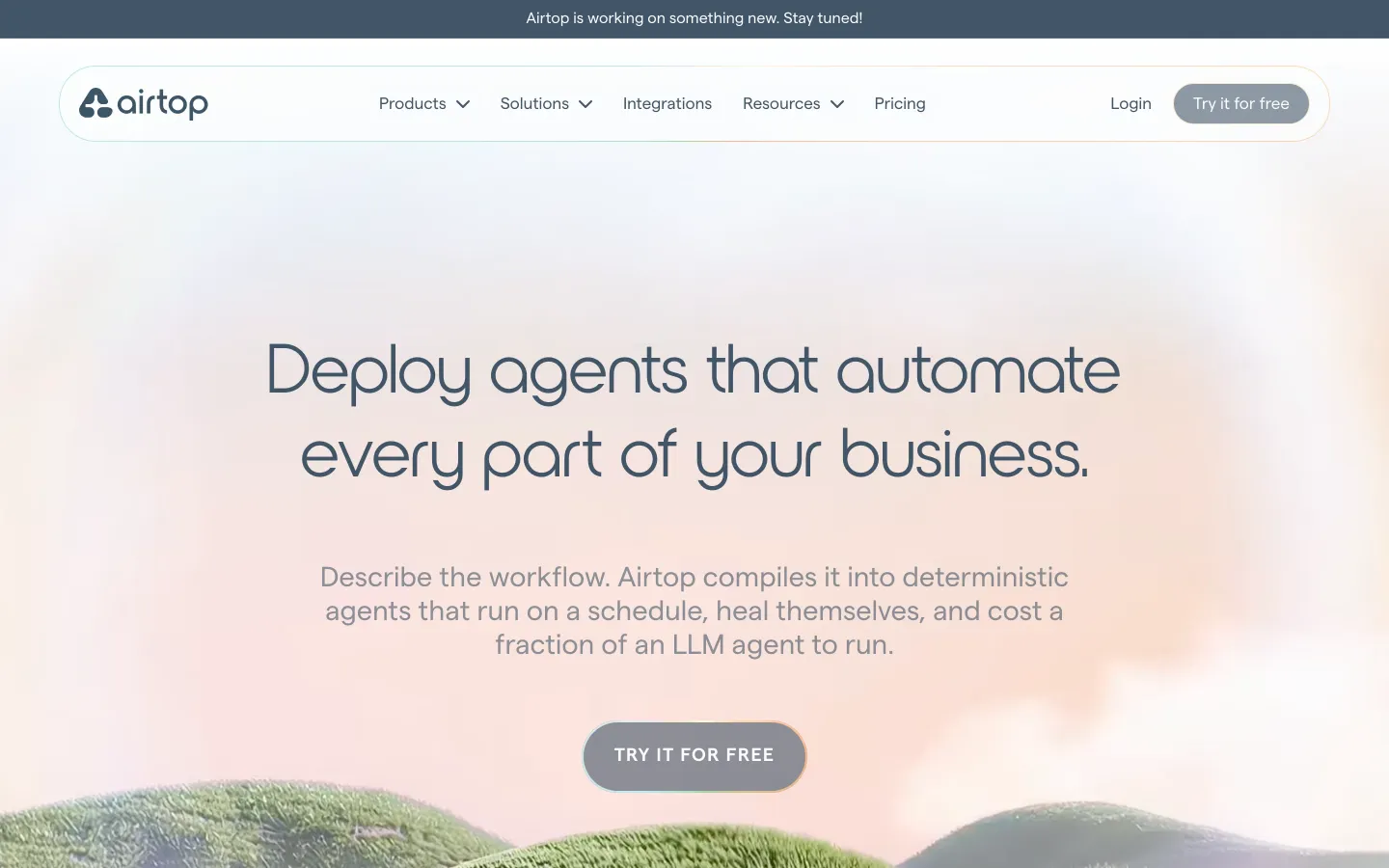
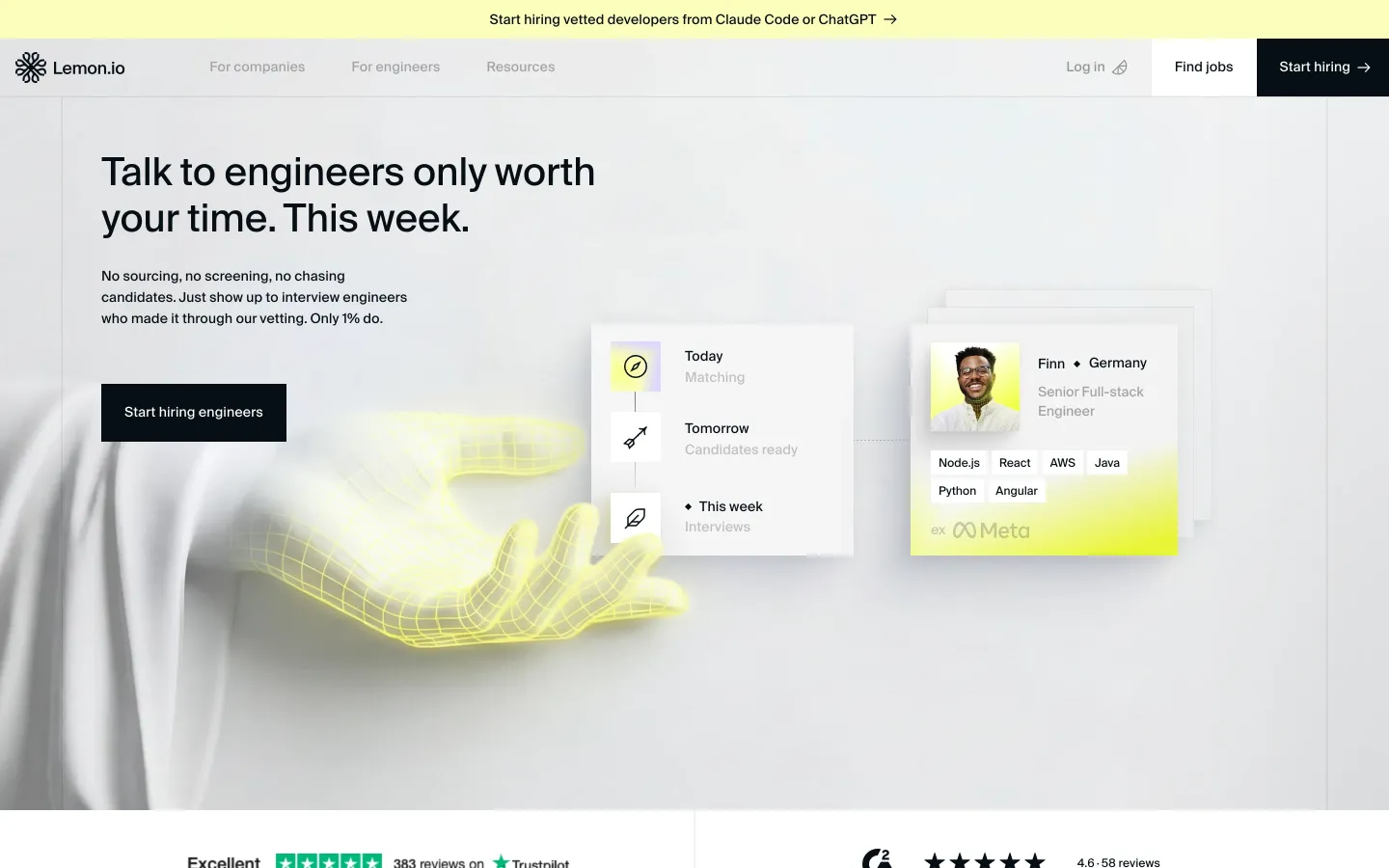
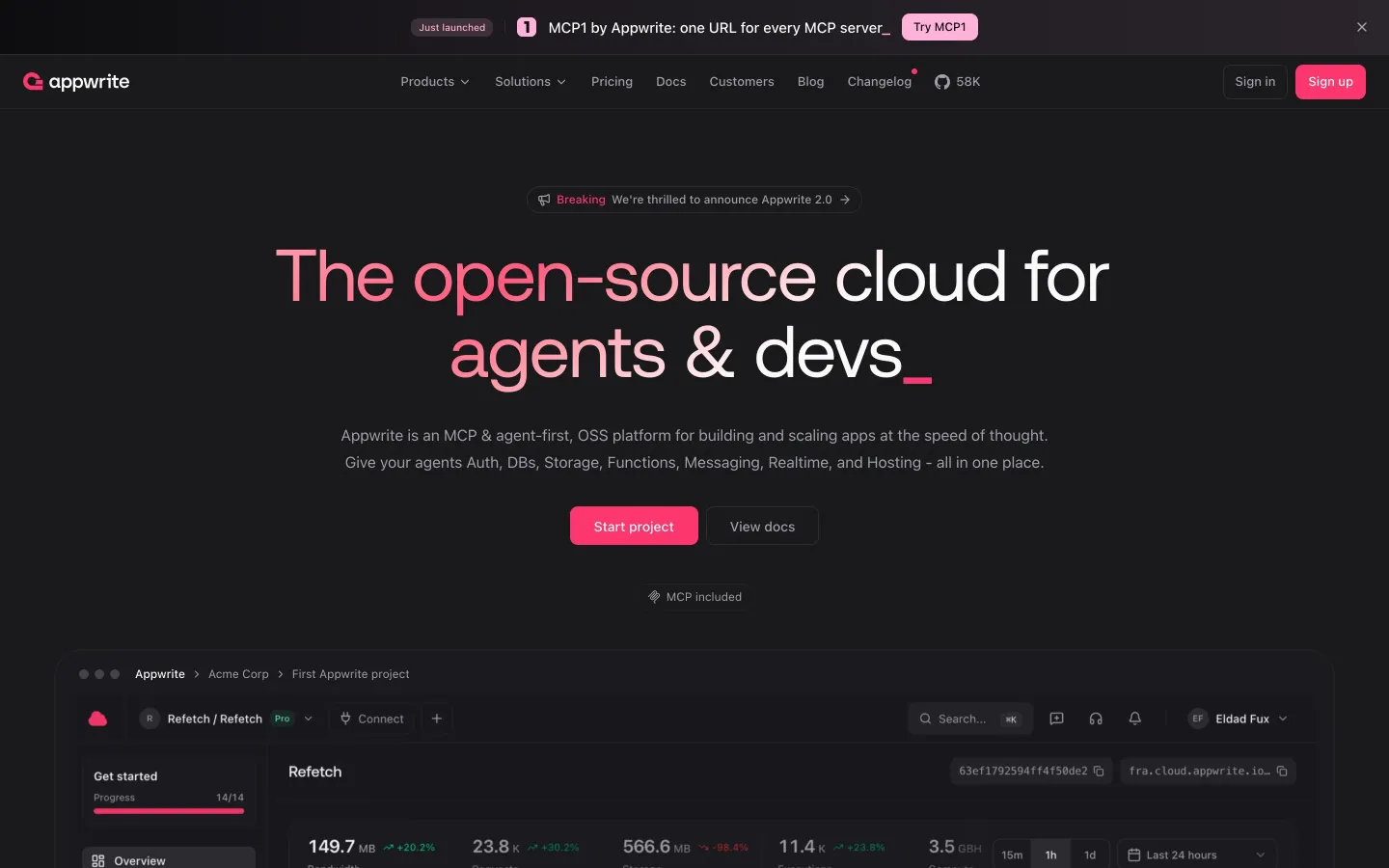
Product Hunt ads: real examples from GMass, Airtop, Lemon.io
Impact
Low
Effort
Low
Time to results
Days
Budget
Needs a budget
Team
Marketing

Tools for this growth idea

  • Google Analytics
  • Canva

What you can buy on Product Hunt

Product Hunt's sponsor page lists three ad formats:

  • Display ads. Your product appears in the discovery feeds next to other products. You can run them with or without a Product Hunt launch.
  • Premium billboard. A full-width ad on the homepage leaderboard, the most visible spot on the site.
  • Newsletter sponsorship. A placement in the daily, weekly or AI newsletter. Product Hunt puts the open rate across its newsletters at 42%.

Display ads can be bought self-serve at producthunt.com/ads/new. Pricing is a dynamic CPM that, in Product Hunt's help center, “will never go above $35”. An impression counts when the ad is in the viewport for at least one second. Product Hunt reviews ads within one business day, you can't edit an ad once the campaign starts, and the average CTR across all campaigns is 1%. Fixed-CPM managed campaigns start at $10,000.

Newsletter pricing isn't public. A comparison guide posted on Product Hunt's own forum listed the AI newsletter at $10,000 for four issues, or $2,500 per send (about a $6 CPM for 425,000+ subscribers). The same guide put the TLDR AI newsletter at $6,000 to $24,000 per send. Ask for a current quote before you budget.

Why it works, and for whom

Product Hunt visitors come to find new tools. That intent is the whole case for the channel: someone scrolling the daily leaderboard is already in a mood to click and sign up. On Product Hunt's own numbers, 49% of the audience works at startups, 70% are founders, leaders, engineers or data professionals, and 45% vote, comment, post or launch every month.

The products that fit share three traits. A single person can sign up without asking anyone. The value shows up in the first session. And the buyer is the builder: a developer platform, an AI app, a productivity tool. The companies Product Hunt names as advertisers (Vercel, ElevenLabs, Wispr Flow, Framer, Superhuman) all look like that.

The arithmetic is simple. At the $35 CPM cap and the 1% average CTR, a click costs about $3.50. Whether that's cheap depends on what happens next. If your trial converts and your plan is priced for teams, it can beat LinkedIn. If you sell a $10/month tool, a $3.50 click that converts at a low rate rarely pays back.

What real campaigns returned

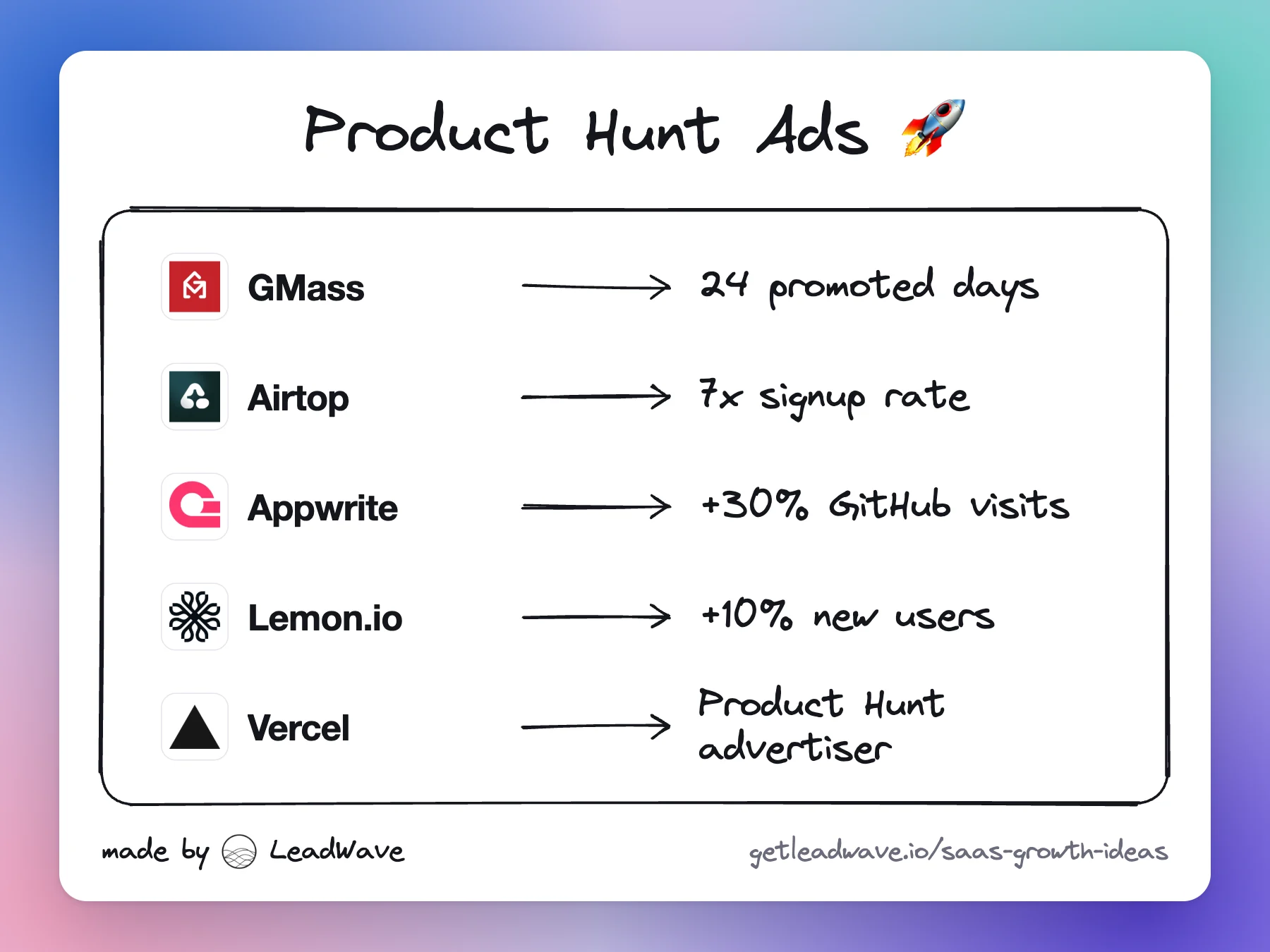
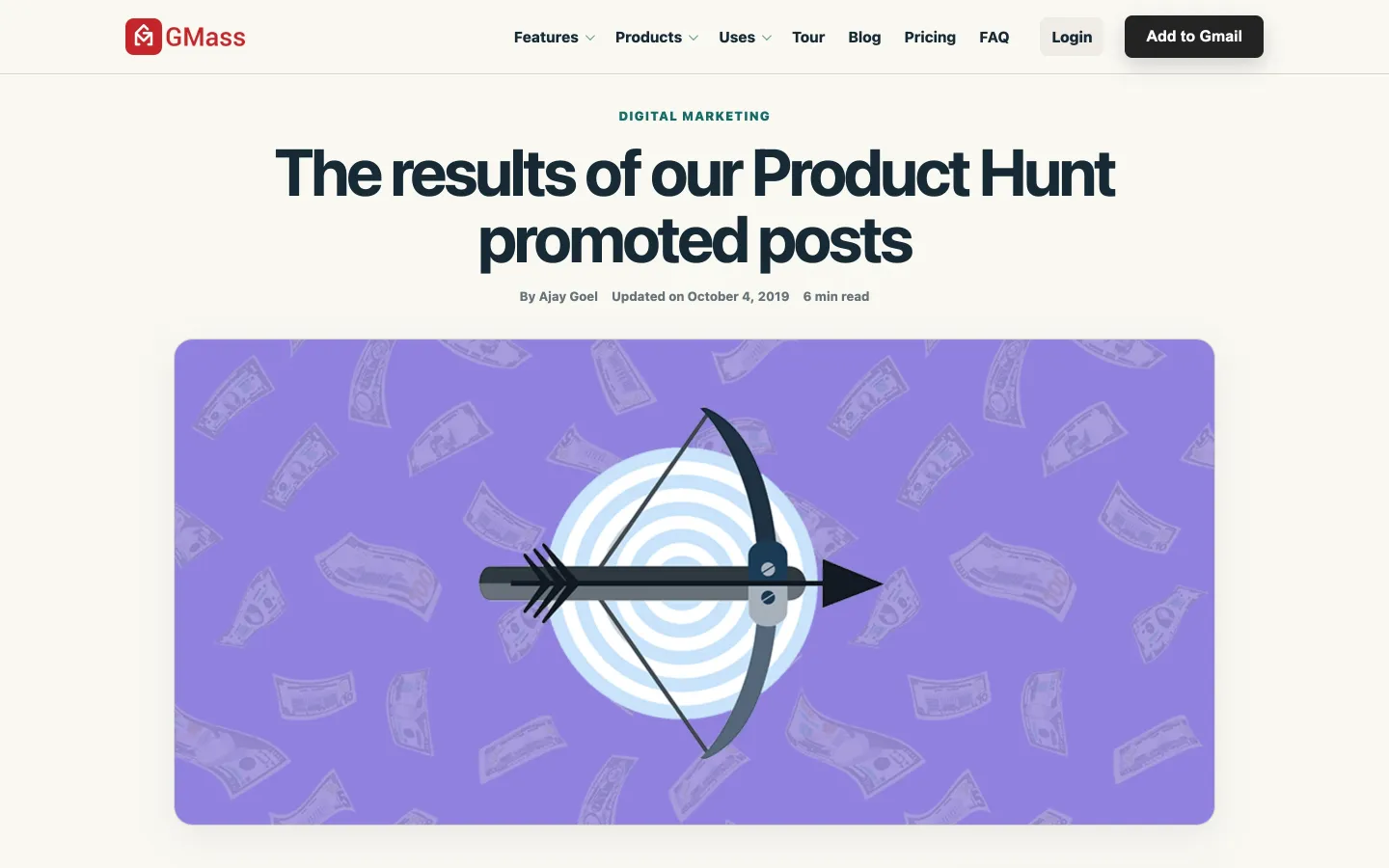
The most complete public numbers come from GMass, a Gmail mail-merge tool. In 2019 it bought 24 “promoted product” days over six months at $2,800 each, a total of $67,200. Those clicks created 498 accounts and 41 paid upgrades on an average plan of $16/month. The GMass founder put the cost at about $1,500 per paying customer against roughly a year of customer lifetime, and his answer to “was it worth it?” was “probably not”. He did credit the exposure: in comment threads on other products, people started asking “how is this better than GMass?”

Product Hunt's case studies are kinder but relative. Airtop says Product Hunt visitors were 7x more likely to sign up than visitors from its other paid channels. Lemon.io saw 10% more new users and 5% more leads, with its best lead-to-client rate of any paid campaign. Appwrite ran for awareness and got 30% more GitHub visits. These are vendor-published, and none gives a cost per customer, so treat them as a reason to test, not a forecast.

When it fails

  • The buyer isn't on Product Hunt. If the person who signs the contract is a CFO or a head of HR, an audience of builders produces clicks, not deals.
  • Low price, low conversion. GMass is the textbook case: an acquisition cost about eight times the first year of revenue.
  • Measuring clicks. A 1% CTR looks fine on the dashboard. Only signups that activate and pay tell you anything.
  • Sending traffic to the homepage. Product Hunt visitors expect to try the product right away. A demo-request wall loses most of them.
  • Too small a test. One week at a small budget gives you a few hundred clicks, not enough to judge a paid conversion rate.

What the best teams do differently

They tie the spend to a moment. A launch or a major release gives the ad something to point at, and Product Hunt lets you advertise with or without a launch. They pick the format for the job: display ads for signups, the newsletter for one sharp message to a large list, the billboard for a big day. They build a landing page just for this audience, often with a longer trial or a launch offer, and tag every link. And they compare the result with their other channels on the same metric, cost per paying customer, before they move to a $10,000 managed campaign.

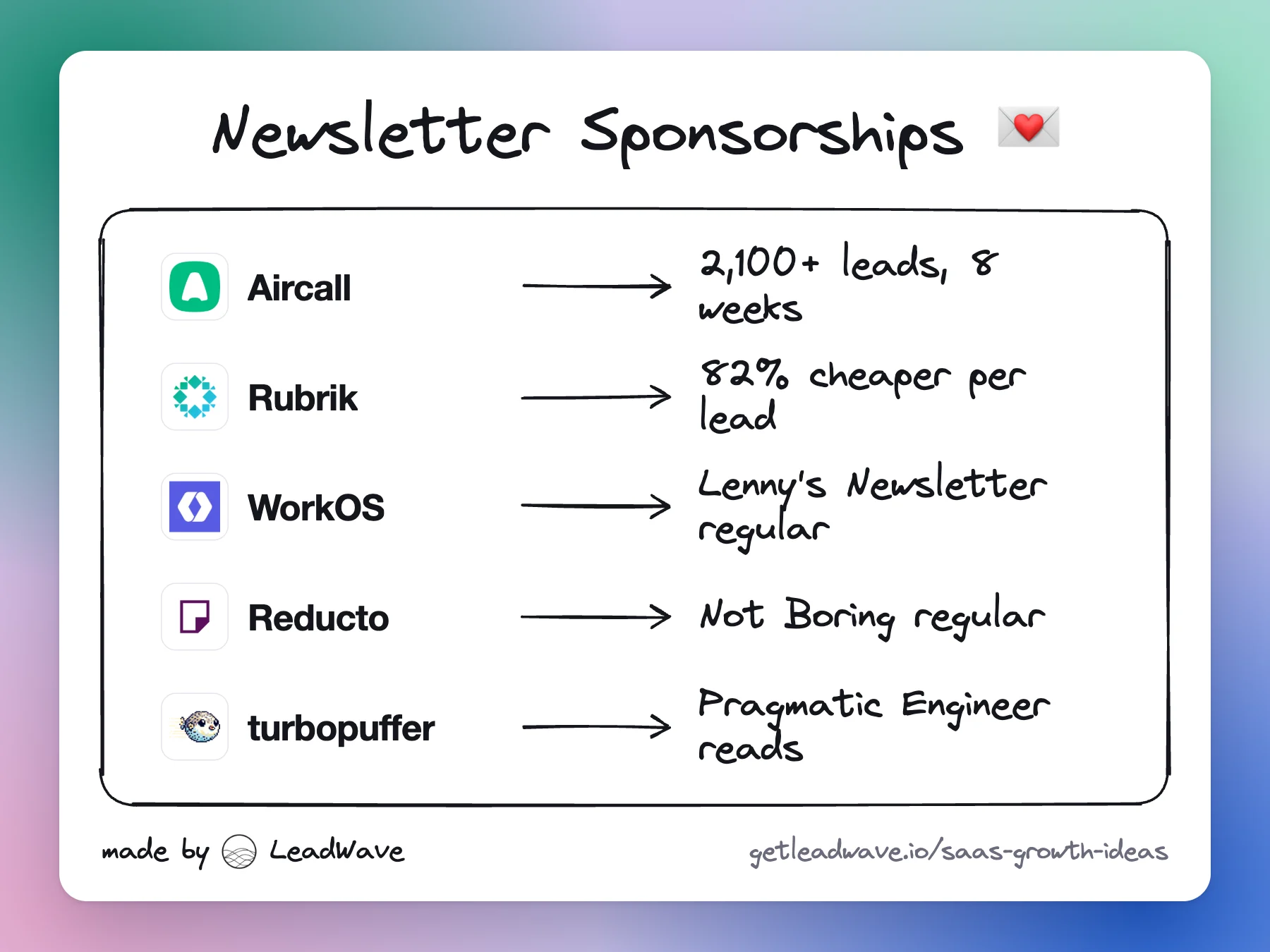
To buy a similar audience elsewhere, see newsletter sponsorships.
Product Hunt ads examples

  • GMass24 promoted product days

    Bought one promoted-product slot a week for six months in 2019, at $2,800 each ($67,200 in total). The clicks created 498 accounts and 41 paid upgrades on a ~$16/month plan, about $1,500 to $1,600 per customer, which the founder judged not worth it on acquisition cost alone.

    See it live

  • AirtopSignup-focused campaign

    The AI browser-automation company found Product Hunt visitors were 7x more likely to sign up, and 4x more likely to start the signup flow, than visitors from its other paid channels.

    See it liveSource

  • Lemon.ioLead-generation campaign

    The developer marketplace got 10% more new users and 5% more leads, and its Product Hunt leads converted to clients at the highest rate of any of its paid campaigns.

    See it liveSource

  • AppwriteBrand-awareness campaign

    The open-source backend platform ran ads to introduce the product, not to drive signups, and measured it on attention: 30% more GitHub visits and 3x more online mentions.

    See it liveSource

  • VercelProduct Hunt advertiser

    Named on Product Hunt's sponsor page as an advertiser. A developer platform with a free tier is the clearest fit for the channel: the reader who clicks is the person who deploys.

    See it live

  • ElevenLabsProduct Hunt advertiser

    Named on Product Hunt's sponsor page as an advertiser. An AI voice tool you can try in the browser in a minute, sold self-serve before sales: the profile that turns Product Hunt clicks into usage.

    See it live

  • Wispr FlowProduct Hunt advertiser

    Named on Product Hunt's sponsor page as an advertiser, and also one of the site's trending products. Pairing paid placements with an organic presence on the same site keeps the brand in front of the same builders.

    See it live

Product Hunt ads in screenshots

From LeadWave’s own collection, saved as we found them since 2022. Some of these pages have changed since.

  • A promoted listing in Product Hunt's feed: Secureframe
    A promoted listing in Product Hunt's feed: Secureframe
  • Another promoted listing: folk
    Another promoted listing: folk

How to run it: the playbook

  1. Check the fit. Can one person sign up and see value without a sales call? Is that person a founder, engineer or product lead? If not, stop here.
  2. Pick the format for the goal. Feed display ads for signups, the newsletter for one message to a large list, the homepage billboard for a launch day. Tie it to a launch or major release if you have one.
  3. Start self-serve and small. A $1,000 budget at the $35 CPM cap buys at least 28,500 impressions. Run two ads with different hooks at once, since you can't edit an ad after it starts.
  4. Build a landing page for this audience. Send clicks to a page that lets people start right away, with a Product Hunt offer if you can afford one. Tag every link with UTMs.
  5. Measure past the click. Track signups, activation and paid conversion at 30 and 60 days, and work out the cost per paying customer.
  6. Compare, then scale or stop. Move to a managed campaign ($10,000 and up) or a newsletter package only if the cost per paying customer beats your other paid channels.

What to measure

  • CTR against Product Hunt's 1% average across campaigns
  • Cost per signup and cost per activated user
  • Paid conversion of Product Hunt signups against your baseline
  • Cost per paying customer against first-year revenue per customer (GMass: about $1,500 against roughly $192)
  • Branded search and direct traffic during the flight, for awareness campaigns

Pitfalls

  • Advertising to builders when the buyer is someone else
  • Judging the campaign on CTR instead of paid conversions
  • Landing on a demo-request form instead of a signup
  • A low-priced plan that can't recover a $3 to $4 click
  • Running one small flight and calling the channel dead or proven

Frequently asked questions

Sources

More SaaS growth ideas

All growth ideas
  • Acquisition

    Newsletter sponsorships

    Rent the inbox of a newsletter your buyers already trust. Aircall got 2,100+ leads at a $1.96 CPC; the best sponsors buy the same newsletter for months.

    Impact HighEffort Medium9 examples
    Read the tactic
  • Acquisition

    Feedly ads

    A native ad in Feedly readers' feeds. It still exists in 2026, but Feedly's focus has moved to threat intelligence, so test small and ask hard questions.

    Impact LowEffort Low6 examples
    Read the tactic
  • Acquisition

    Build in public

    Share revenue, decisions and mistakes in public so the founder's audience becomes your first channel. Best for founder-led, self-serve SaaS.

    Impact HighEffort Medium10 examples
    Read the tactic