Easter Eggs and Mini Games in B2B SaaS: 9 Examples and When They Pay Off
Hide a small surprise in your product or site that users discover, remember and show to colleagues. Cheap brand memory, not a growth engine.
Impact
Low
Effort
Low
Time to results
Days
Budget
None needed
Team
Engineering
Tools for this growth idea
FigmaDesign the hidden moment
ClaudeBuild a small game or animation quickly
AmplitudeCount how many people find it, and share it
Why a hidden feature can help a serious product
Most B2B software is forgettable. An easter egg (a hidden message, animation or game that appears when you do something specific) is one of the few cheap ways to make people feel something in a work tool, and feelings are what people remember and talk about.
The mechanics:
Surprise makes it memorable. A reward you didn't expect sticks better than one you did. Asana's celebrations don't appear every time you complete a task, only now and then, which is why people notice them.
It gives people a story to tell. “Have you seen what happens when you…” is word of mouth in its purest form, and it usually comes with a screenshot.
It shows craft. Sherpany, which sells meeting software to executives, says its Breakout easter egg shows off the product team's skills; the team built it in four days during time set aside for side projects. That matters for recruiting as much as for customers.
Be realistic about the impact: an easter egg won't fill a pipeline. It makes the product a little more lovable for the people already using it, and occasionally gets shared.
Five kinds that work in B2B
Reward moments. Something nice happens when the user finishes a job: Asana's unicorn, narwhal, phoenix and yeti fly across the screen after a task; Superhuman shows a full-screen photo when you reach Inbox Zero.
Hidden games. A small game built from the product's own parts. Sherpany's meetings are organized as cards that look like bricks, so its game is Breakout, and you smash bad meetings. Google turned Chrome's offline error page into the dino game, which at one point was played 270 million times a month.
Marketing-site games.Lavender's homepage has an email-writing game with a score, a leaderboard you join with your LinkedIn profile, a share button and a “Try Lavender for free” call to action. That is an easter egg doing lead capture.
Error pages. GitHub's 404 page quotes Star Wars (“This is not the web page you are looking for”), turning a dead end into a smile.
Waiting states. Slack used to show friendly loading messages, then removed them in 2019 because Slack loaded too quickly for them to be readable. A useful lesson: delight should never be a reason to keep something slow.
How to design one that gets shared
Tie it to the job. The best ones use the product's own objects (Sherpany's meeting cards) or moments (a finished task, an empty inbox). A random game says nothing about your product.
Make it findable, not accidental. A shortcut, a click on the logo, a typed command. It should never fire in the middle of real work.
Let people turn it off. Asana users asked how to remove the unicorns; celebrations are a setting in Asana's display preferences.
Give it a shareable output. A score, a leaderboard, a screenshot-worthy screen. Lavender asks players to share their score with friends.
Help people find it. Asana launched new celebrations one per day and offered the first person to spot and screenshot each one a chance at a $500 team-lunch gift certificate. A hint in the changelog or a teaser post works too.
Timebox it. If it takes more than a few days, it is a feature, and it should compete with features on the roadmap.
When to skip it
Enterprise and regulated buyers. Microsoft's Larry Osterman explained that the Windows team's no-easter-eggs policy comes from Trustworthy Computing: customers must be able to trust that there is “absolutely NOTHING on your computer that isn't planned”. If your buyer runs security reviews, document the egg or leave it out.
The core product is struggling. A game on top of slow pages and open bugs reads as misplaced priorities.
It hurts speed or accessibility. Heavy animations, motion without a reduced-motion fallback, or sounds in an office tool.
It clashes with the brand. Playful works for Asana or Lavender. It may not work for payroll or compliance software.
Easter eggs examples
AsanaFlying celebration creatures
Completing tasks sometimes sends a unicorn, narwhal, phoenix or yeti across the screen. It began as an April Fool's joke; Asana kept it because users loved it and made it a display setting.
Sherpany's leadership-meeting software hides a Breakout game where meeting cards are the bricks. The product team built it in four days during its Engineering Lab time.
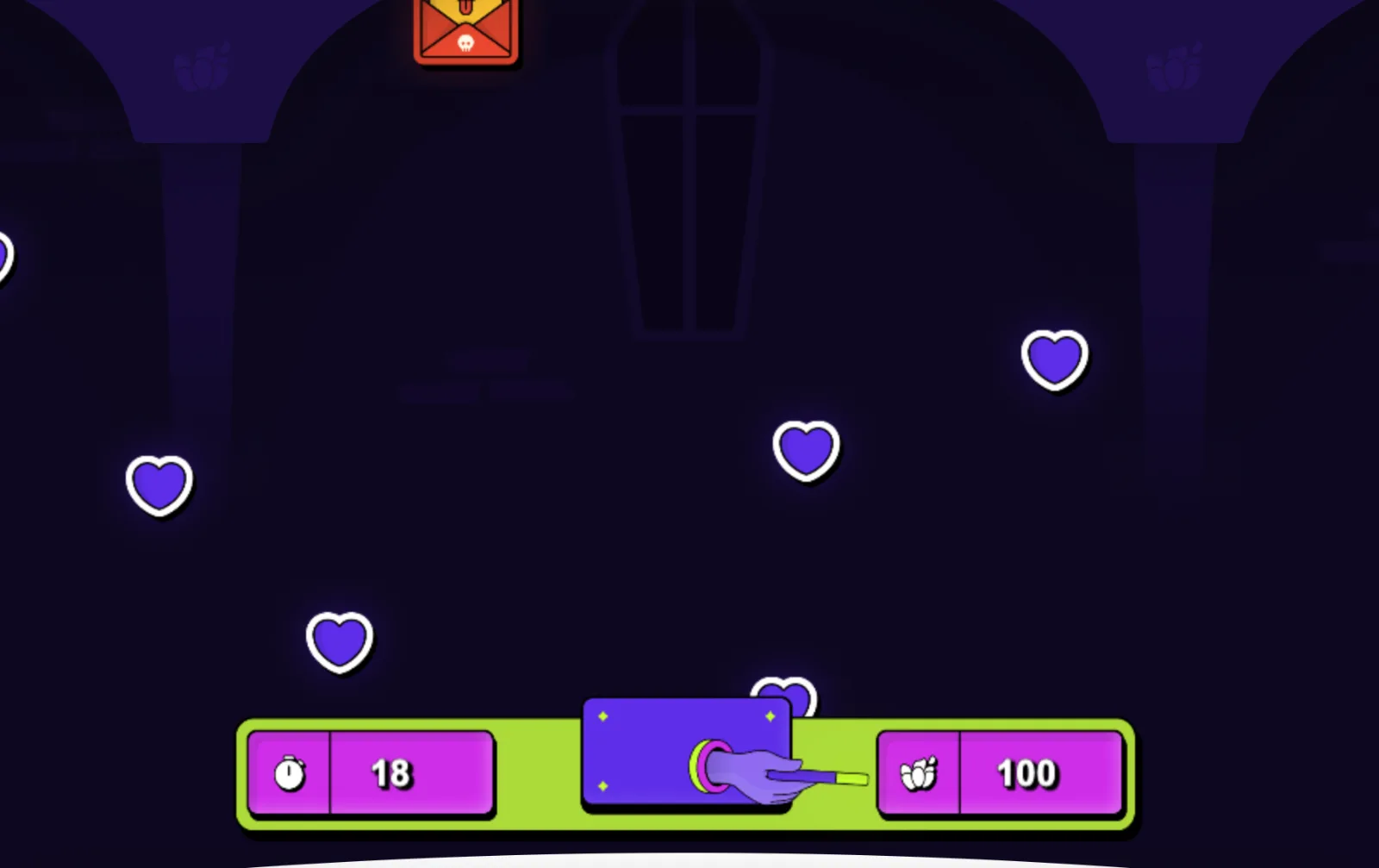
Lavender's homepage game scores your sales-email skills, puts you on a leaderboard if you add your LinkedIn profile, prompts you to share your score, and ends with “Try Lavender for free”.
Chrome's no-internet page hides a running T-rex game. In 2018 Google said it was played 270 million times a month, mostly in markets with unreliable or expensive mobile data.
The counter-example: the Windows team banned easter eggs under Trustworthy Computing, arguing that if developers can sneak in a harmless egg, customers can't be sure nothing worse was snuck in.
From LeadWave’s own collection, saved as we found them since 2022. Some of these pages have changed since.
Lavender's mini game: catch the hearts
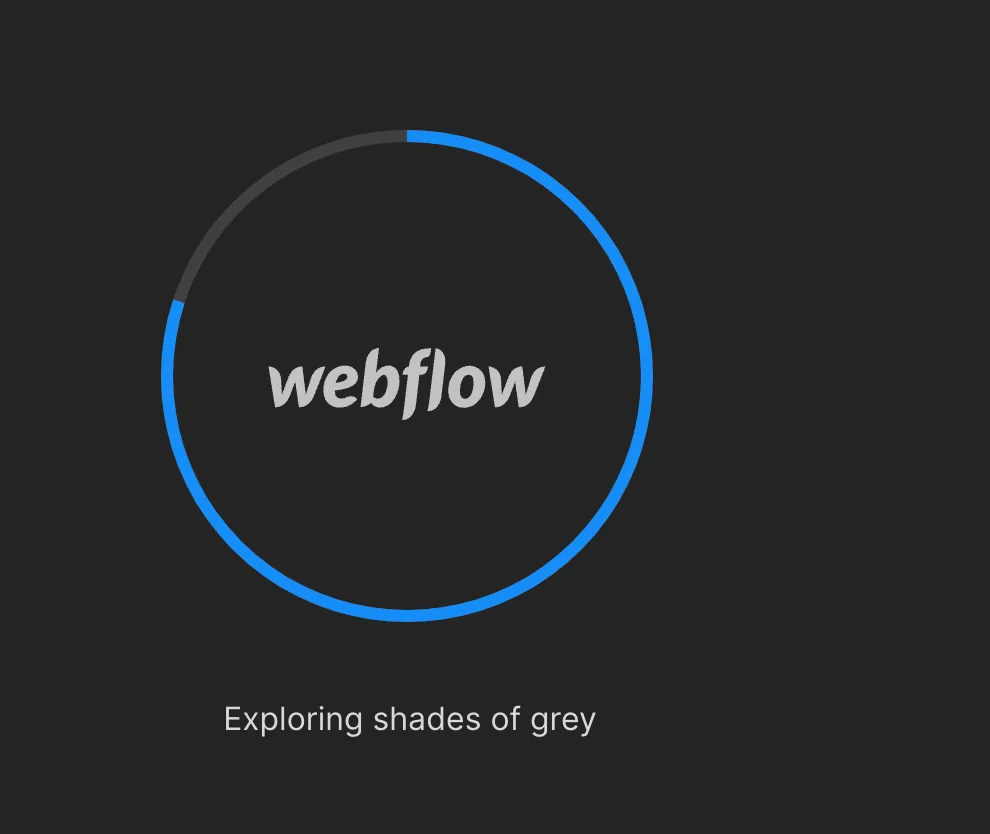
Webflow's loading message: “Exploring shades of grey”
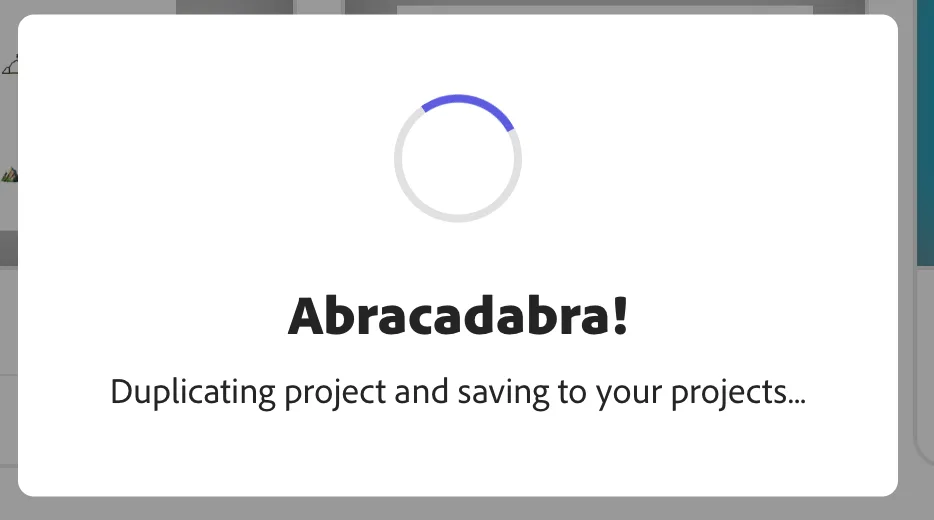
A loading message with a wink: “Abracadabra!”
How to run it: the playbook
Pick the moment.A success (task done, deal won, inbox empty), a wait (loading, export), an error (404, offline) or an idle state. Success moments are the safest bet.
Use your product's own objects.Brainstorm ideas that only make sense in your product, like Sherpany's meeting cards as Breakout bricks.
Timebox the build.Give it a few days of hack time. If it needs more, it has become a feature and should be prioritized like one.
Make it safe.Add an off switch, respect reduced-motion settings, keep it light, and write it down for security reviewers.
Add a share hook.A score, a screenshot-worthy screen or a share button, so the people who find it can show it off.
Seed the discovery.Hint at it in the changelog or a social post, or run a “first to find it” contest like Asana did.
What to measure
Share of active users who trigger it at least once
Mentions, screenshots and shares on social
Complaints and support tickets about it (should be near zero)
For site games: completion rate, leaderboard entries and sign-ups from the game's call to action
Pitfalls
Firing during real work, so it interrupts instead of delights
No way to turn it off
Slowing the product down or ignoring reduced-motion settings
Undocumented behavior that fails an enterprise security review
Spending weeks of engineering on a joke while core bugs wait
Frequently asked questions
A hidden message, animation or game that appears when a user does something specific, like a key combination, a search phrase or clicking a logo. The name comes from easter egg hunts: you have to find it.
Yes. Asana's celebration creatures, Sherpany's Breakout game for meetings, Superhuman's Inbox Zero photos and GitHub's Star Wars 404 page are all in work tools.
The egg itself is usually harmless, but undocumented code is a trust problem. Microsoft banned easter eggs from Windows for that reason. If you sell to enterprises, document it and make it optional.
Chrome's offline dino game and Google's “do a barrel roll” search are among the best known. In work software, Asana's flying unicorn is the classic example.
Pick a trigger (a logo click, a key sequence or a hidden link), show something small and on-brand, and give it a share button or a call to action. Keep it light so it doesn't slow the page down.
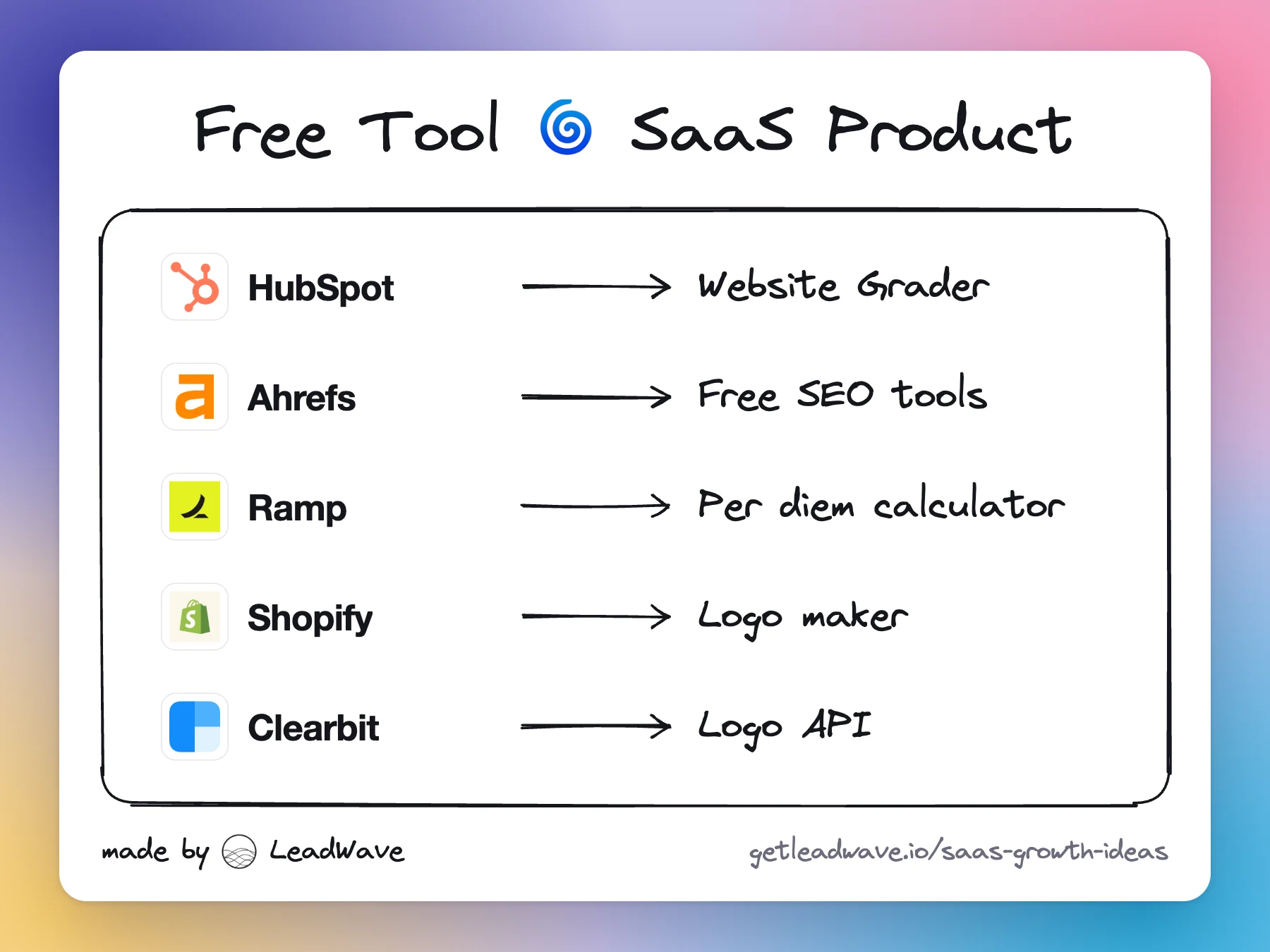
Build a small free tool that does one job your buyers already search for. It ranks, earns links, collects leads and shows off the paid product in seconds.