

Why integration marketplaces work
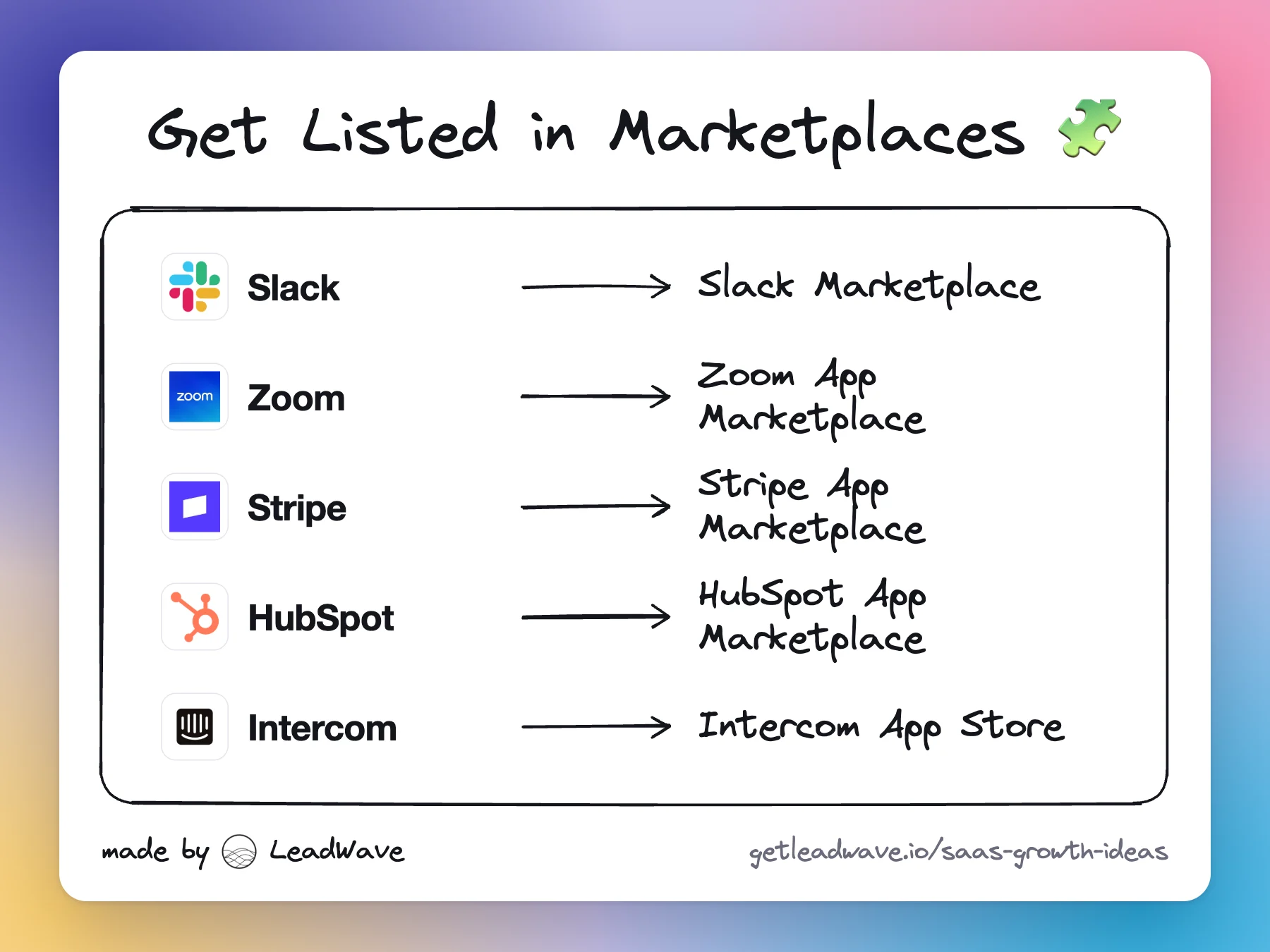
Every big SaaS platform runs a store for the apps that plug into it: Slack, Zoom, Stripe, HubSpot, Intercom, Salesforce, Atlassian, Shopify, Microsoft Teams, Google Workspace. A listing there does two jobs.
Discovery. People browse the marketplace of a tool they already pay for when they want it to do more, so they arrive with a problem and a budget. Listings also rank in Google for searches like "HubSpot Calendly integration", which reach buyers comparing tools.
Retention. Once your product is wired into a customer's CRM, chat or billing, it's part of their workflow. Removing it means rebuilding the workflow, so integrated customers stay longer.
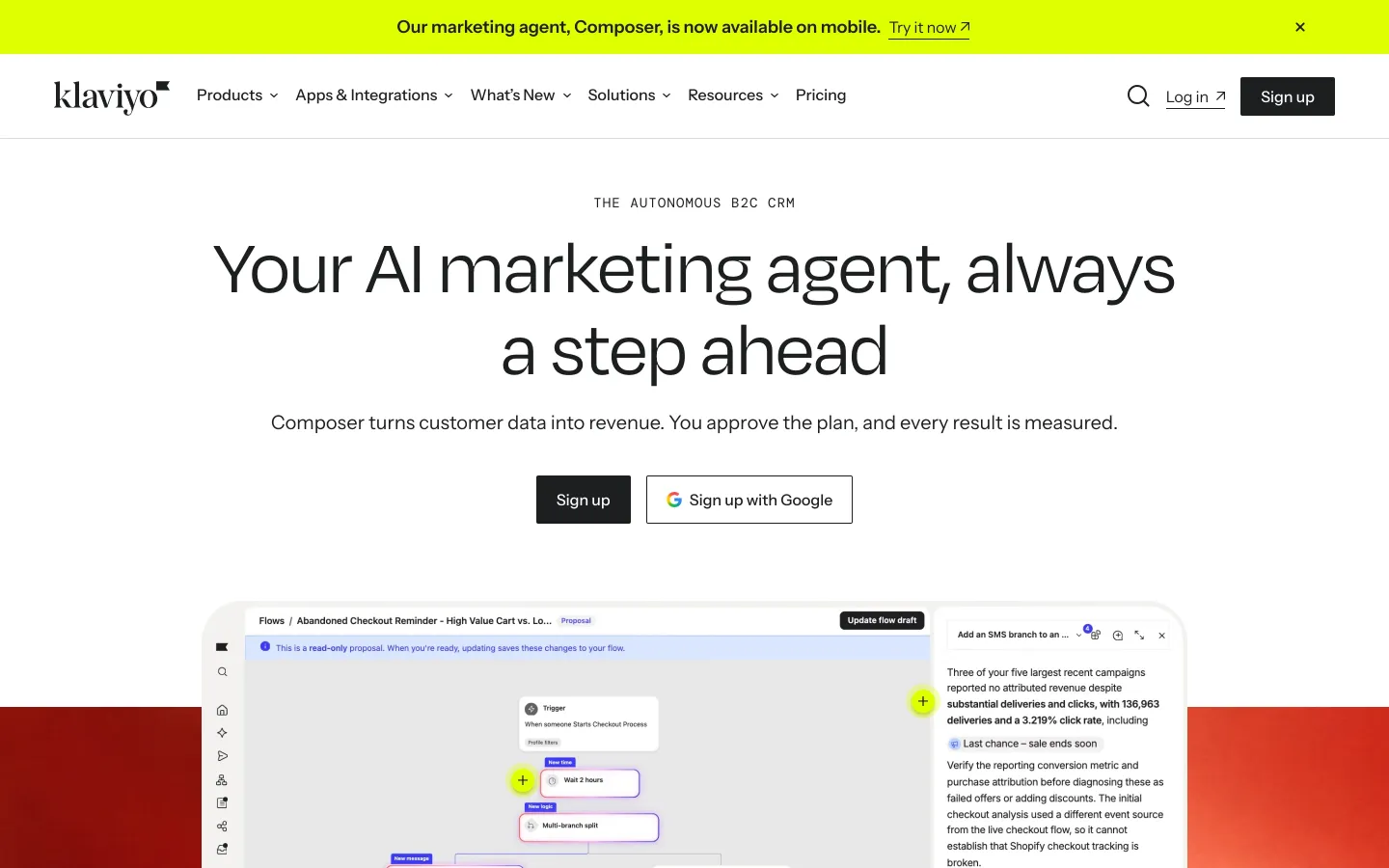
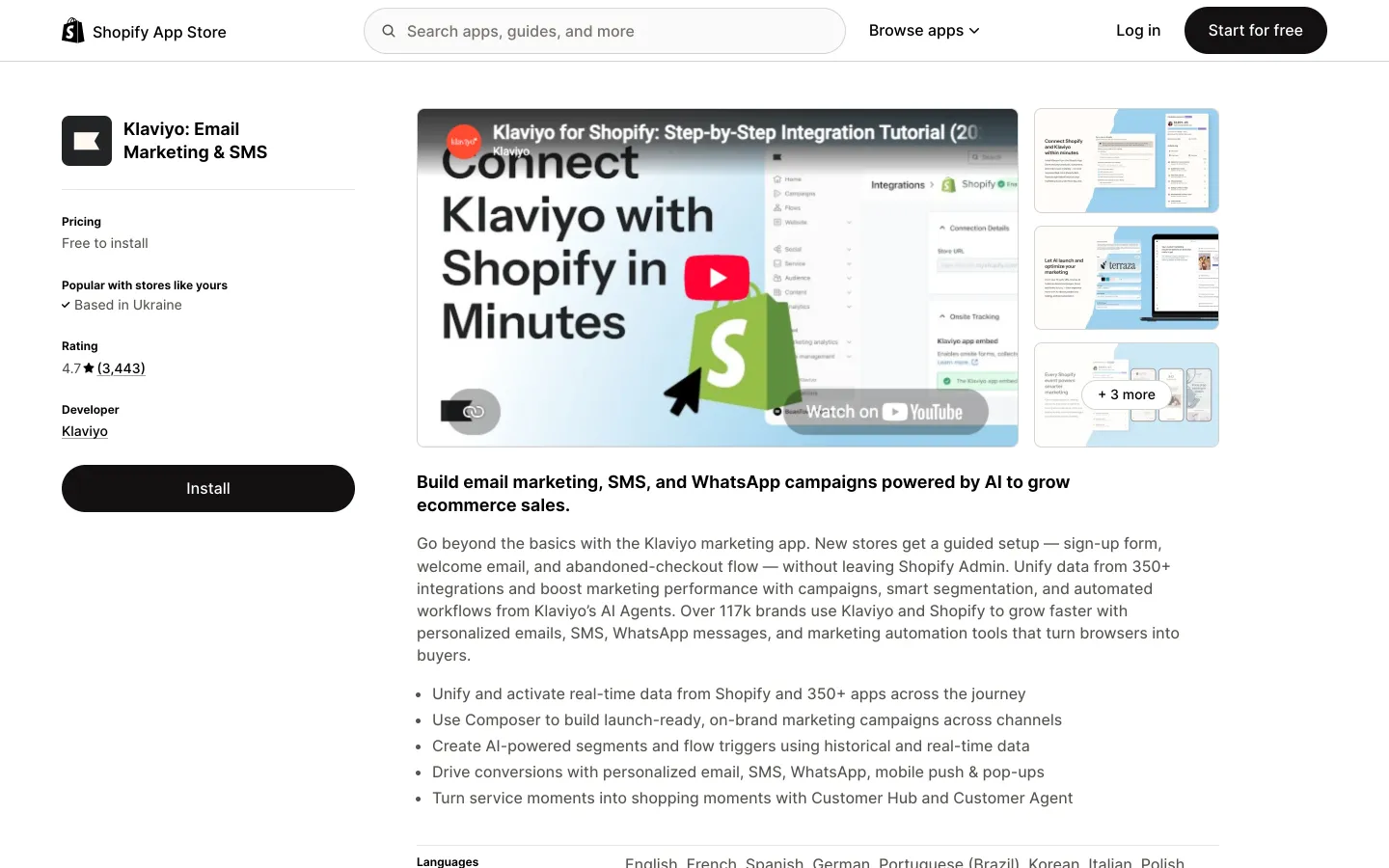
The clearest public number comes from Klaviyo's IPO filing. About 10.6% of its new ARR in 2022 came from customers who installed Klaviyo through Shopify's App Store, and about 77% of its ARR came from customers on Shopify (Klaviyo S-1). The filing adds that most of those customers came through Klaviyo's own inbound and marketing: the integration made it the default choice for Shopify stores, and the marketplace was one door among several.
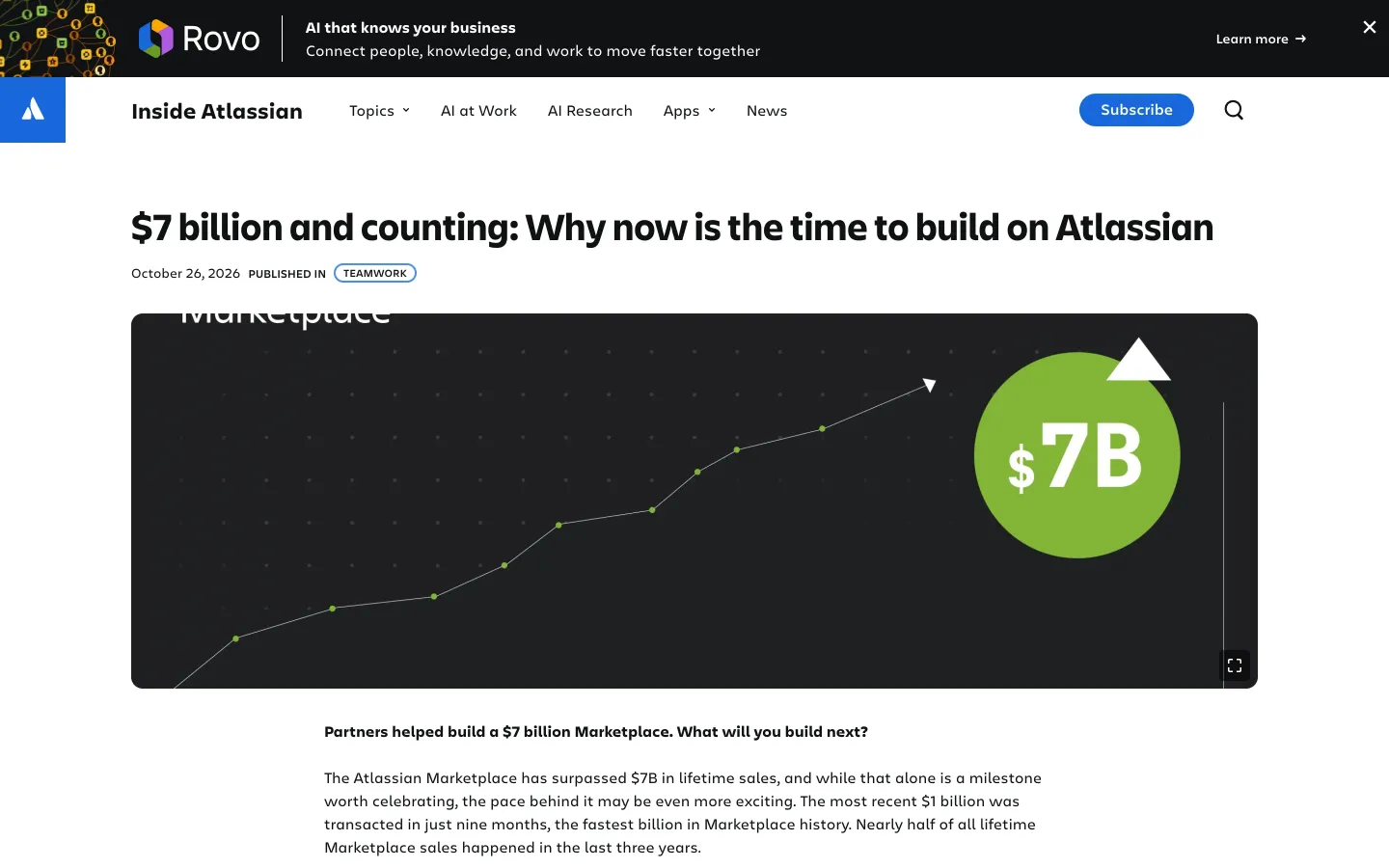
The marketplaces themselves are large. Atlassian's passed $7 billion in lifetime sales for its partners in October 2026, with the latest billion in nine months and nearly half of all sales in the last three years (Atlassian).
The marketplaces worth listing in
Choose by where your customers already work, not by how big the marketplace is. The main ones for B2B SaaS:
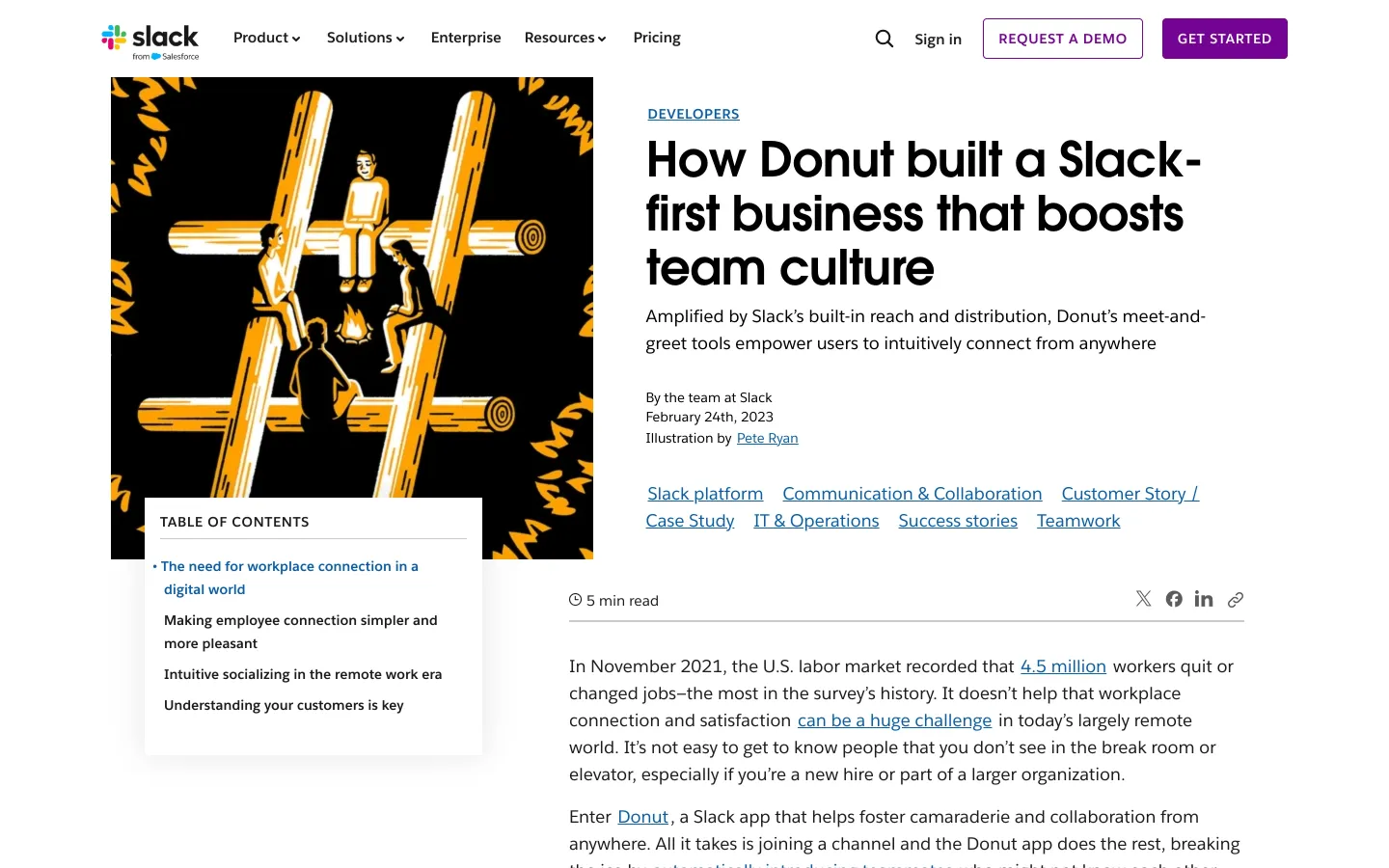
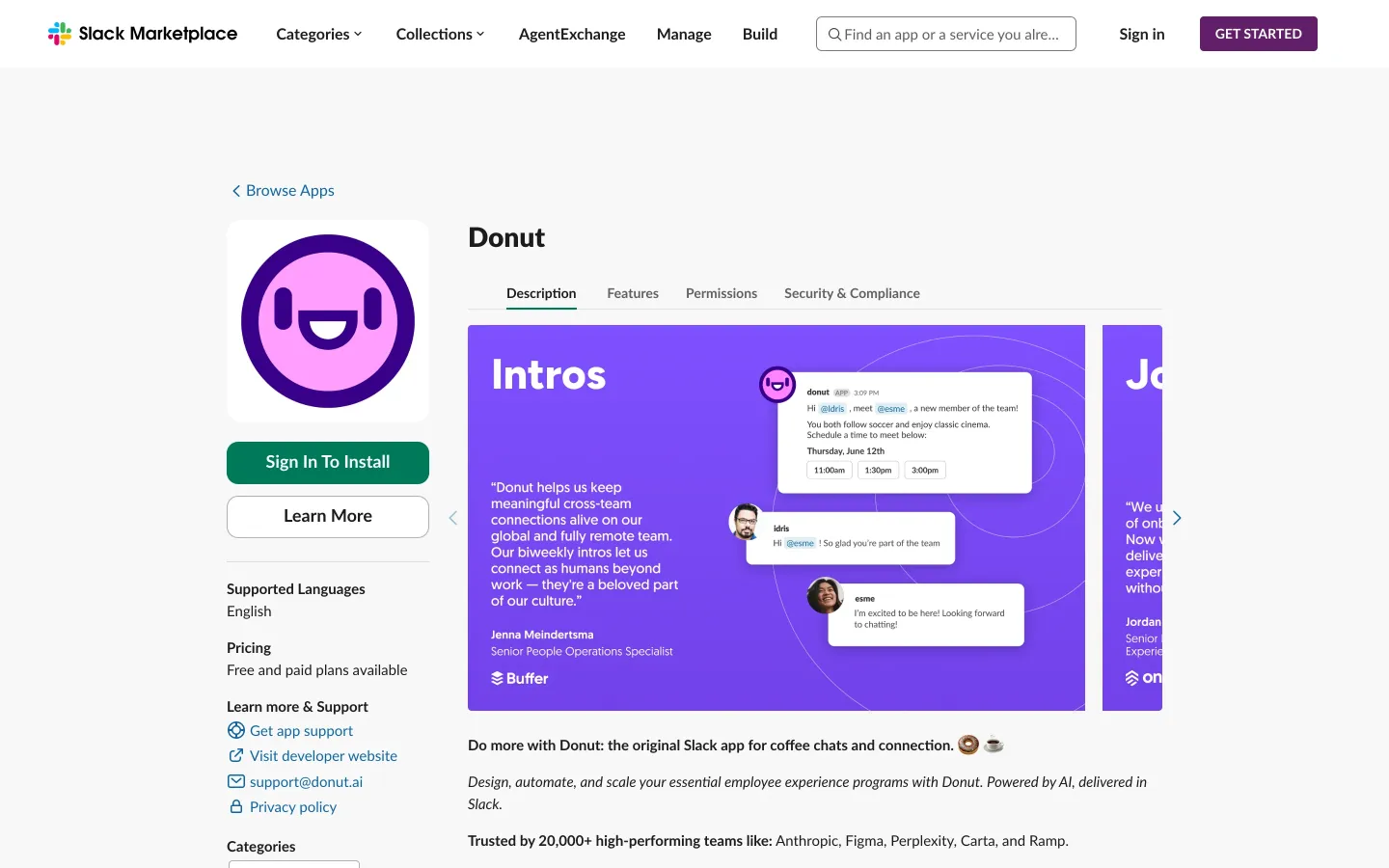
- Slack Marketplace: for anything a team does together. Donut, the coffee-chat app, built its business there: more than ten million connections across 20,000 companies since 2016, distributed through the directory (Slack).
- Zoom App Marketplace: meetings, sales calls, webinars and note-taking. It grew from 200 apps in 2020 to more than 1,000 in 2021 (Zoom) and about 3,100 by January 2026 (Search Engine Land).
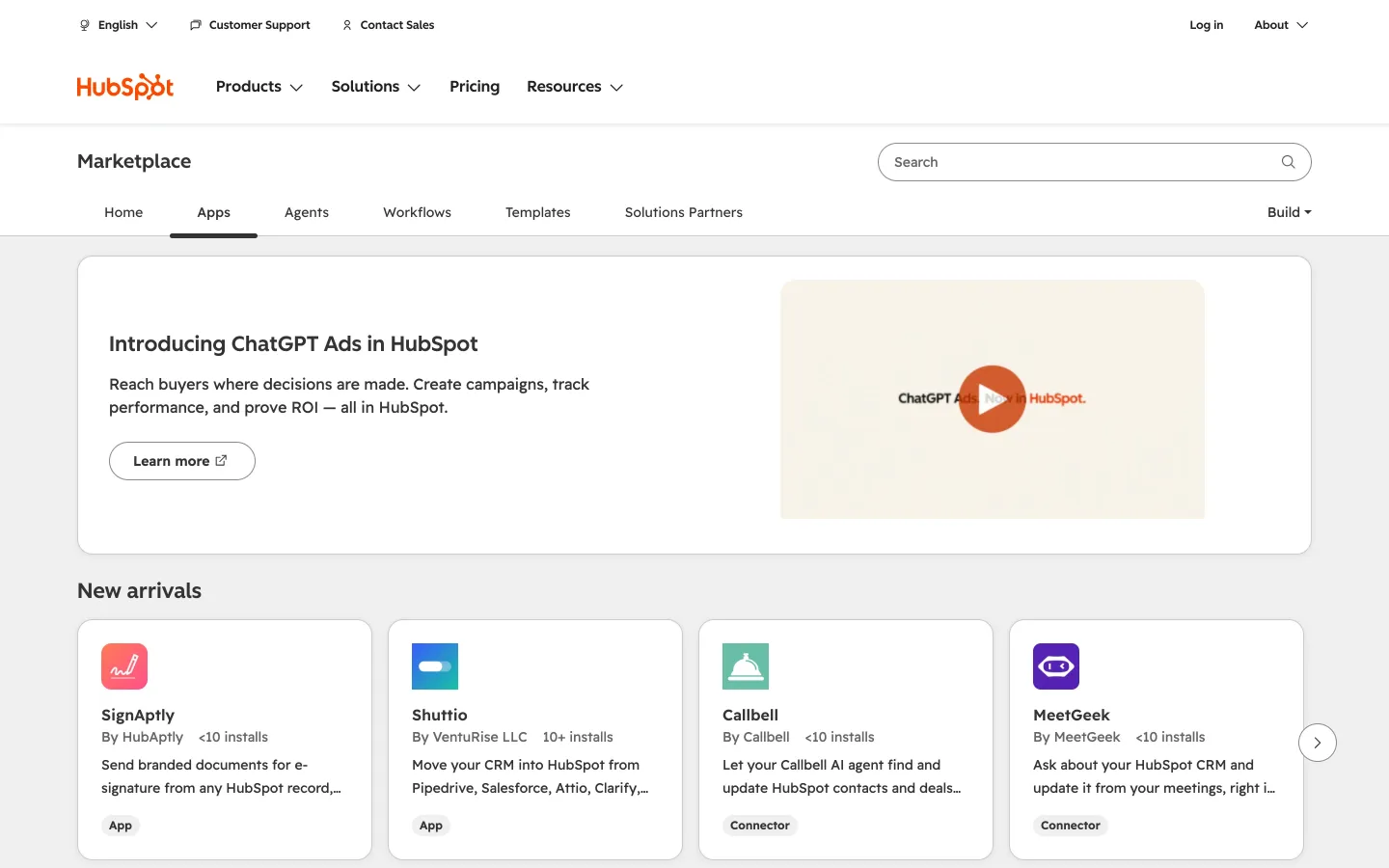
- HubSpot App Marketplace: sales and marketing tools. HubSpot reports 2,000+ apps and 2.5M+ active installs (HubSpot).
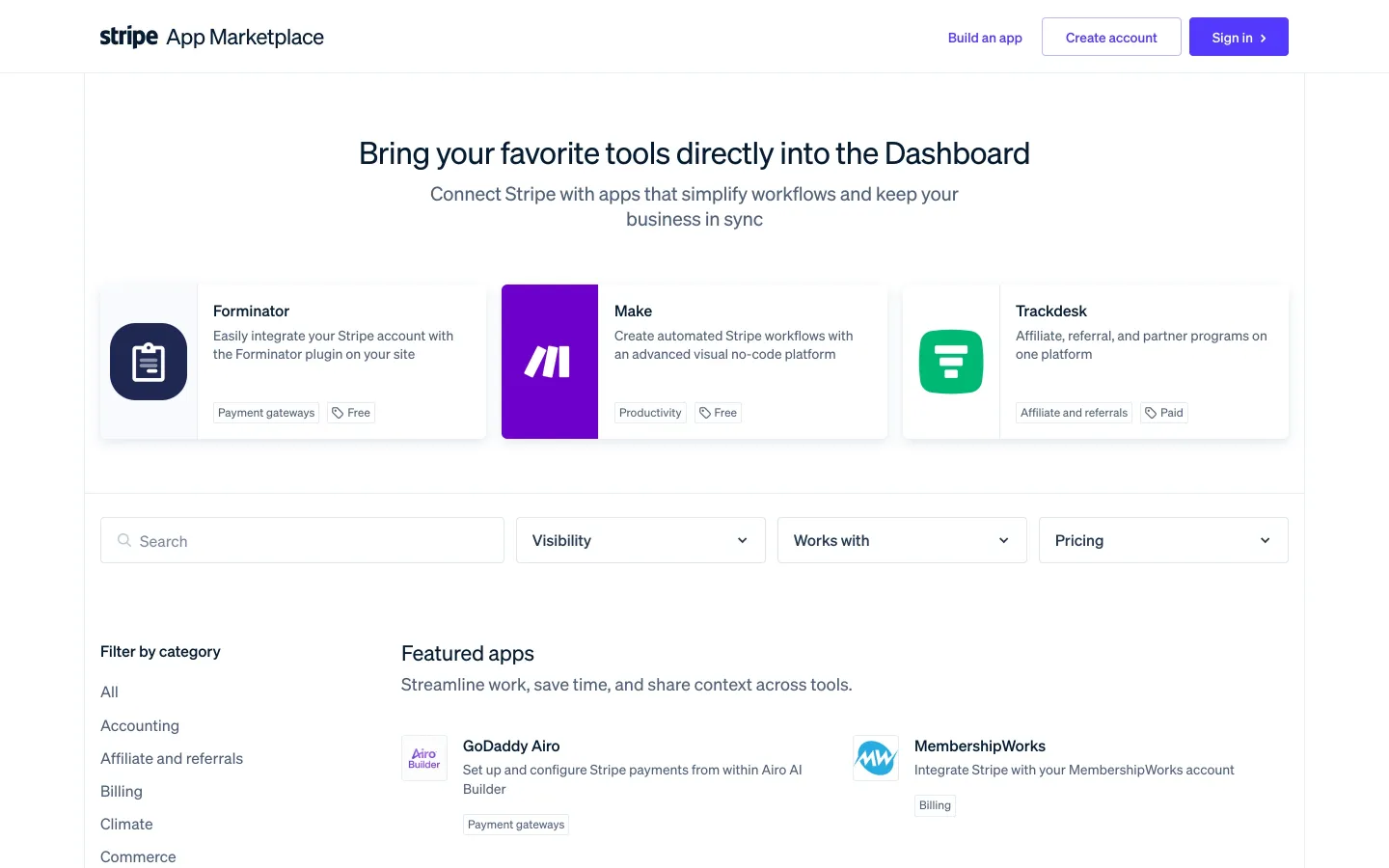
- Stripe App Marketplace: billing, finance, CRM and support tools that use payment data. It launched in May 2022 with 50+ apps including DocuSign, Dropbox, Intercom, Mailchimp, Ramp and Xero (Stripe).
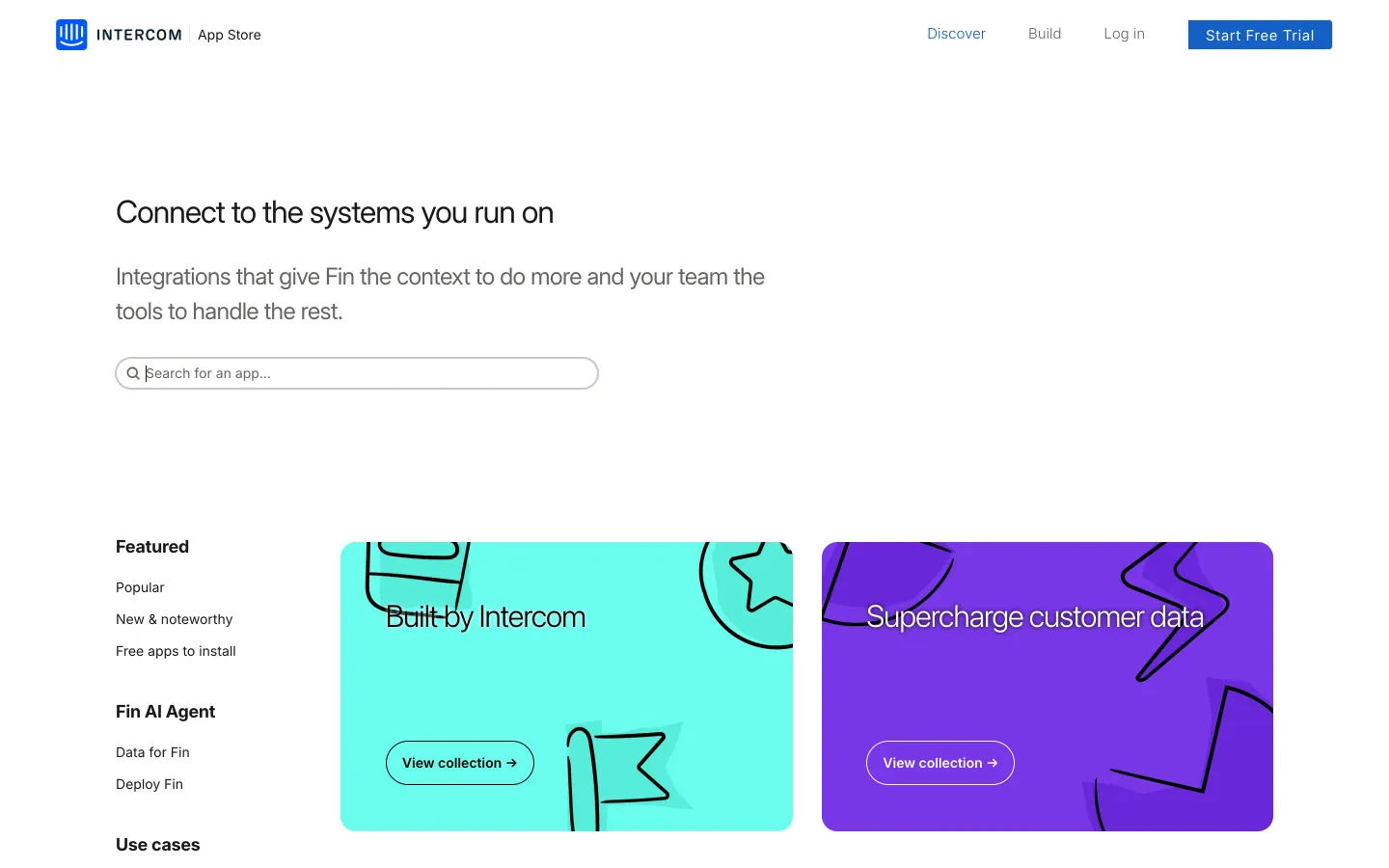
- Intercom App Store: support, data and messaging tools that work next to Intercom's inbox and its Fin agent.
- Salesforce AppExchange, Atlassian Marketplace, Shopify App Store: the largest and most formal, with security reviews, partner programs and revenue share on paid apps.
- Microsoft Teams, Google Workspace, Trello Power-Ups, Zapier: wide reach for horizontal tools; Zapier also connects you to thousands of apps at once.
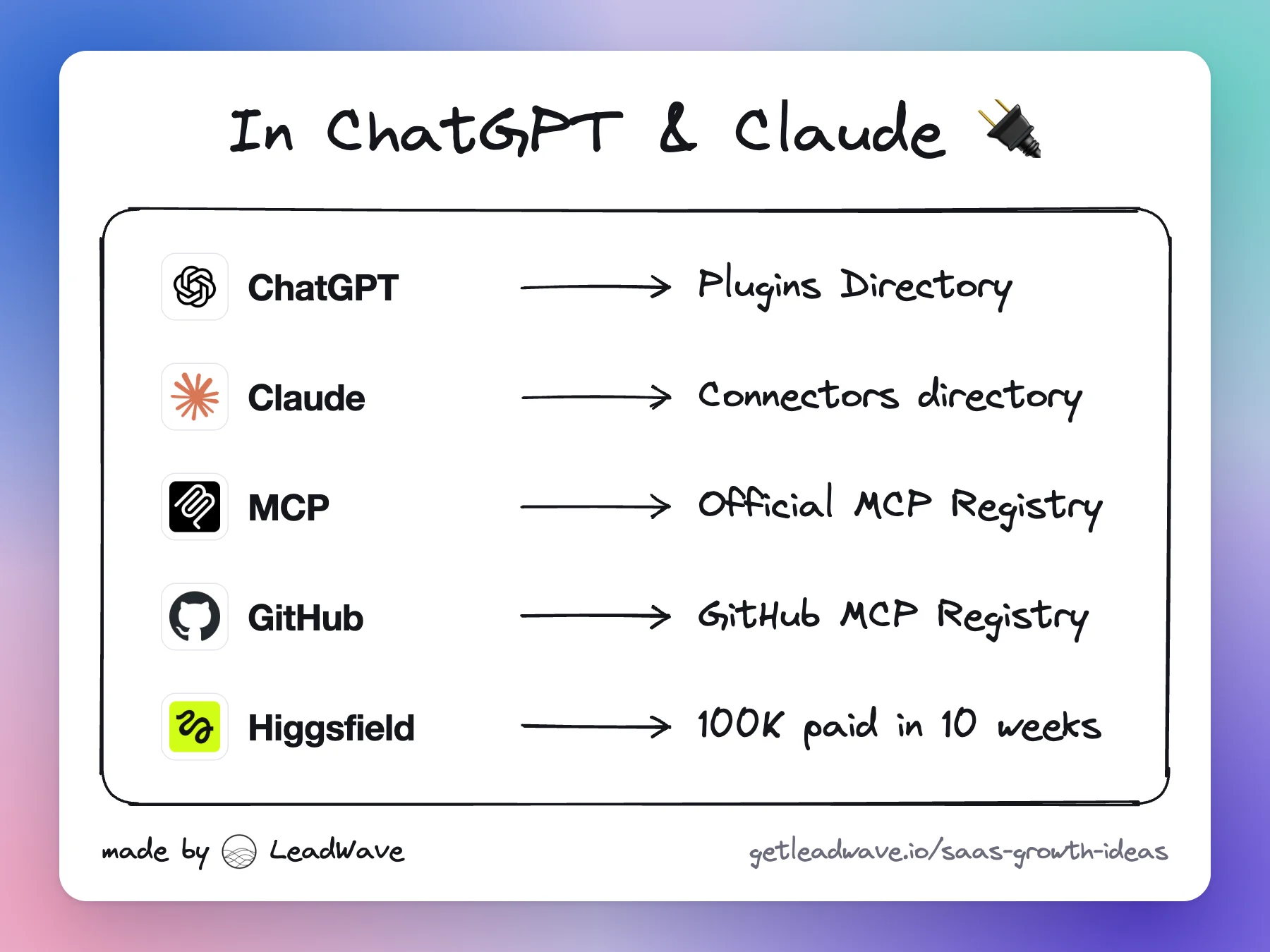
The AI assistants have stores of their own now; see AI app directories for ChatGPT, Claude and MCP registries.
Build an integration worth installing
A listing only works if the integration does something the customer would otherwise do by hand. The good ones share a pattern:
- Data flows both ways. Your product reads from the platform and writes back to it: a call recorder that logs notes to the CRM, a billing tool that syncs Stripe customers, a survey tool that tags Intercom users.
- It works inside the host. A Slack command, a Zoom app in the meeting, a card in the HubSpot record. The less people switch tabs, the more they use it.
- Setup takes minutes. One-click OAuth, sensible defaults, no CSV imports. Every extra step loses installs.
- It's free to install. Charge for your product, not the connection. Most top listings say "free to install" or "free plan available" up front.
Before building, ask your customers which tools they'd connect first, and check what competitors already list in each marketplace. An empty category is an opening; a crowded one needs a sharper angle.
Make the listing convert
Treat the listing as a landing page that sits where your buyers already are:
- A name and first line with the job, not the brand. "Meeting notes in your CRM" beats "Acme for HubSpot".
- Screenshots and a short video of the integration working inside the host product. Klaviyo's Shopify listing leads with a setup tutorial.
- Reviews. Ask happy customers to review you in the marketplace, not only on G2. Ratings and install counts sit on every card.
- Social proof that names customers. Donut's Slack listing says it's "trusted by 20,000+ high-performing teams like Anthropic, Figma, Perplexity, Carta, and Ramp".
- Partner programs. Most marketplaces rank and promote partners by installs and quality. Stripe, for example, makes an app with 2,000 installs a Premier Partner, which unlocks promotion in the Stripe Dashboard, onboarding flows and Stripe's emails (Stripe docs). Apply for co-marketing, featured collections and launch announcements.
Then send your own users there. Link the listing from your integrations page, your onboarding and your changelog: installs and reviews from your own customers are what move you up the marketplace's rankings.
Use integrations to keep customers
The retention case is strong in vendor surveys, though the data is correlational. In Crossbeam's survey of 526 respondents, users with integrations enabled were on average 58% less likely to churn; ProfitWell's benchmark found products with at least one integration retained 10–15% better, and 18–22% better with four or more (Paragon's summary). Part of that is selection: engaged customers connect more tools. But the mechanism is real: each integration adds a reason to stay.
Turn it into a habit:
- Ask during onboarding. "Connect Slack" or "Connect your CRM" as an onboarding step, right after the first value moment.
- Track retention by integration use. Compare churn for customers with zero, one and several integrations, and find which one matters most.
- Win back with integrations. Customers who never connected anything are your churn risk; give customer success a list and a reason to call.
Where it fails
- A logo, not an integration. A listing that only links to your site gets few installs and bad reviews.
- No maintenance. Platforms change APIs, permissions and review rules. A broken integration is worse than none.
- Platform risk. The marketplace owner can build your feature into its product, change ranking, or take a revenue share on paid apps.
- Long tail. In a marketplace of thousands of apps, an unreviewed listing gets little traffic. Without your own users installing and reviewing, it won't rise.
- Counting installs, not use. Installs feel good; retention comes from integrations that are switched on and used.