

What a directory listing actually gets you
“Submit to 100 directories” is common launch advice, and most of it is wasted. A listing can do four different jobs, and each directory is good at one or two of them.
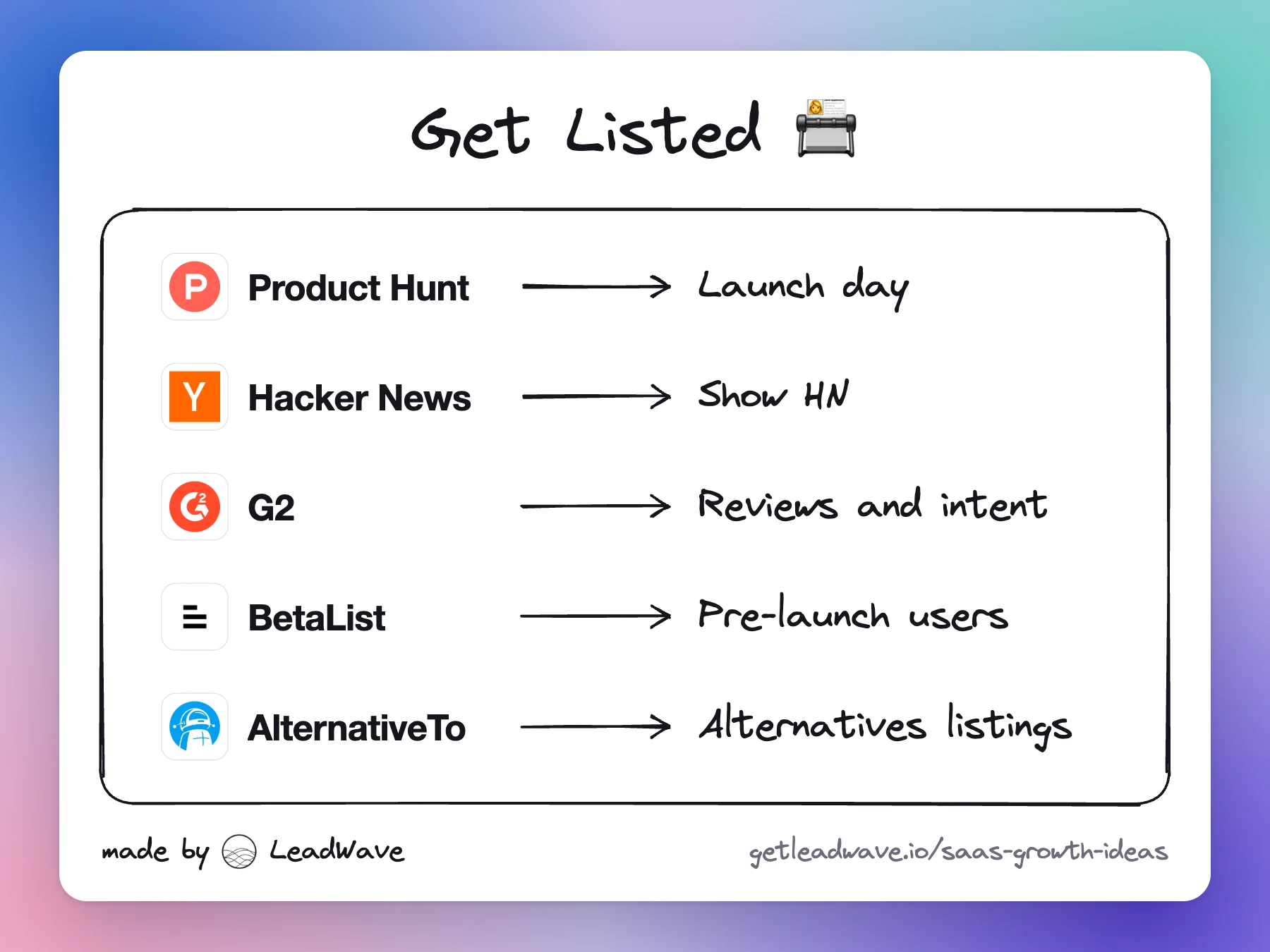
- Referral traffic. Launch platforms (Product Hunt, Hacker News, BetaList) send a spike of curious early adopters for a day or two. Review and alternatives sites (G2, Capterra, AlternativeTo, SaaSHub) send fewer visitors, but every month, and they arrive while comparing tools.
- Buyer intent. People on a review site are shopping. G2 shows vendors which companies view their profile, pricing or comparison pages, which turns a listing into a sales signal (see cold outreach).
- Backlinks. Most directories mark outbound links nofollow, ugc or sponsored. On the BetaList and Uneed listings we checked, the link to the product carries rel="nofollow". Google has treated these attributes as hints since 2019, so they can still count for something, but don't list anywhere for the link alone. What a listing on Product Hunt, G2 or Crunchbase does reliably is give search engines and AI models another trusted page that describes your company.
- AI-search citations. ChatGPT, Perplexity and Google's AI answers lean on review sites and directories when someone asks for “the best X for Y”. In a G2 analysis of 80,000+ products over 180 days, listings got 4.9 AI citations for every human pageview, and 80% of products were cited more often than they were viewed. If your product isn't on the sites the models read, it isn't in the answer.
The last point is why directories matter more in 2026 than they did a few years ago. A listing that sends ten visitors a month can still put you into hundreds of AI answers.
Launch platforms vs. review sites
These are two different plays with different timing.
Launch platforms (Product Hunt, Show HN, BetaList, Indie Hackers, Uneed, Peerlist, Microlaunch) are about one big moment. You get early adopters, feedback, press and a burst of signups, then traffic falls back. They reward new things, so a launch works best when the product is new or relaunched, and a good team relaunches major features again and again.
Review sites (G2, Capterra, GetApp, Software Advice, TrustRadius) are about the long tail. Buyers search them when they're ready to buy, compare you with competitors on the same page and read reviews from people like them. They pay off slowly and keep paying, but only once you have reviews. In January 2026 G2 agreed to acquire Capterra, Software Advice and GetApp from Gartner; together they reach more than 200 million software buyers a year and hold nearly 6 million reviews, so review strategy now mostly means one company's network.
Alternatives and AI directories sit between the two. AlternativeTo and SaaSHub list you next to the tools you replace, which catches people who already searched for a competitor. AI tool directories such as There's An AI For That and Futurepedia are where people look for AI products by task.
Rule of thumb: B2B SaaS with an established category should invest in review sites first. New products, developer tools and consumer-facing AI apps get more from launch platforms.
The directories that matter
Start with these, in roughly this order of value for a typical SaaS:
- G2. The biggest software review site, and a frequent source for AI answers about software. A free profile, real reviews and correct categories are the minimum.
- Capterra, GetApp and Software Advice. Now part of G2's network. Free listings, with paid placement by clicks.
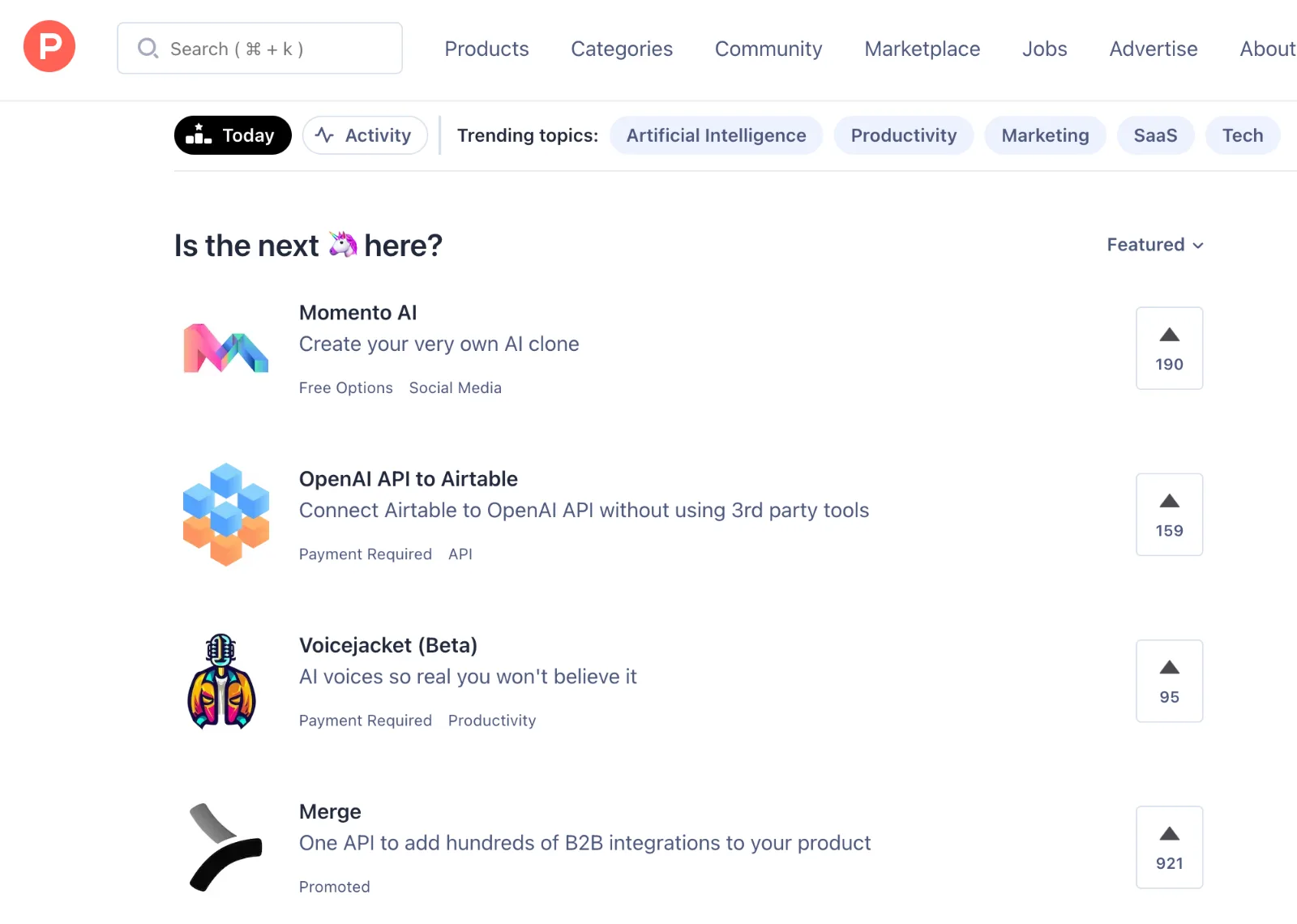
- Product Hunt. The biggest launch day. Best for products with a visual “aha” moment and a founder who can rally a community.
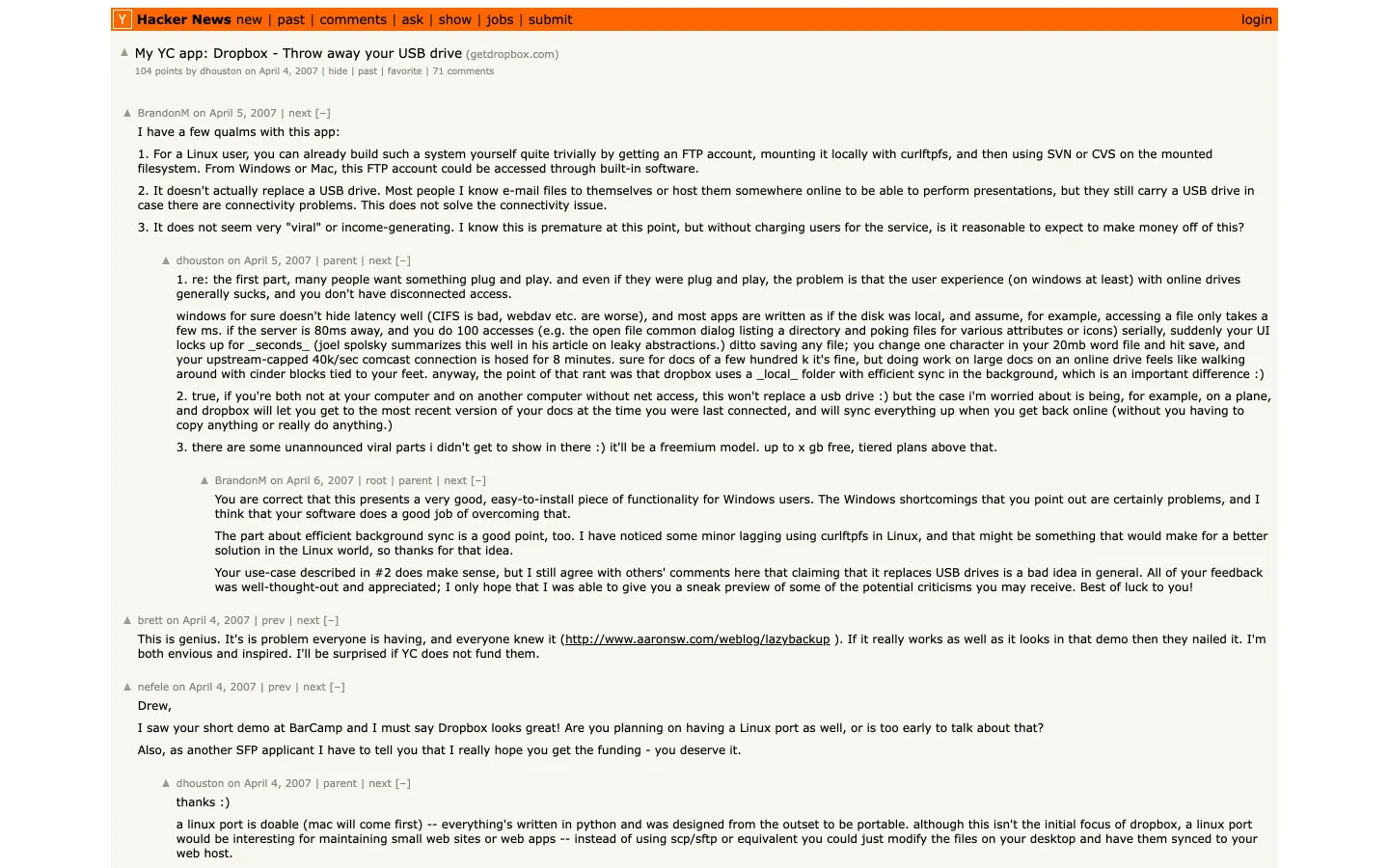
- Hacker News (Show HN). The best audience for developer tools and technical products, and the toughest crowd. Show HN rules: it must be something people can try, with no signup page or landing page in the way, and you can't ask friends to upvote.
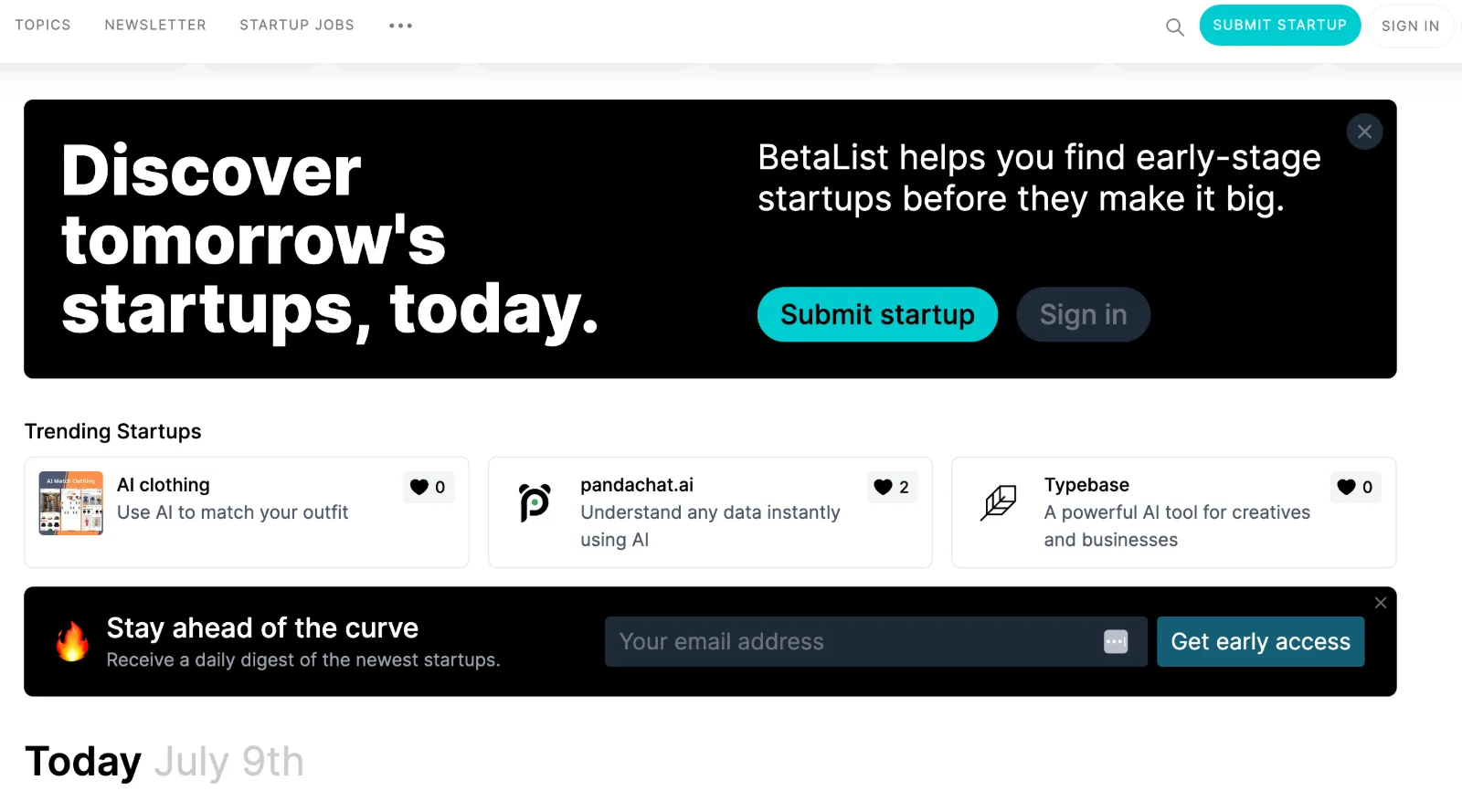
- BetaList. Built for pre-launch and early-stage startups collecting their first beta users.
- AlternativeTo and SaaSHub. List yourself as an alternative to the leaders in your category.
- Indie Hackers. A community with product pages; strong for bootstrapped and founder-led products.
- There's An AI For That, Futurepedia and other AI directories. For AI products, see the list of AI directories.
- Crunchbase and Wellfound. Not for buyers, but for investors, candidates, journalists, and data providers that copy their records.
For the full set, LeadWave keeps a list of 170+ SaaS directories with what each one is for.
How to prioritize
Score each directory on four questions before you submit:
- Do my buyers browse it? A developer tool belongs on Hacker News; an HR tool belongs on G2 and Capterra. Audience fit beats domain rating.
- Does it rank or get cited for my category? Search “best [your category] software” in Google and ask ChatGPT and Perplexity the same. Every directory that shows up is a priority.
- Can I keep the listing alive? A stale profile with old screenshots and no reviews works against you. Only list where you'll update the profile and answer reviews.
- What does it cost? Many directories charge for listings, faster review or featured spots. Pay where the audience is real and skip the rest.
Then make every listing complete: the same one-line description everywhere (AI models notice consistency), the right categories, current screenshots, pricing, a demo video, and a link with UTM tags so you can see what each directory sends.
Skip the services that promise to submit you to hundreds of directories. Most of those sites have no visitors, and a burst of spammy links does nothing good.
The review-site play
A G2 or Capterra profile without reviews does very little. The companies that win treat reviews as a program, not a campaign.
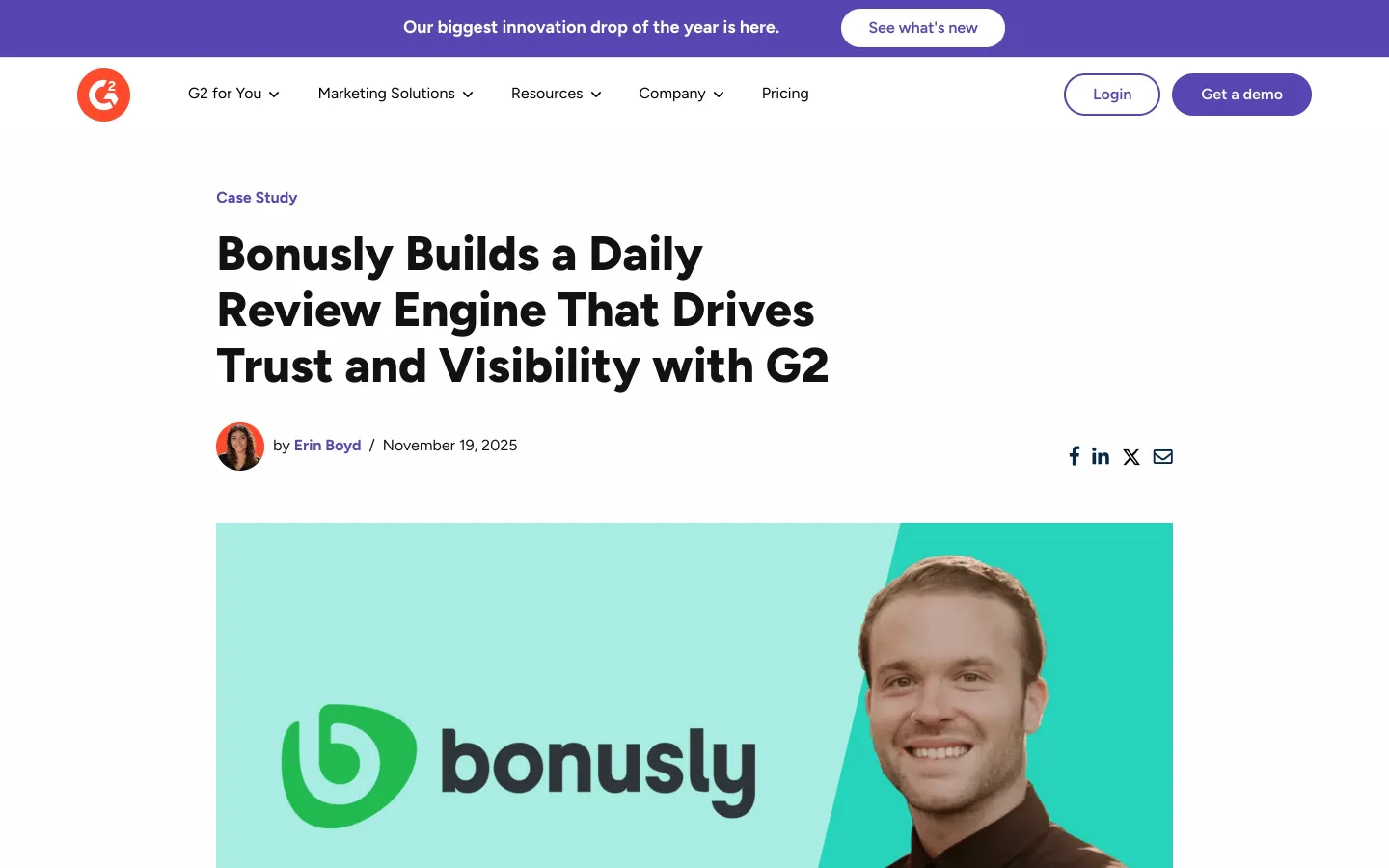
- Ask inside the product. Bonusly moved from campaigns of 150 to 200 reviews at a time to at least one new review every day without incentives, by adding G2's in-app prompts after users had spent time in the product.
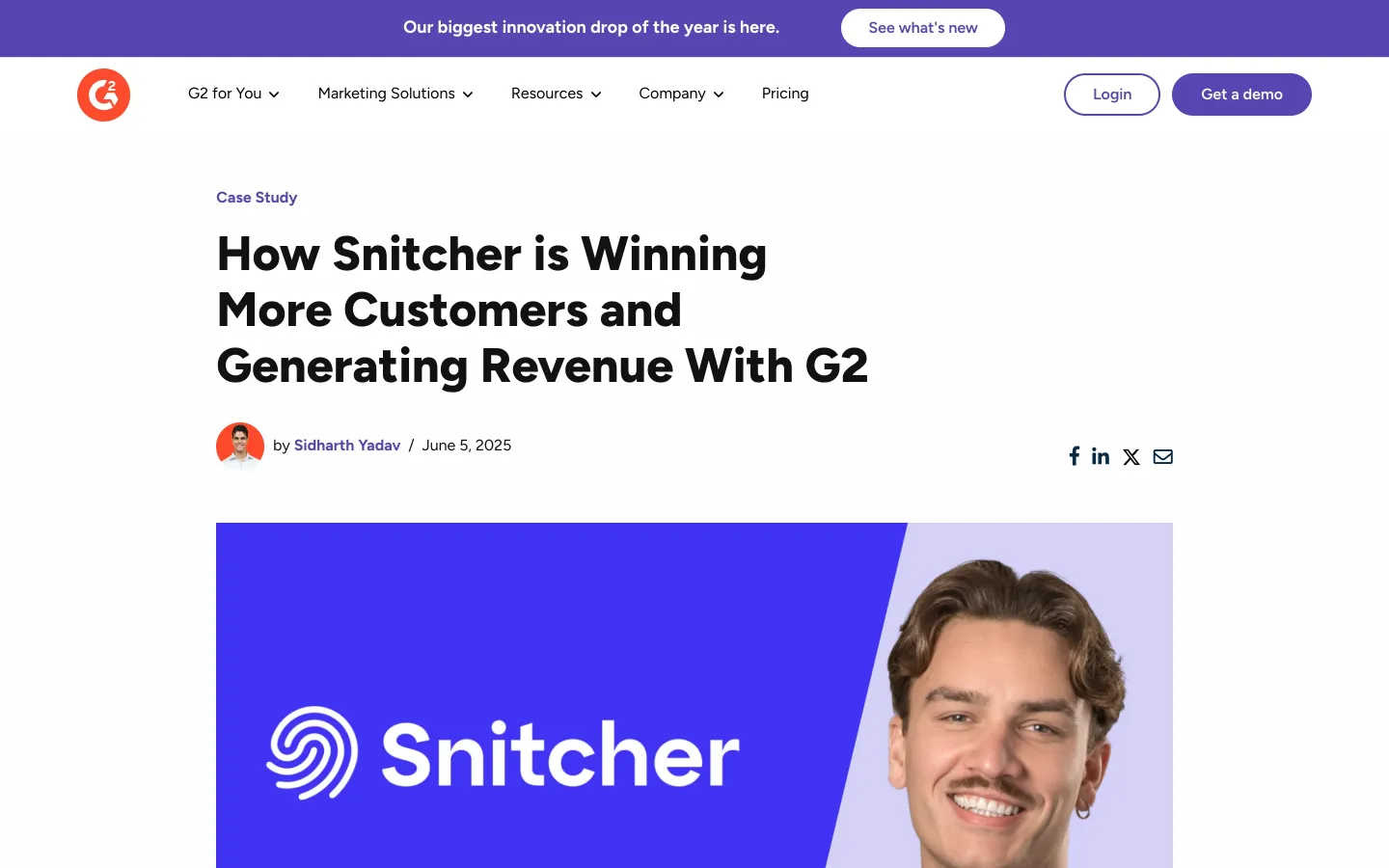
- Ask at the right moments. After onboarding, after a support ticket closes well, after a renewal. Snitcher triggers review requests after trial and onboarding and runs a push every quarter before G2's report season.
- Incentivize carefully. Small rewards are allowed for honest reviews, positive or negative, and G2 can fulfil them for you. Never pay for positive reviews.
- Use what you get. Put badges and star ratings on your site, in outbound emails and on pricing pages.
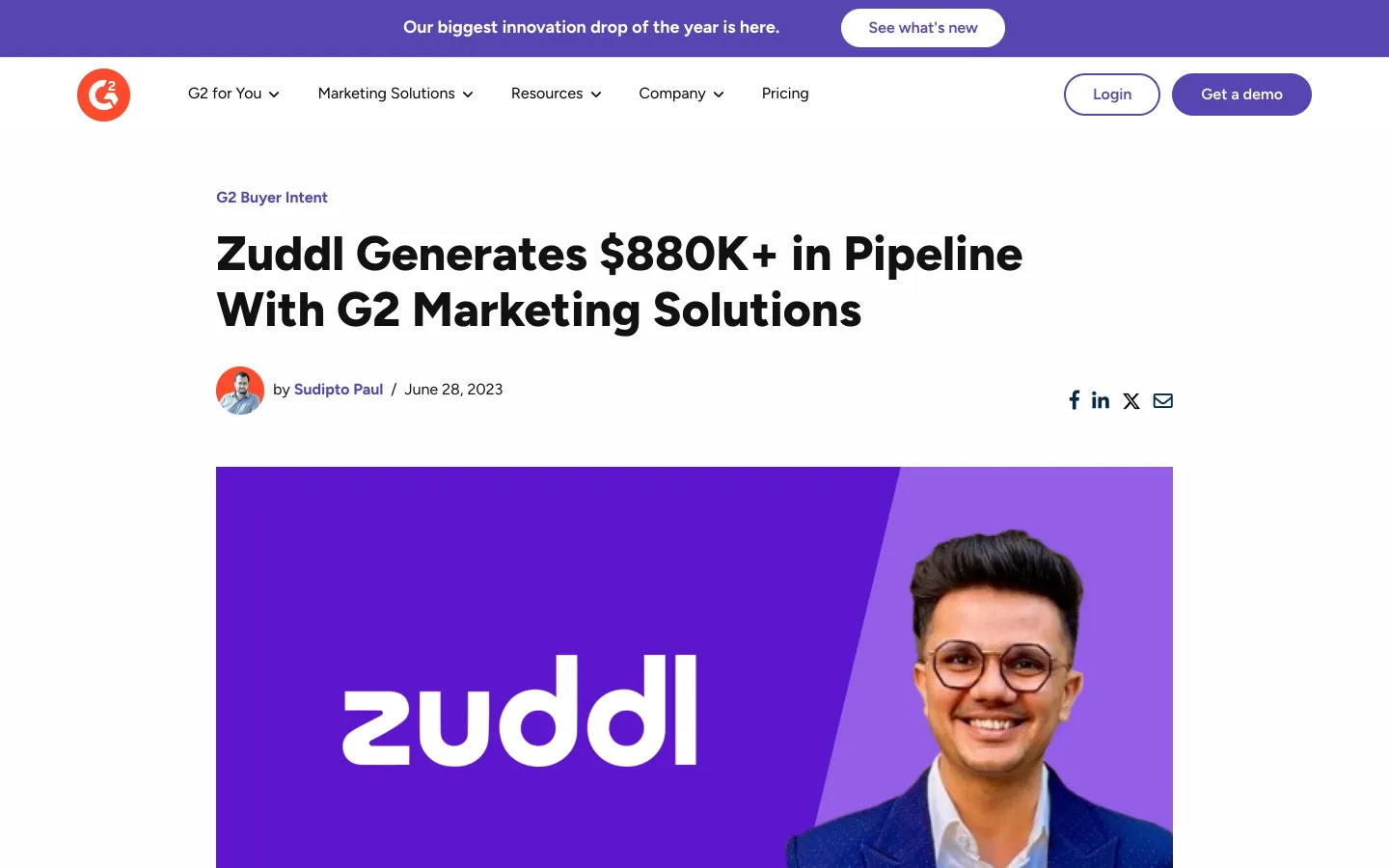
- Turn the profile into a sales channel. Zuddl added product tours, reviews and category badges to its profile and reported $482.7K of pipeline from inbound leads that came through G2, plus another $397K from outbound to G2 visitors.
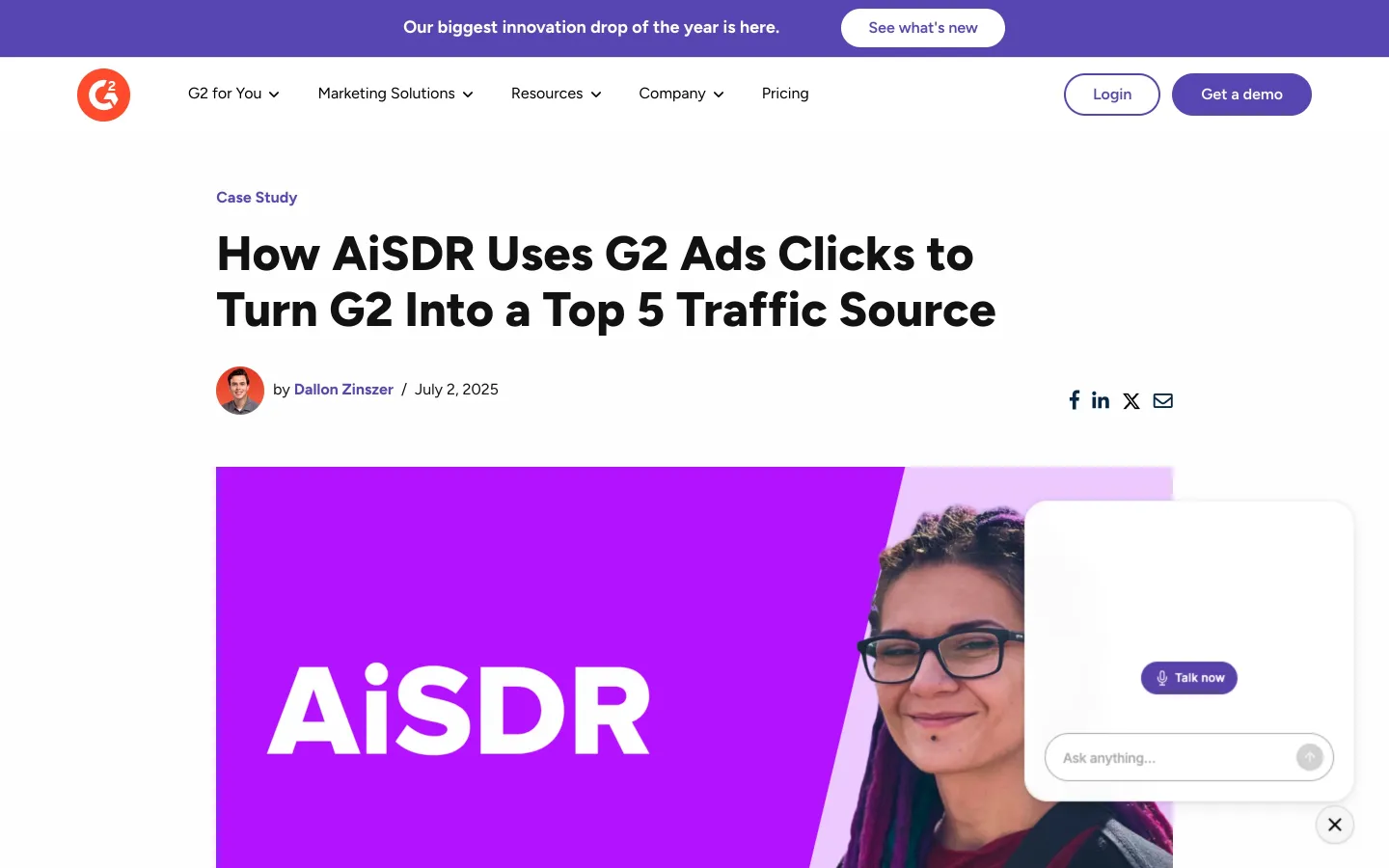
- Paid placement, if it pays. AiSDR tested G2's pay-per-click ads for three months and reported 6.7% of visitors becoming leads.
Numbers from review-site case studies are published by the review sites themselves, so test on a small budget before you commit.
Launching on Product Hunt and Hacker News
Launch platforms reward preparation and products people can try right away.
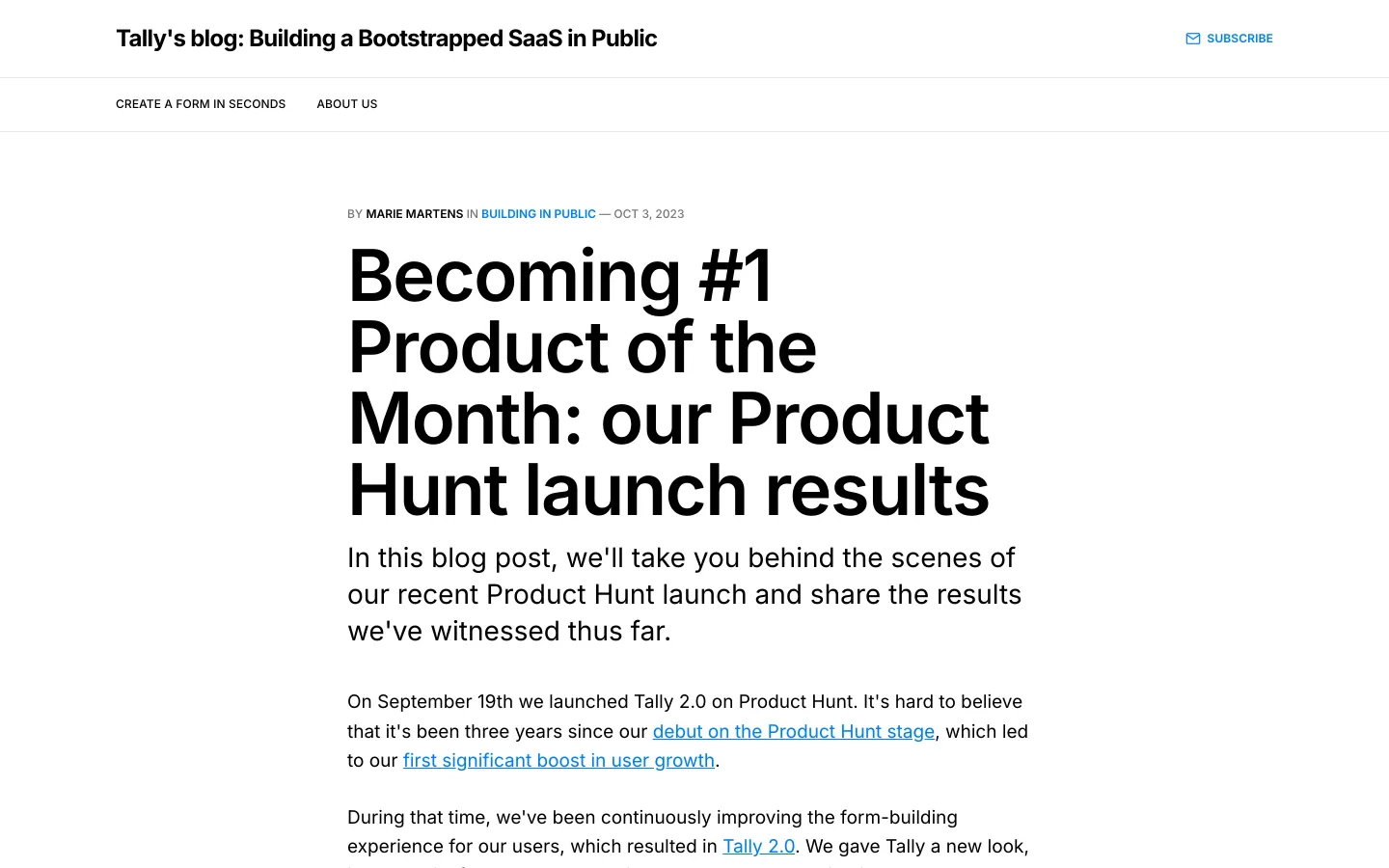
- Plan the day. Tally's first Product Hunt launch in March 2021 finished #4 of the day and doubled its users from 1,500 to 3,000. Its tip afterwards: reach out to the people who upvoted or commented.
- Relaunch big updates. Tally relaunched as Tally 2.0 in 2023, finished #1 of the day, week and month, and got 766 signups on launch day and 785 the day after.
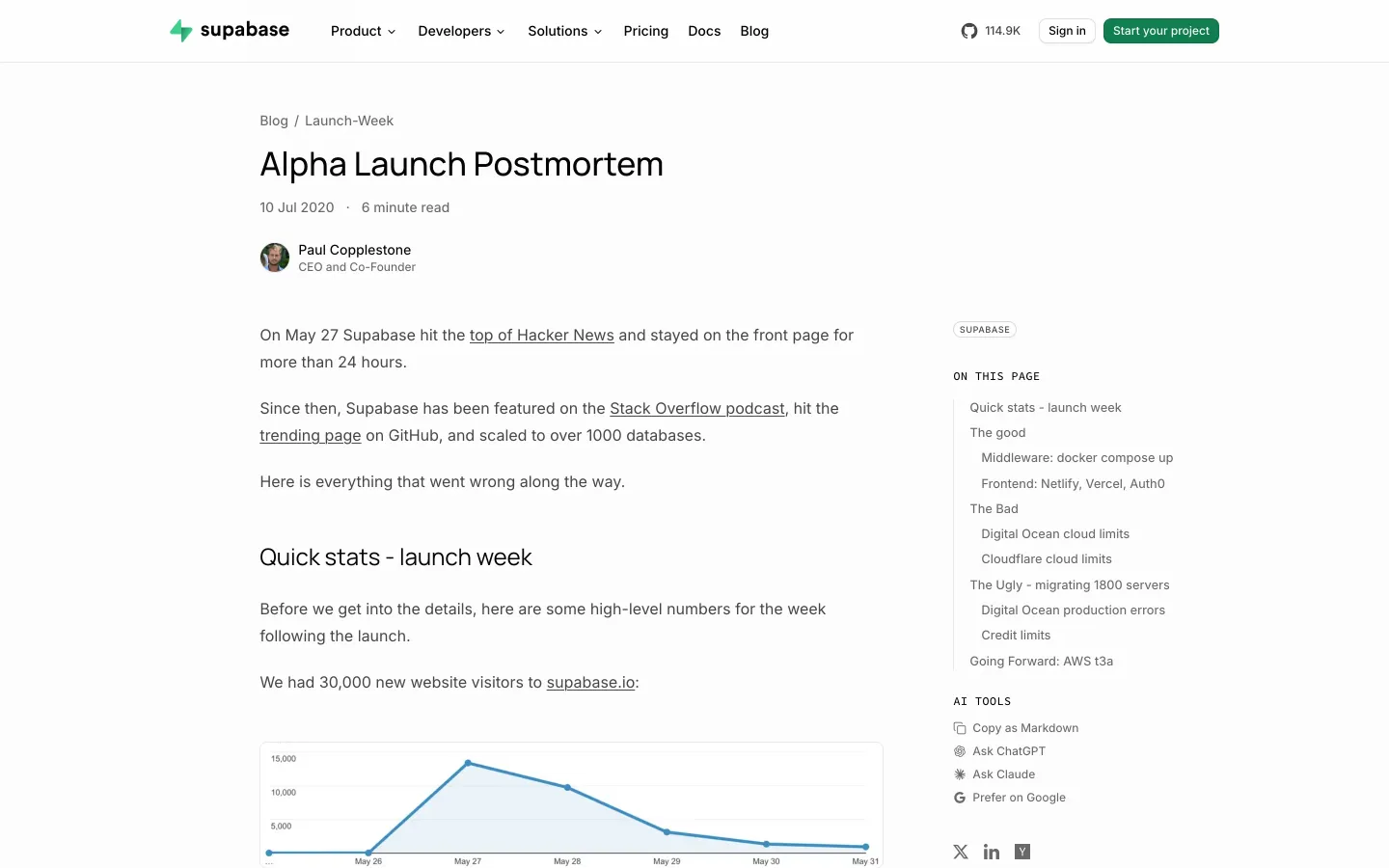
- Let the product speak on Hacker News. Supabase hit the top of Hacker News on May 27, 2020 after an early user posted it, stayed on the front page for more than 24 hours and got 1,400 signups in seven days. It later turned launches into a habit: a Launch Week with one major feature every day.
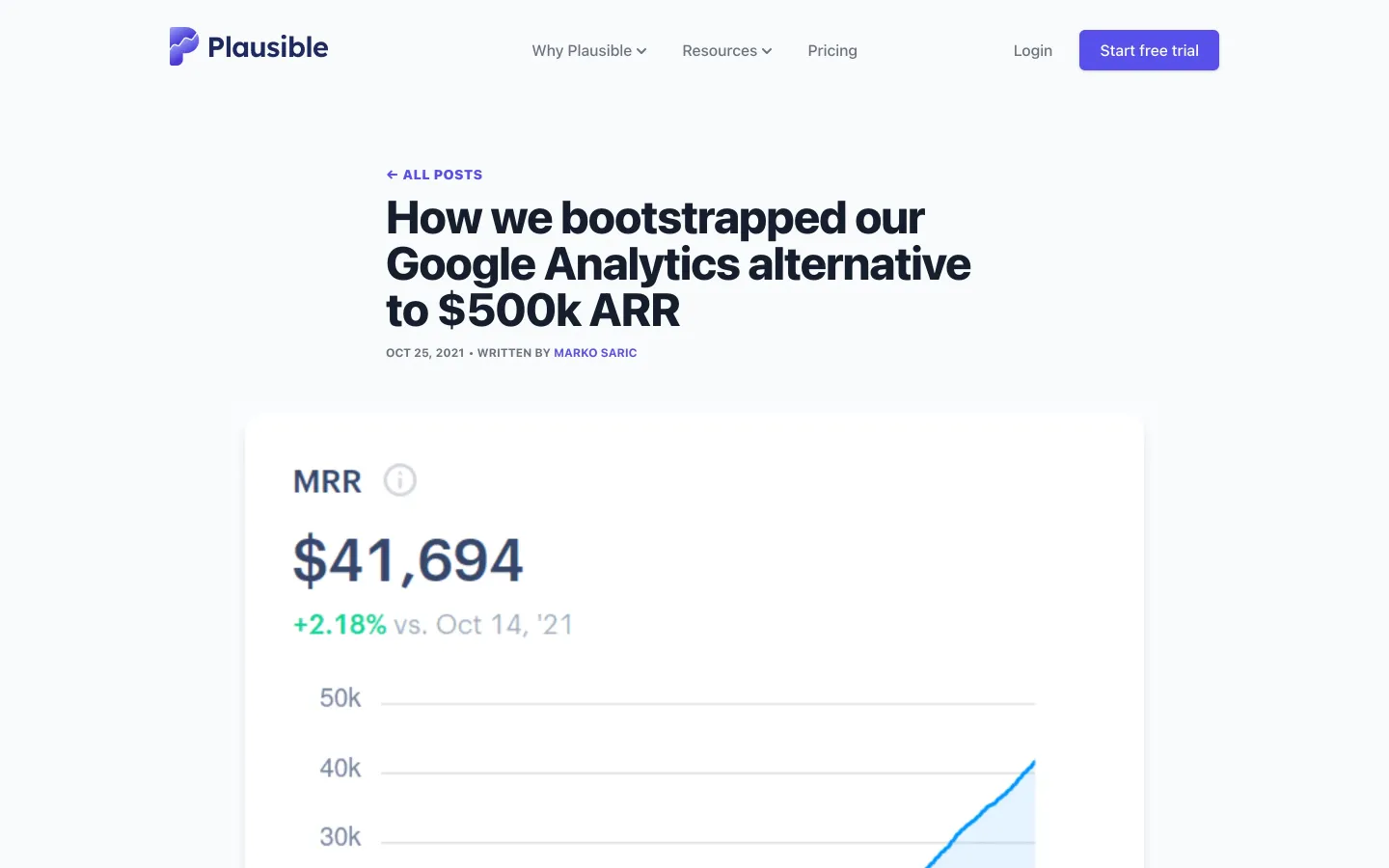
- Write something worth discussing. Plausible's breakout came from a blog post on Hacker News, not a product listing: more than 50,000 people read it in a few days, against 27,300 visitors in the previous 15 months.
- Be there all day. Answer every comment, including the harsh ones. On Hacker News, the thread is the launch.
After the launch, add the badge or award to your site and keep the listing updated: Product Hunt and G2 pages keep ranking and getting cited long after the spike.