Programmatic SEO for SaaS: How It Works, 11 Examples, and Where It Fails
One template plus a dataset makes thousands of pages, each answering one search. It works when each page has data nobody else has, and fails when it doesn't.
Impact
High
Effort
High
Time to results
Quarters
Budget
None needed
Team
Marketing
Tools for this growth idea
SupabaseThe dataset every page is built from
VercelBuild and serve thousands of pages from one template
WebflowFor smaller page sets: one CMS collection, one page per item
ClaudeWrite each page's unique text from its data
Google AnalyticsFind the page types that convert, then grow them
How programmatic SEO works, and why the data matters more than the template
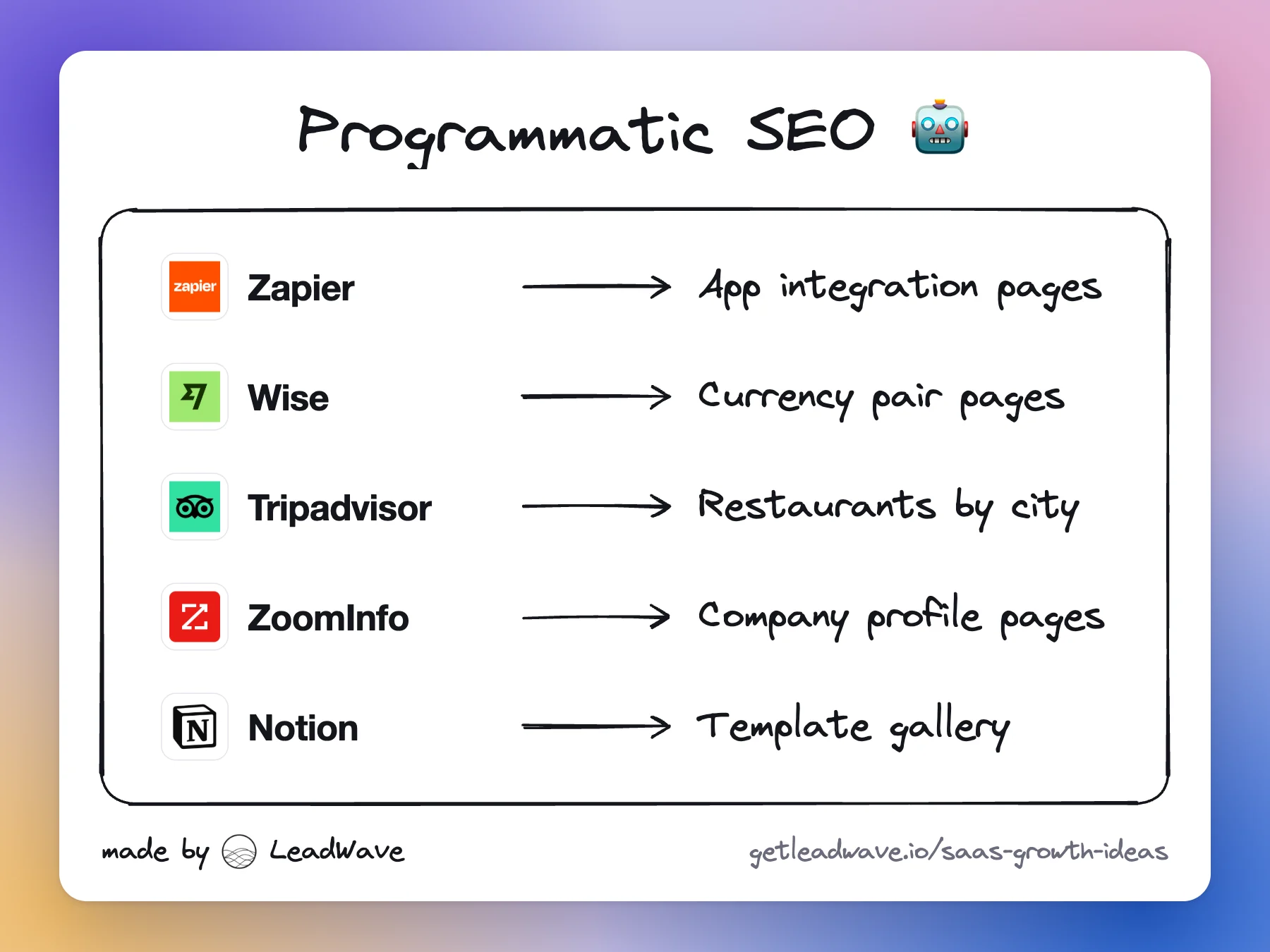
Programmatic SEO means generating many pages from one template and a structured dataset, each page targeting one variation of a search pattern. Zapier has a page for every pair of apps it connects. Wise has one for every currency pair. Tripadvisor has one for every "restaurants in [city]".
It works when three things line up:
A repeating search pattern with a long tail. Each variation is searched rarely, but there are thousands of them, and together they add up to more than any head term.
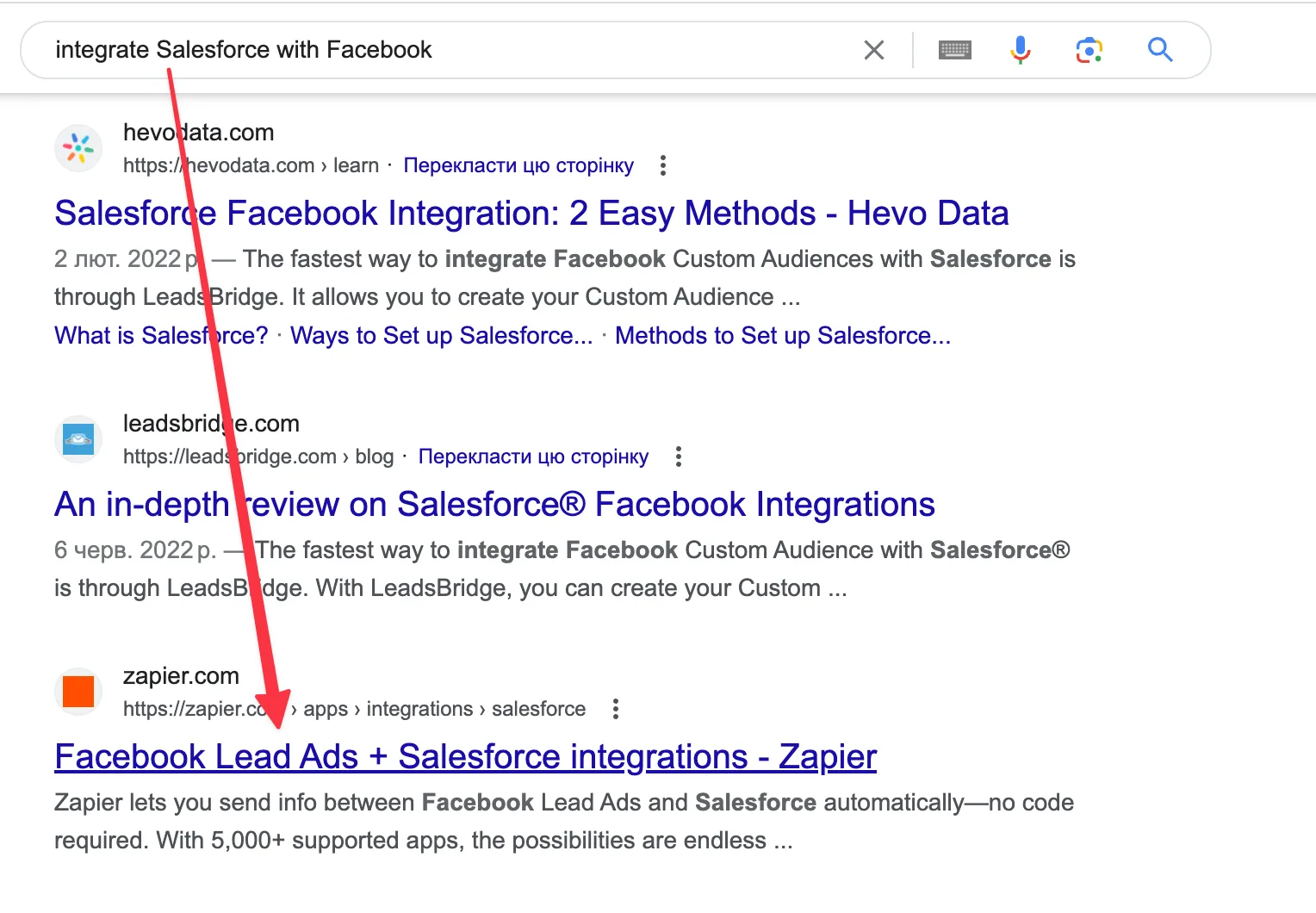
Weak existing results. Zapier CEO Wade Foster has said that when Zapier started, integration searches returned junk like API docs. That gap is why their pages got indexed and ranked fast (First Round interview).
Data that makes each page genuinely different. A live exchange rate, the real integration triggers, actual company facts, real user reviews. That's what separates a useful page from a doorway page.
The template is the easy part. The dataset is the moat, and it's why the winners are hard to copy: Tripadvisor's reviews, G2's ratings and Nomads.com's member data can't be scraped into existence.
Three kinds of dataset that work for SaaS
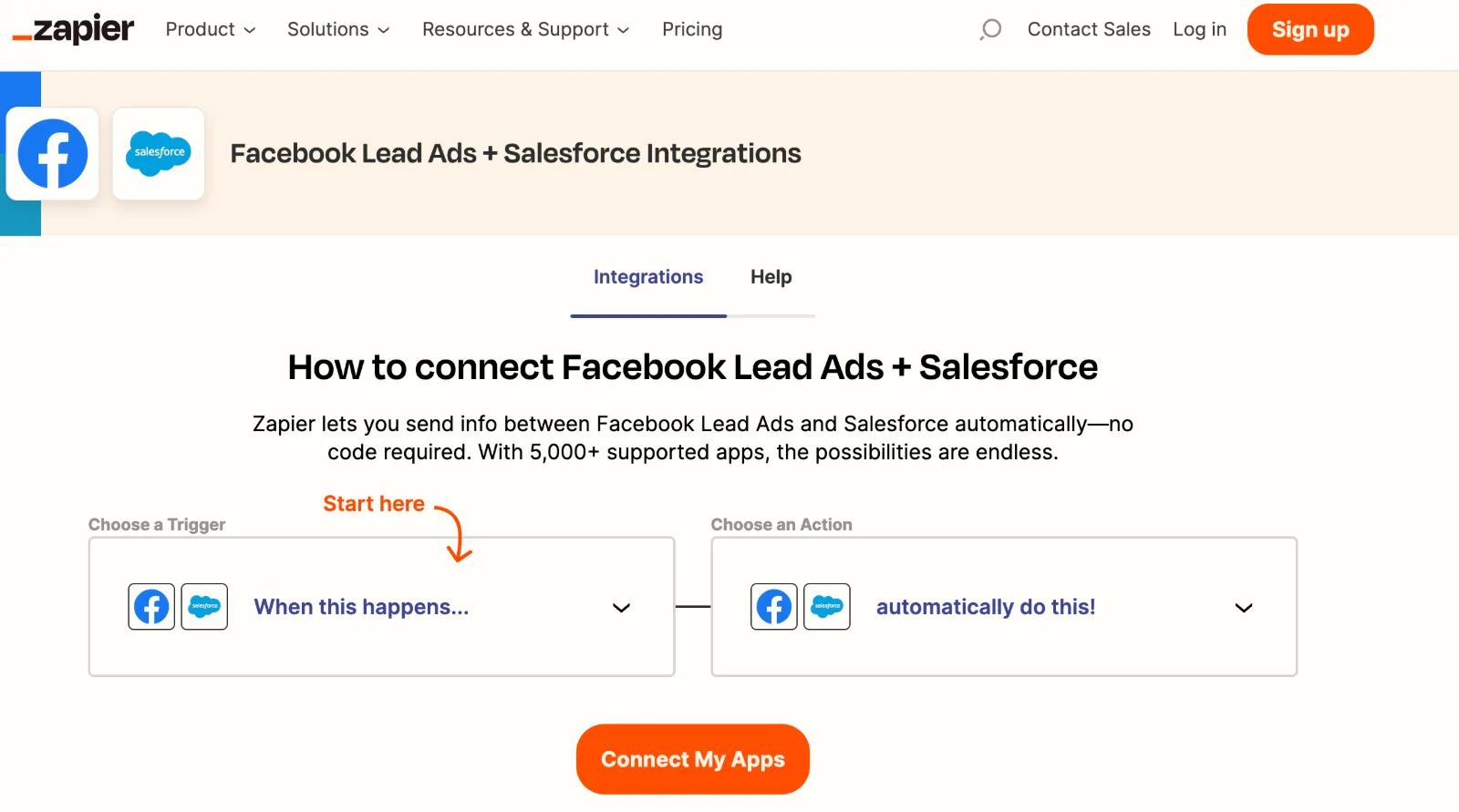
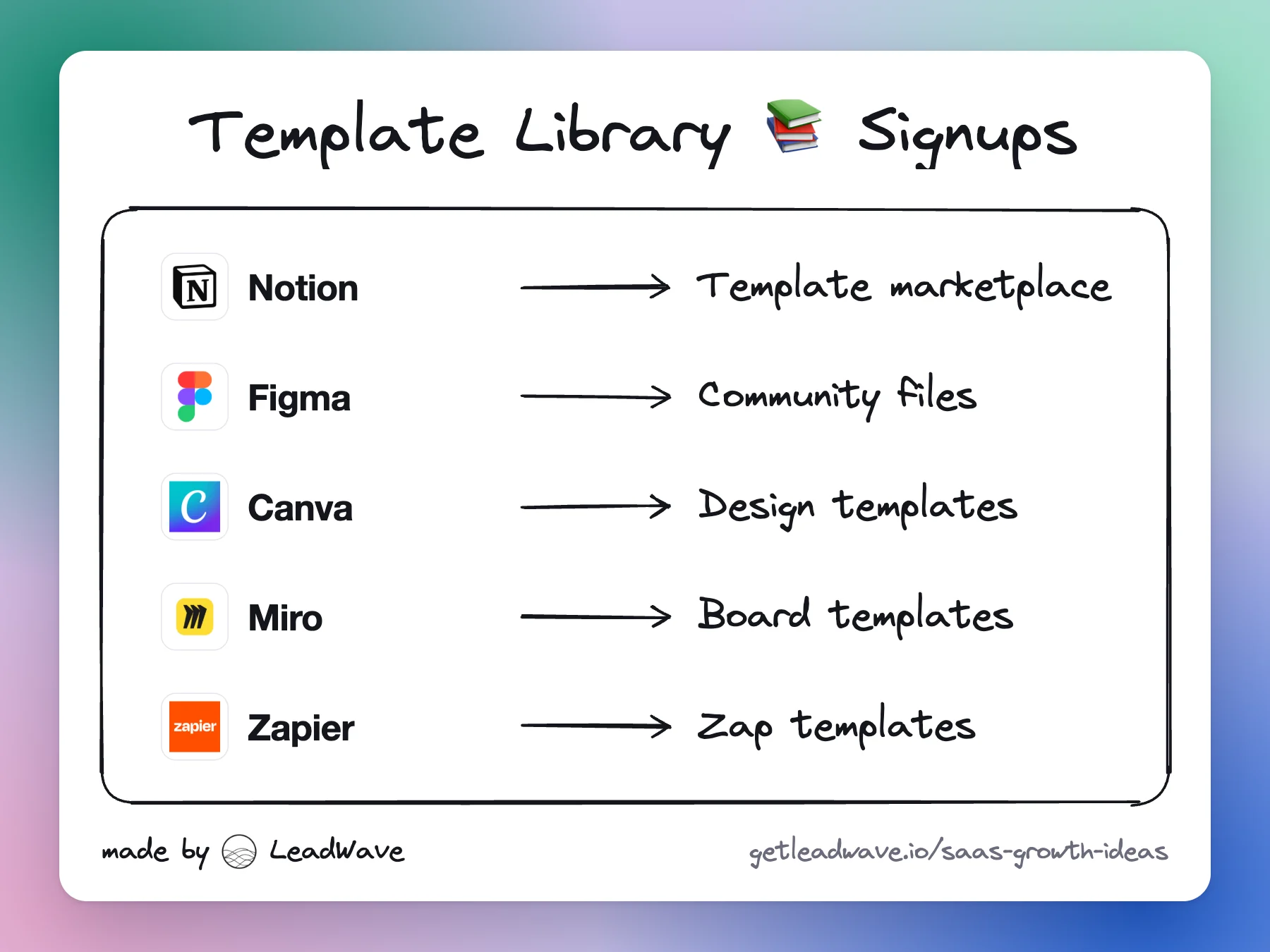
Your product's own structure. Integrations (Zapier's app pages), templates (Notion's gallery, Canva's templates), use cases. These pages double as product entry points: the visitor can use the thing right away.
User-generated content. Reviews, community templates, public profiles. Notion's template gallery counts thousands of user-made templates per category. Your users write the pages and the page count grows with the product. Zapier got the same flywheel once outside developers could build integrations: Foster describes every new integration "automatically spinning landing pages".
Proprietary or aggregated data. Company profiles (ZoomInfo), website traffic estimates (Similarweb), tech stacks (BuiltWith), exchange rates (Wise). Each page answers a factual question with data the searcher can't easily get elsewhere, and the free page is a preview of the paid product.
The test before you build: pick five random rows from your dataset and imagine the page for each. If a searcher would land on it and get a better answer than anything on page one, you have a programmatic SEO opportunity. If the pages would only differ by a swapped keyword, you don't.
Programmatic SEO examples
ZapierApp and app-pair pages
A page for every app and every pair of apps it connects (9,000+ apps). Wade Foster has said the idea came from Patrick McKenzie's Bingo Card Creator, and that once outside developers could build integrations, each one automatically spun up new landing pages.
Public company profiles built from ZoomInfo's database, with separate templates per intent for the same company: overview (/c/), employee directory (/pic/) and headquarters address (/hq/). Each page previews the paid data.
A page per currency pair with a working converter at the live mid-market rate, a rate tracker and a bank-rate comparison, all leading into "Send money". Wise runs the same play for SWIFT/BIC code lookups by bank and country.
B2B SEO and AI search (GEO) agency for SaaS and fintech, programmatic SEO included
Runs programmatic SEO for SaaS and fintech companies, alongside AI search (GEO).
Frequently asked questions
Creating many search-targeted pages from one template and a structured dataset, with each page answering one variation of a search pattern, such as a currency pair or an app integration.
Zapier's integration pages, Wise's currency converter pages, Tripadvisor's city restaurant lists, ZoomInfo's company profiles, Nomads.com's city pages and Notion's template gallery.
No, not in itself. Google's scaled content abuse policy targets pages mass-produced to manipulate rankings without helping users, however they're made. Pages built on real, useful data per page are fine.
AI can help write templates and summarize real data. Using it to generate many pages with no unique value, or to rewrite other sites' content, is exactly what Google's policy calls abuse.
A few hundred of your strongest rows. Expand once Google indexes them and they earn impressions and clicks.
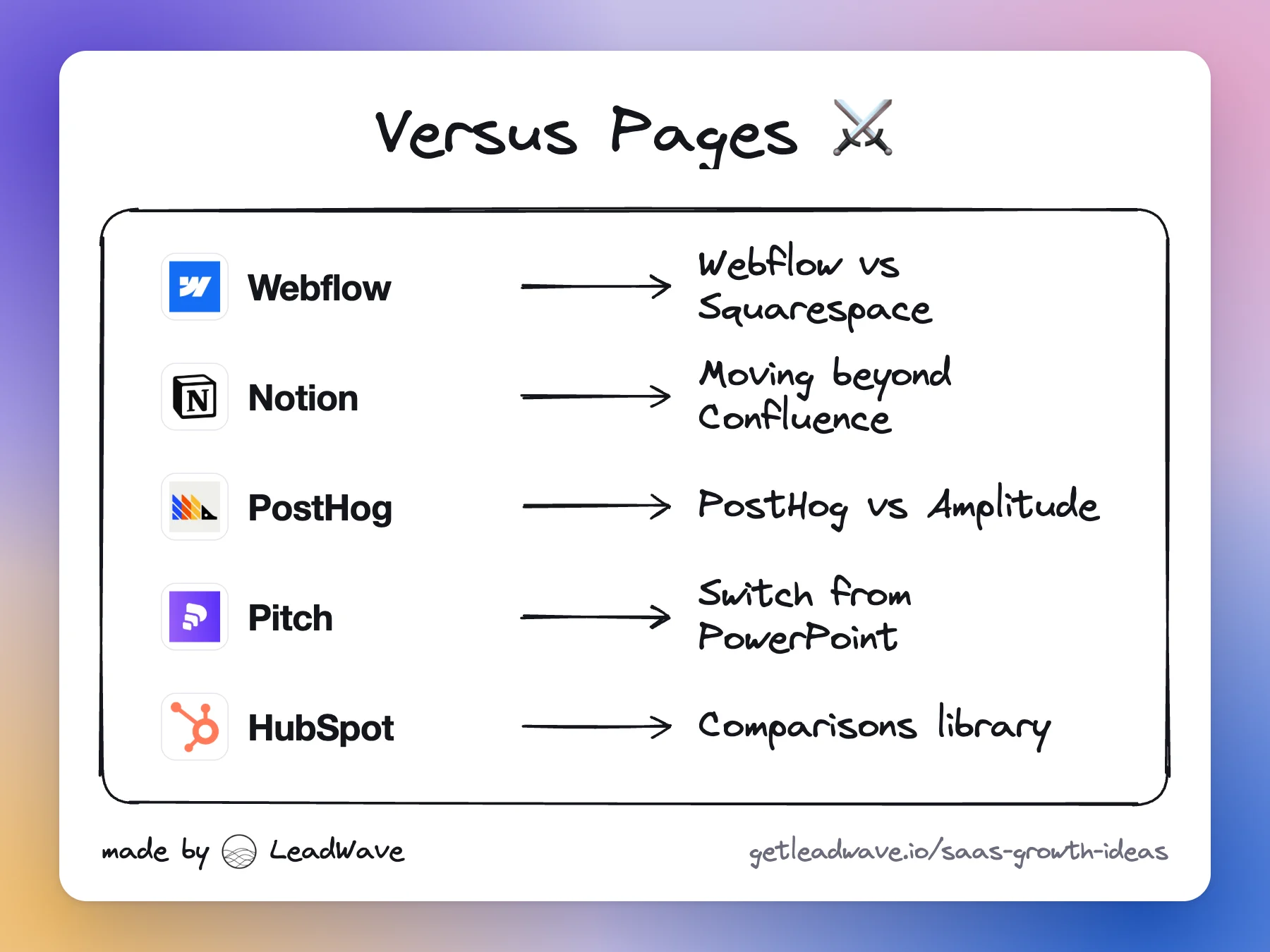
Versus, alternatives and switch pages catch buyers who already know the category and are choosing between tools. The highest-intent pages a SaaS site can own.
Build a small free tool that does one job your buyers already search for. It ranks, earns links, collects leads and shows off the paid product in seconds.