

Why a cancel flow works
Most SaaS products let a customer cancel with one button and learn nothing. A cancel flow adds two steps before the final click: a reason question and an offer matched to the reason. Then it lets them go.
It works because many cancellations aren't final decisions. They're reactions to a temporary situation: a slow month, a project ending, a budget review, a feature they didn't find. Ask, and a share of those customers will take a reason to stay.
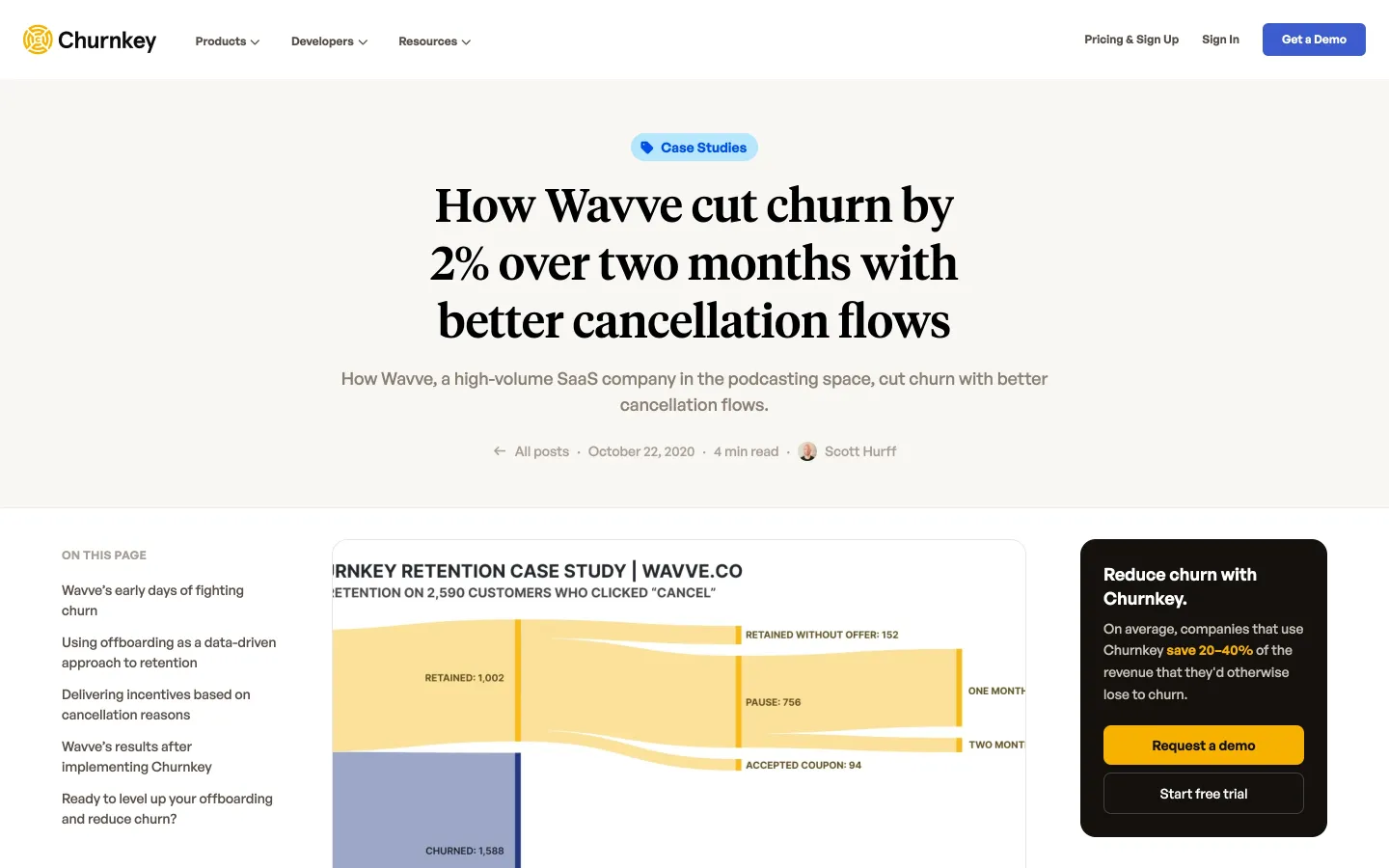
The scale of the effect in vendor data: Churnkey's 2025 report covers nearly 3 million cancellation sessions across its customers. Among accepted offers, discounts made up 53.9%, pauses 19.2% and plan changes 6.7% (Churnkey). In a published case study, podcast tool Wavve sent 2,590 customers through a new cancel flow in three months. 1,002 left without cancelling, and most of those saves were pauses, not discounts (details below).
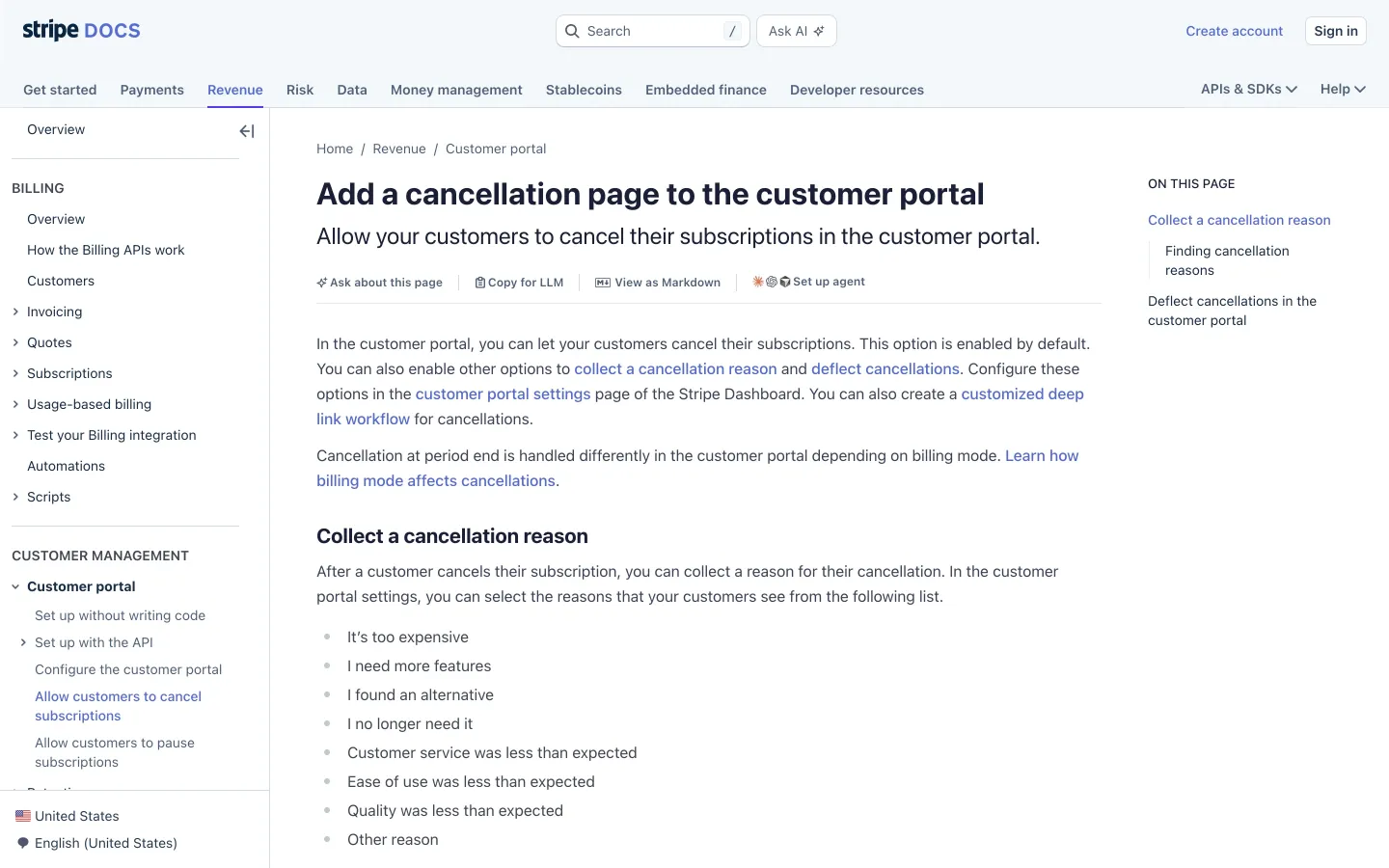
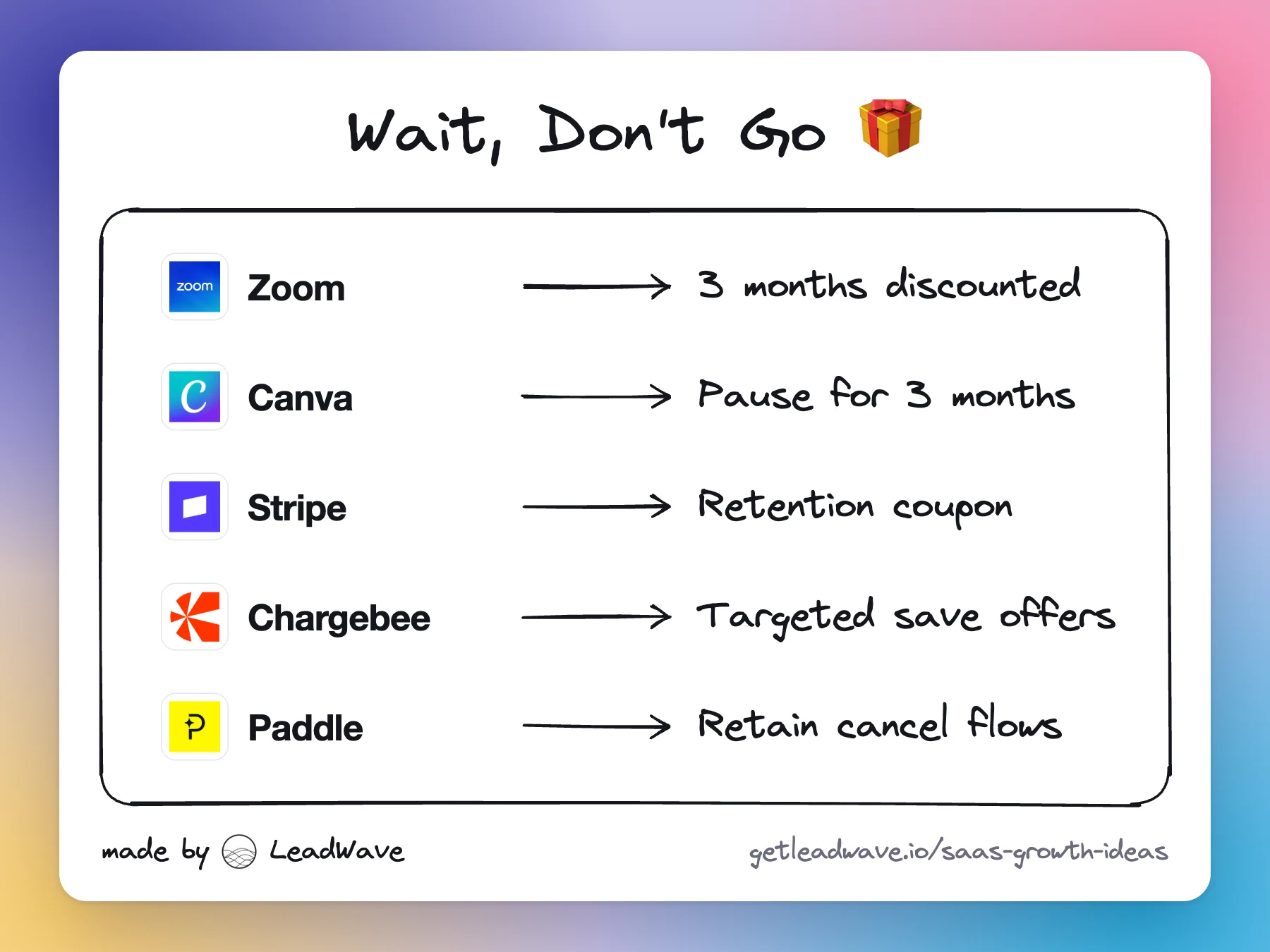
If you bill through Stripe, you can start without any tool: the customer portal can collect a cancellation reason and offer a retention coupon before the cancel goes through (Stripe docs).
Match the offer to the reason
One generic "50% off, please stay" screen trains customers that your price is negotiable. Branch on the reason instead:
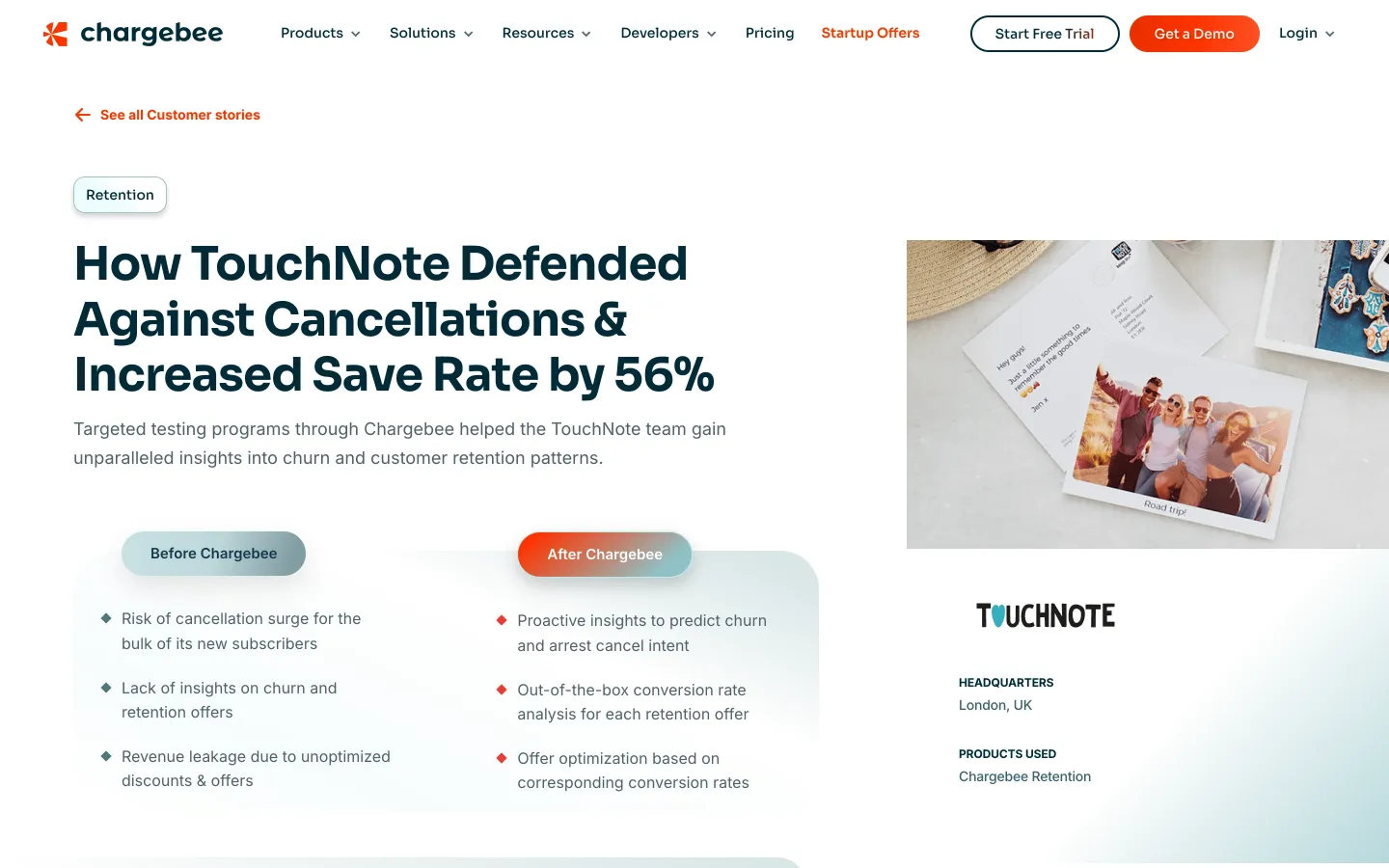
- "Too expensive" → a time-limited discount (one to three months), or a cheaper plan. TouchNote found subscribers responded better to a percentage discount than to a flat amount of the same value: 50% off beat £25 off a year (Chargebee).
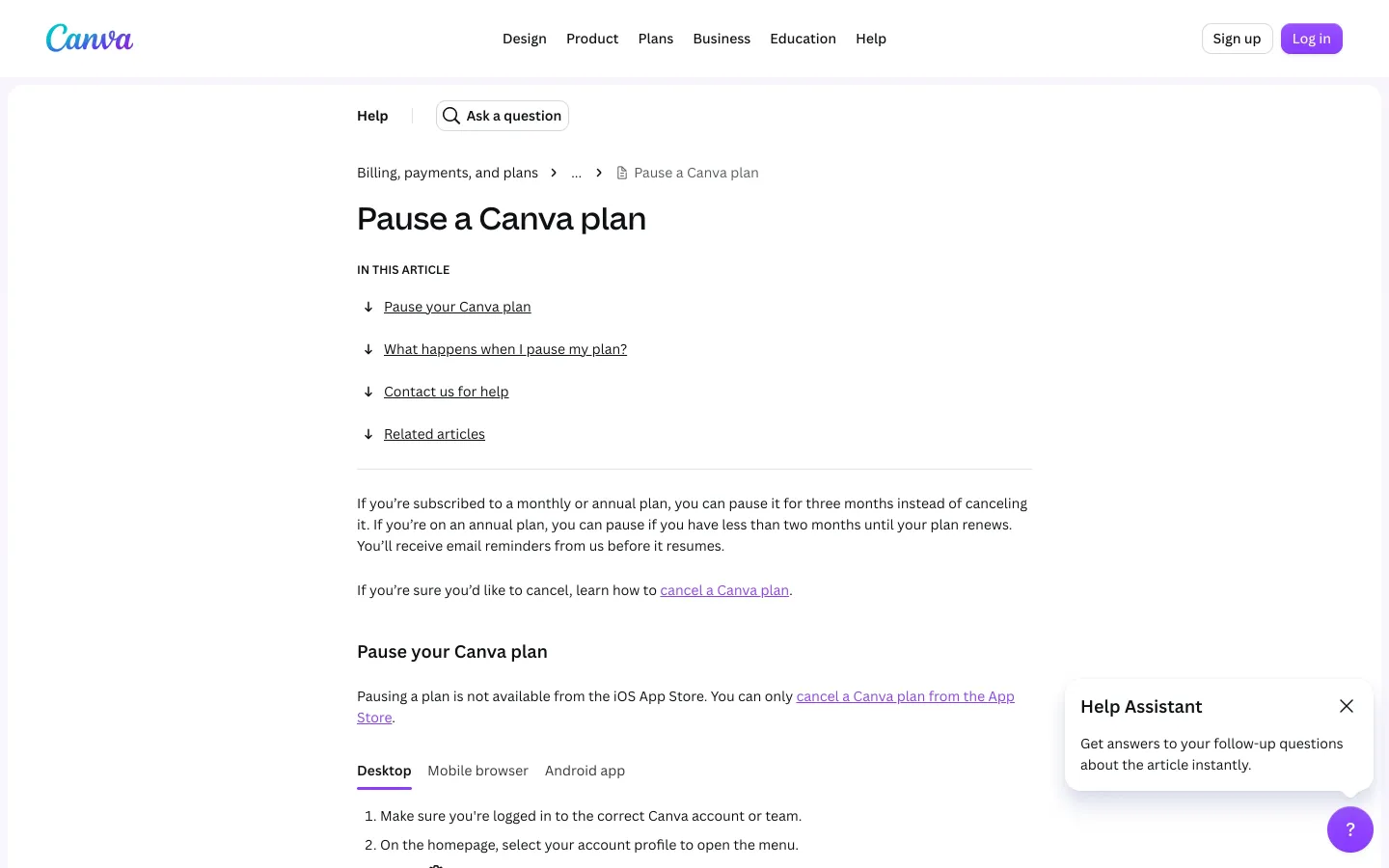
- "Not using it right now" / seasonal → a pause. Canva lets monthly and annual subscribers pause for three months instead of cancelling, offered from inside the cancel flow, with automatic resume (Canva help).
- "Paying for more than I need" → a downgrade or fewer seats.
- "Missing a feature" / "something's broken" → route to support or live chat. A discount doesn't fix a bug. Wavve sent these customers to Intercom live chat.
- "Switching to a competitor" → ask which one. That answer is worth more than the save.
Pause usually beats discount over time. Churnkey reports that paused subscribers resume at 54% on average (up to 89% at top-performing companies), while save discounts offered at the same moment retain 22% (Churnkey). A discount keeps the account billing but often just delays the cancel. A pause keeps the relationship and the data. Set a visible resume date, send a reminder before it, and cap repeat pauses.
Designing the flow screen by screen
Keep it to three screens at most:
- Reason. "What's the main reason you're cancelling?" with five to seven options and an "other" box. Make it one click, not a survey. Wavve found only 1% of churning customers cited missing features or technical problems, so most reasons were ones a pause, discount or downgrade could at least try to address.
- One offer, matched to the reason. Show what they get and what happens next in one line: "50% off your next 2 months, then back to $49" or "Paused until March 3. We'll email you a week before." Put Accept and No thanks, cancel side by side, the same size.
- Confirmation. If they cancel, confirm it on screen and by email, tell them what happens to their data, and make reactivating one click.
Who sees an offer matters as much as which offer. Chargebee Retention and Churnkey let you target by plan, tenure and usage: a three-year customer on the top plan may deserve a call from their account manager, while a customer in their first month may get no offer at all. A brand-new customer who cancels usually means onboarding failed, and a discount won't fix that.
Where it crosses the line
A save offer is legal and common. Obstruction isn't. Both of the biggest recent cases were about making cancellation hard, not about offering a discount:
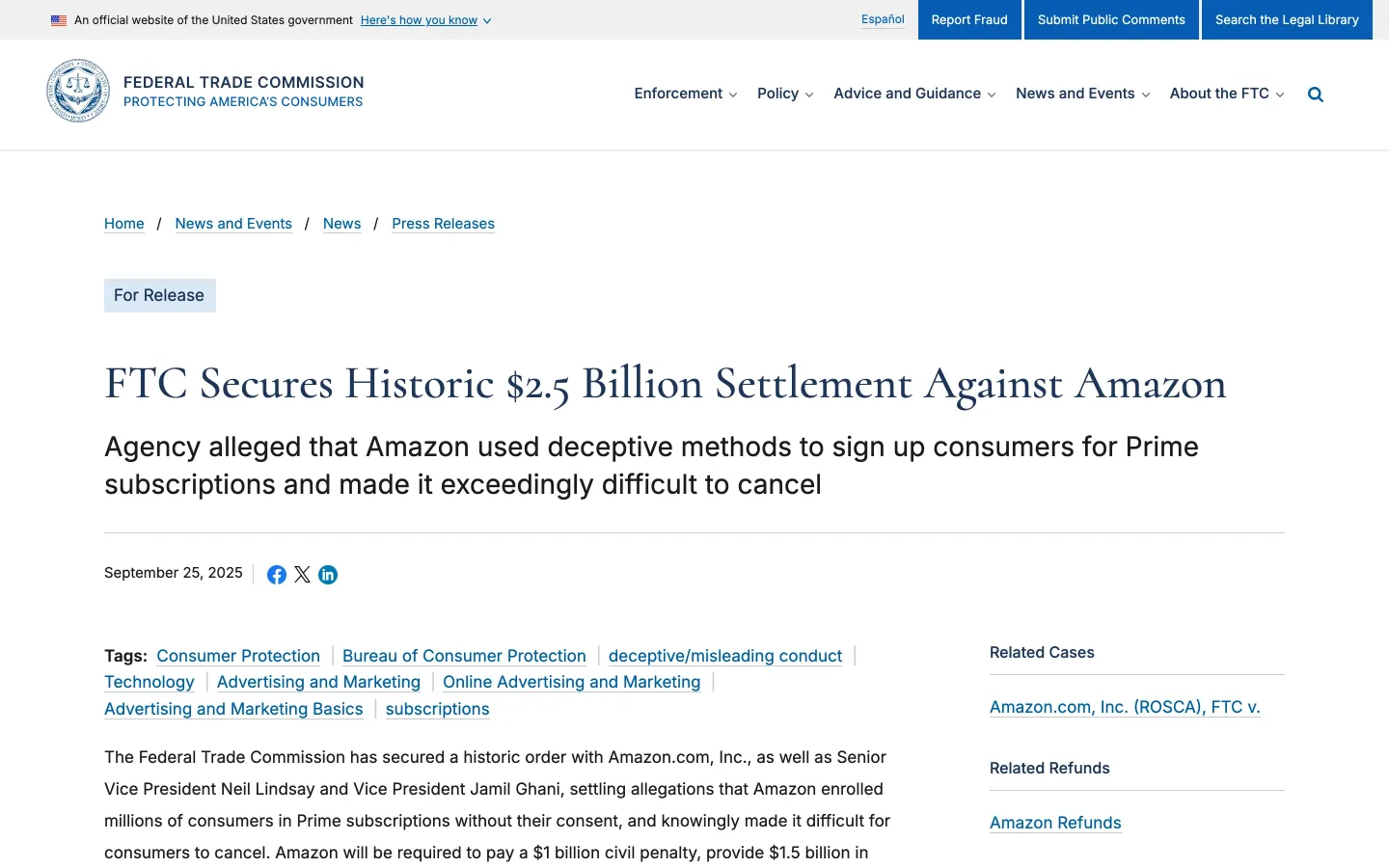
- Amazon agreed in September 2025 to pay $2.5 billion ($1 billion civil penalty plus $1.5 billion in refunds) and to create an easy way to cancel Prime, using the same method customers used to sign up (FTC).
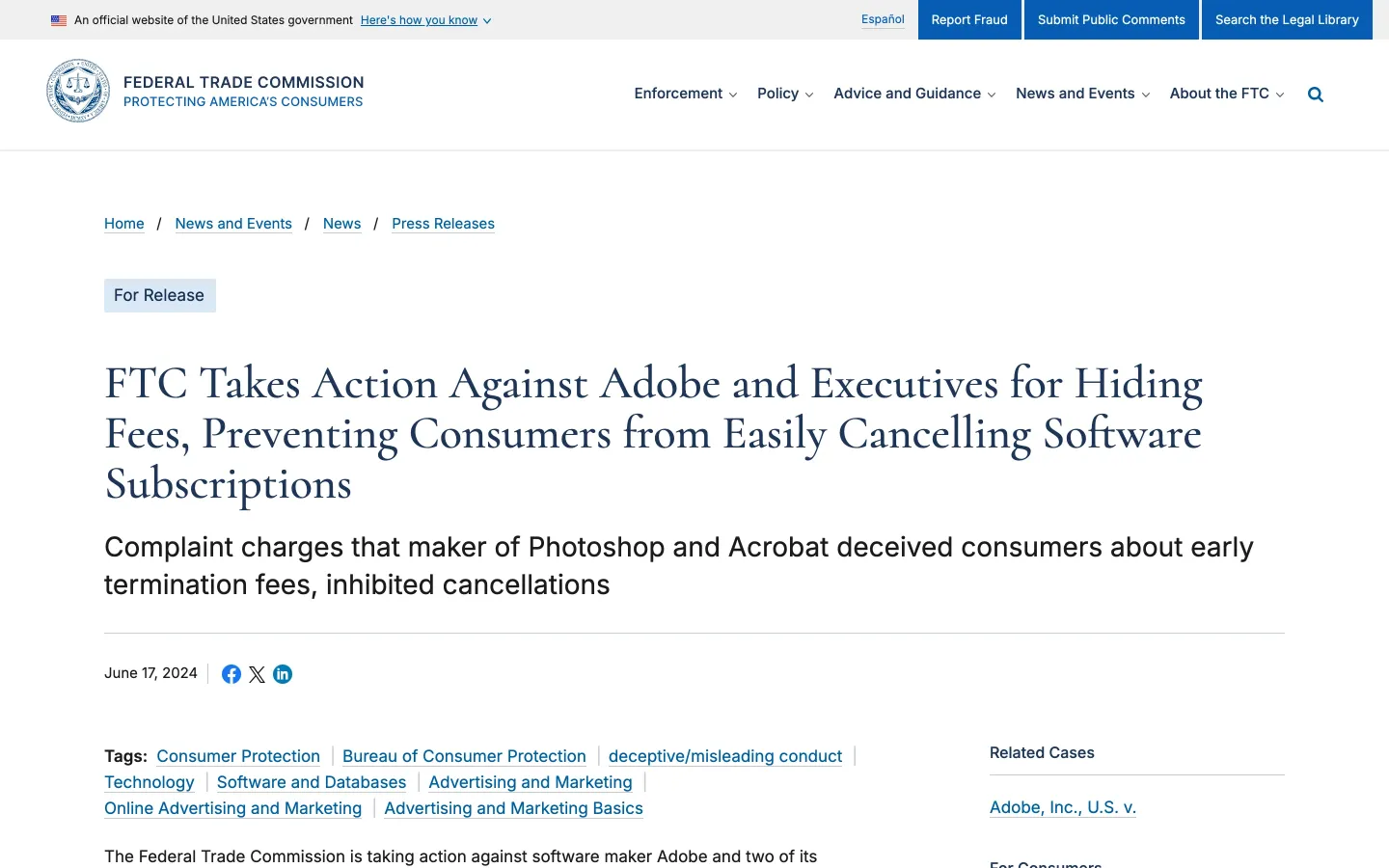
- Adobe was sued by the FTC in June 2024 over an early termination fee the FTC says was hidden, and a cancellation process with multi-page flows, dropped calls and transfers (FTC).
The FTC's broader "click-to-cancel" rule was vacated by the Eighth Circuit in July 2025, but the Restore Online Shoppers' Confidence Act (ROSCA) and state auto-renewal laws such as California's still apply (Greenberg Traurig). Practical rules: show the offer once, keep a clear "No thanks, cancel" button on every screen, never require a call, and confirm the cancellation by email.
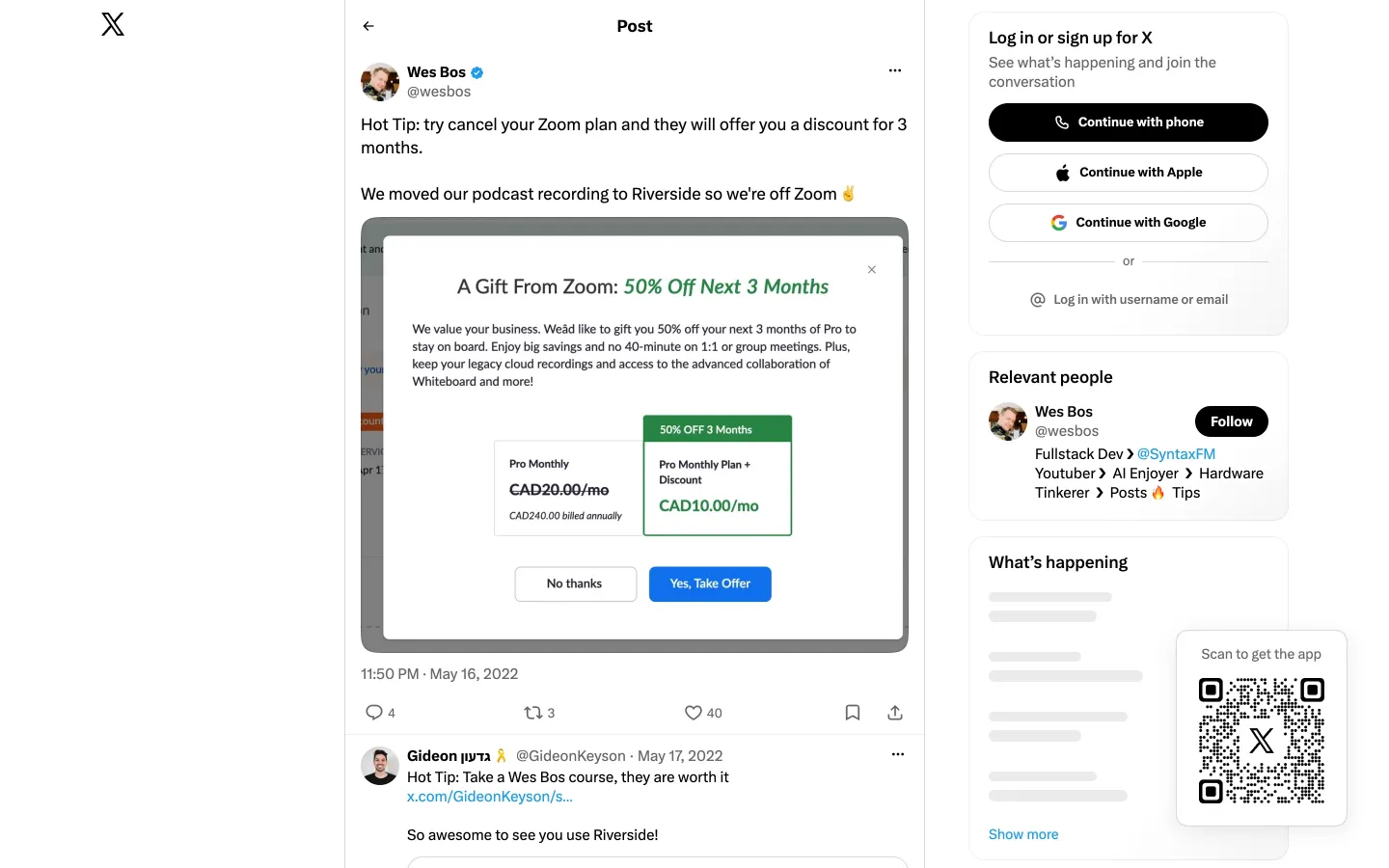
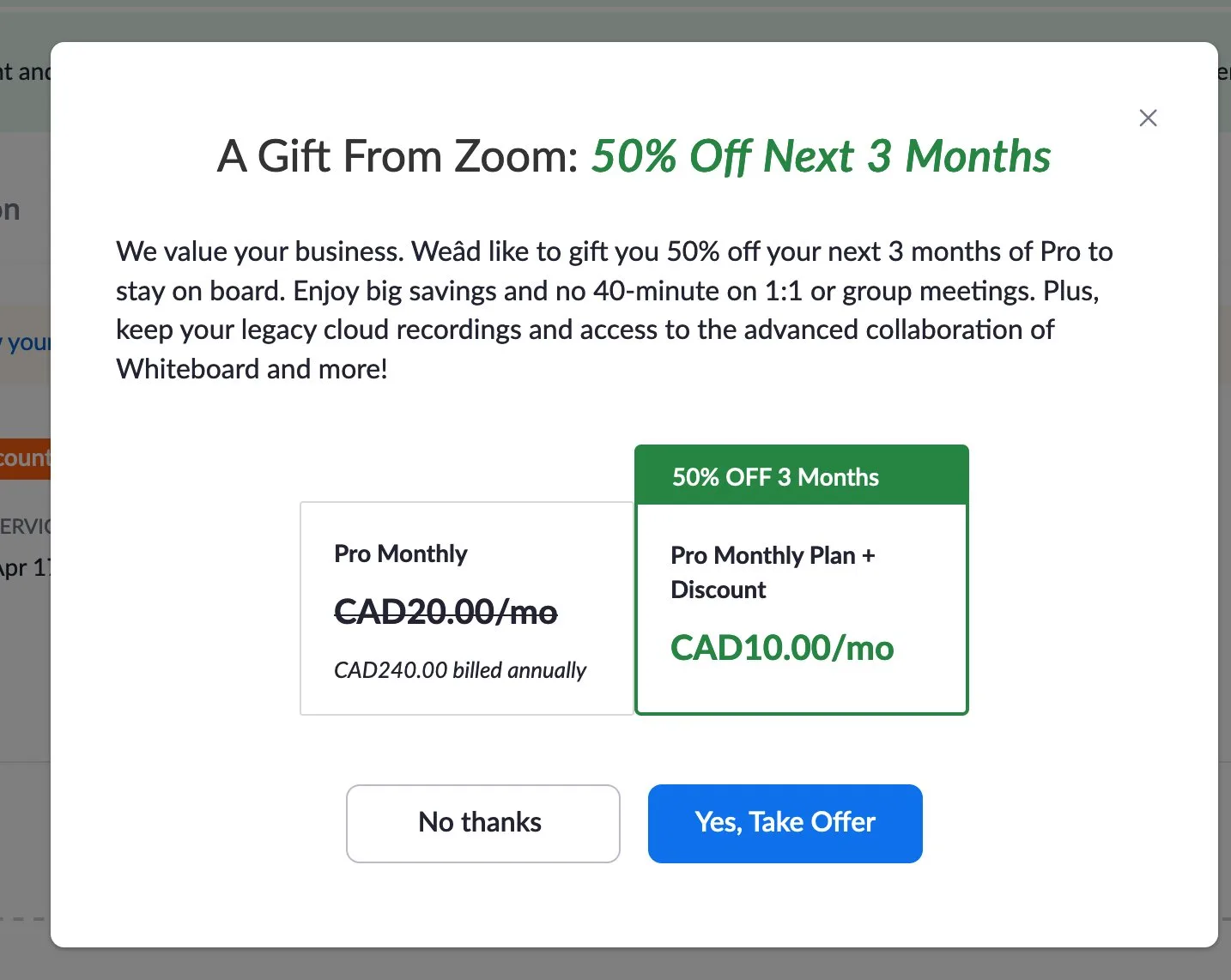
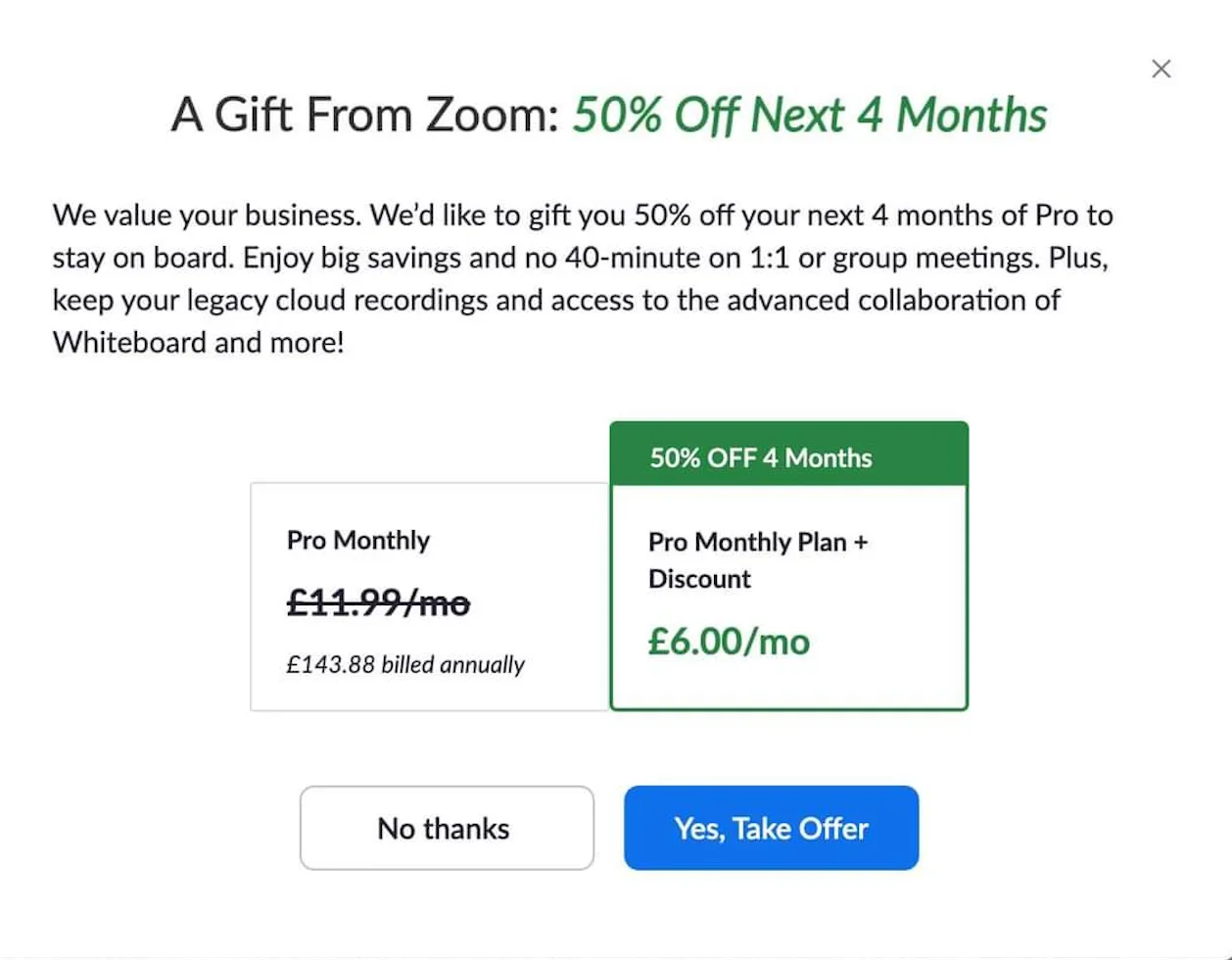
There's also a brand risk. In 2022 Wes Bos tweeted a "Hot Tip: try cancel your Zoom plan and they will offer you a discount for 3 months" (tweet). Once a save offer is public, people cancel to get it. Limit offers to once per customer and to customers with real tenure.