

Why SaaS companies are going back to in-person
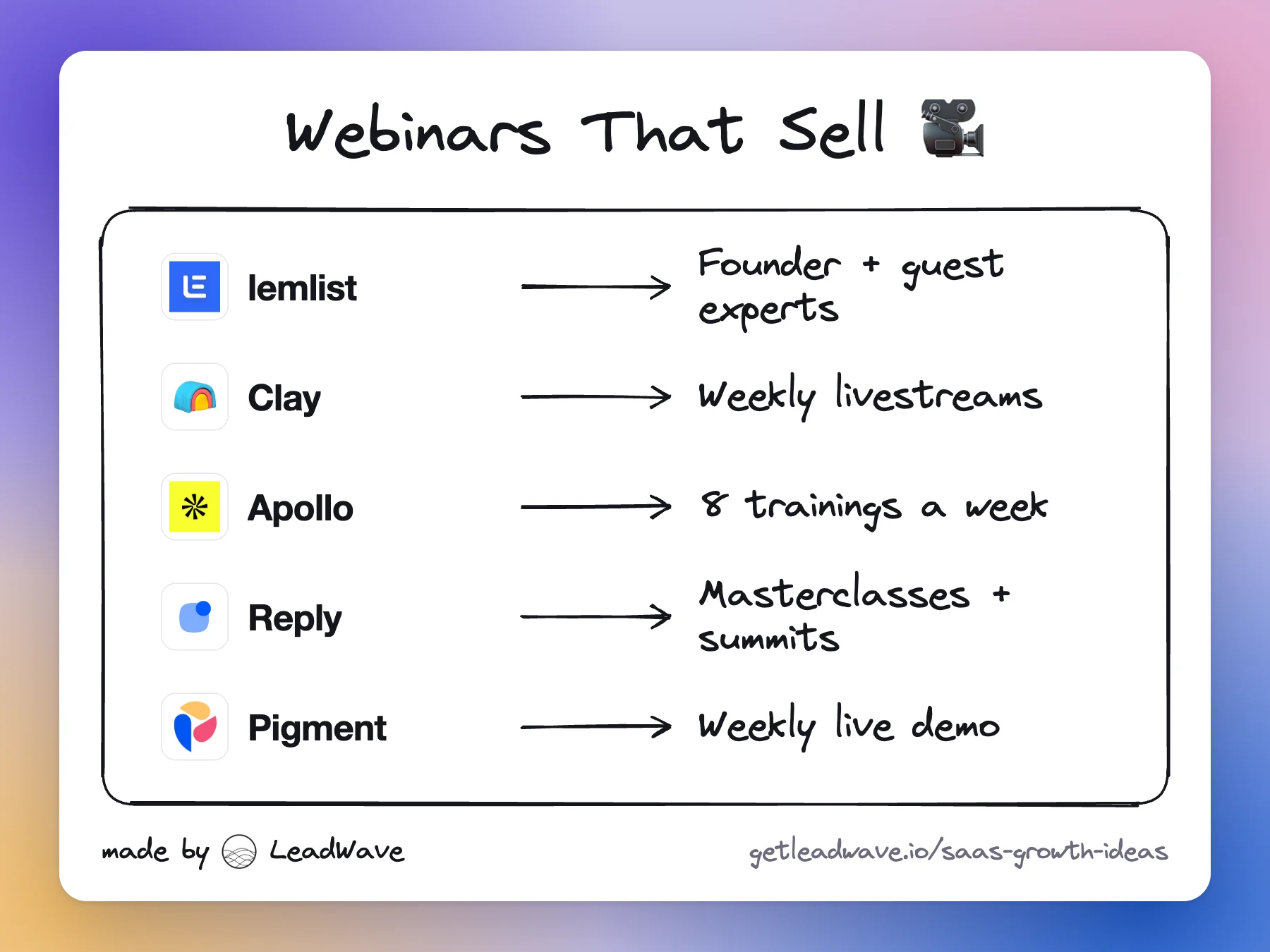
When anyone can make a webinar, a blog post or an ad with AI in minutes, the things that can't be faked get more valuable. An evening with the people who build a product is one of them. Cursor's community lead Ben Lang put it simply: “there's something about being in a room together that you can't fake.”
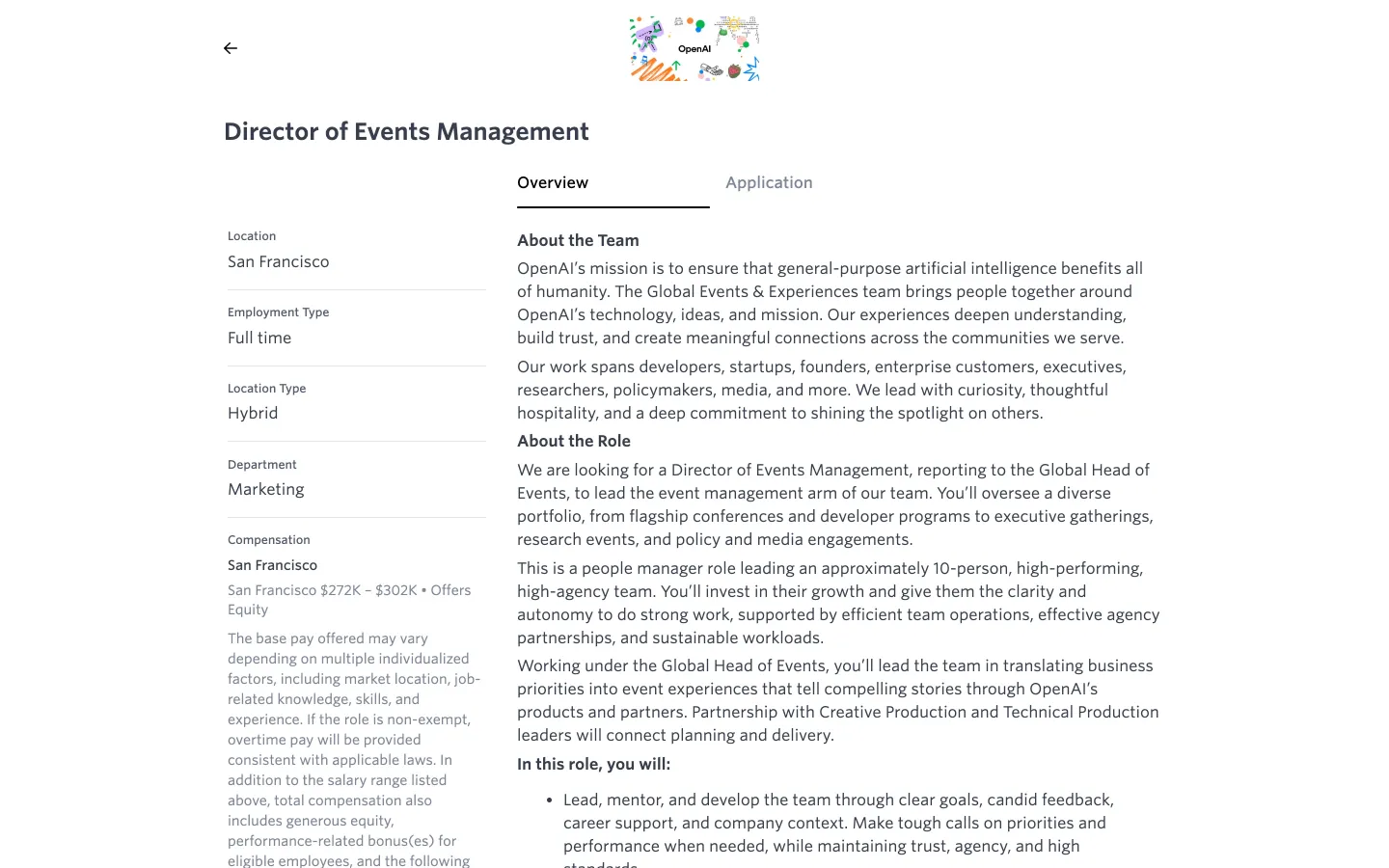
The biggest AI companies are acting on it. In October 2026 OpenAI was hiring a Director of Events Management to lead a team of about ten, under its Global Head of Events, for everything “from flagship conferences and developer programs to executive gatherings.” A second posting covers its business events, from third-party conferences to customer gatherings, to “build relationships and help people understand how to use OpenAI's technology.”
Events do three jobs at once:
- Pipeline. Prospects who meet your team and your happy customers in one room move faster than any email sequence.
- Retention. Customers who know your team and each other stay longer, and they tell you what to build next.
- Content and hiring. Every event makes photos, posts and talks to share for weeks, and brings you people who might join. Cursor has hired from its community programs.
Five formats, from one evening to a conference
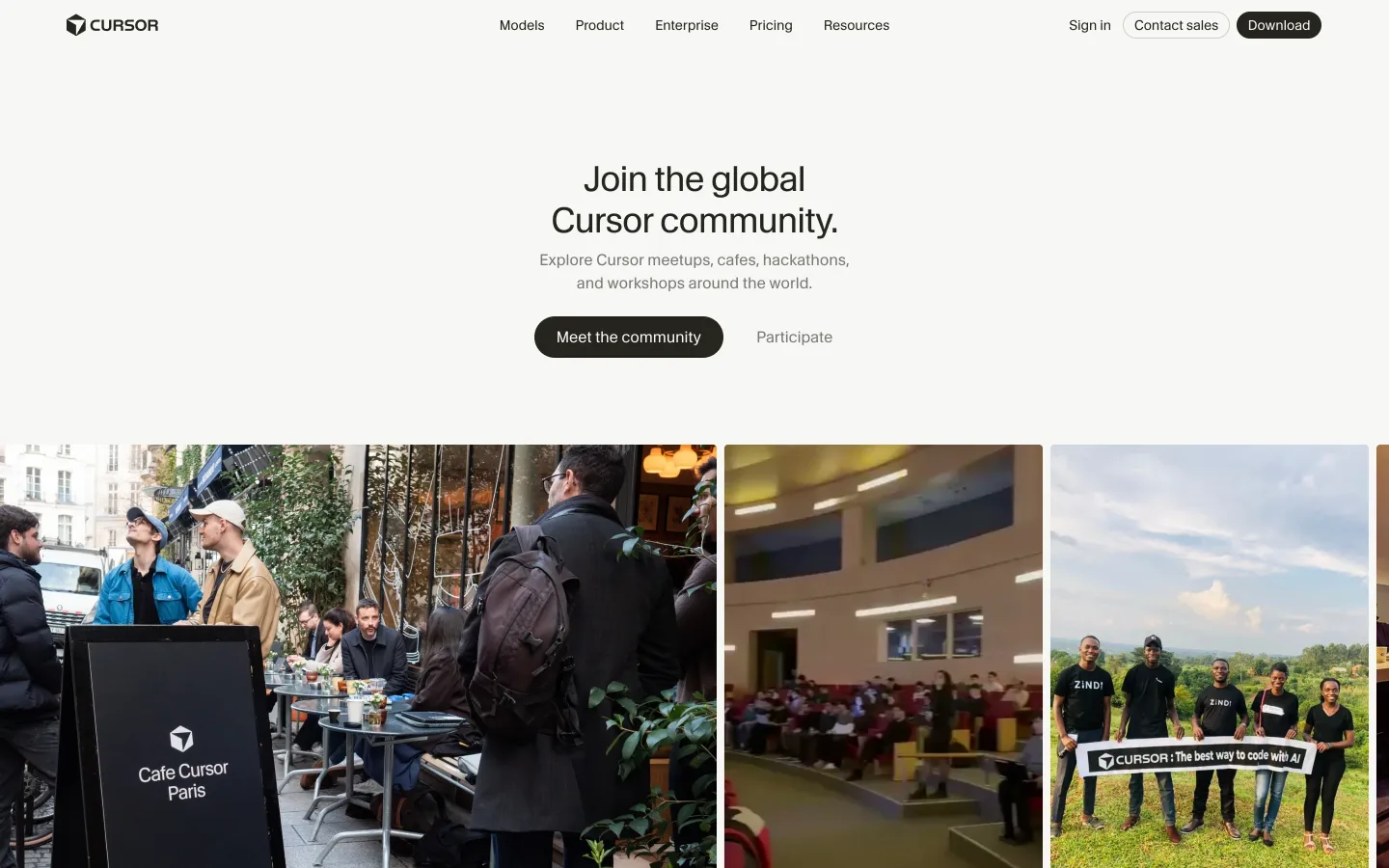
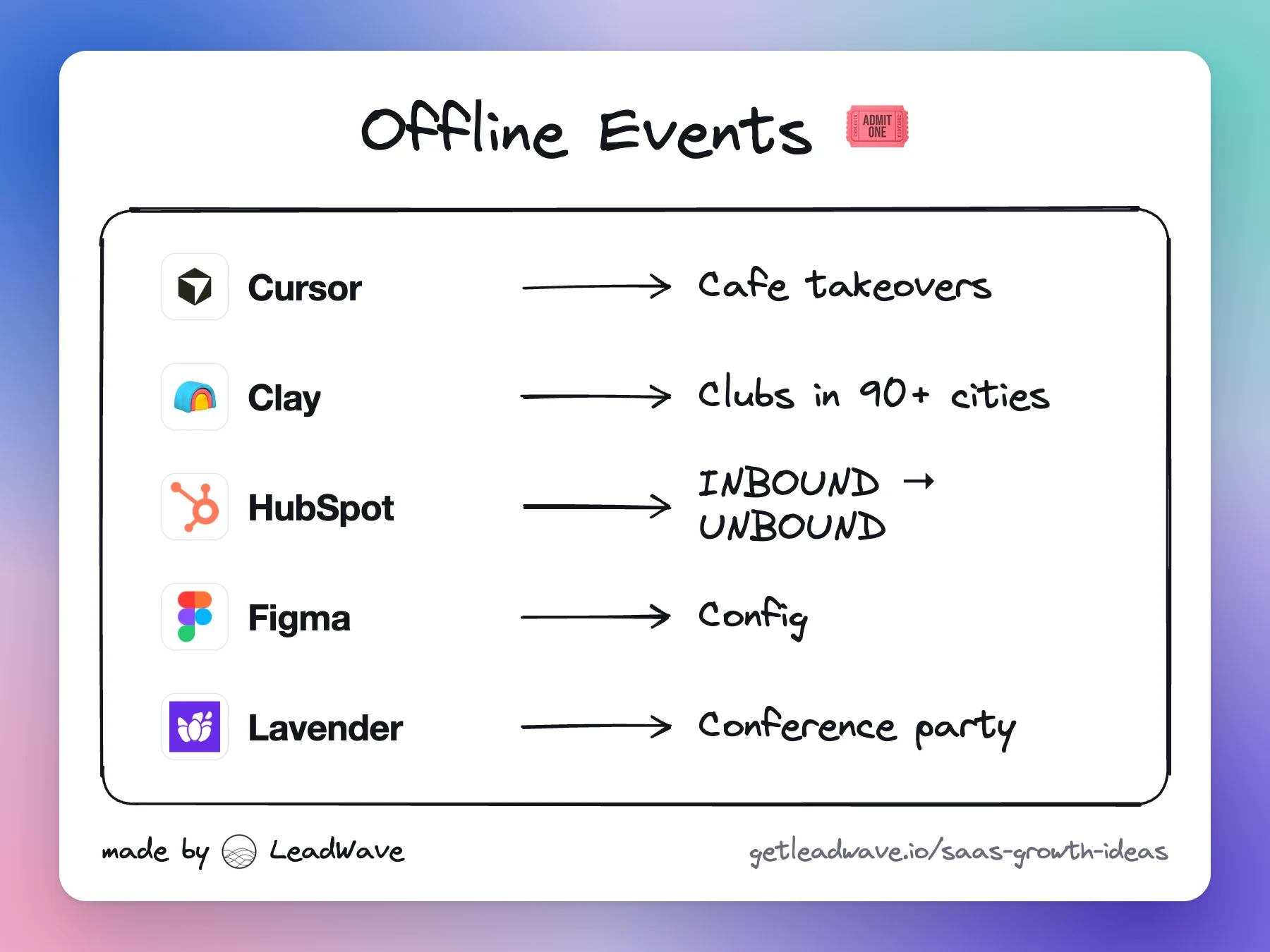
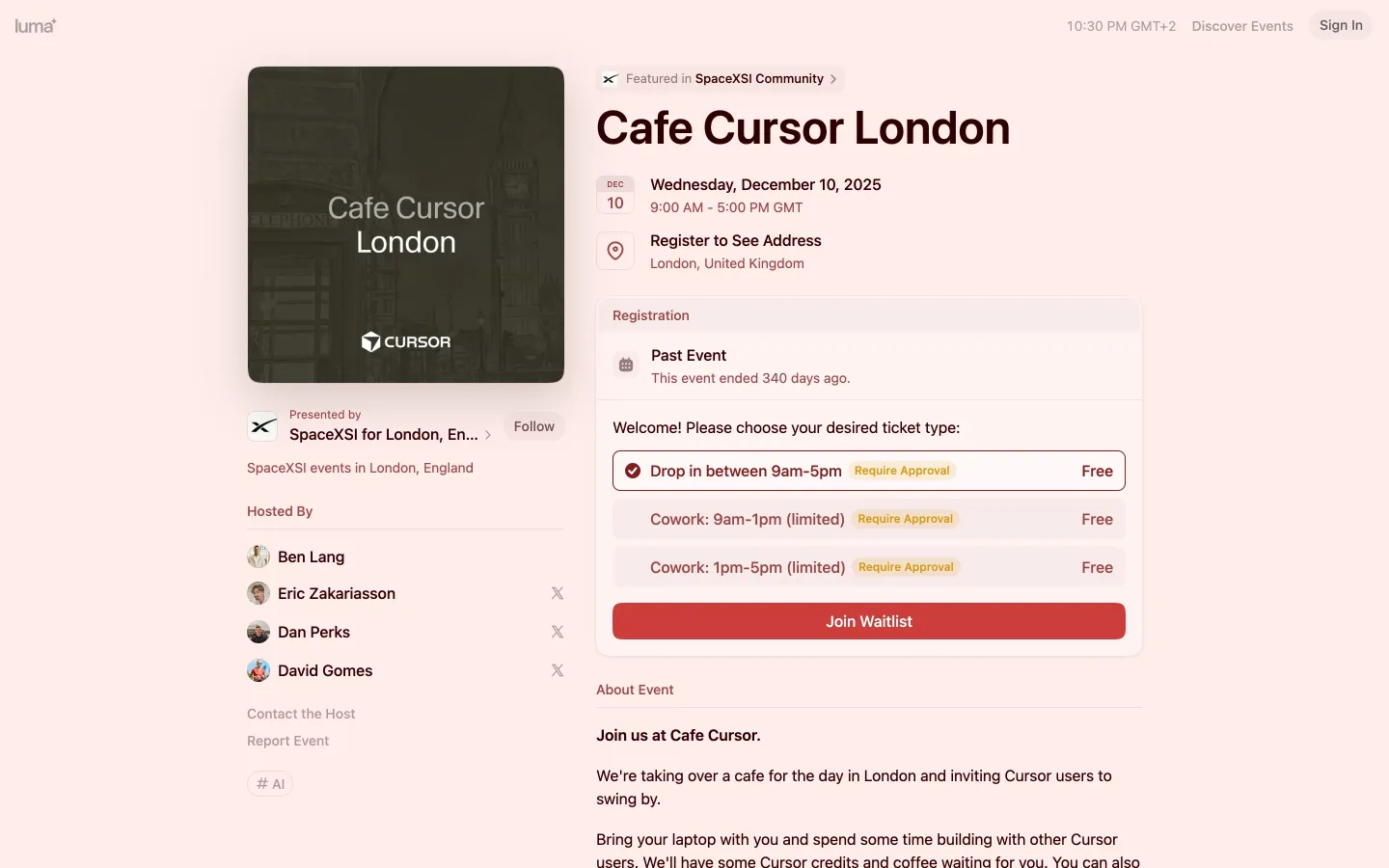
1. A cafe takeover. Cursor rents a real cafe for a day and invites local users to build together over free coffee and Cursor credits: no talks, no agenda, the team in the room. It started at the cafe next to its San Francisco office in 2025, and Cursor now counts 800+ community events in 250+ cities, most run by volunteer ambassadors. The full playbook is on community-led growth.
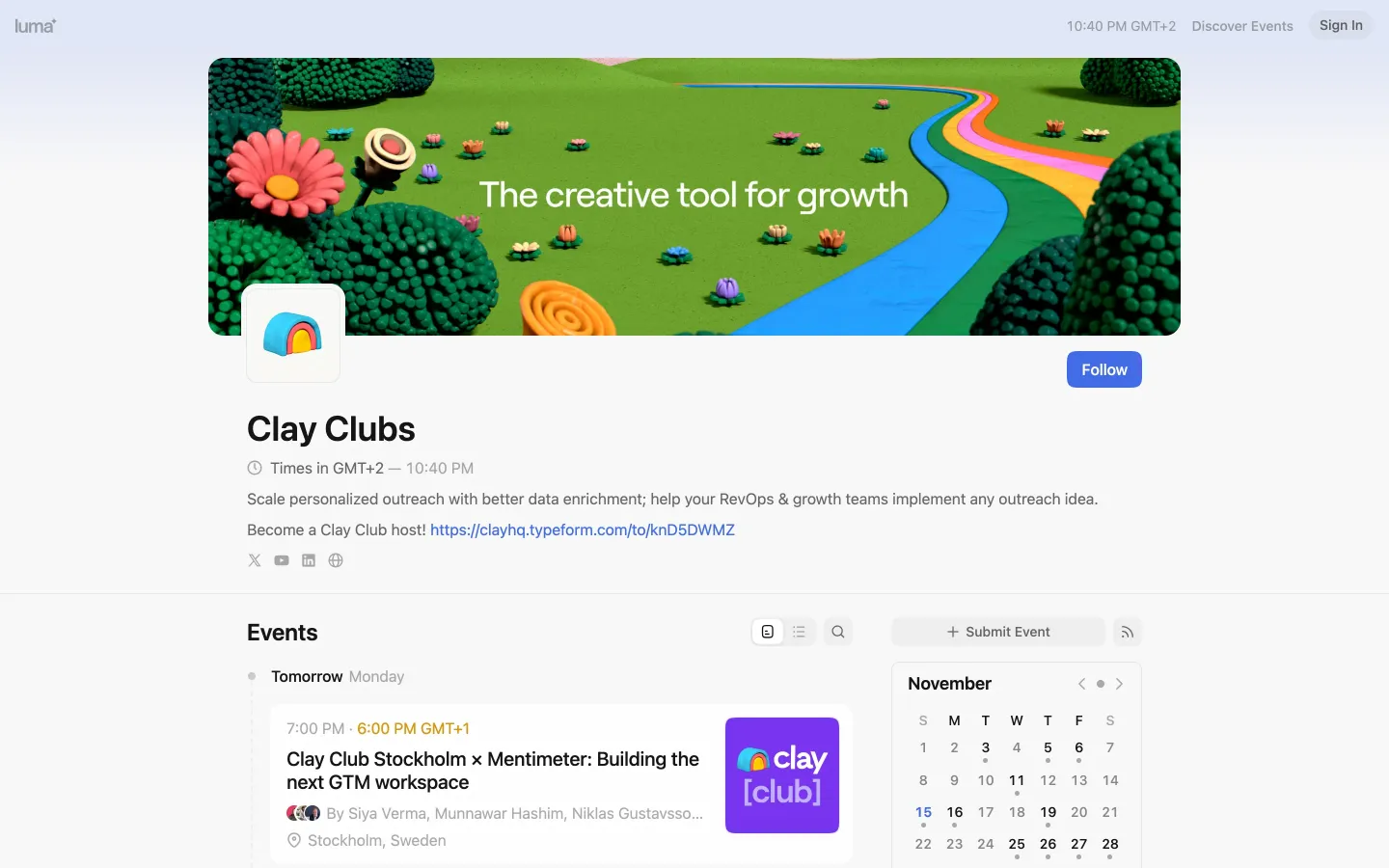
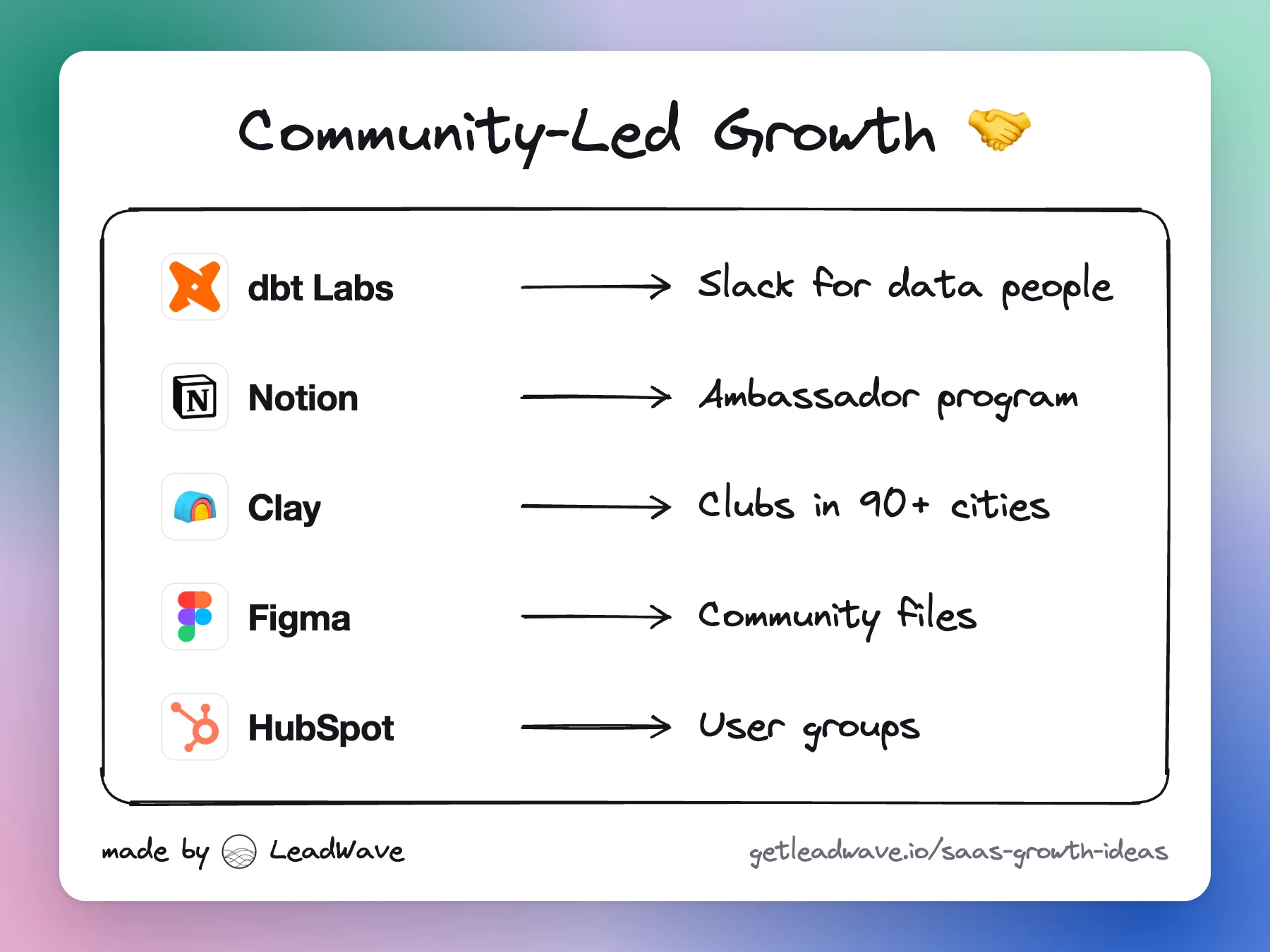
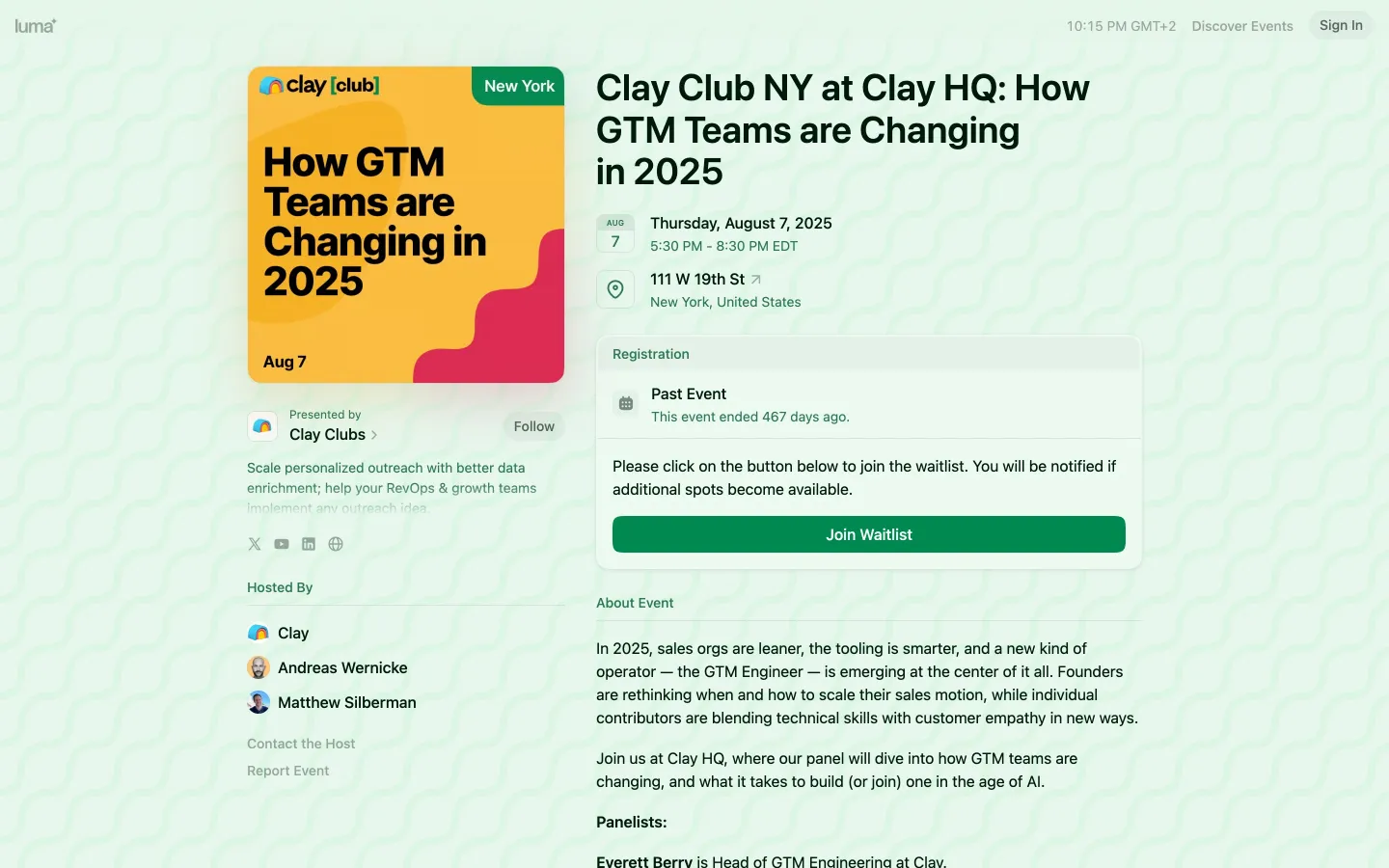
2. A local meetup at your office or a partner's. An evening panel or workshop for a room you can fill. Clay has hosted its New York club at Clay HQ, with panels like “How GTM Teams are Changing in 2025,” and volunteers run Clay Clubs in 90+ other cities with Clay's “budget, playbooks, promotion, and swag.”
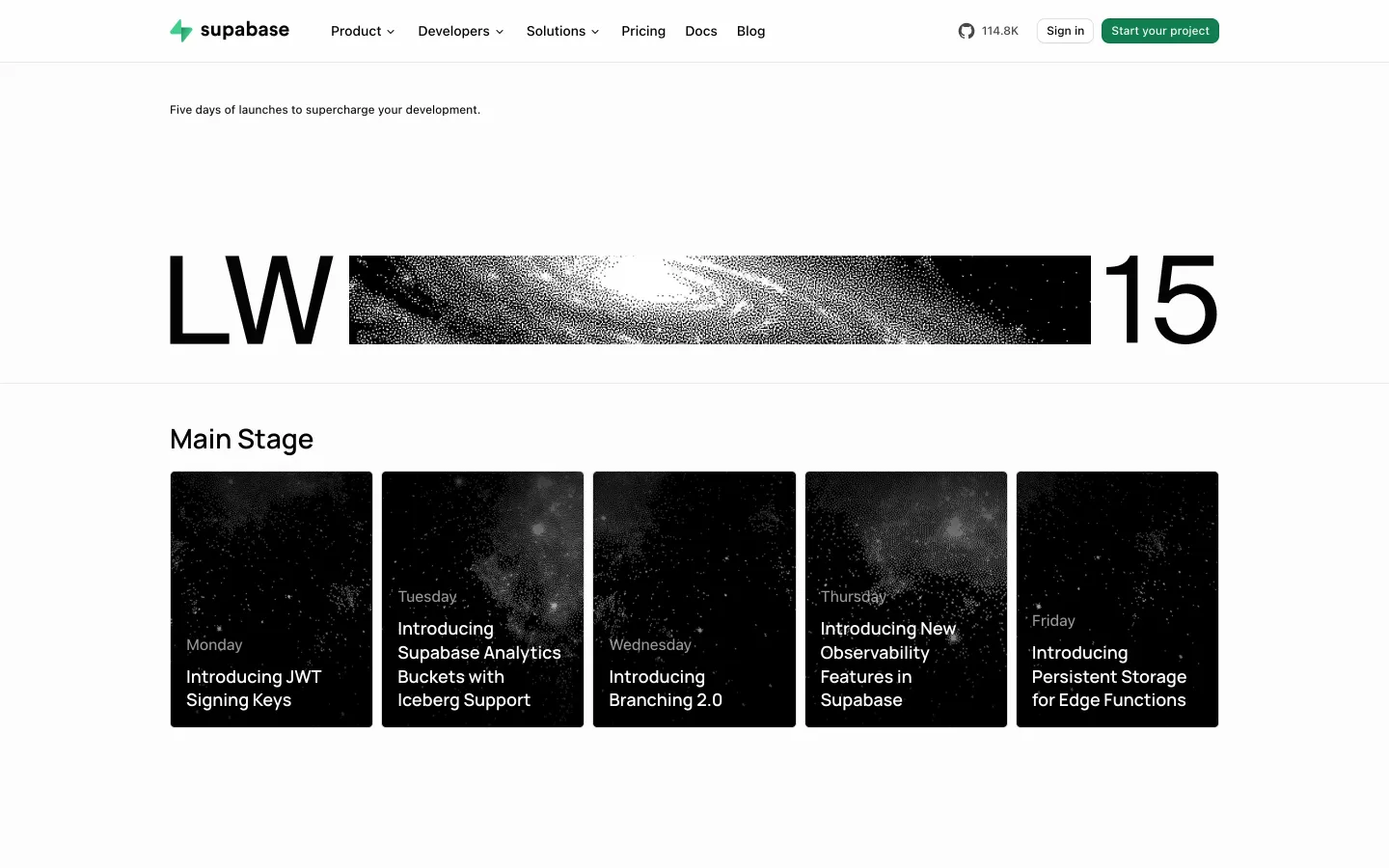
3. Meetups around a launch. Supabase pairs every Launch Week with community-run meetups. For Launch Week 15 in July 2025, its launch page listed 49 meetup locations around the world. A launch gives people a reason to gather, and the meetups make the launch feel bigger.
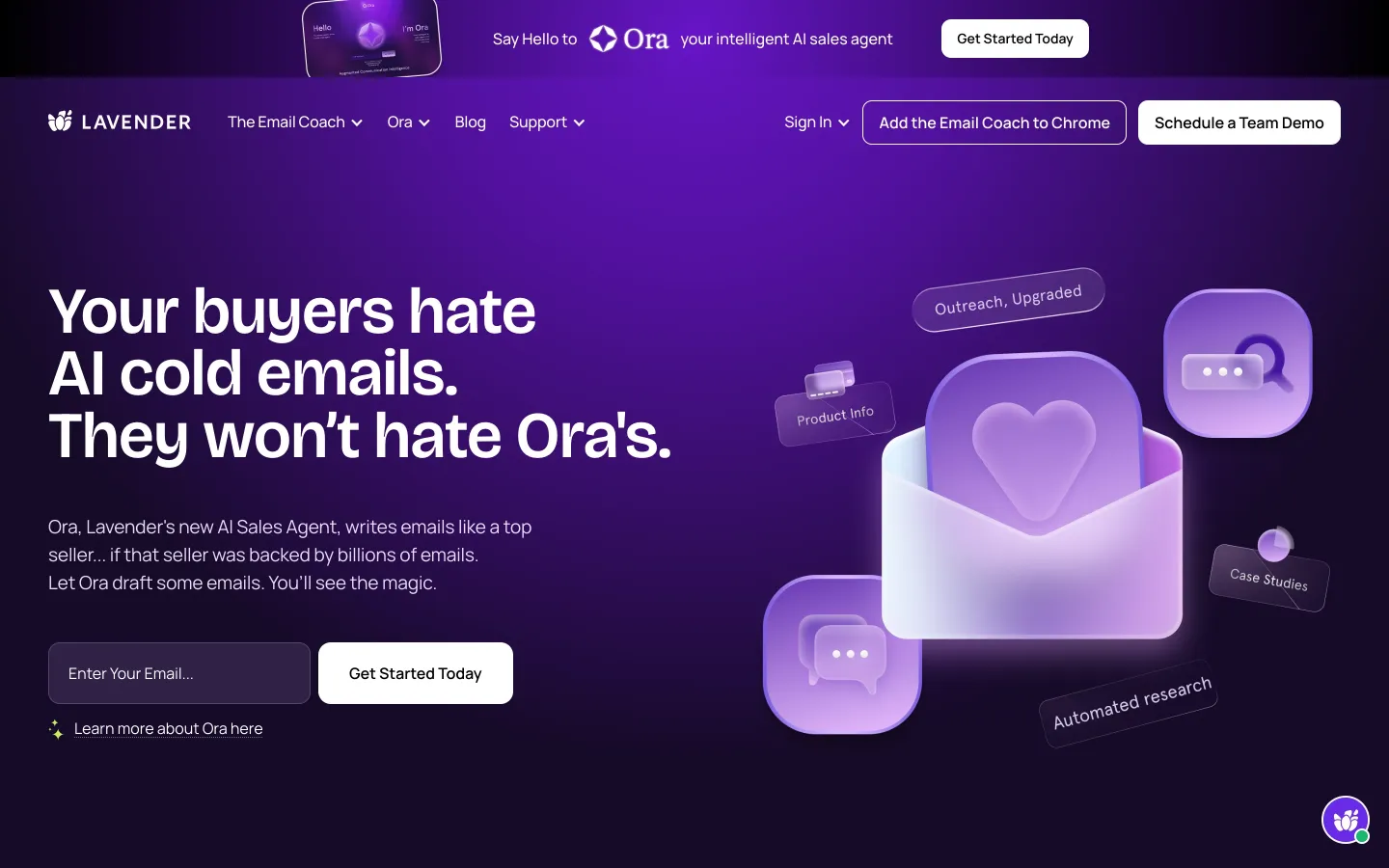
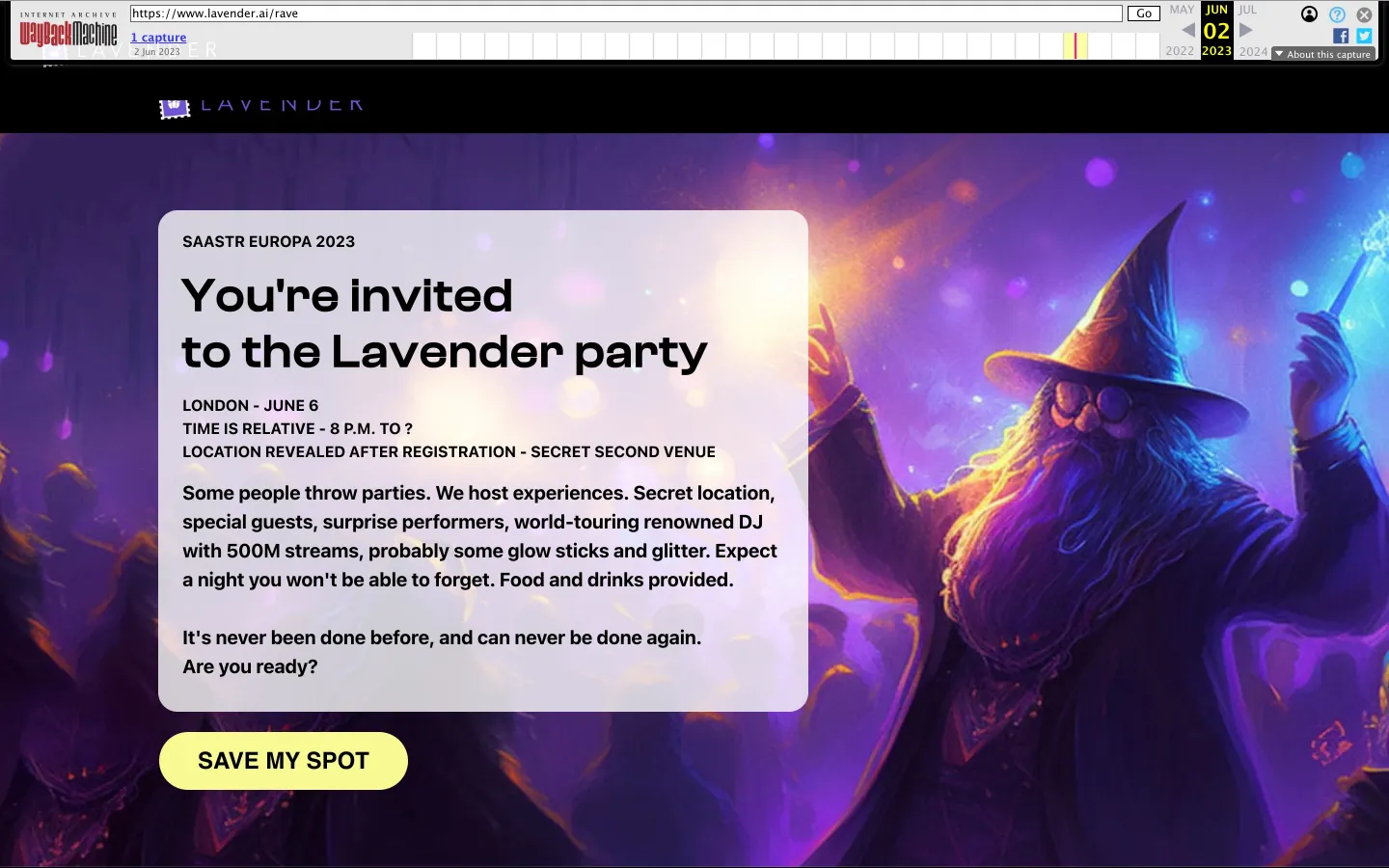
4. A party at someone else's conference. The big conference brings the crowd; you bring the night everyone talks about. During SaaStr Europa 2023 in London, Lavender invited attendees to a party at a secret location: “Some people throw parties. We host experiences.” A world-touring DJ, special guests, food and drinks: everyone at the conference could come, for the cost of one evening.
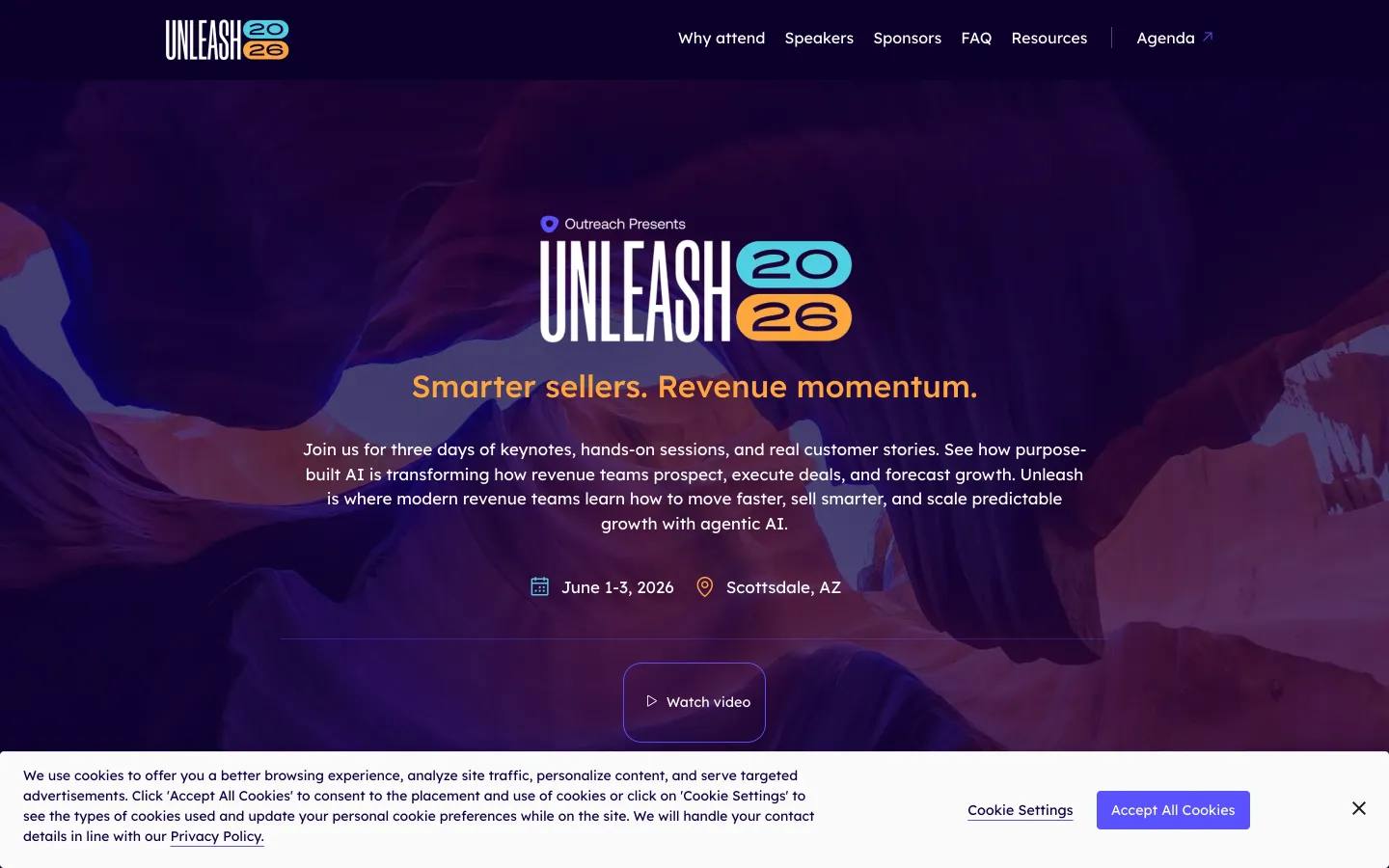
5. Your own conference. One to three days, talks, workshops and customers on stage. HubSpot's INBOUND, Figma's Config, Outreach's Unleash and Clay's Sculpt are all user conferences. They're the most expensive format, and the companies running them started much smaller.
Start small: how HubSpot and Figma grew theirs
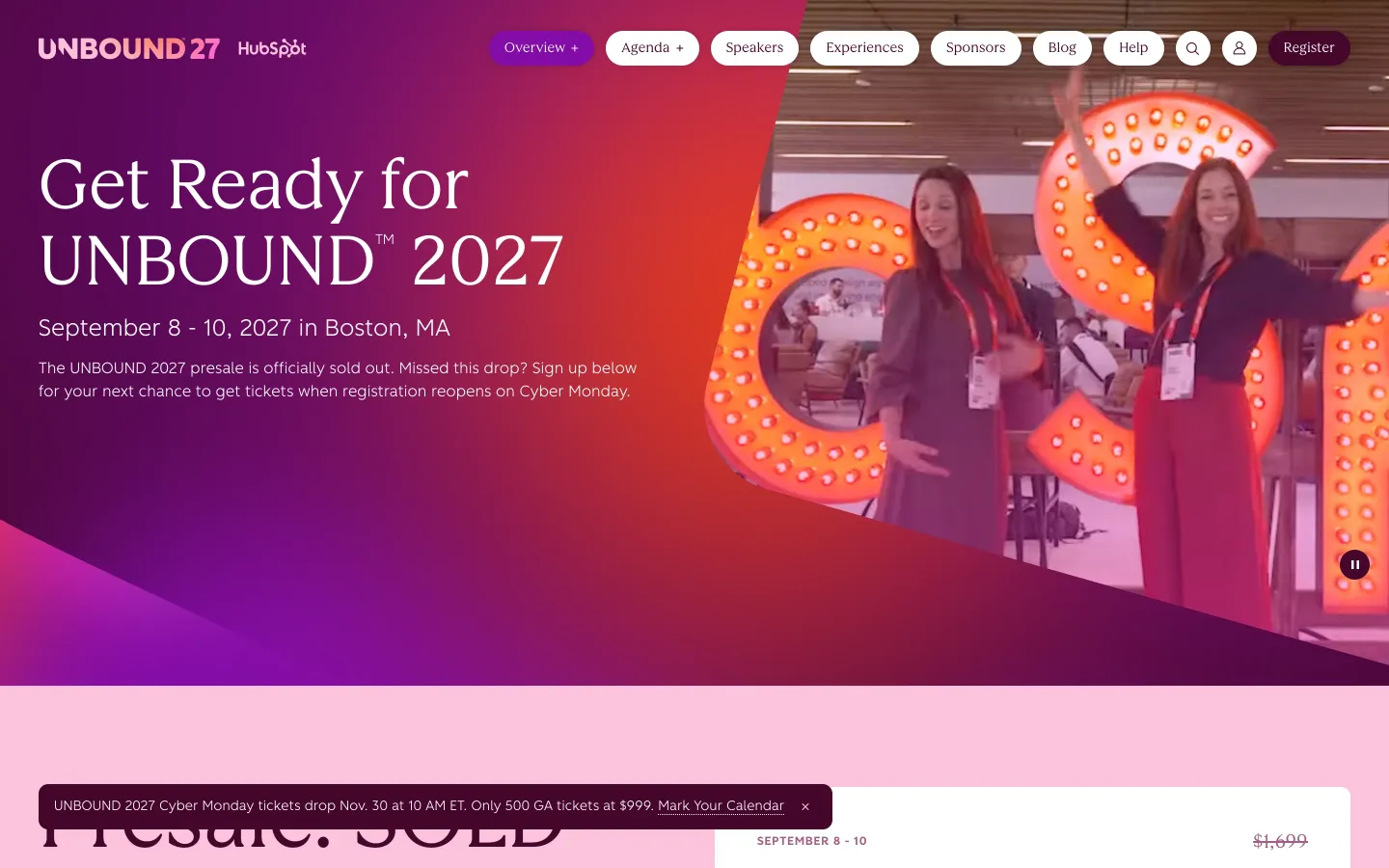
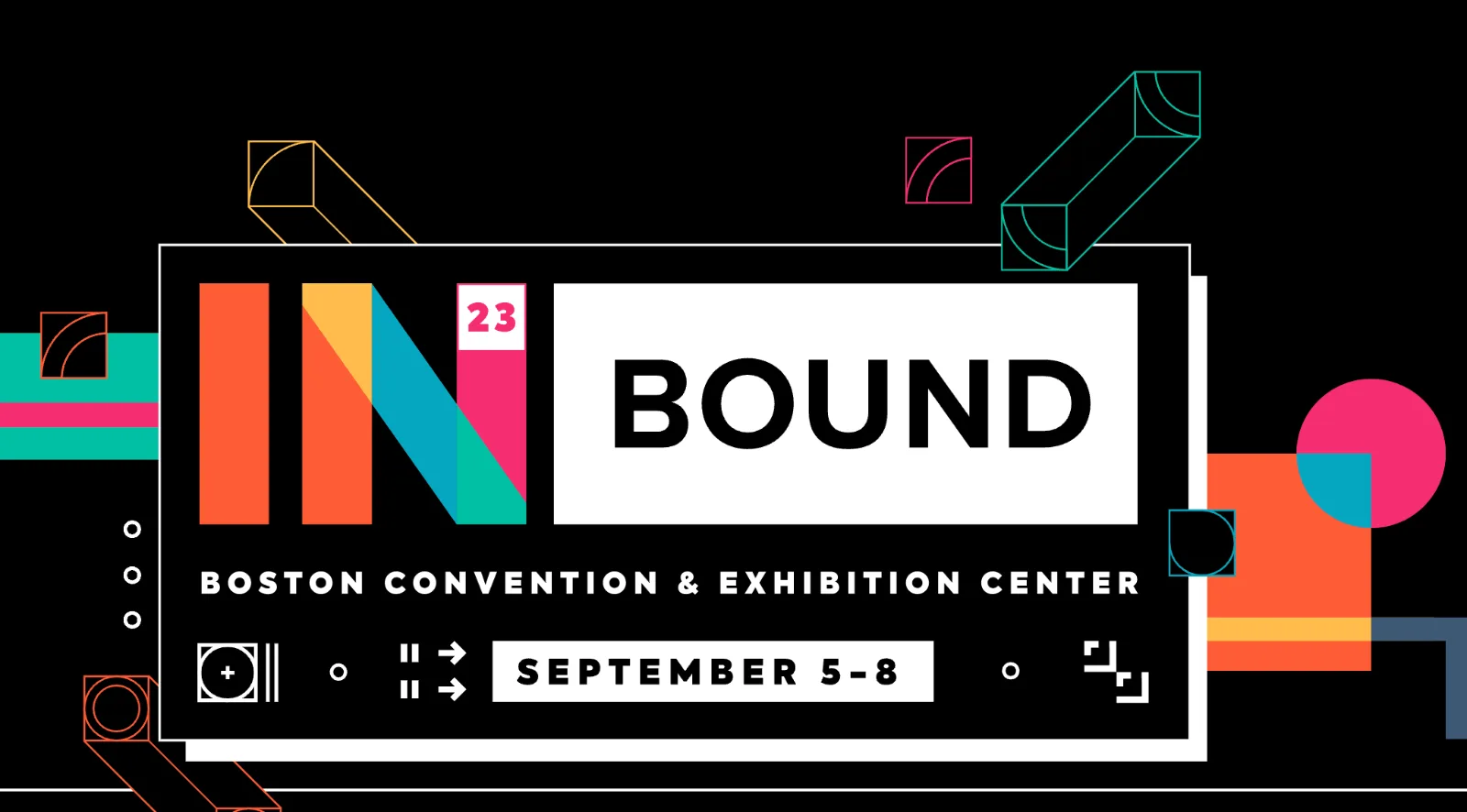
HubSpot's conference began as a user group summit. In 2012 it replaced that summit with INBOUND, and nearly 2,800 marketers came to Boston's Hynes Convention Center, almost three times the summit's crowd. “We thought 2,000 was an audacious attendance goal,” said co-founder Dharmesh Shah. Over the next 15 years hundreds of thousands of people attended, and in 2026 HubSpot renamed it UNBOUND, because the company had outgrown one methodology.
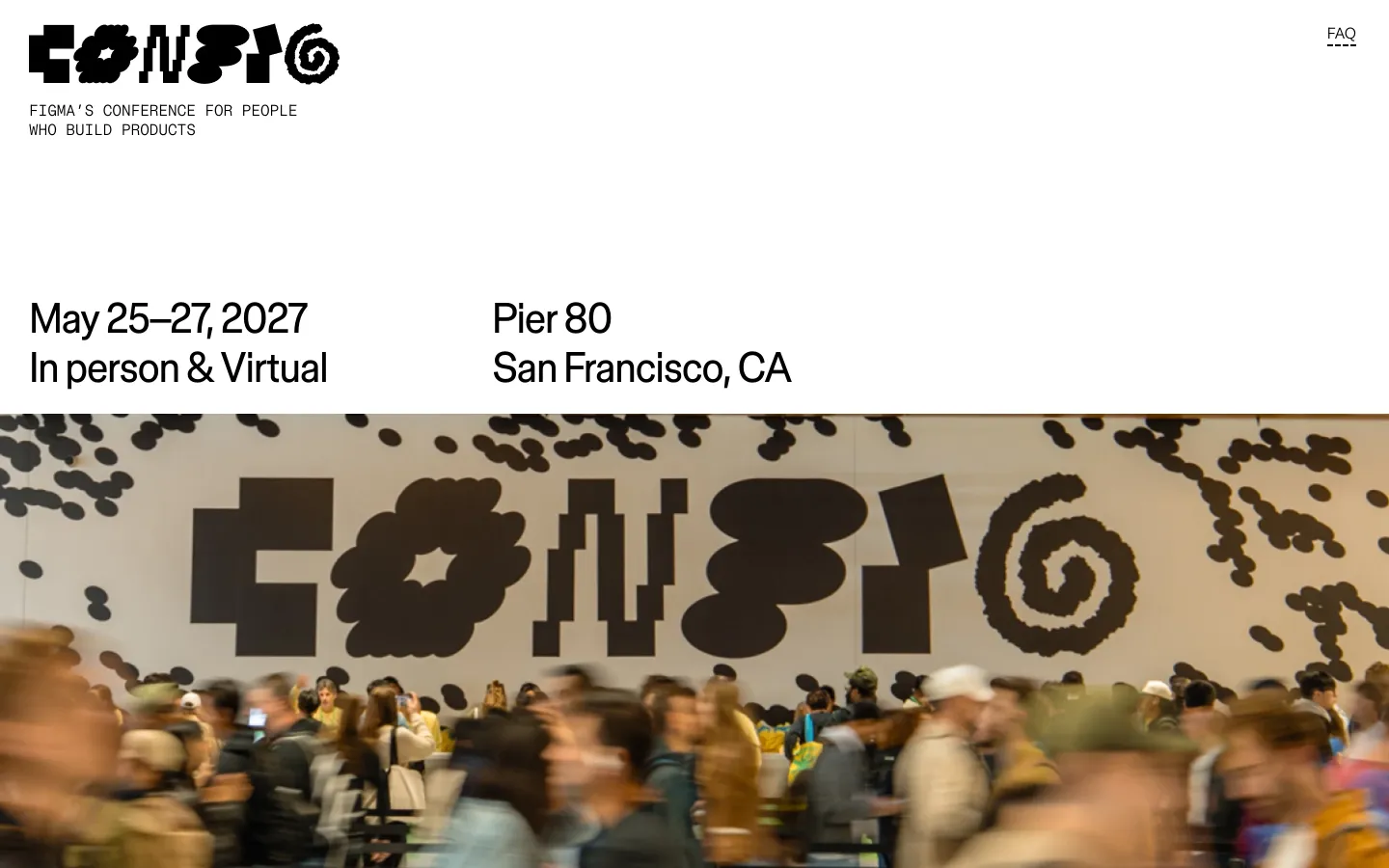
Figma's first Config in February 2020 brought over 1,000 people together in San Francisco. Its CEO Dylan Field wanted “a physical manifestation of the community,” and Figma didn't write the agenda alone: “Instead of building out a set agenda, we leaned on you all to bring Config to life.” Users proposed the workshops, lightning talks and roundtables. Config now runs every year, in person and online.
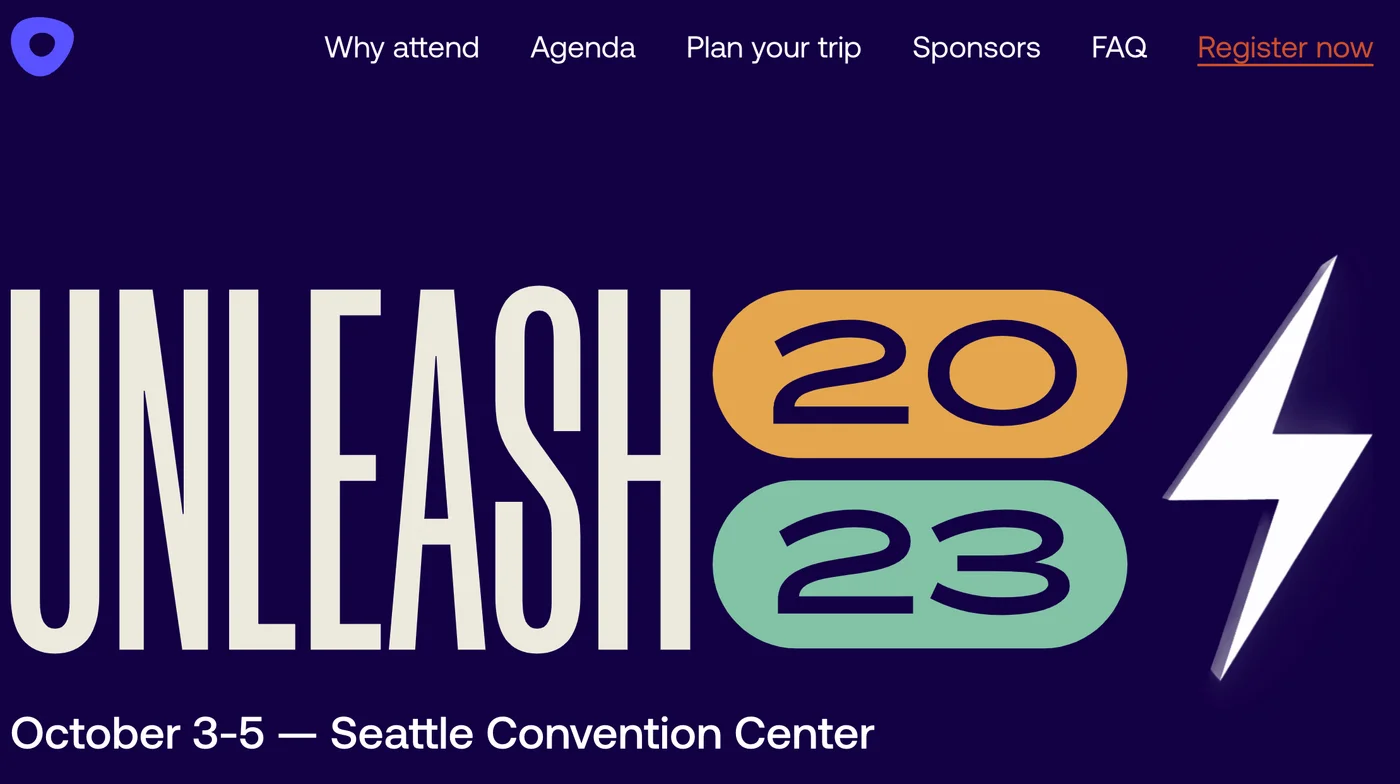
Outreach's Unleash is the sales-tool version: three days of keynotes, hands-on sessions and customer stories, with separate tracks for executives, sellers and RevOps admins.
The lesson for a smaller company: run the meetup, then the summit, then the conference. Each step tells you whether people want the next one.
Run an event people remember
- Invite from your product data. For the cafes it runs itself, Cursor emails its top 1% of users in the city. Mix your best customers with prospects who look like them, so prospects hear from peers, not sales.
- Pick a place people already like. A good cafe, a rooftop, your office if it's nice. Plants and daylight beat a hotel ballroom.
- Give something that costs you little. Credits, a plan upgrade, coffee or drinks on you, merch people actually wear.
- Send the people who build the product. Engineers and founders, not only sales. Attendees come to meet them and tell them what to fix.
- Plan one thing worth posting. A surprise guest, a live build, a secret second venue like Lavender's. It's what people photograph and talk about the next day.
- Ride someone else's crowd first. Before your own conference, host a dinner or party during a big one your buyers already go to.
- Follow up within two days. Photos to everyone, a personal note from the person they talked to, and the date of the next one.
Make it pay back
Events feel good and are easy to overspend on, so decide before the first one how you'll know it worked:
- Tag every guest in the CRM (HubSpot or whatever you use): invited, registered, attended, and who they spoke to.
- Count meetings and pipeline from attendees in the 90 days after, and compare them with similar prospects who didn't come.
- Watch retention and expansion of customers who attend against those who don't.
- Track the content: posts, photos and talk recordings people share, and the signups from them.
- Note the hires and the hosts: volunteers who want to run the next one in their city are how Cursor and Clay reached hundreds of cities.
Where events fail
- Starting with a conference. A big first event that half-fills is expensive and looks bad in photos. Start with a room you can fill.
- Inviting only prospects. Without customers in the room, it's a sales pitch with drinks.
- A booth instead of a reason. A sponsor booth at a big conference is easy to buy and easy to ignore; a dinner or party nearby is remembered.
- No follow-up. The week after decides whether the event made money.
- One and done. People come back to a series. A single event is a nice evening; a monthly meetup becomes a community.