

Why quality is a growth tactic
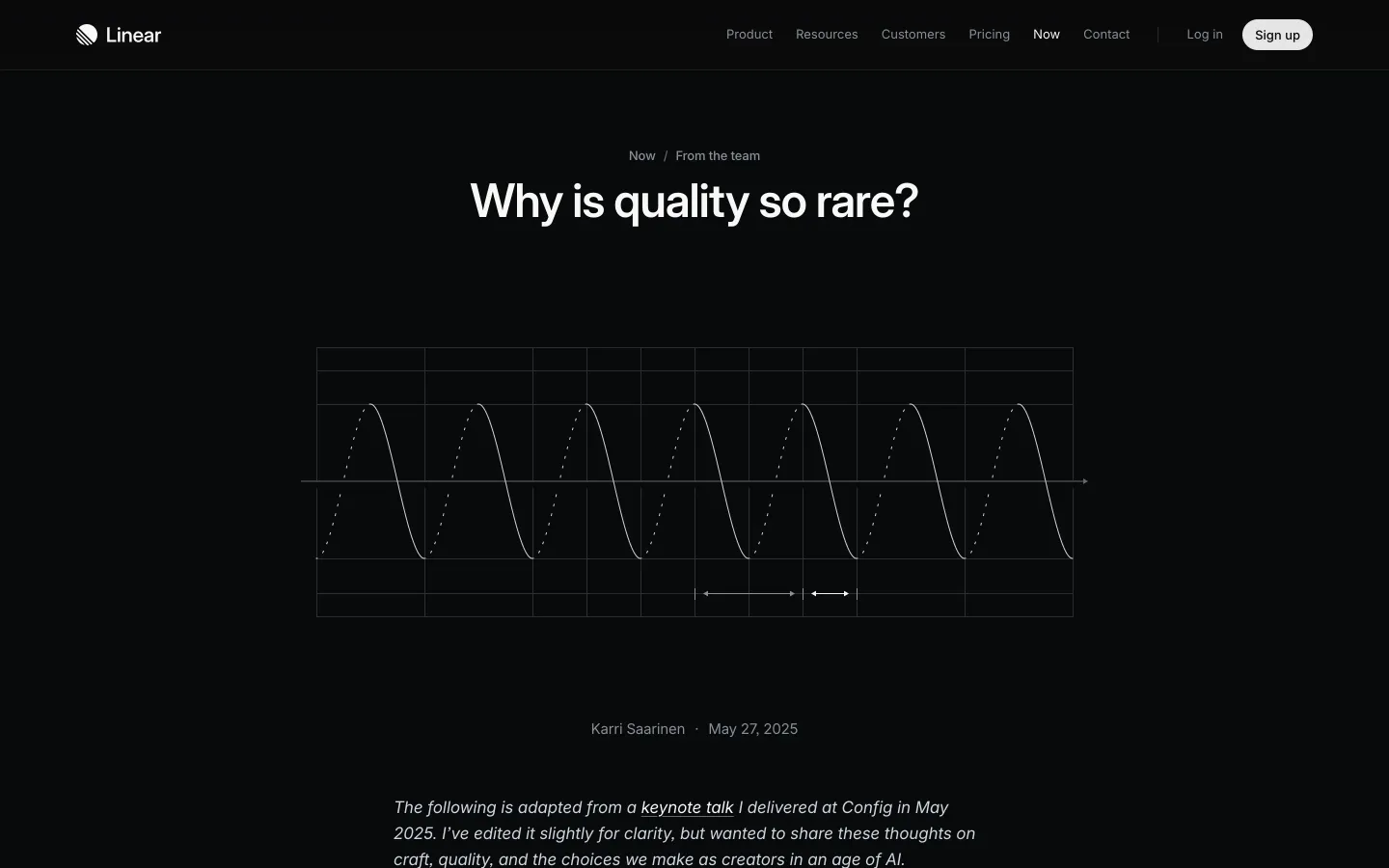
Most growth tactics push people toward a product. Quality works the other way: the product gets so good that people bring others to it. Karri Saarinen, Linear's CEO, put it this way in the essay “Why is quality so rare?”: “Quality creates gravity — it pulls people in rather than requiring us to push.”
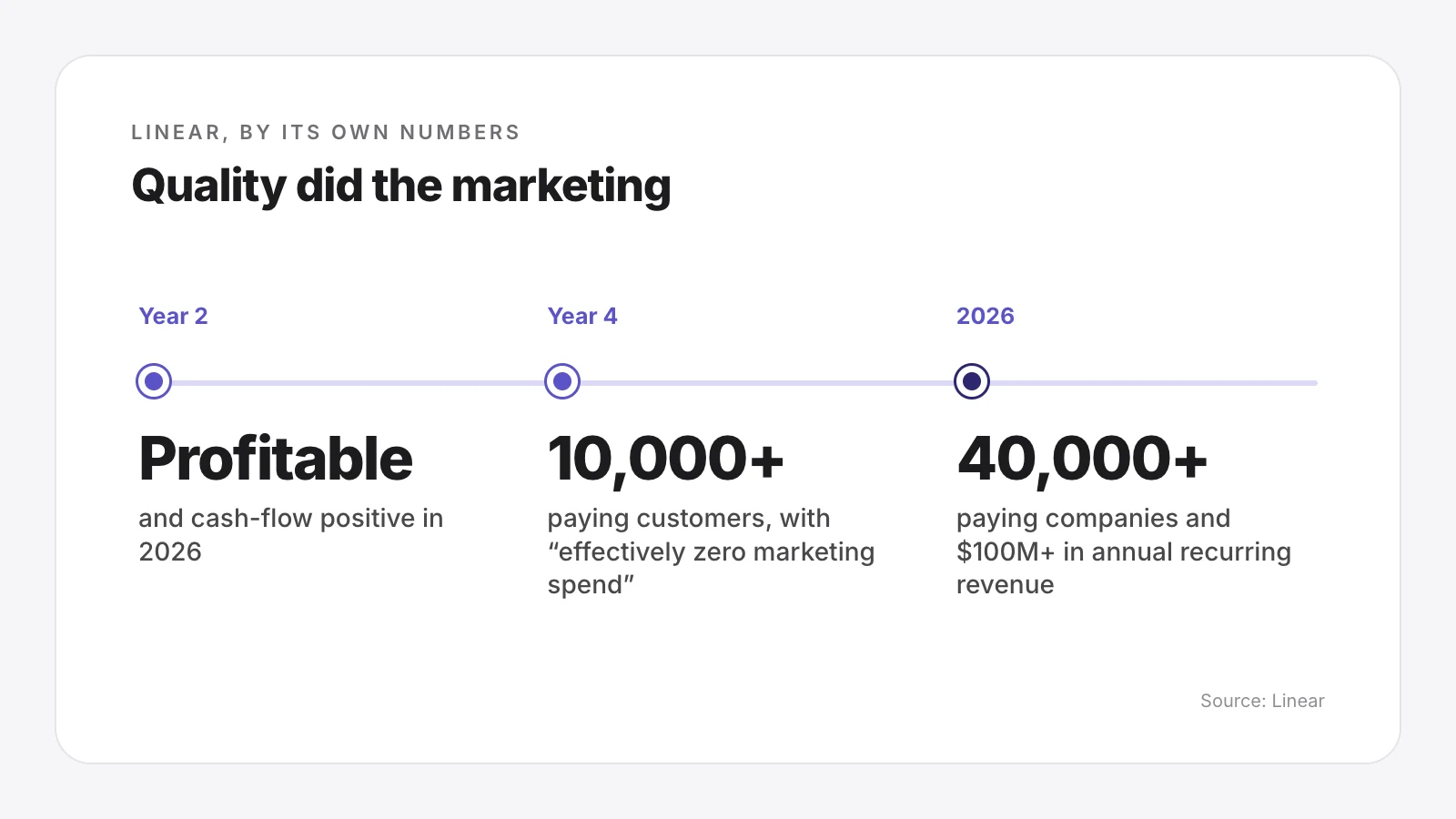
Linear entered a crowded market of issue trackers and made quality its way to win. “One team would experience Linear, tell others, and adoption would spread organically throughout organizations,” Saarinen writes. Linear was profitable by year two, and by year four it had more than 10,000 paying customers “with effectively zero marketing spend.” The conclusion: “when you build something that feels just right, your customers will do your marketing for you.”
Quality feeds growth in four ways:
- Word of mouth. People recommend the tools they enjoy using, and a recommendation from a colleague beats any ad.
- Retention and expansion. Teams that love a tool keep it and add people to it. Linear's net revenue retention is 177%.
- A reason to switch. When a category has a big, tired incumbent, a better product gives people a reason to leave it.
- Hiring. Linear says its quality rules are “a clear signal that helps us attract the right people.”
Steve Jobs and the memory chips nobody would see
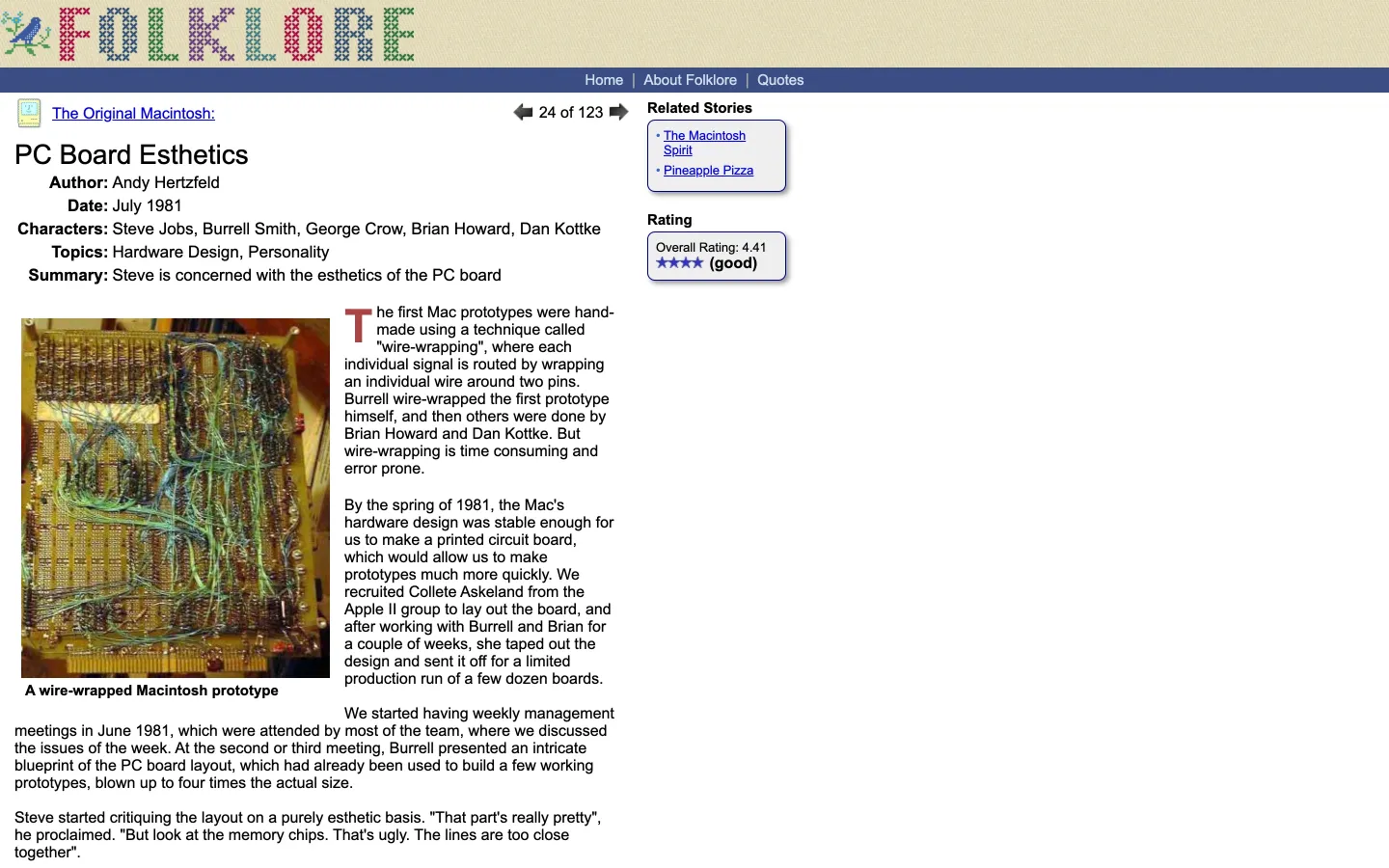
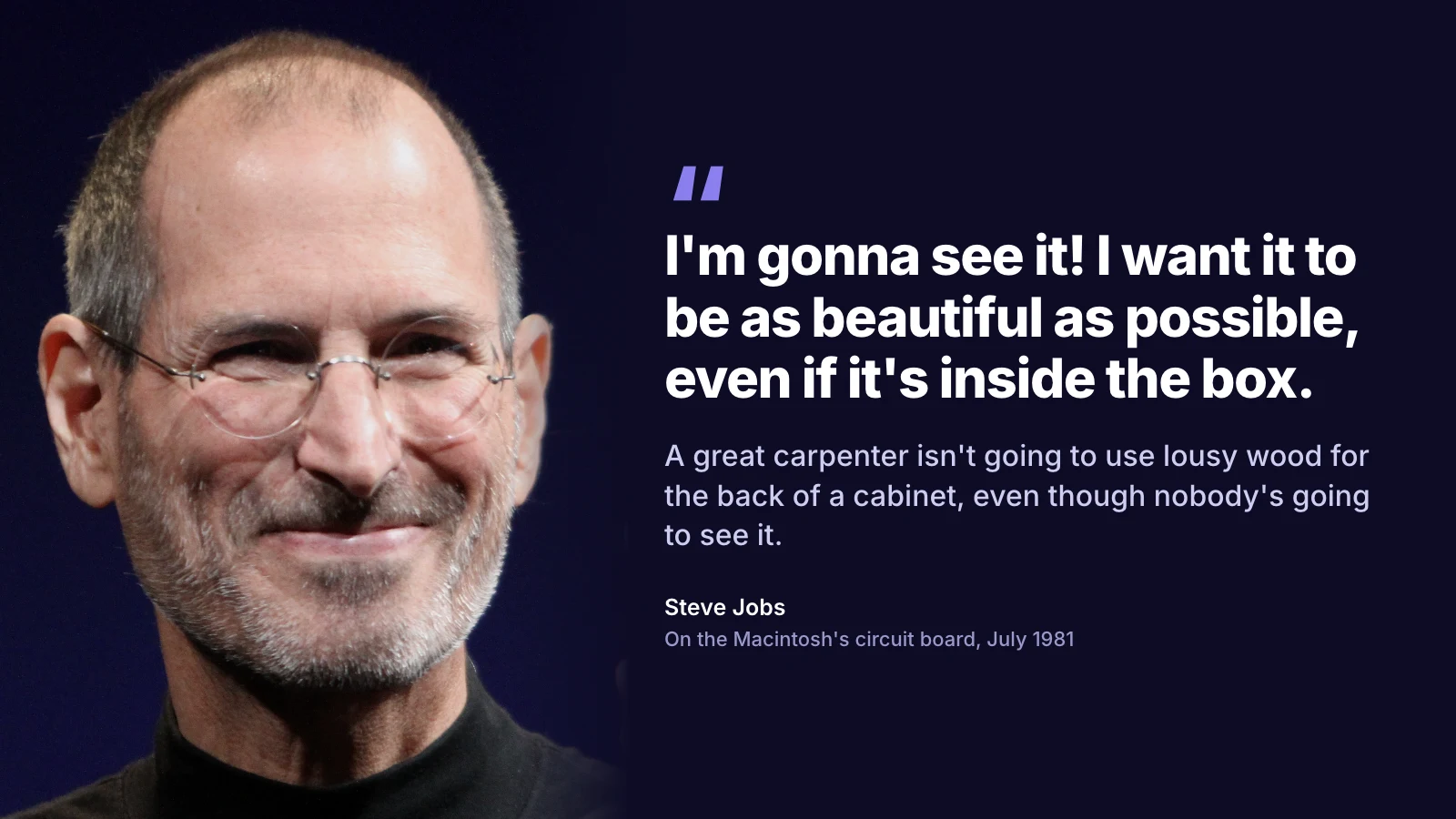
The best-known story about this comes from the first Macintosh. In July 1981, engineer Burrell Smith showed the team a blueprint of the computer's circuit board, blown up to four times its real size. As Andy Hertzfeld, who was on the team, tells it, Steve Jobs started judging the layout purely on its looks.
“That part's really pretty,” Jobs said. “But look at the memory chips. That's ugly. The lines are too close together.”
George Crow, an engineer, interrupted: “Who cares what the PC board looks like? The only thing that's important is how well that it works. Nobody is going to see the PC board.”
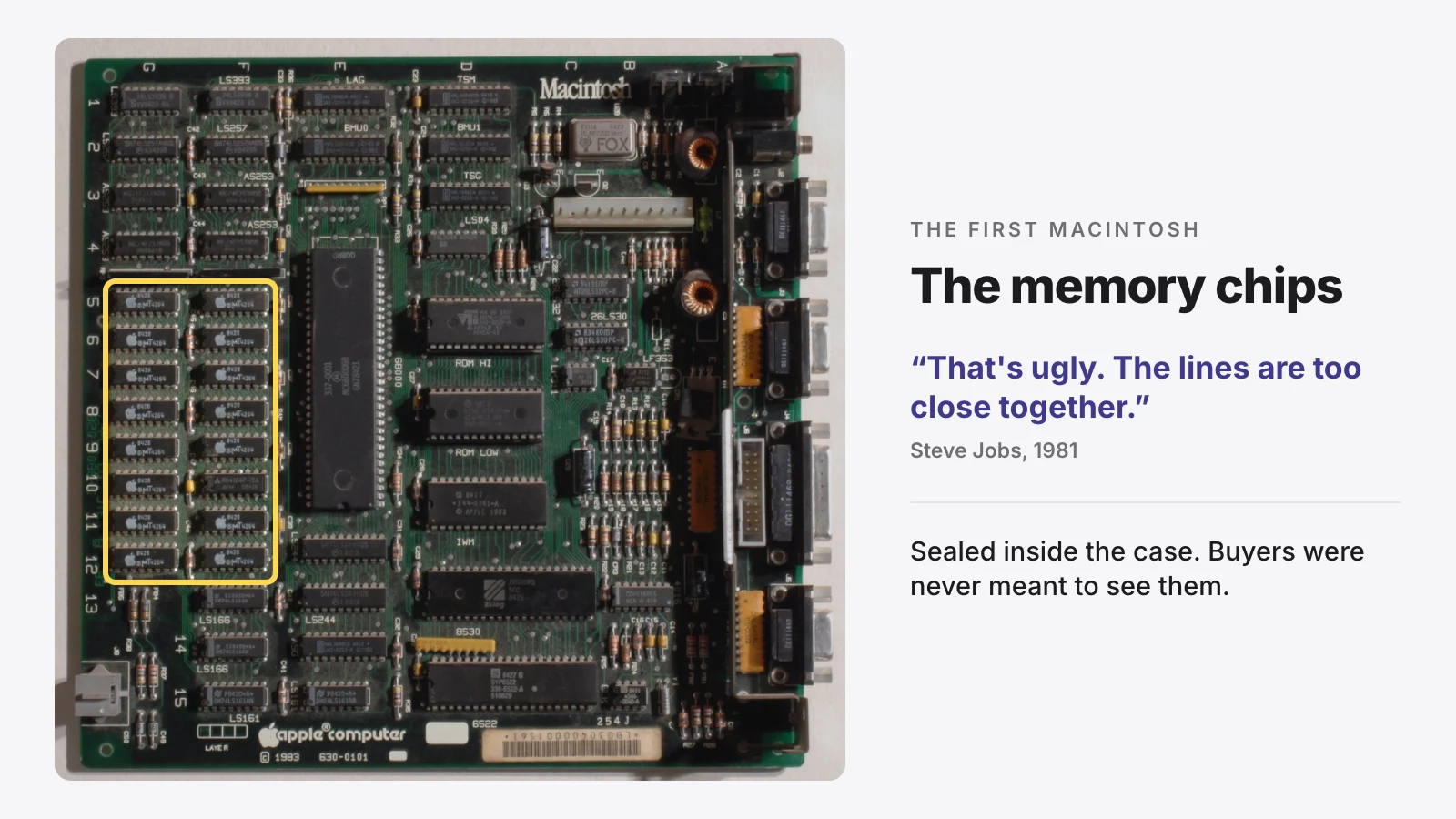
The story has an ending people often leave out. Jobs asked for a prettier layout, on one condition: “if it doesn't work as well, we'll change it back.” The team spent about $5,000 on new boards. They didn't work properly, so the team went back to the old design. Care about what nobody sees, but the thing still has to work.
Jobs took the idea further. On February 10, 1982, the Mac team signed a sheet of drafting paper, and their signatures were engraved into the mold for the plastic case, so they're inside every original Mac. “Most customers would never see them, since you needed a special tool to look inside,” Hertzfeld wrote, “but we would take pride in knowing that our names were in there, even if no one else knew.”

In software, the back of the cabinet is the settings page, the error message, the empty state and the animation nobody consciously notices. No single one sells the product. Together, they're why it feels good to use.
Linear: quality as a company rule
Linear's leaders don't keep this as an internal value. Saarinen and CTO Tuomas Artman write about it in public, in essays like “Why is quality so rare?”, “Design is more than code” and “Output isn't design.” People know what the company stands for before they open the product, and the essays spread among the designers and engineers who choose tools.
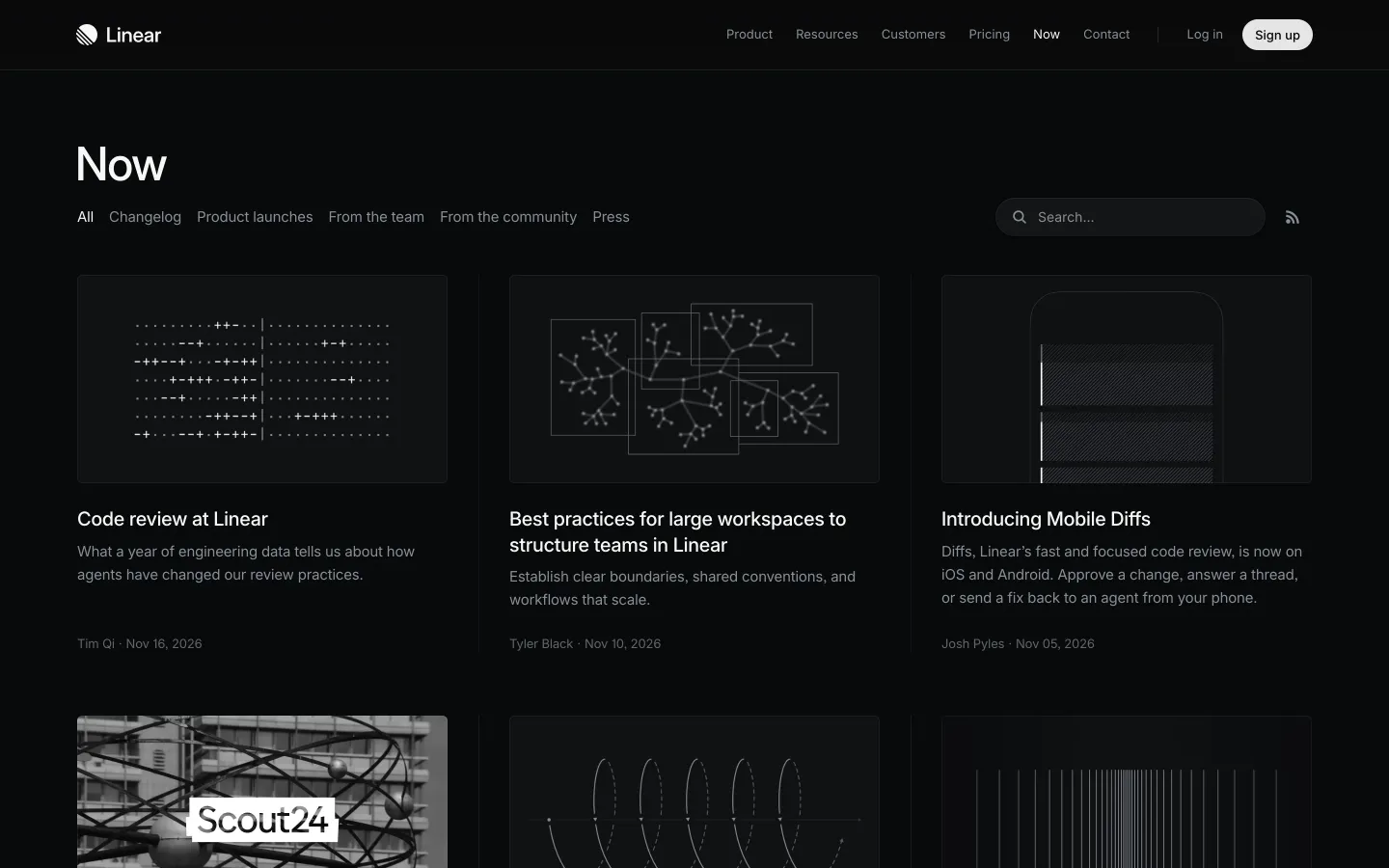
Four habits keep quality from being a slogan:
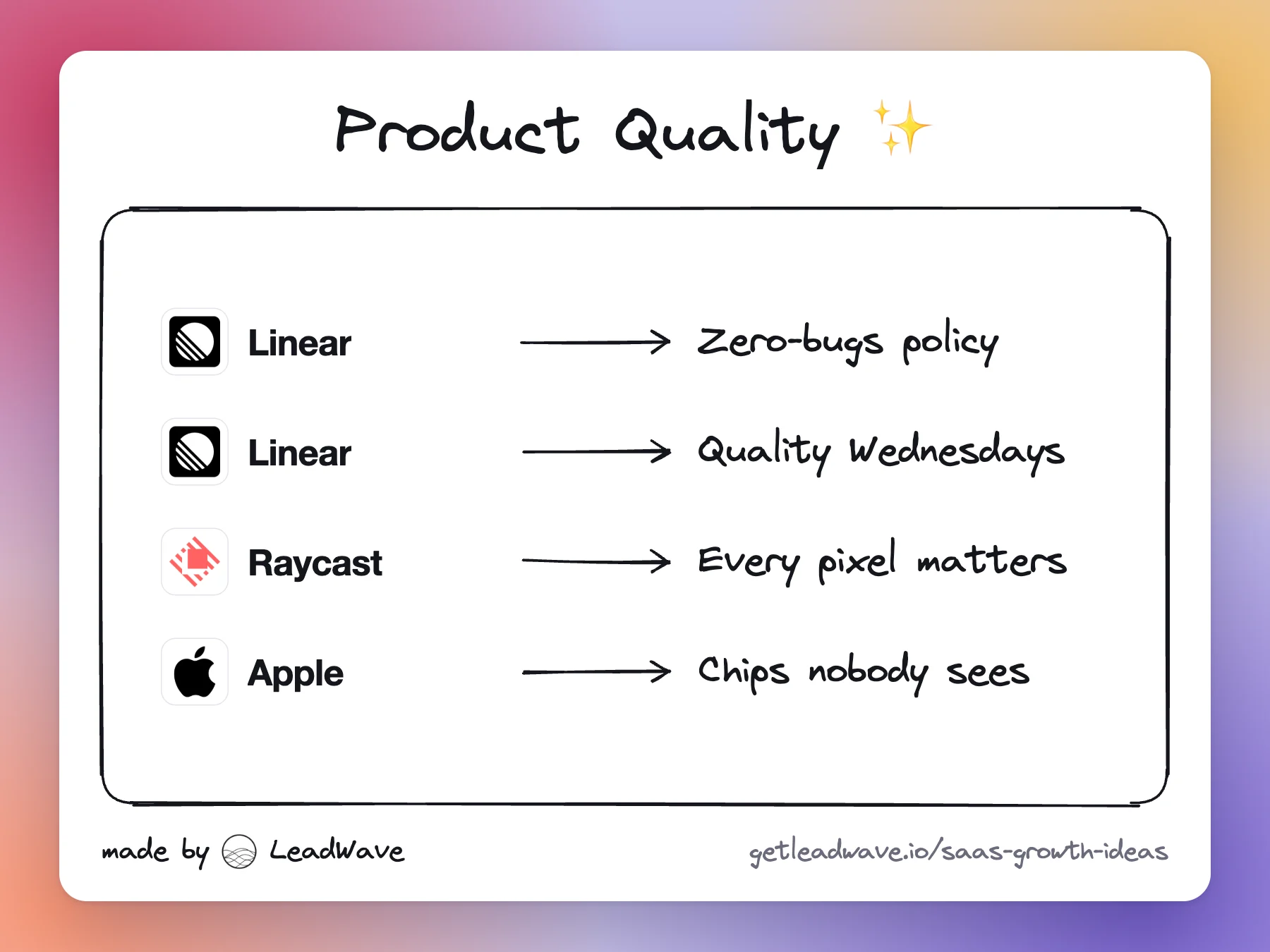
- Zero bugs. Linear fixes bugs right away: within 48 hours for high-priority ones and 7 days for the rest. To start, it paused all other projects for three weeks to clear about 175 open bugs. “No one did anything but fix bugs.” A bug can be closed as “won't fix,” but it can't go to the backlog.
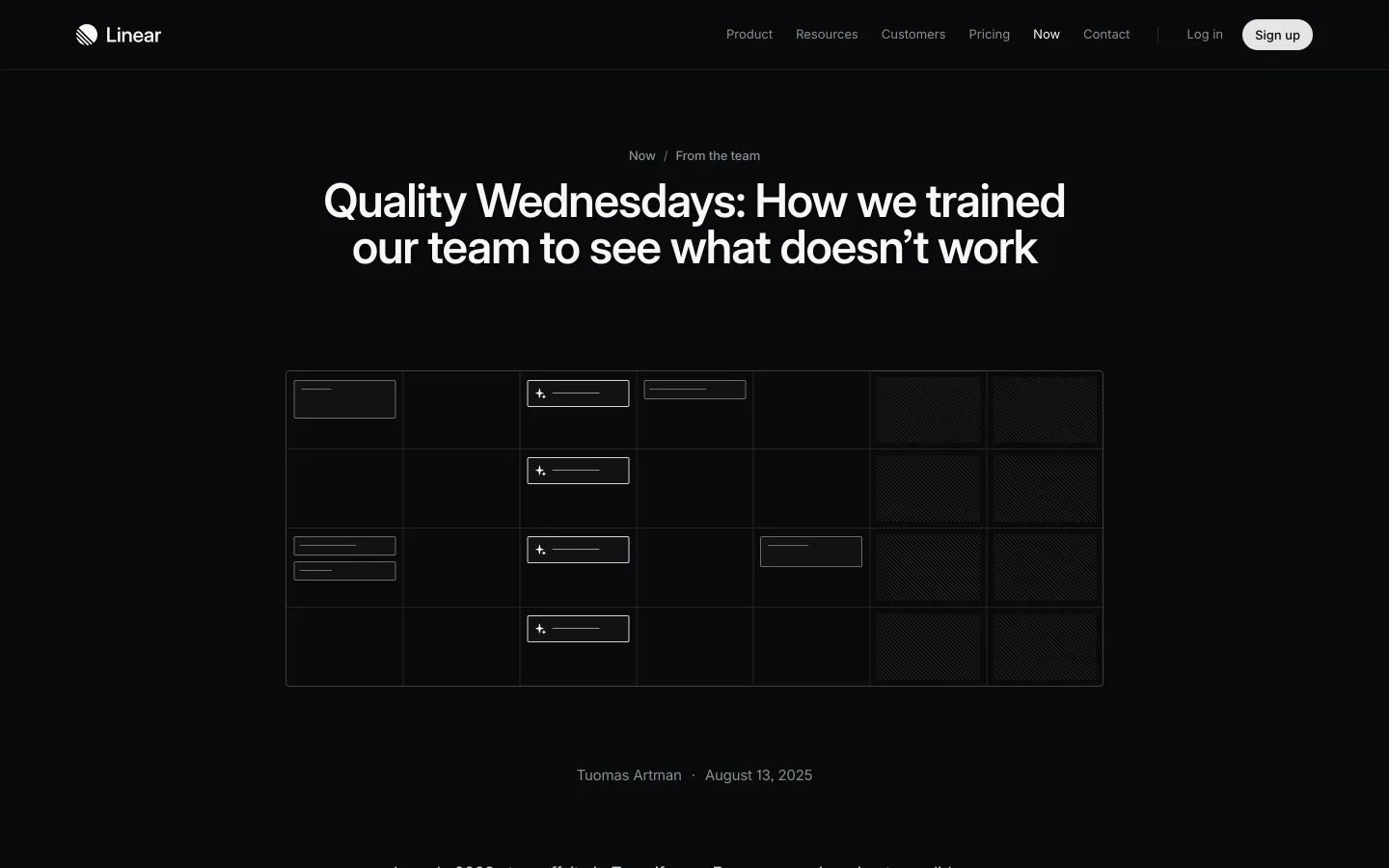
- Quality Wednesdays. Each engineer finds one small flaw and shows the fix at the Wednesday team meeting. Linear has shipped more than 1,000 of these in two years. Most take 30 minutes or less, like a button that darkened instantly instead of fading out over 150 milliseconds.
- One question for every decision. Linear asks “does this improve quality?” not just “will this ship faster?”
- Small teams with taste. “We believe 3-5 people with good taste make better decisions than large committees.” The whole team stays on the work until it's right, with no handoffs.
Why teams are leaving Jira for Linear
Jira has been the default for software teams for two decades, so leaving it is a big decision. Over the last 18 months, Linear says, public companies and engineering organizations of several thousand people have done it, walking away from active Jira contracts. Klaviyo moved its whole product and engineering organization in January 2026, leaving twenty years of custom Jira workflows behind. Oscar Health moved over 600 people, and Opendoor moved 500 seats in two weeks.
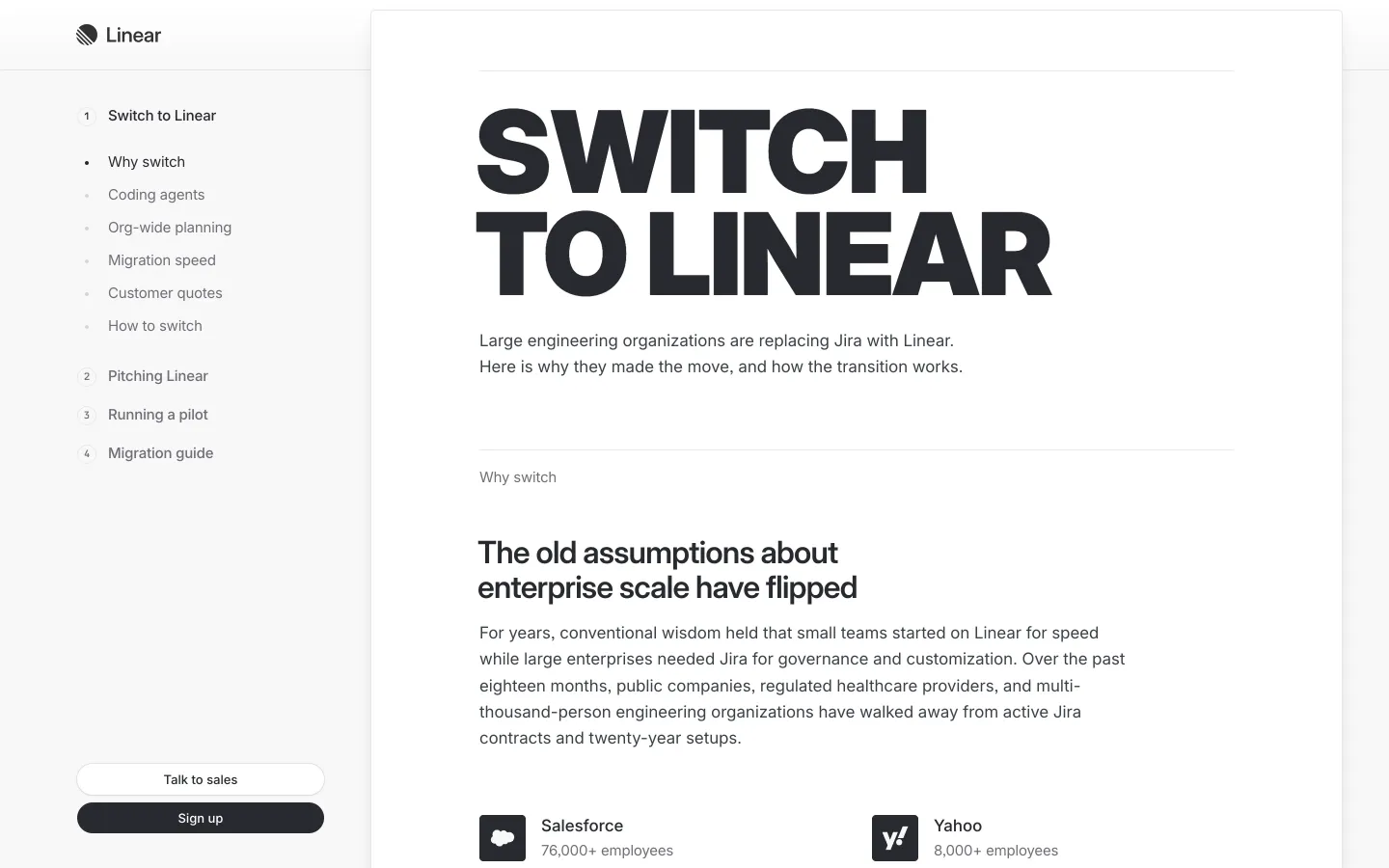
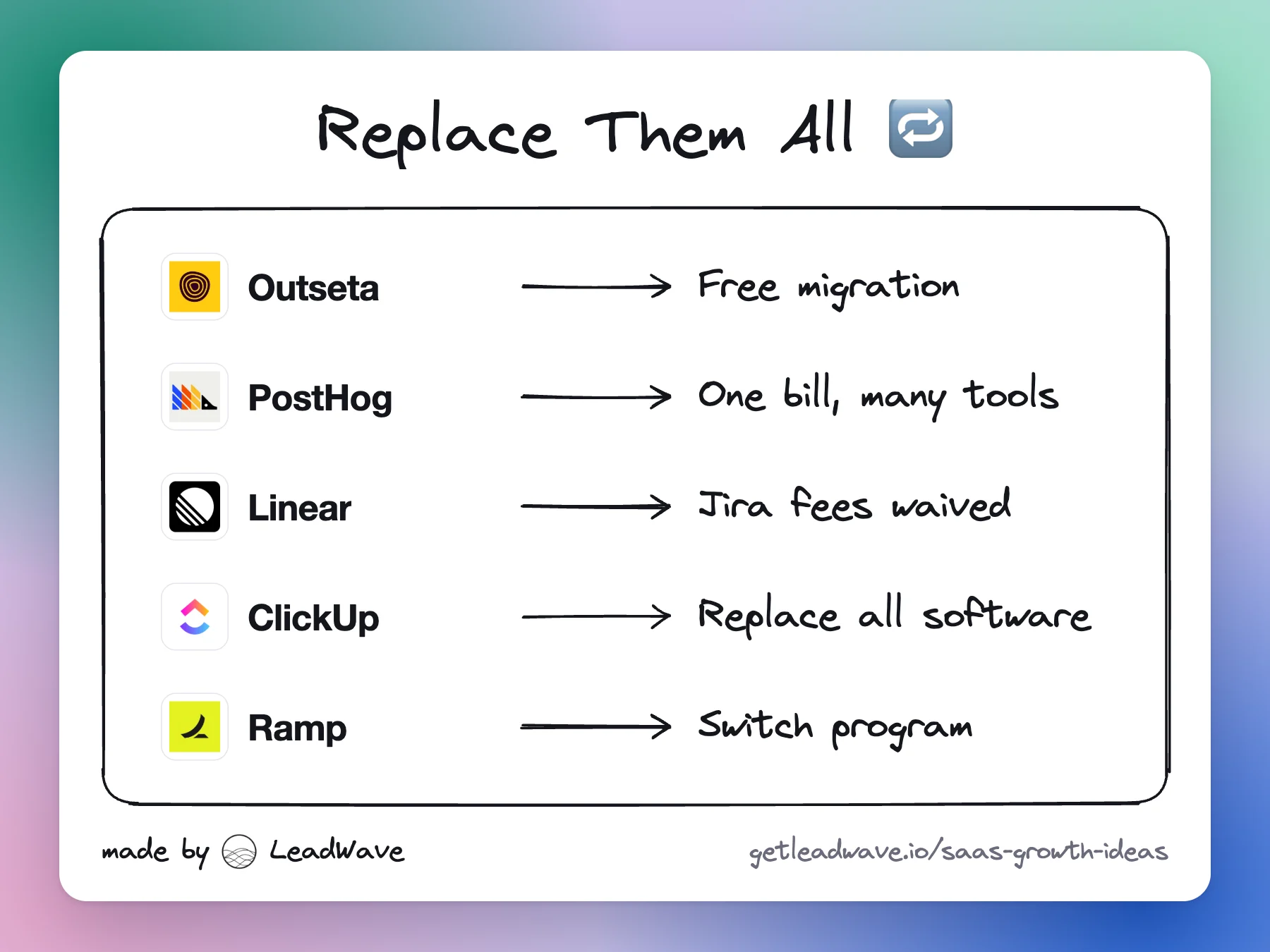
Quality doesn't do this alone. Linear says the trigger for most of these moves was coding agents, which need one clean system to work from. It also makes leaving easier, with a two-way Jira sync and help with the old contract (how a switch program works).
But when leaders explain why they picked Linear, how it feels to use comes up. “Linear was the only piece of software in this domain where I consistently heard engineers say they loved using it,” says James Reggio, Brex's CTO, “and that it helped them move faster with less overhead.” That's what years of care can buy: when the moment to switch comes, the people doing the work already want your product.
Raycast: every pixel, even in a full rewrite
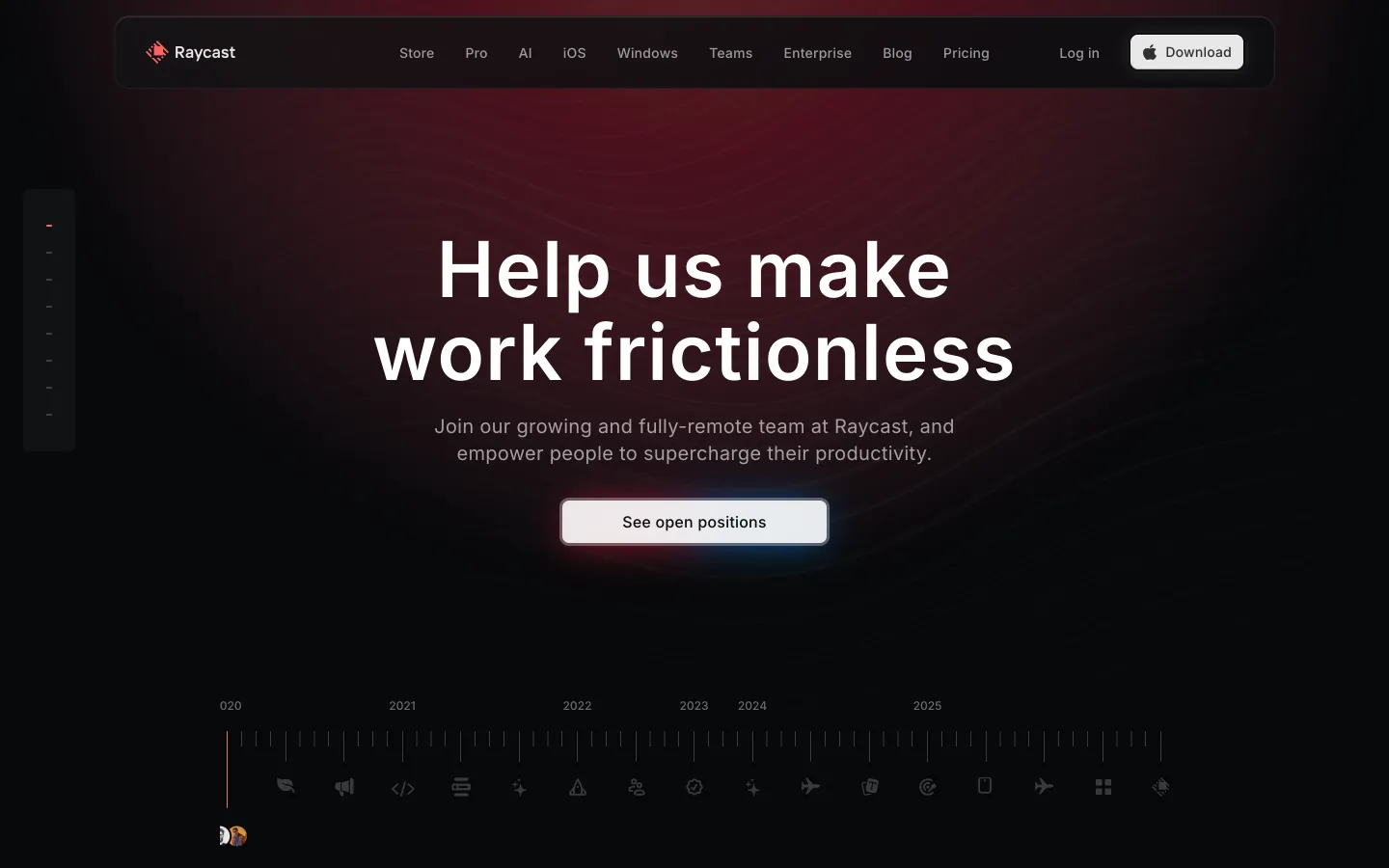
Raycast is a launcher for Mac and Windows, and every Mac already comes with a free one, Spotlight. To get people to install something else, Raycast has to feel better from the first keystroke. A team of 39 now serves hundreds of thousands of users, and its careers page says what it holds itself to: “We don't settle on mediocrity and choose quality over quantity. Even if the solutions are harder.” And on design: “Every pixel and every detail matters.”
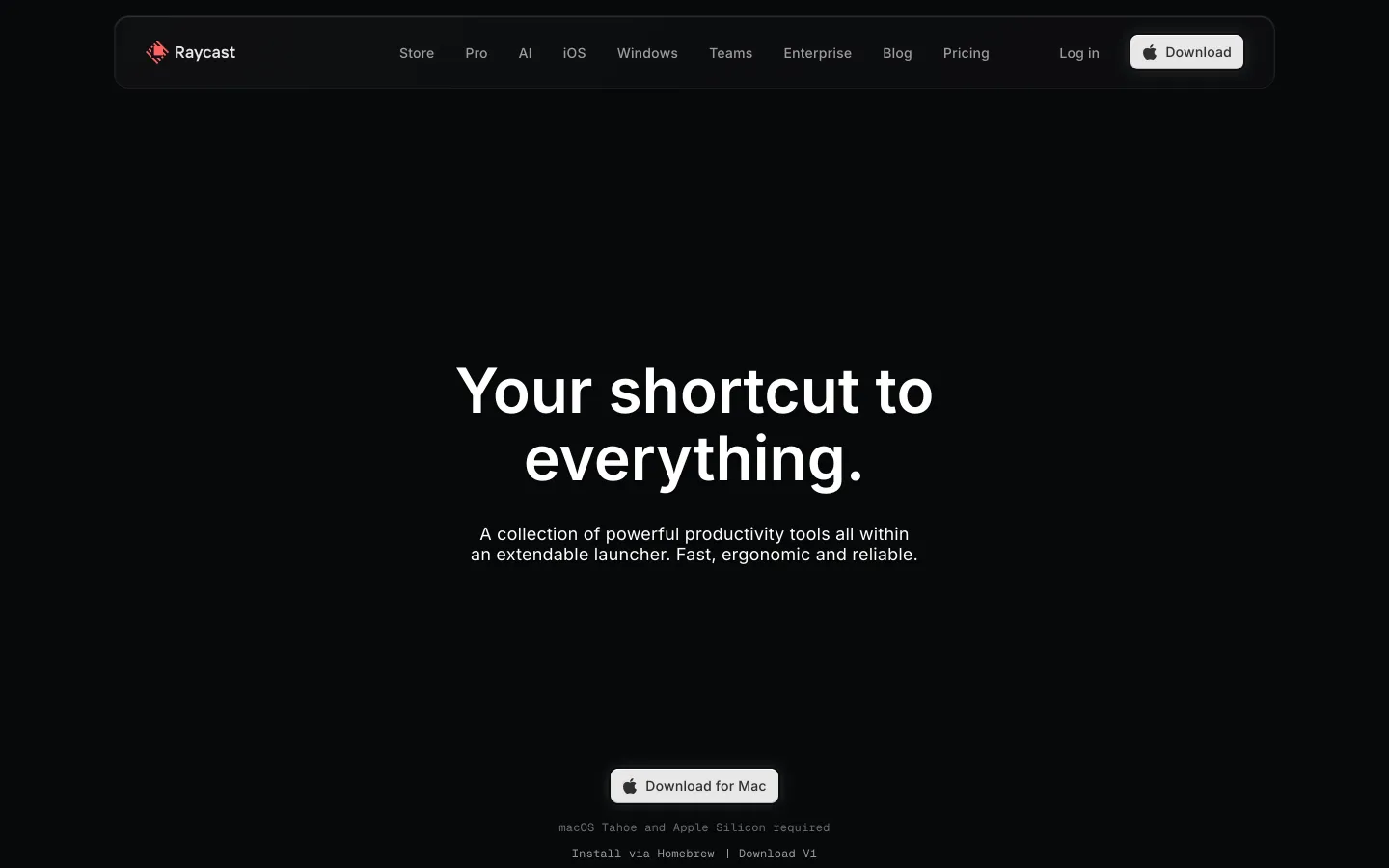
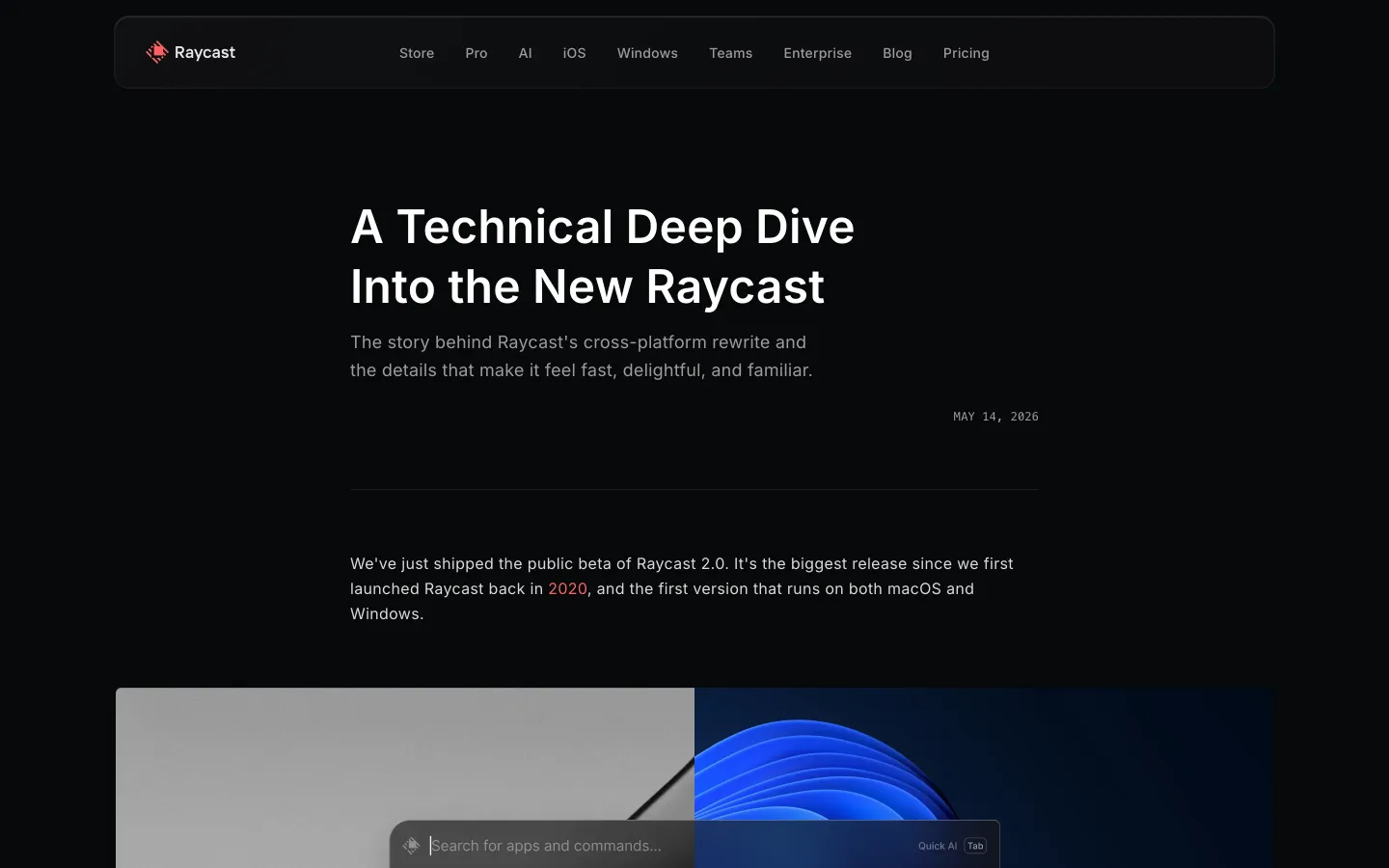
The real test came with version 2, when Raycast rewrote the whole app so it could run on Windows too. In their technical write-up in May 2026, the founders named the challenge: “The hard part wasn't making Raycast run. The hard part was making it feel right.” Even the tiniest things stayed on the list: “Even small details like translucency of the inner panels matter a great deal to us.” Their reason is the whole tactic in one line: “people enjoy Raycast because of how it feels, not because of what's under the hood.”
They were open about the trade-off too: version 2 uses about 350–450 MB of memory, up from 200–300 MB.
Raycast treats feedback as part of quality. As CEO Thomas Paul Mann described it in 2021, the team reads and answers every message, and whoever is on call replies within 48 hours. That's how you win the kind of user who “cheers for you and spreads the word about you but also tells you when you screwed up.”
Quality is not perfection
“Quality is not perfection” is one of Saarinen's own rules for building products, and so is this one: “The simplest way to increase quality is to reduce scope.” Most teams can't afford to polish everything, and they don't need to.
- Build less, and finish it. One feature that feels right does more for word of mouth than five that almost work.
- Polish the path everyone walks. Start with the first run, the screens people use every day, and the moments when something goes wrong.
- Make it a routine. A one-off “polish sprint” fades. A small fix every week adds up, and it trains the team to notice what's off.
- Know when it won't be enough. Quality can't save a product nobody needs, and it pays back slowly. If the people buying your software never use it, they may still choose on price and checklists.