Skip to content

Activation Β· Revenue

Founder Messages to New Users: How CEOs Welcome Signups and Fix Problems Personally (6 Examples)

The founder or CEO writes to new users in person, on LinkedIn or by email, to welcome them, unblock them or fix a failed upgrade. It wins customers a big team can't win.

Founder messages to new users: real examples from Cursor, beehiiv, DoltHub
Impact
Medium
Effort
Low
Time to results
Days
Budget
None needed
Team
CS, Sales

Tools for this growth idea

  • LinkedIn
  • Intercom
  • HubSpot
  • Reply.io

Why a message from the founder works

Most onboarding emails come from "the team" at a no-reply address. A note from the founder or CEO, signed with their name and sent from an account that takes replies, says something the product can't: the person who runs the company noticed you.

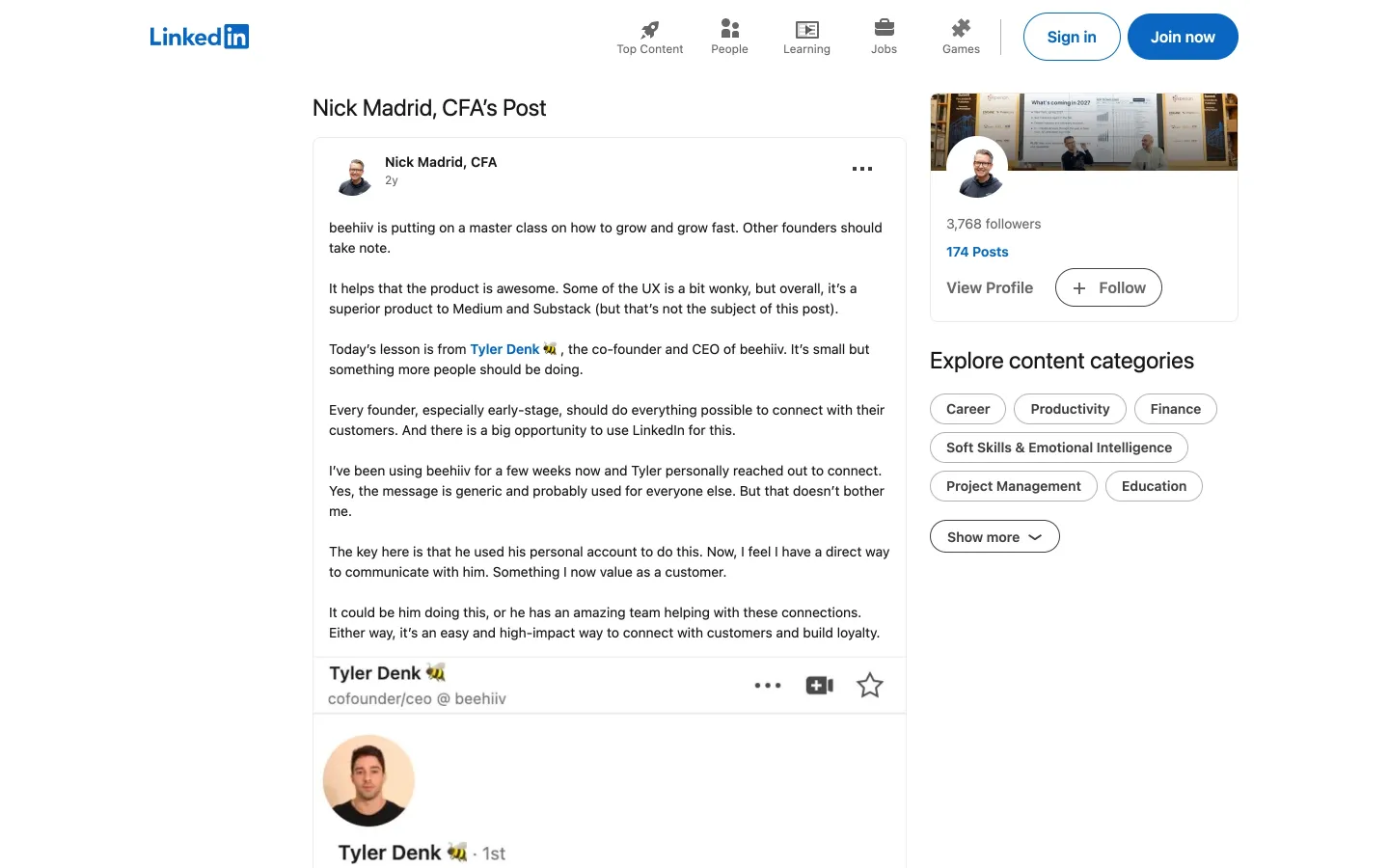
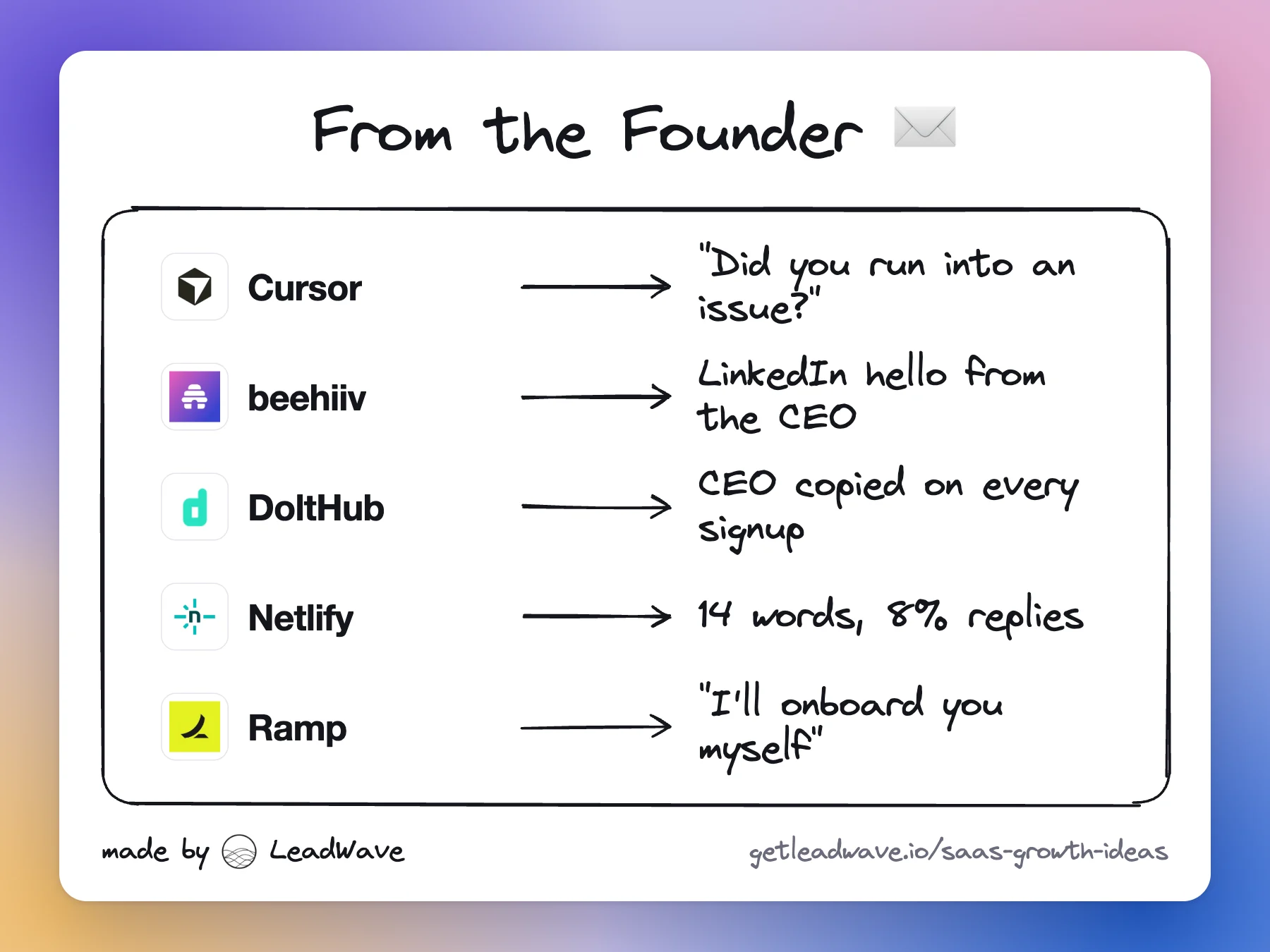
Users read it as a direct line. When beehiiv's CEO, Tyler Denk, connected with a new user on LinkedIn, the user wrote that the message was "generic and probably used for everyone else. But that doesn't bother me. The key here is that he used his personal account to do this. Now, I feel I have a direct way to communicate with him" (Nick Madrid on LinkedIn). Denk replied under the post that he has done this from the beginning.
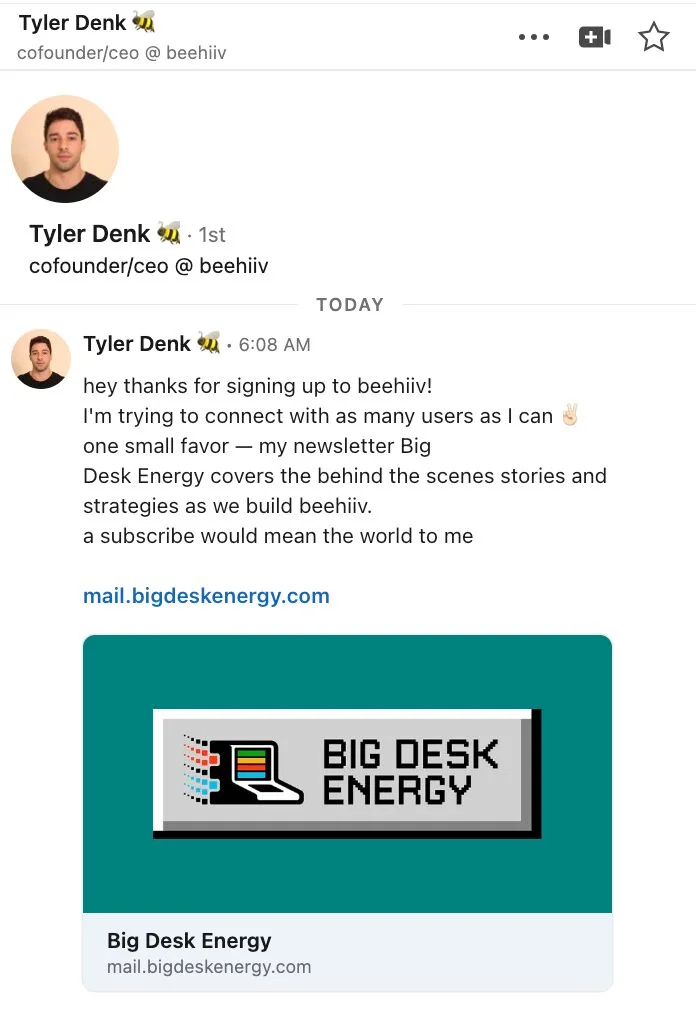
Tyler Denk, beehiiv's co-founder and CEO, to a new user on LinkedIn: thanks for signing up, "I'm trying to connect with as many users as I can", and one small favor, a subscribe to his newsletter. Shared by Nick Madrid.

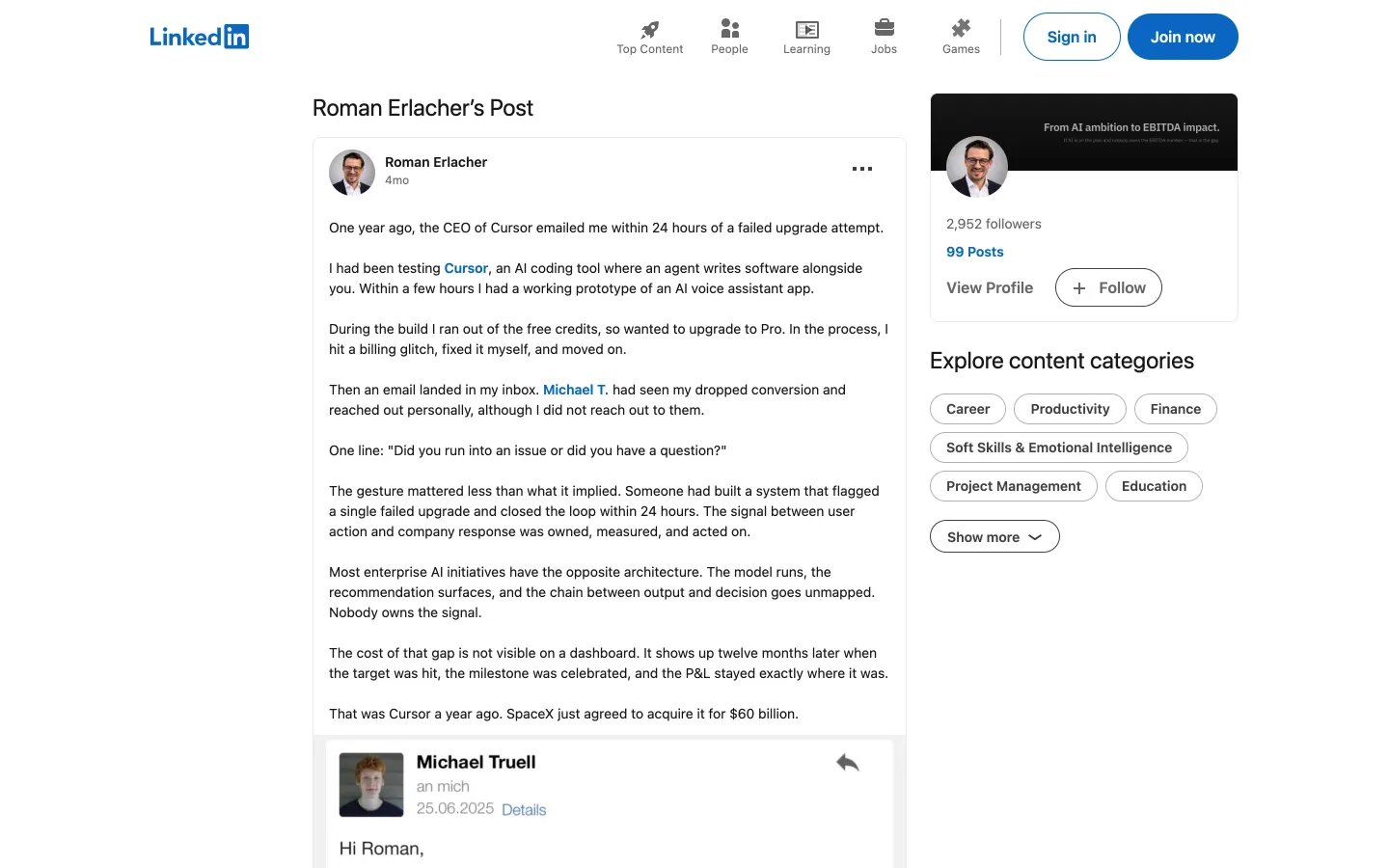
The best-timed messages fix something. In June 2025 a user hit a billing glitch while upgrading to Cursor Pro, worked around it and moved on. Within 24 hours Cursor's CEO, Michael Truell, emailed him: "I saw that you tried to sign up for Cursor Pro but didn't end up upgrading. Did you run into an issue or did you have a question? Here to help." The user replied that he was "a happy customer now", and a year later wrote a LinkedIn post about the email (Roman Erlacher).
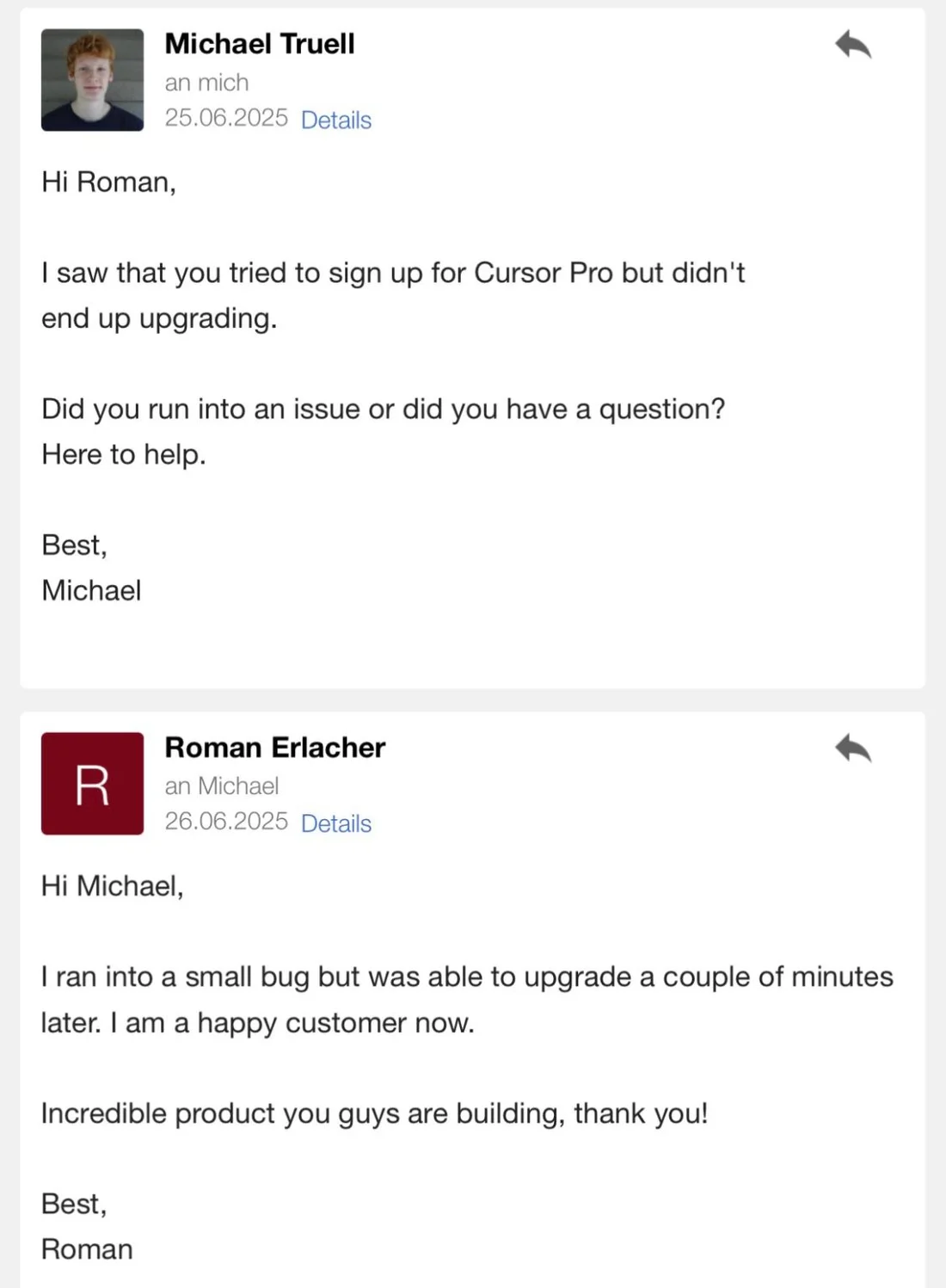
Michael Truell, Cursor's CEO, to a user whose Pro upgrade had failed, and the reply a day later: "I am a happy customer now." Shared by the user, Roman Erlacher.

Three things happen at once. The user gets unblocked or welcomed by the most senior person possible; the company learns why people sign up and where they get stuck, straight from the replies; and some of those users tell the story in public, which is free distribution no ad can buy.

The moments to write

A founder can't write to everyone about everything. Pick the moments that decide whether a trial becomes a customer:

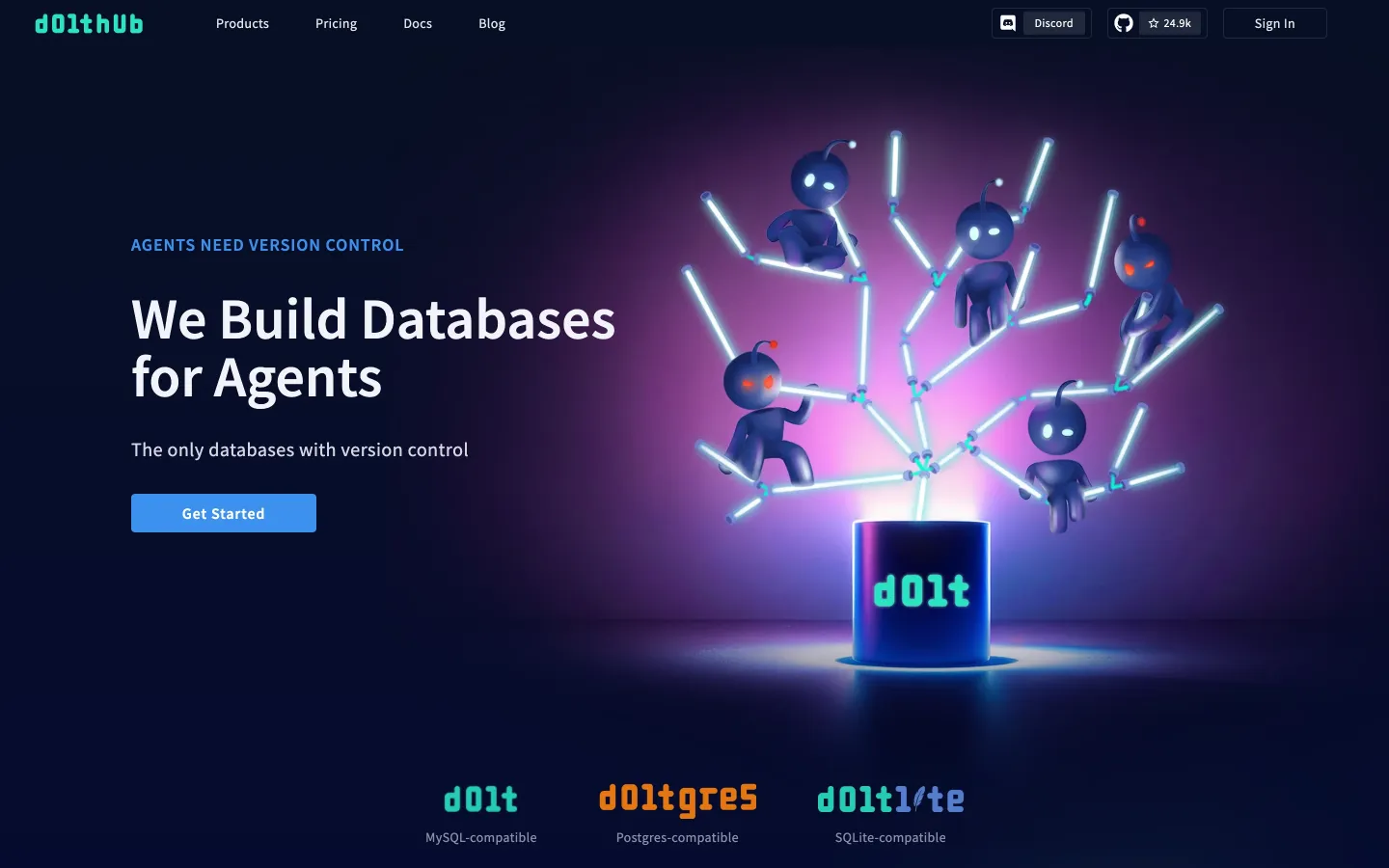
  1. Right after signup. A welcome that asks one question: why did you sign up, or what are you trying to do? beehiiv does it on LinkedIn. At DoltHub, every new signup gets an email from a real person with the CEO, Tim Sehn, copied, and work email addresses get a follow-up from him directly (DoltHub, May 2025).
  2. Right after something fails. A failed payment, an abandoned upgrade, an error, an import that didn't finish. Cursor's email is the model: it names what happened and asks one question.
  3. At a milestone or a stall. The first real use ("you just sent your first newsletter"), or a week of silence after signup. Ask what got in the way.
  4. To your own network, before signup. Ramp's VP of Product, Geoff Charles, offered his LinkedIn network a deal: sign up through his link and he would personally onboard you, you'd get $500, and he would run an AMA with your product team.
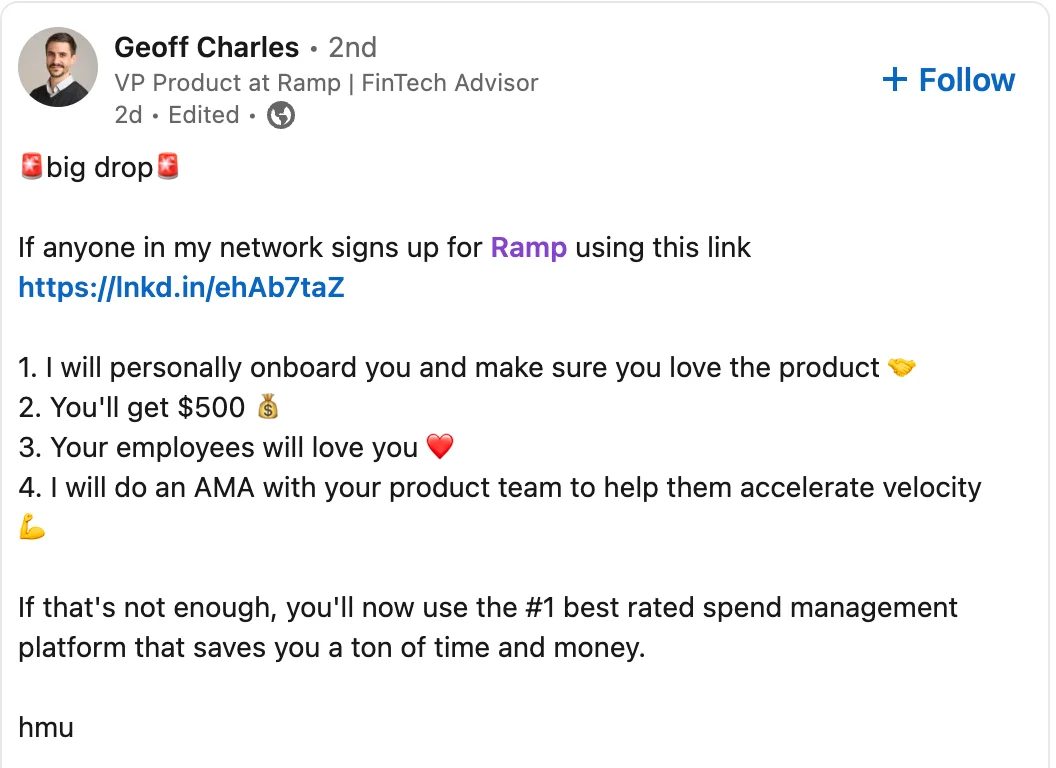
Geoff Charles, Ramp's VP of Product, on LinkedIn in 2023: "I will personally onboard you and make sure you love the product", plus $500 and an AMA for the new customer's product team. The post has since been taken down.
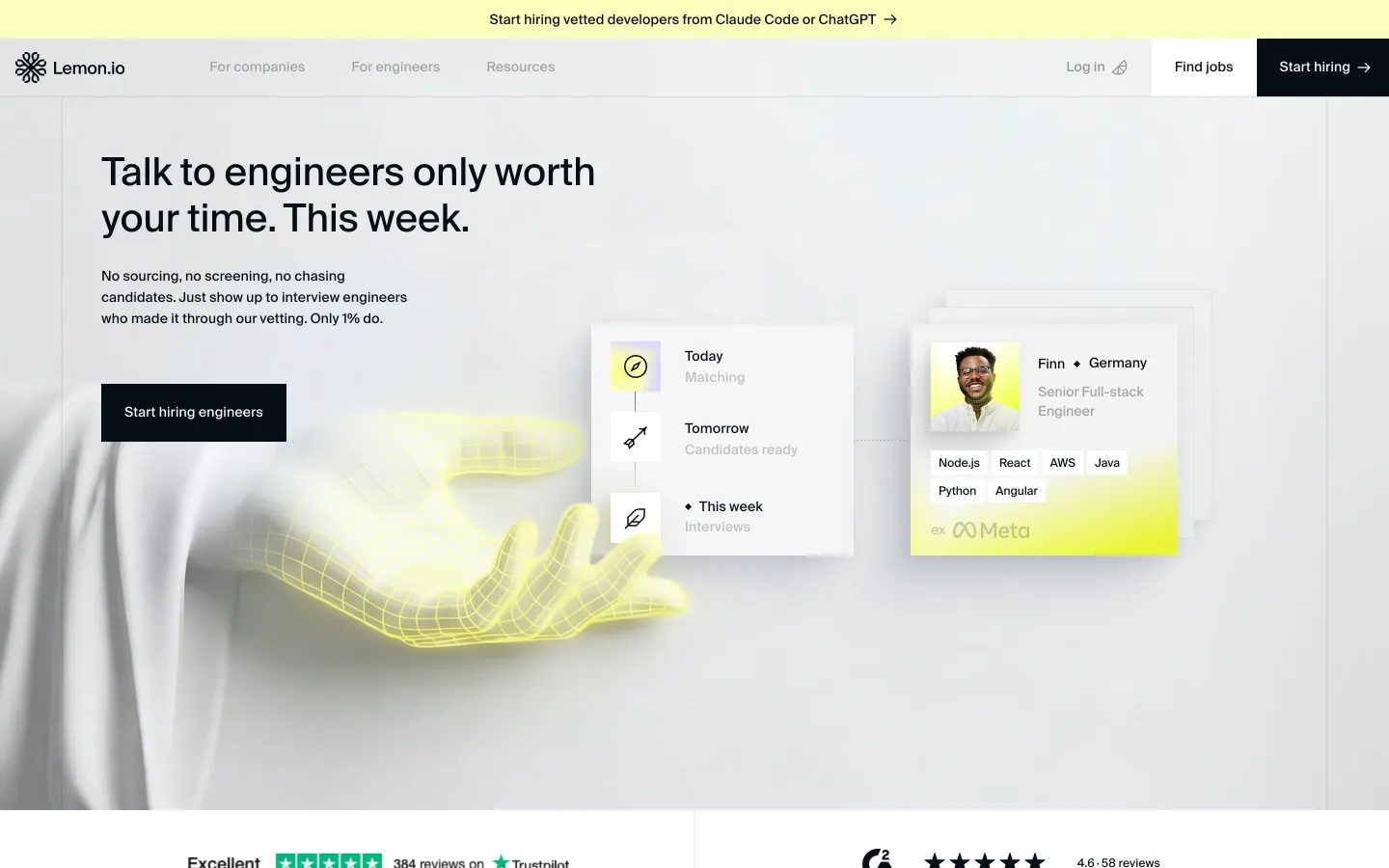
  1. After someone says no. A lost deal or a cancellation is the moment most companies go quiet. lemon.io's CEO, Aleksandr Volodarsky, emails leads who didn't buy, under the subject "lemon.io: what went wrong?", and asks them why (Aleksandr Volodarsky on X, December 2024). The answers tell you what to fix, and sometimes reopen the deal. Pair it with a cancellation flow for customers who leave.
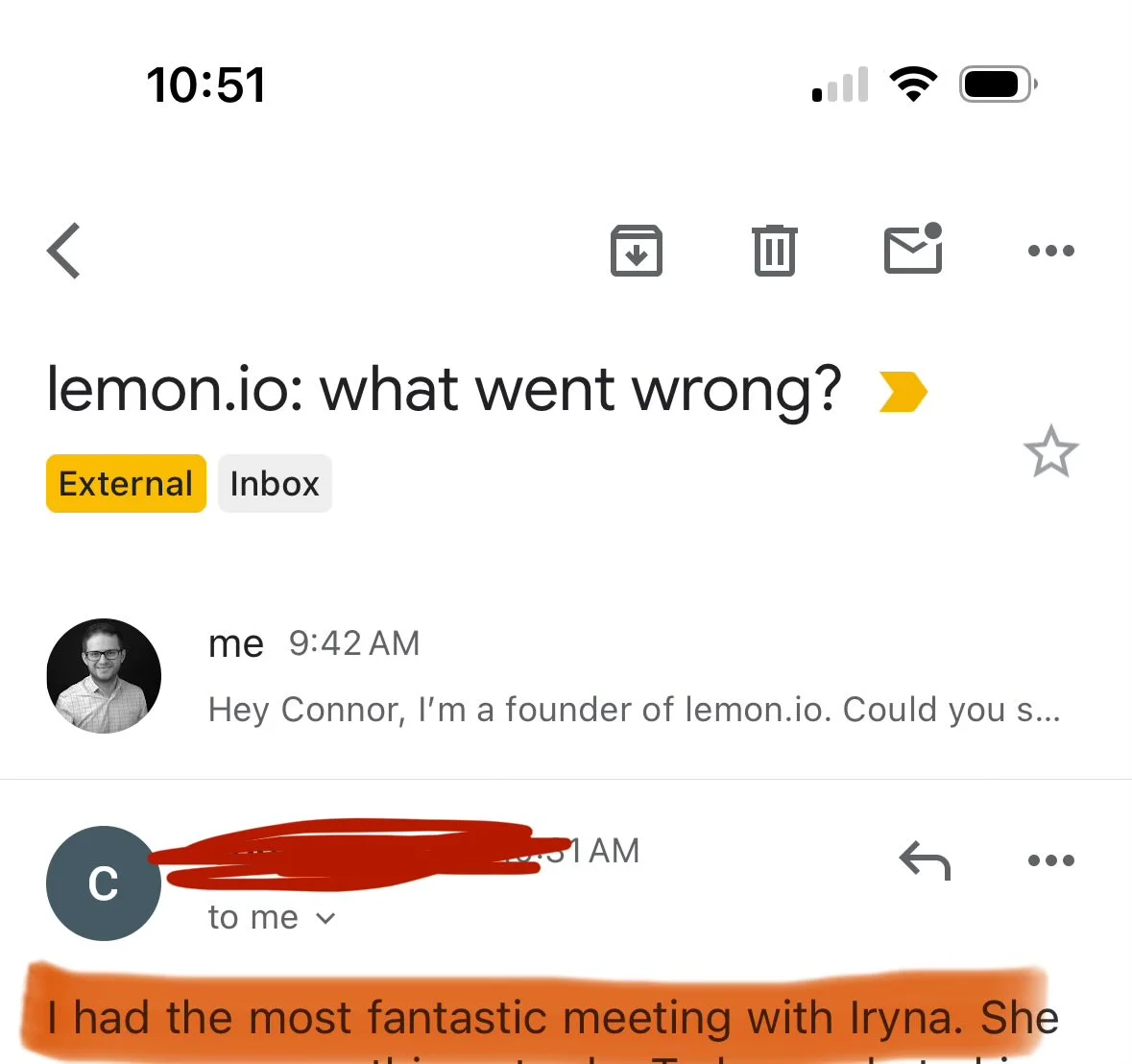
Aleksandr Volodarsky, lemon.io's CEO, to a lead who didn't close: "Hey Connor, I'm a founder of lemon.io. Could you s…", and the reply praising the team. He posted it with: "I follow up with leads that didn't close to ask what went wrong. My team is πŸ”₯". The redactions are his.

Each of these is a message the user didn't expect from someone they assumed was too busy to send it. That surprise is the whole effect, so don't spend it on newsletters, feature announcements or upsells.

How to write it

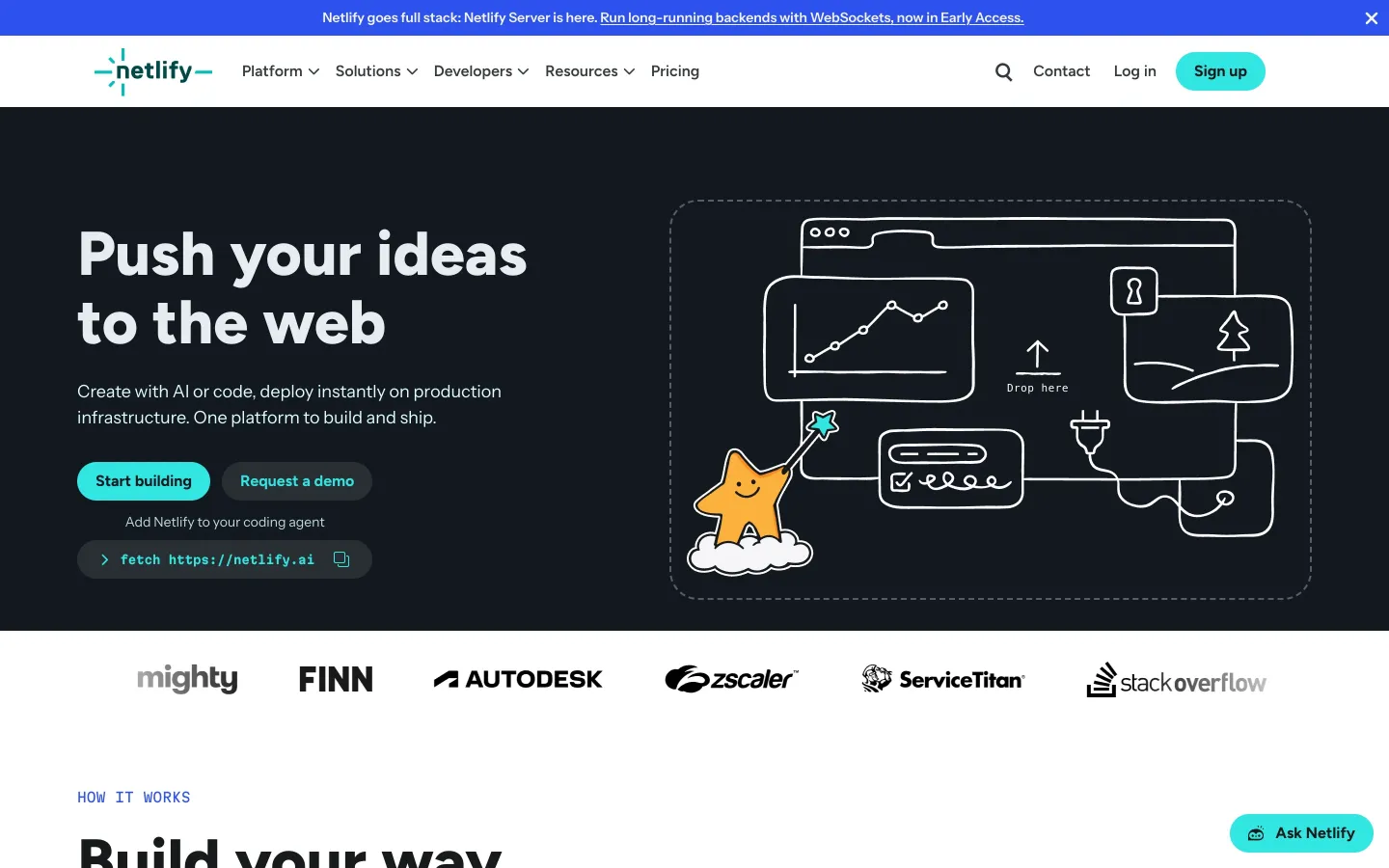
Short. Netlify emailed every new user from its head of customer success, offering help. At 150+ words, 1% replied; cut to 37 words, 4%; cut to 14 words, 8%, eight times the conversations from the same signups (Greg Kogan, 2017). A founder's note should read like a text from a person, not a newsletter.
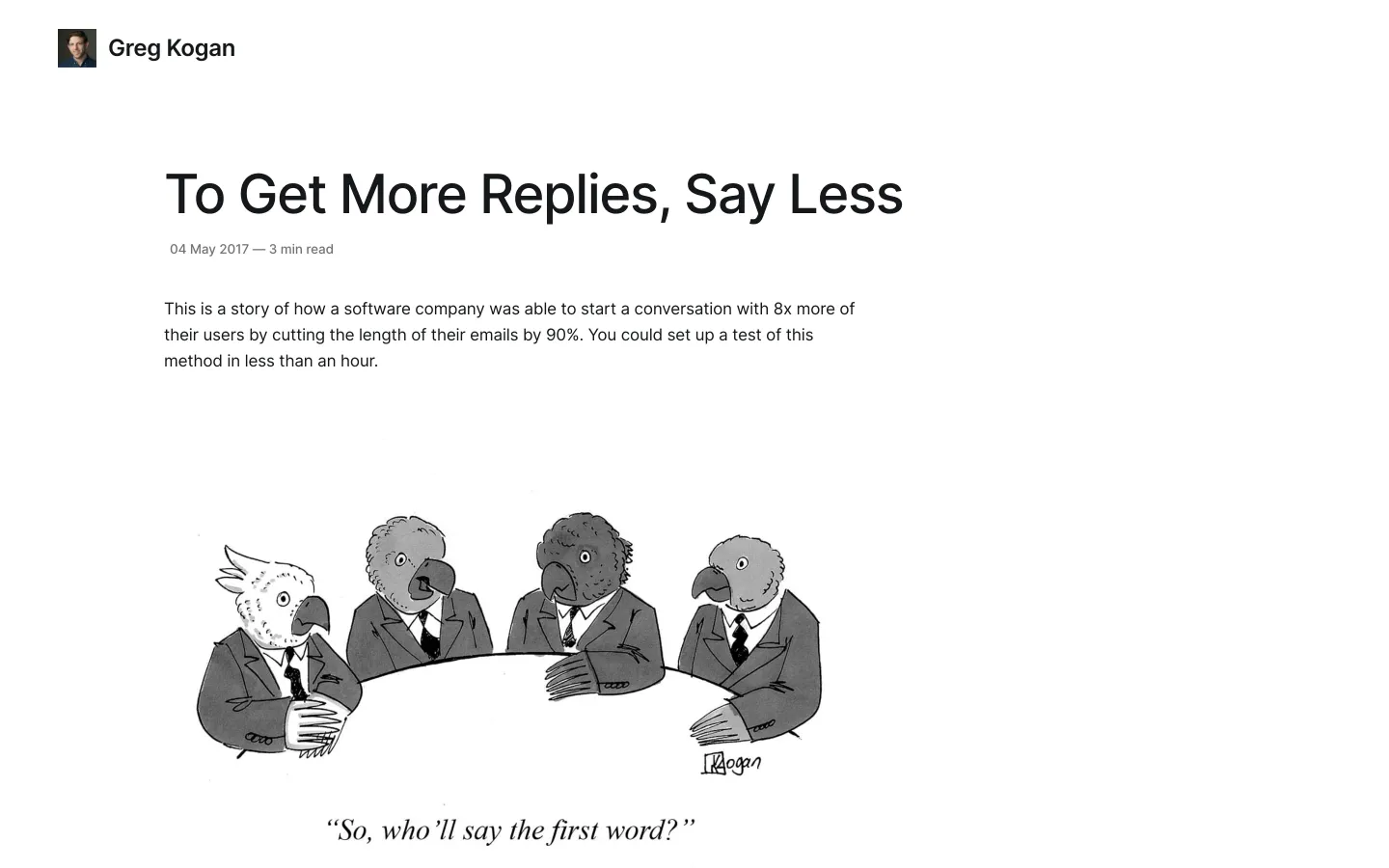
Greg Kogan's write-up of the Netlify test: cutting the welcome email by 90% started 8x more conversations with the same users.

Plain. No logo, no buttons, no HTML template, no tracking-pixel tricks in the subject line. Truell's email is four lines and a signature.

One question. "Did you run into an issue or did you have a question?" or "What made you sign up?" A question gets replies; a list of resources gets archived.

From a real account that answers. The founder's own name and address, or their personal LinkedIn profile, not a company page. Replies go to a person who reads them.

At most one ask, and make it small. Denk asks new users to subscribe to his newsletter about building beehiiv, which turns every welcome into a reader. Asking for a call, a review or a referral in the first message reads as a sales email.

Specific when you can be. "I saw that you tried to sign up for Cursor Pro" works because it's about the user's problem. Mention what they did only when it helps them; a note that recites their every click feels like surveillance.

Automate the trigger, keep the reply human

Under the Cursor post, several commenters guessed the CEO's email was automated: a system flagged the failed upgrade and sent a template in his name. The user didn't mind, because it arrived at the right moment and someone was there when he replied. The beehiiv user said the same about Denk's generic LinkedIn note.

That's the line that matters. Automating when the message goes out is fine, and at thousands of signups a week it's the only way. Pretending a person is there when nobody reads the replies is what burns trust. One commenter on the Cursor post said a similar email he got went unanswered when he replied.

How teams scale it:

  • Trigger from product events. Signup, failed payment, abandoned upgrade, first key action, seven days inactive. Send from the founder's real mailbox, in plain text.
  • Route replies to people. The founder reads a sample every week; support or success answers the rest, signing with their own name.
  • Segment. DoltHub sends a follow-up from the CEO only to work email addresses, where a conversation is worth most. Keep LinkedIn connections for the users who match your best customers: LinkedIn limits how many invitations an account can send each week.
  • Measure replies and conversion, not opens: reply rate, trial-to-paid for users who got the message against those who didn't, and what the replies say.

DoltHub reports about 1–2% of signups reply, which it calls "much better engagement than even the best automated onboarding flow could achieve." Every reply is a user telling you, unprompted, why they came and what's in the way.
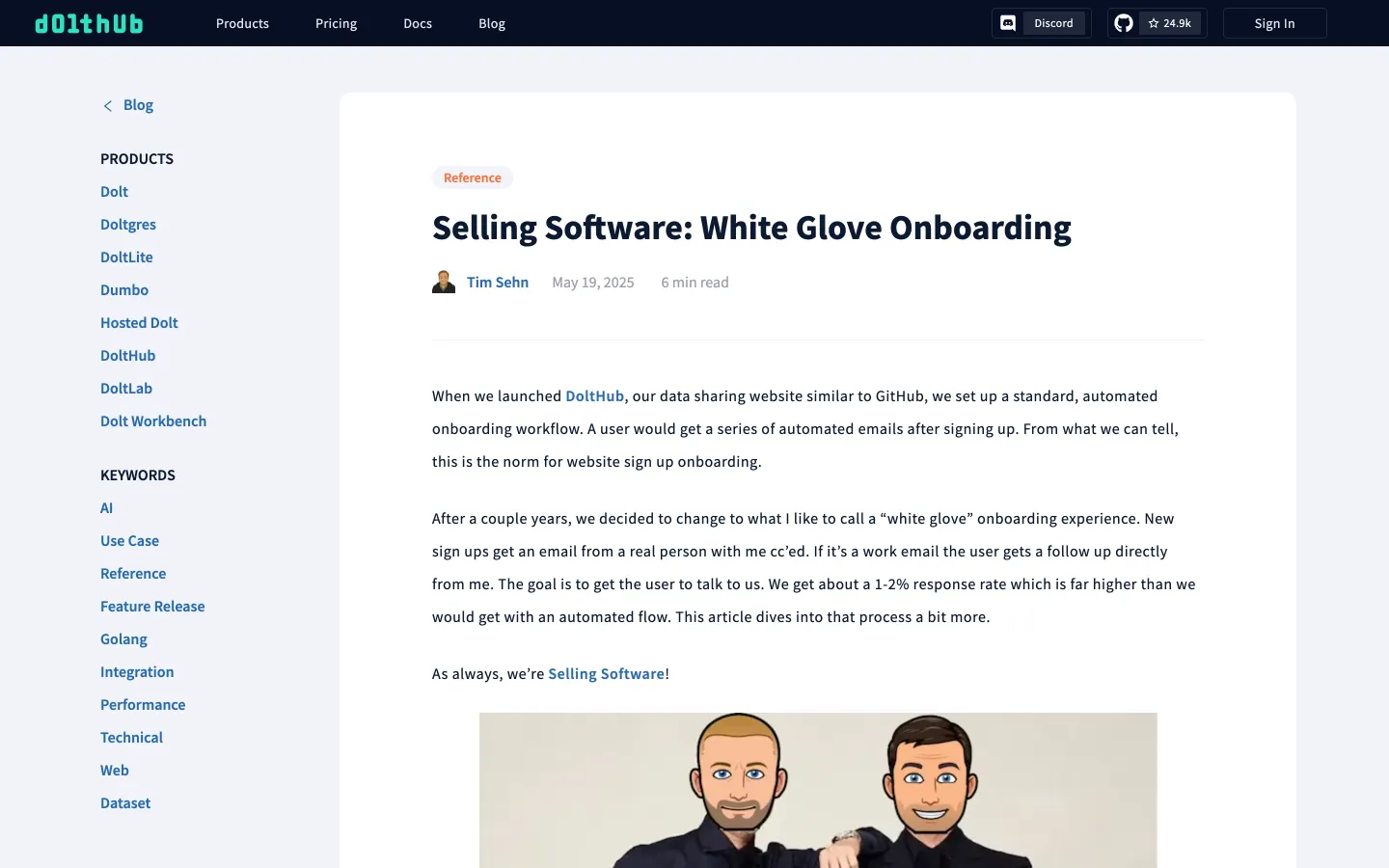
DoltHub's CEO, Tim Sehn, on replacing automated onboarding emails with a note from a real person: about 1–2% of signups reply.

Where it fails

  • Replies that go nowhere. A founder's email that nobody answers is worse than no email. Before you send one, decide who reads the replies and how fast.
  • The founder stops. It starts as a habit and fades as the company grows. Put it in the product's event triggers, not on the founder's to-do list.
  • Fake intimacy. "I personally noticed you" sent to everyone, or a fake "Sent from my iPhone", gets screenshotted for the wrong reasons. Generic is fine; pretending isn't.
  • A sales pitch in disguise. A founder note that books a demo on the second line is an outbound email with a famous name on it.
  • Too creepy. Naming the exact feature someone hovered over, or messaging within seconds of a signup, feels like being watched. Write about the thing that went wrong or the goal they told you.
Founder messages to new users examples

  • CursorCEO email after a failed upgrade

    Within 24 hours of a user's failed Pro upgrade, the CEO, Michael Truell, emailed one question: "Did you run into an issue or did you have a question?" The user upgraded, replied "I am a happy customer now", and posted about it a year later.

    See it live

  • beehiivCEO connects on LinkedIn

    Tyler Denk connects with new users from his personal LinkedIn: thanks for signing up, he's trying to meet as many users as he can, and would they subscribe to his newsletter. A user wrote that the generic note still gave him "a direct way to communicate" with the CEO.

    See it live

  • DoltHubCEO copied on every signup

    DoltHub swapped its automated onboarding emails for a note from a real person with the CEO, Tim Sehn, copied; work email addresses get a follow-up from him. About 1–2% of signups reply.

    See it liveSource

  • Netlify14 words, 8% replies

    Netlify's head of customer success emailed every new user to offer help. Cutting the email from 150+ words to 14 raised replies from 1% to 8%.

    See it liveSource

  • lemon.io"What went wrong?" to lost leads

    The CEO, Aleksandr Volodarsky, emails leads that didn't buy under the subject "lemon.io: what went wrong?" and asks why. He shared one reply, praising the call with his team, on X.

    See it liveSource

  • Ramp"I will personally onboard you"

    In 2023 Ramp's VP of Product, Geoff Charles, told his LinkedIn network that anyone signing up through his link would get onboarded by him personally, $500, and an AMA for their product team. The post has since been taken down.

    How Ramp grew

How to run it: the playbook

  1. Pick two moments. Start with signup and one failure that costs you customers: an abandoned upgrade, a failed payment, a stuck import, or a deal that didn't close.
  2. Write the notes in the founder's voice. Under 50 words each, plain text, one question, signed with a first name. Have the founder write or at least rewrite them.
  3. Send from a real account. The founder's own email address, or their personal LinkedIn for users who match your best customers. No no-reply addresses, no templates with logos.
  4. Trigger it from product events. Wire signup and the failure events to your email tool, with a delay of minutes to hours so it doesn't feel instant and robotic.
  5. Route the replies. Decide who answers and how fast. The founder reads a weekly sample; support or success answers the rest under their own names.
  6. Tag and learn from replies. Tag each reply: why they signed up, what blocked them, a bug, a feature request. Feed the patterns to onboarding and the roadmap.
  7. Measure against a holdout. Hold back a small share of signups. Compare reply rate, activation and trial-to-paid between users who got the message and those who didn't.

What to measure

  • Reply rate per message (DoltHub sees 1–2% of signups; Netlify got 8% from a 14-word email)
  • Trial-to-paid and activation for users who got the note against a holdout that didn't
  • Recovered upgrades and payments after a failure message
  • Time to first human reply on responses
  • Share of replies that name a bug, a blocker or a reason for signing up

Pitfalls

  • Sending from a no-reply address, or leaving replies unanswered
  • Long, polished emails with logos and buttons that read like marketing
  • Pitching a demo or an upsell in the first message
  • Pretending to be personal with fake "Sent from my iPhone" lines
  • Naming every click the user made, which feels like surveillance
  • Letting it fade when the founder gets busy instead of wiring it to product events

Frequently asked questions

LinkedIn posts on this tactic

Sources

More SaaS growth ideas

All growth ideas
  • Activation

    Better CTAs

    Button copy is the cheapest test you can run. Ask for a small step, say what the click gets, offer a human path that isn't a trap, and remove the last doubt.

    Impact MediumEffort Low13 examples
    Read the tactic
  • Acquisition

    Cold outreach

    Email and message the companies you want as customers, timed to a buying signal, from domains and inboxes set up so the emails land.

    Impact HighEffort Medium10 examples
    Read the tacticFull playbook in the list
  • Referral

    In-app referral program

    Reward users for bringing friends, inside the product, right after they get value: two-sided rewards, paid on a milestone that proves a real customer.

    Impact MediumEffort Medium12 examples
    Read the tacticFull playbook in the list