Most SaaS trend lists are forecasts with no numbers behind them. This one is different: every trend here is already showing up in what SaaS and AI companies reported in 2026, in their own posts, filings and launch notes. Khrystyna Oleksiienko has been tracking these shifts all year in her infographics; we checked every number against its source on November 15, 2026, and dropped the ones we couldn't source.
The short version: in 2027, the product is the agent, the customer may be an agent, and the agent may find you through an LLM. Here are the 12 SaaS trends for 2027:
AI becomes mandatory: Buyers expect AI in every product, and budgets follow.
AI is the new UI: Work apps now open on a chat box instead of a dashboard.
AI coworkers and agent harnesses: Software that keeps working while you're away.
Everyone becomes a builder: PMs, designers and marketers ship features with a prompt.
Micro-SaaS and vibe-coded SaaS: More solo founders, more tiny products, more of them for sale.
Design taste is the moat: When anyone can build anything, how it feels decides.
SaaS companies train their own AI models: For speed, cost and margins.
The LLM is the next distribution channel: Your next user may never visit your site.
Distribution beats features: A feature can be copied in days. An audience can't.
B2B sales gets rebuilt around agents: GTM engineers, AI SDRs, iMessage and AI CRMs.
Per-seat pricing declines: Agents are sold per task, and seats shrink.
Agents start paying agents: The payment rails are ready; the volume isn't yet.
1. AI becomes mandatory
In 2025, AI was a feature. By 2026 it was the budget. Software companies now plan their roadmaps, hiring and spending around it, and buyers no longer ask whether a product has AI but what its AI does.
AI products made up 32% of revenue at software companies in 2025 and are expected to reach 42% in 2026, per ICONIQ’s State of AI 2026 (July 2026, about 300 software executives).
Enterprises spent $37B on generative AI in 2025, up from $11.5B in 2024, per Menlo Ventures.
Gartner predicted that 40% of enterprise apps would have task-specific AI agents by the end of 2026, up from less than 5% in 2025.
Inside companies, AI use became a job requirement. Shopify CEO Tobi Lütke wrote that “reflexive AI usage is now a baseline expectation” (April 2025), Duolingo declared itself AI-first, and Coinbase CEO Brian Armstrong fired engineers who didn't try AI coding tools.
For 2027: a SaaS product without useful AI will look like a website without a mobile version did in 2015.
2. AI is the new UI
Open a work app today and the first thing you see is often a chat box, not a chart. In the last few months, the biggest names in work software made the same switch. “AI is the new UI,” said Joel Hellermark, Workday's chief AI officer, when Workday made Sana its new home screen on October 13, 2026.
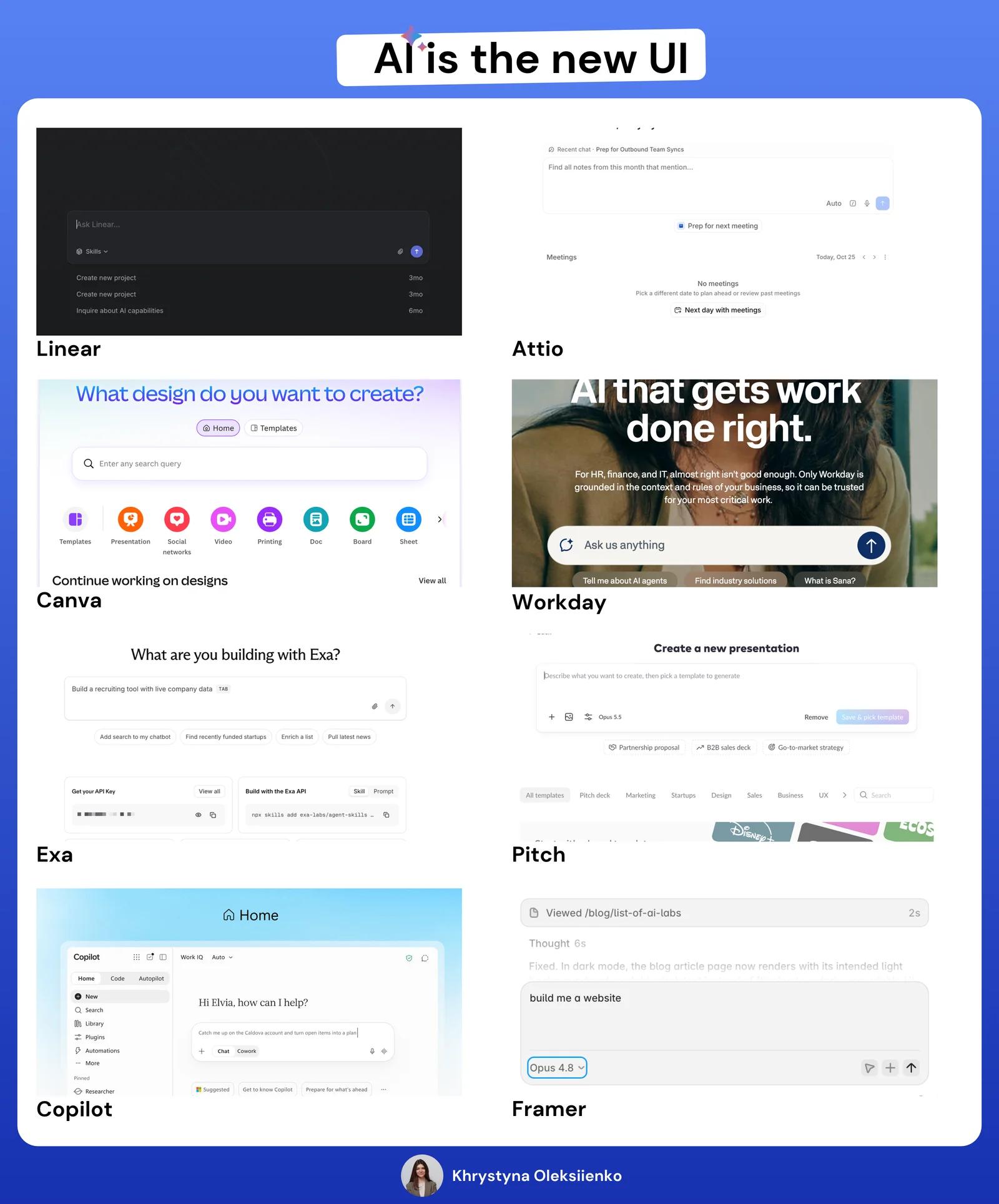
Workday (Oct 2026): Sana is the new Workday Home. You ask, and its agents act, from approving an expense to a password reset.
Microsoft Copilot (Sep 2026): the new Copilot has three parts, Home, Code and Autopilot. “Home is your new starting point in Copilot, where Chat and Cowork come together in one place” (Microsoft).
Plaud (Oct–Nov 2026): Ask Plaud now has a Work mode, where its agent turns your recorded conversations into finished PDFs, slide decks and Word files (Plaud).
Linear: Linear Agent (March 2026) works on issues and projects from a chat, one shortcut away.
Attio: Ask Attio (February 2026) lets you work with your whole CRM by asking.
Framer: Framer 3.0 with Agents (June 2026) builds a site from a prompt, which you then edit on the canvas.
Pitch: Pitch Agent (May 2026) builds on-brand decks from a chat.
Airtable: relaunched as the AI-native Airtable with Omni, an agent that builds apps from a conversation (June 2025).
Greg Isenberg put the business consequence bluntly: SaaS is becoming free. “Give away the CRM, give away the dashboard, give away the app and charge for the agent that does the work.”
For 2027: once the start screen is a chat, the product is the workflow behind it. A polished dashboard used to be a reason to stay; now the reason is the work an agent finishes for you.
3. AI coworkers and agent harnesses
Meta, OpenAI, xAI and Anthropic shipped the same kind of product within about six weeks in the fall of 2026: an AI coworker, software that keeps working while you're away. The pitch moved from “here's a dashboard” to “here's your new teammate.”
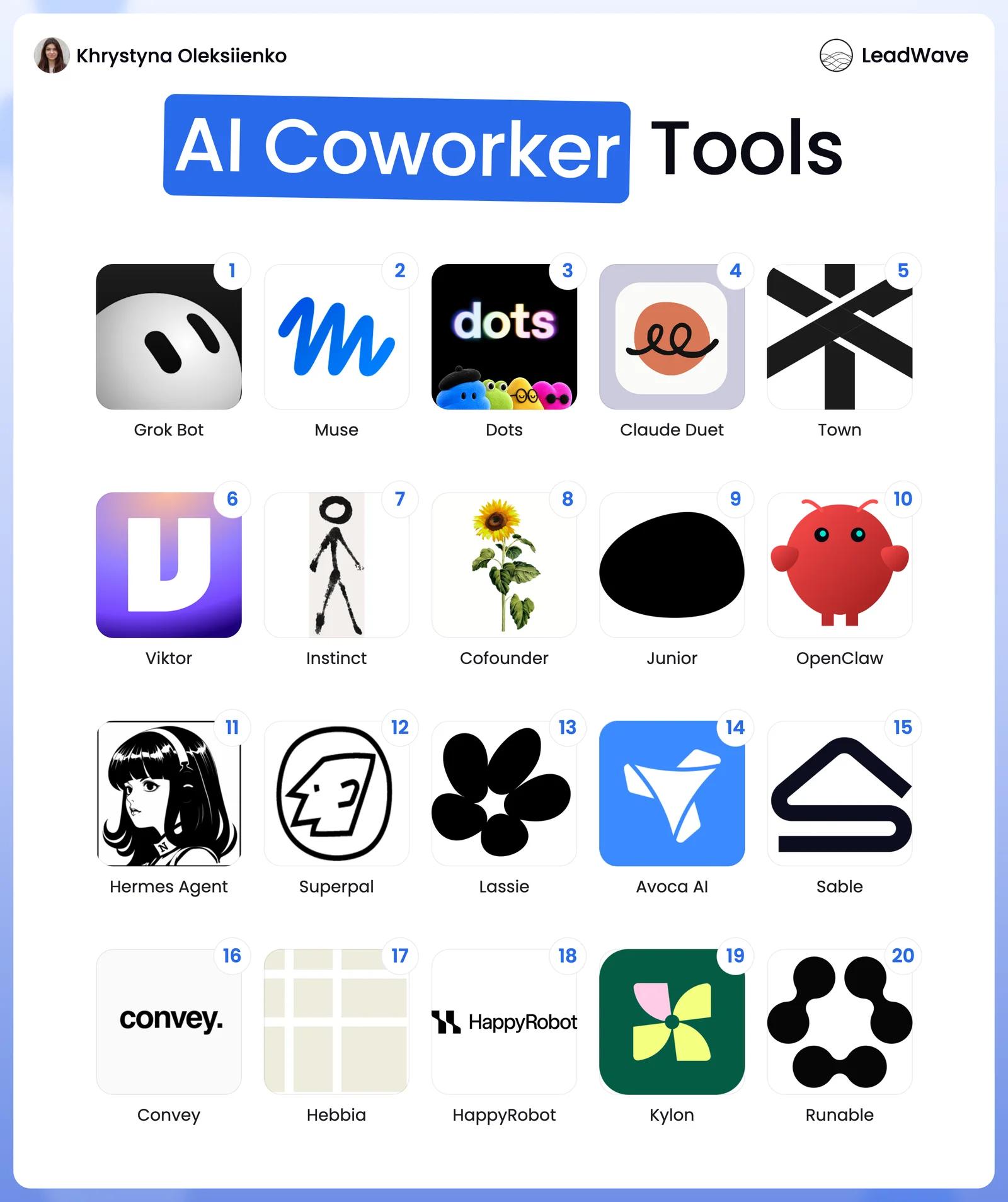
Meta Muse (Sep 2026): 10.9M downloads and 2.5M daily users by October 16, per Sensor Tower data reported by TechCrunch.
xAI Team Bots (Sep 28): shared Grok bots that teams can add to Slack. Grok Bot reached 418,000 weekly users in the week to September 14, up 24% week over week, per Bloomberg.
OpenAI Dots (Sep 29): always-on agents, each with its own cloud computer and browser, reaching 4,000+ apps (SiliconANGLE).
Claude Duet (Oct 21): sends a morning brief, chases unpaid invoices in QuickBooks or Stripe, and waits for your approval before it sends, pays, signs or deletes anything.
The startups behind AI coworkers are posting numbers rarely seen in SaaS:
Town raised a $108M Series B at a $1B valuation four months after its June launch; its paying teams grew ninefold since July (The Next Web).
Viktor says it is used by 80,000+ teams; research firm Sacra estimates it hit a $50M run rate in September.
Nous Research, maker of Hermes Agent, was valued at $1.5B with about $36M in annualized revenue by mid-September, per the Wall Street Journal (via ARR Club).
OpenClaw, the open-source agent, has nearly 395,000 GitHub stars and launched a free enterprise control plane on September 29.
Behind each coworker is a harness: “every piece of code, configuration, and execution logic that wraps an AI model to turn it into a working agent” (Builder.io). That means the loop, the tools, memory, permissions and the sandbox. Claude Code, Codex and OpenClaw are harnesses, and Anthropic calls its Agent SDK “a powerful, general-purpose agent harness.” The model is becoming a commodity; the harness is where products now compete.
For 2027: expect “hire” to replace “buy” in SaaS marketing, and expect agents to be judged like employees: on the work they finish, and on whether they ask before doing something risky.
4. Everyone becomes a builder
More and more people on a team can now ship a feature with a prompt, not just engineers. The models are good enough that what they write often goes to production with little or no hand-editing.
Boris Cherny, who leads Claude Code at Anthropic, says 100% of his code is written by Claude: “I don't even make small edits by hand.” Anthropic put the company-wide share at 70–90% (Fortune, Jan 2026).
Anthropic built Cowork, its Claude Code for non-developers, in about a week and a half, with Claude Code writing nearly all of it (Axios).
OpenAI's Codex passed 5M weekly users, and about 20% of them are knowledge workers rather than developers (June 2026).
Lovable says 80% of the people building on it are non-technical (The Next Web).
Indie hacker Marc Lou: “The models are so good that I'm working on 5 different projects a day” (Feb 2026).
For 2027: “who can build this?” stops being a bottleneck; “should we build this?” becomes the job. See our comparison of AI coding agents.
5. Micro-SaaS and vibe-coded SaaS
When building costs almost nothing, more people build small software businesses on their own, and many of them sell those businesses on once they work.
Lovable passed $500M in annualized revenue, with users starting 1M new projects a week (TechCrunch, June 2026). In its survey, 8 in 10 users said they intend to make money from what they build.
36% of startups founded on Carta in 2025 had a solo founder, up from 23.7% in 2019 (Carta).
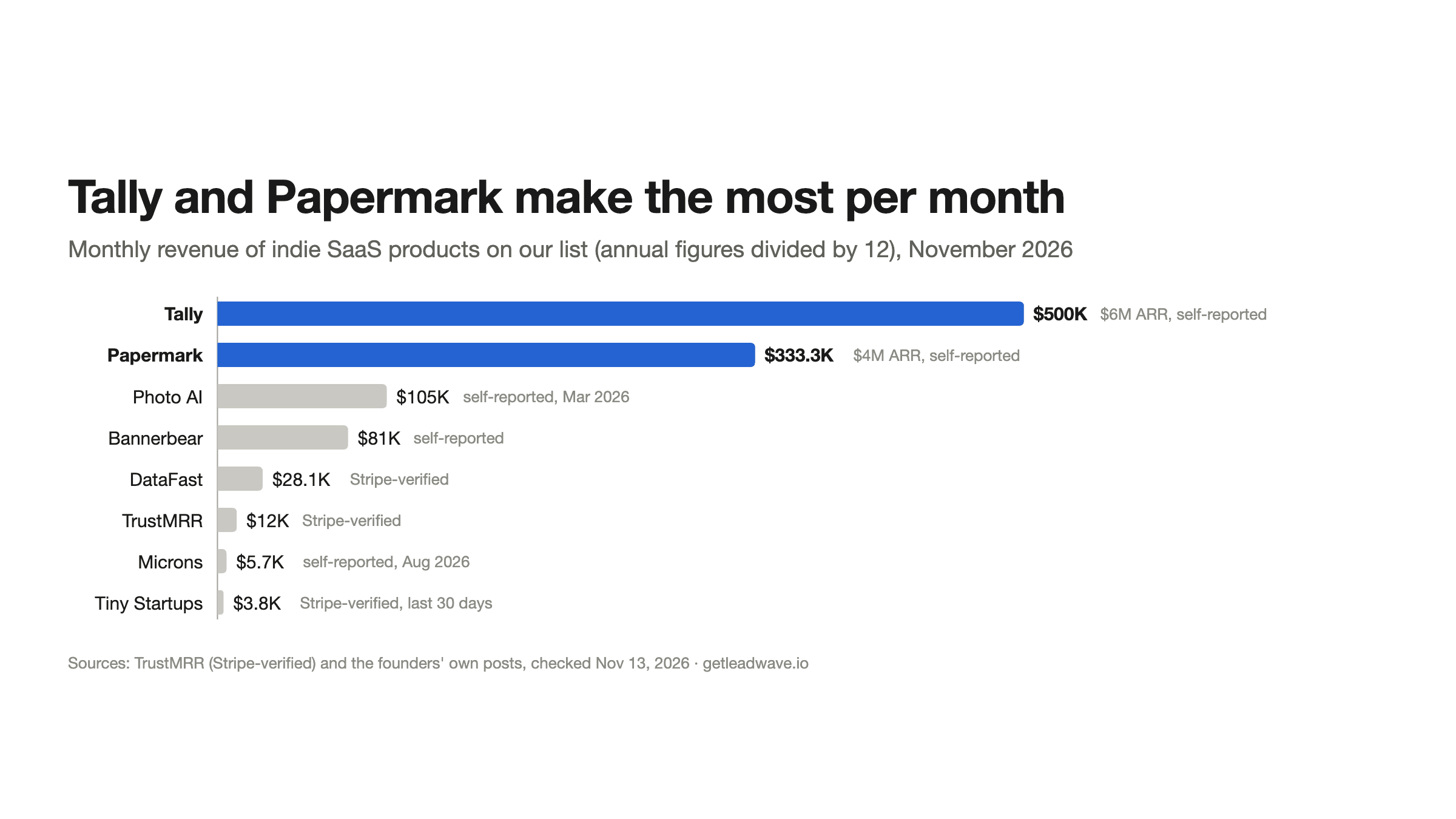
TrustMRR, Marc Lou's marketplace for startups with Stripe-verified revenue, lists 15,000+ startups, 3,000+ of them for sale, and says 115+ acquisitions closed in the last six months (TrustMRR, November 2026).
For 2027: expect a long tail of tiny, profitable SaaS products, and a busier market for buying and selling them. Our list of vibe coding tools compares the builders; our SaaS indie hackers list shows who's already making money this way.
6. Design taste is the moat
AI makes software cheaper to build every month, so the feature gap between tools closes fast. What's left to win on is taste: how the product feels, how support replies, how the sales call goes. More and more buyers pick the tool they enjoy using first, and only then justify it with features.
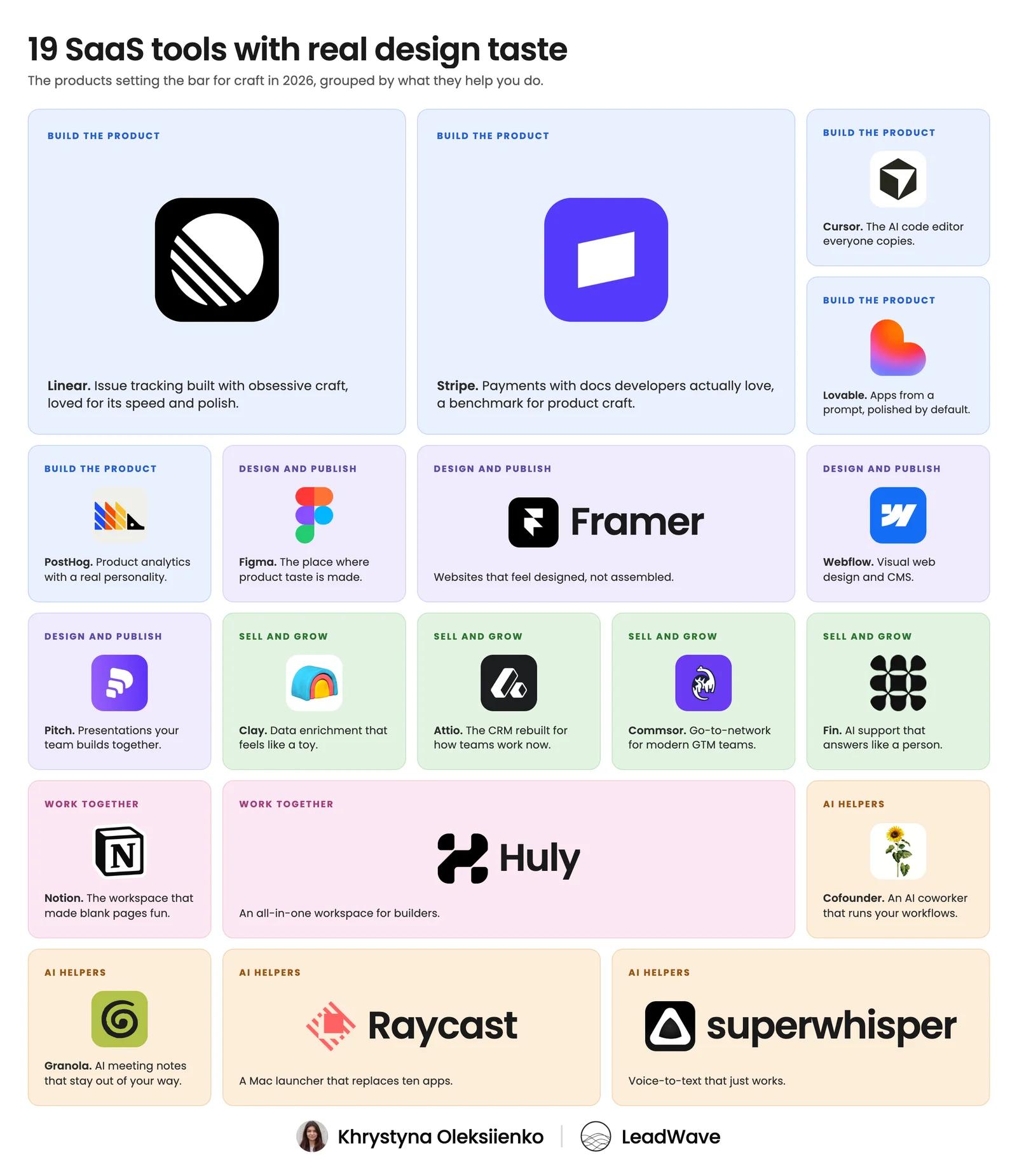
Paul Graham: “In the AI age, taste will become even more important. When anyone can make anything, the big differentiator is what you choose to make” (Feb 2026).
Figma CEO Dylan Field: “the better cogeneration gets, the more design matters” (Latent Space).
Linear CEO Karri Saarinen: “Technology makes it faster to build, but harder to care” (Why is quality so rare?).
In Figma's State of the Designer 2026 (906 designers), 91% say AI tools improve their designs.
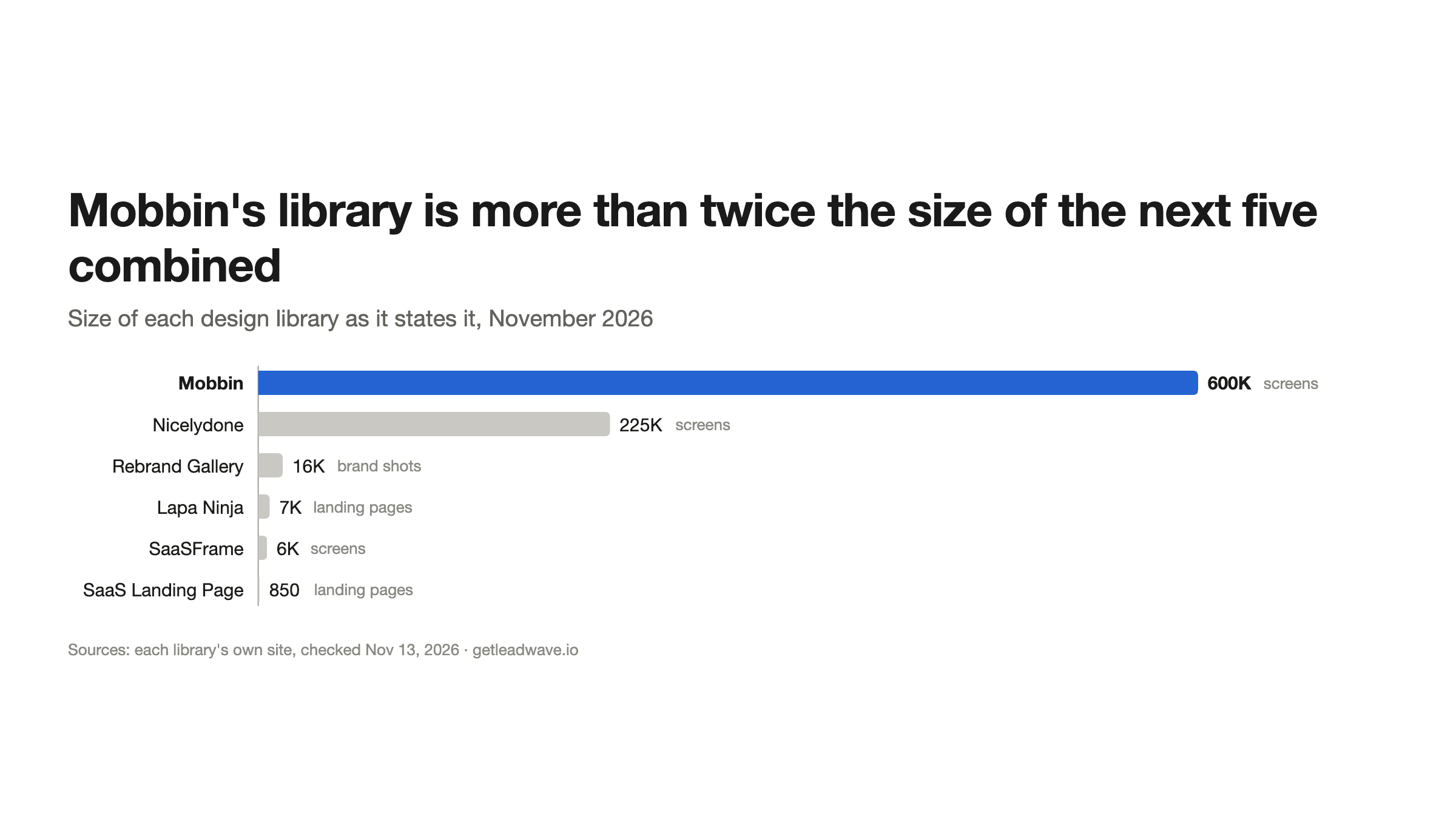
For 2027: taste is now a growth channel. For inspiration, see our gallery of SaaS websites and best SaaS design resources.
7. SaaS companies train their own AI models
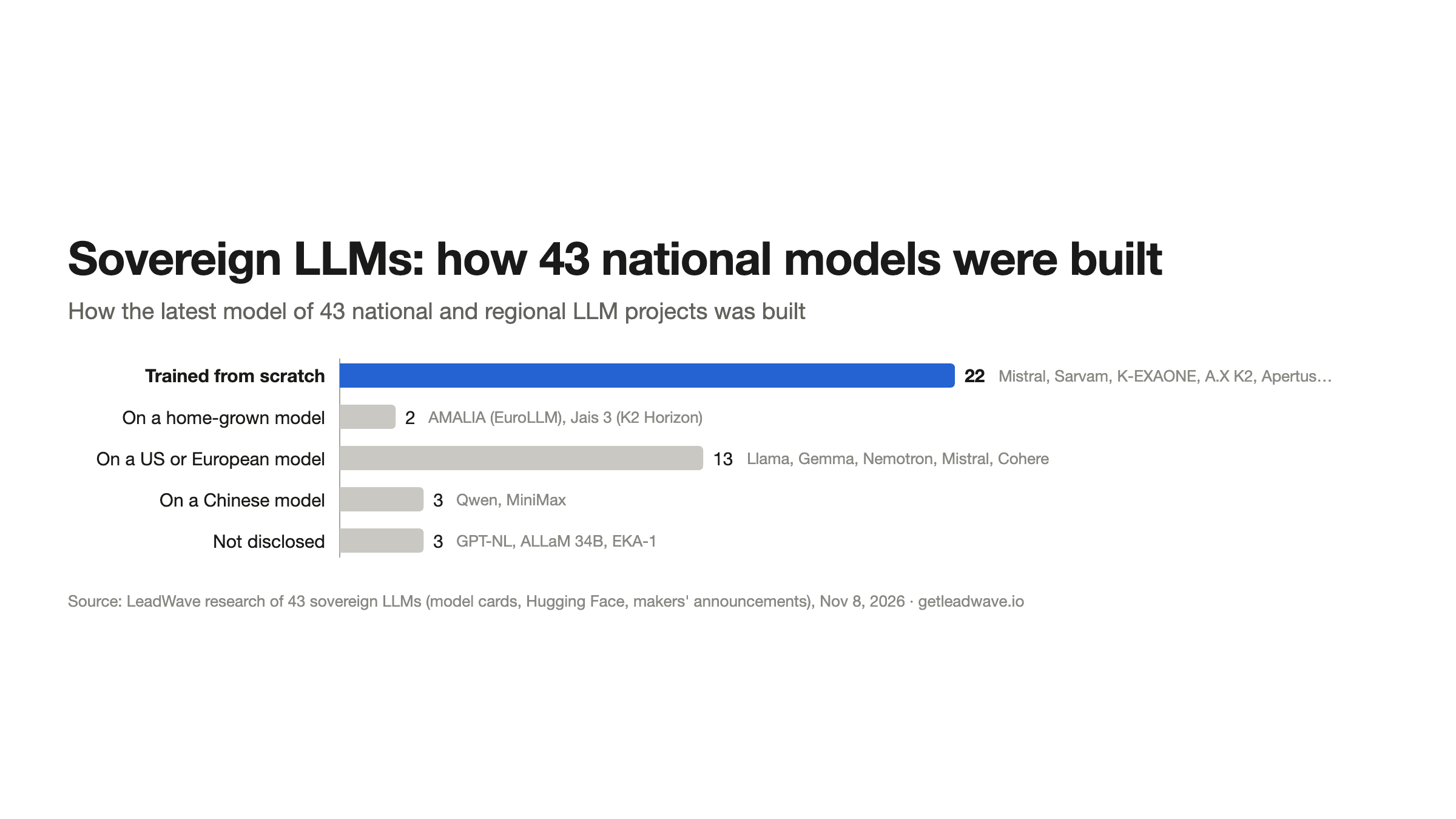
The biggest SaaS players no longer just call OpenAI or Anthropic. They train models of their own, usually by taking an open-weight model and post-training it on their own data, for one job they do better, faster and cheaper than a general model.
Canva released Craft, its own image-generation model, on October 22, 2026; Canva says it was trained from scratch by Canva Research (TechCrunch).
Decagon introduced Alto on November 11, 2026: its own model for voice support calls, answering in about 700 ms. Decagon says it lifted resolution rates by 5+ points on live calls.
Intercom launched Fin Apex in March 2026, a customer-service model it says beats GPT-5.4 and Opus 4.5 at the job, faster and cheaper. Its post is titled “The age of vertical models is here.”
Cursor ships its own coding model, Composer 2 (March 2026), at $0.50 per million input tokens; press reports say it was built on the open-source Kimi K2.5. Cognition's SWE-1.5 does the same for Windsurf.
The reason is margins. AI products ran 45% gross margins in 2025, projected to reach 53% in 2026 (ICONIQ), far below classic SaaS. In 2025, one founder told TechCrunch: “Margins on all of the ‘code gen’ products are either neutral or negative.”
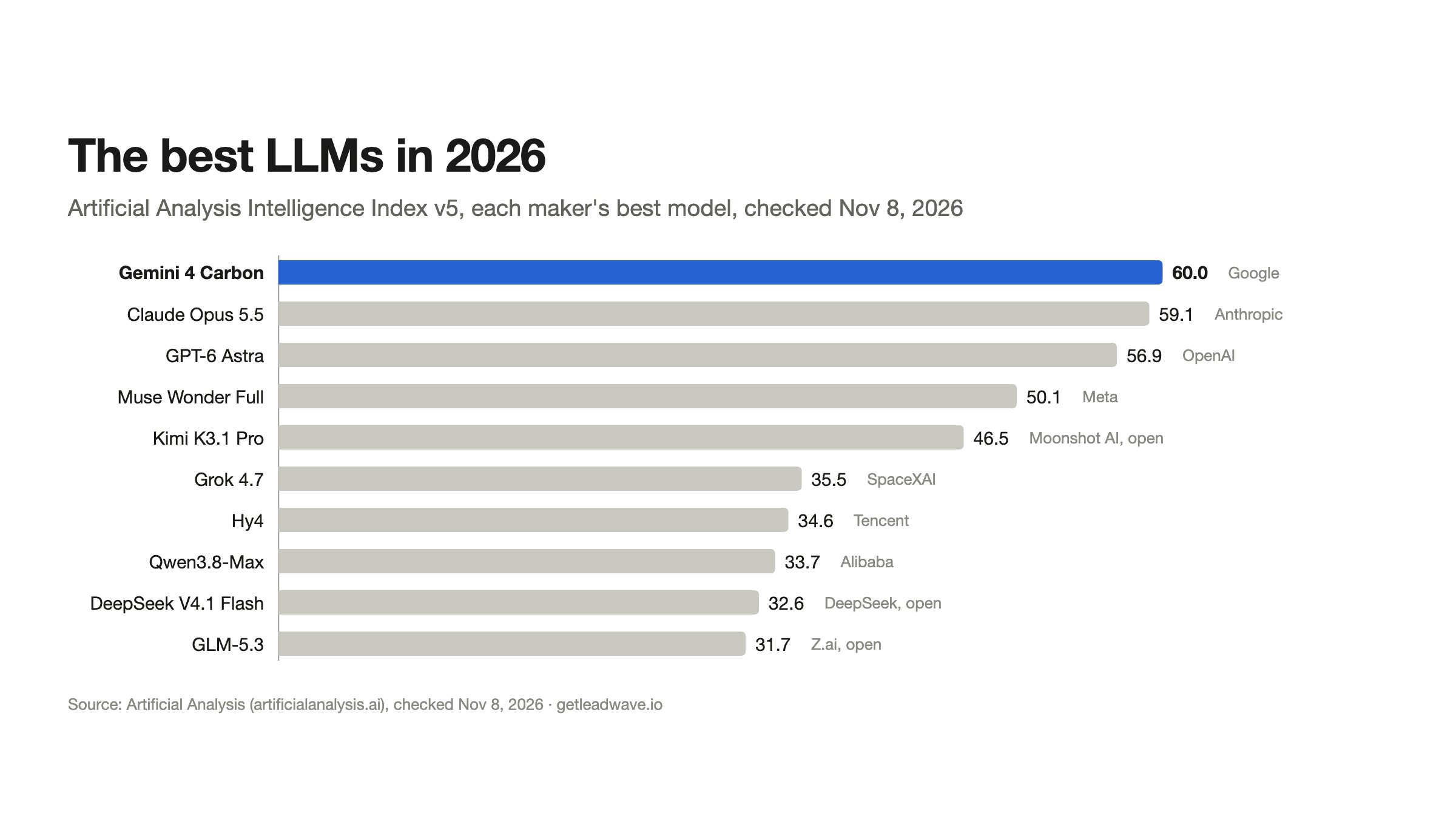
For 2027: the model becomes part of the product. Our lists of the best LLMs and AI labs track who builds them.
8. The LLM is the next distribution channel
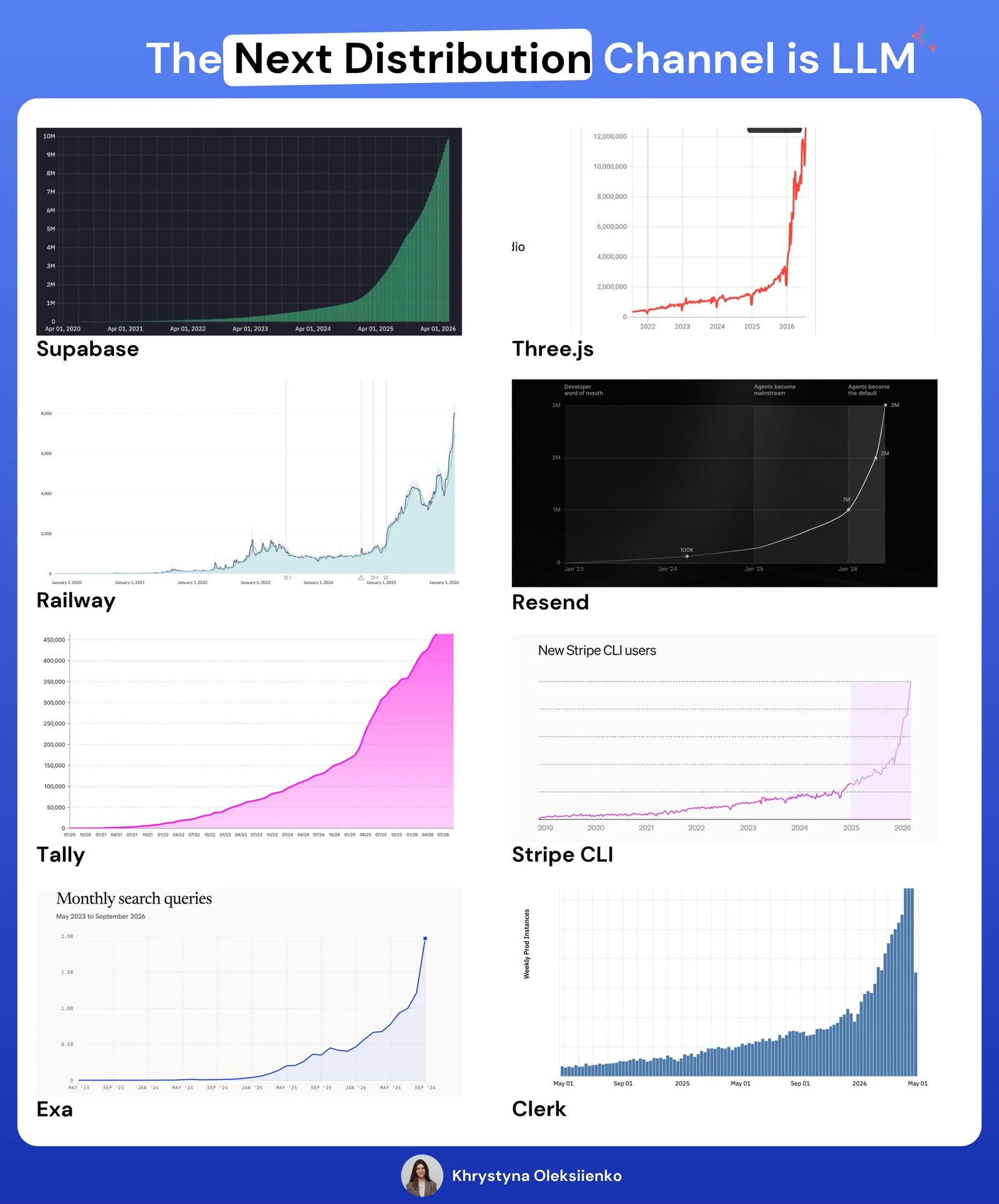
Your next user may never visit your website. The fastest-growing developer tools of 2026 have one thing in common: an AI model picked them. Nobody pitched these tools; a coding agent reached for them, or a chatbot recommended them.
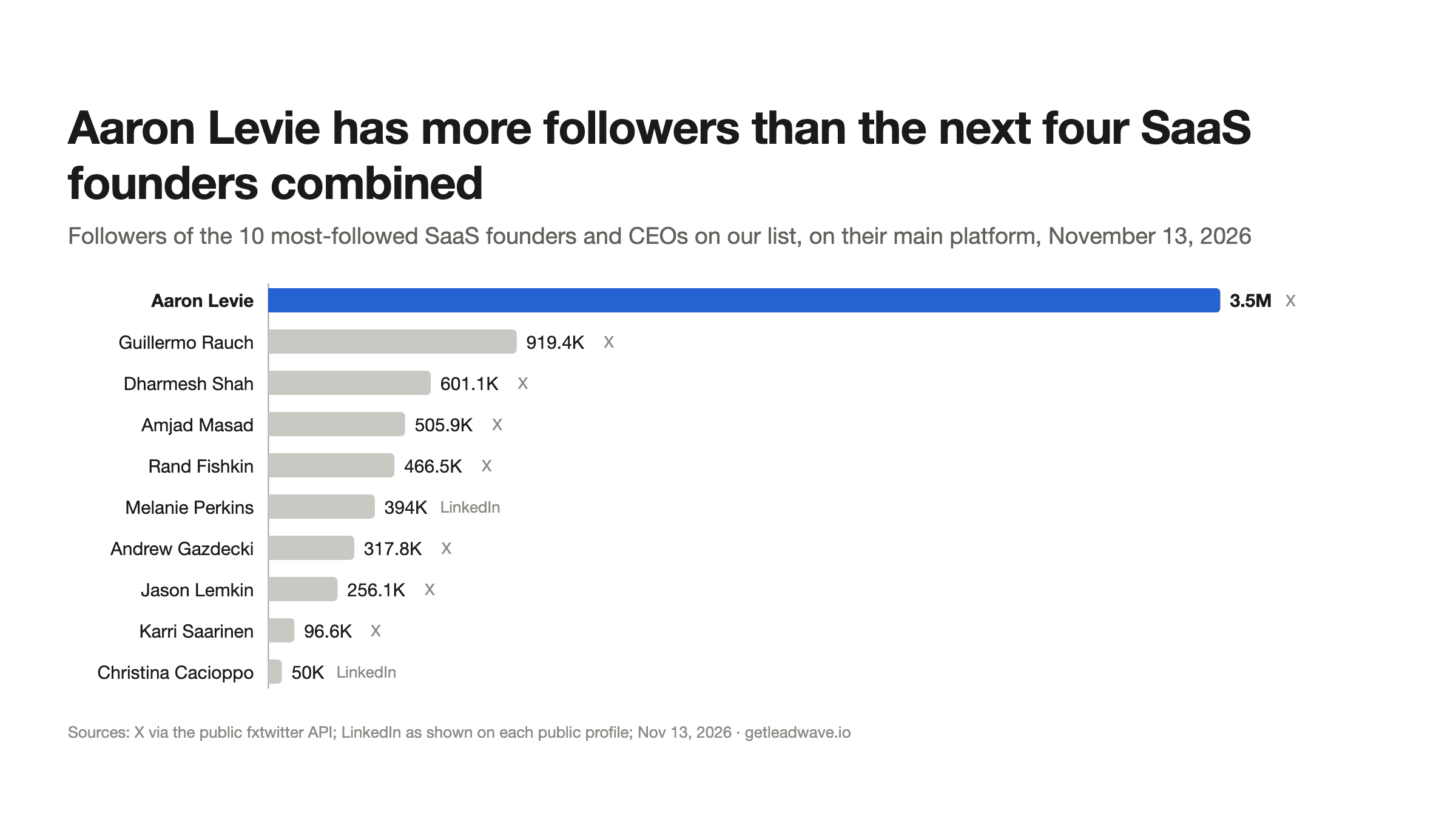
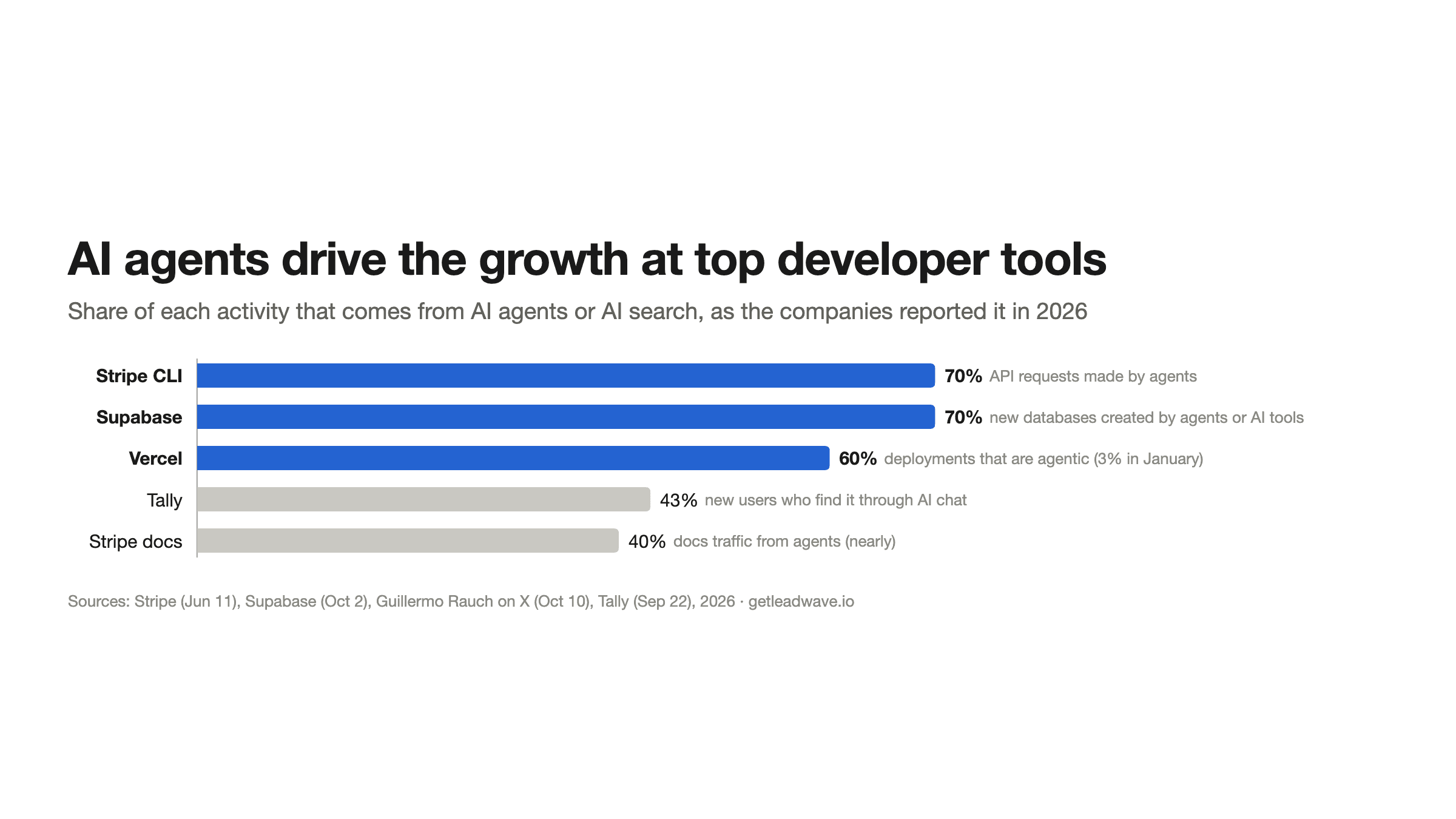
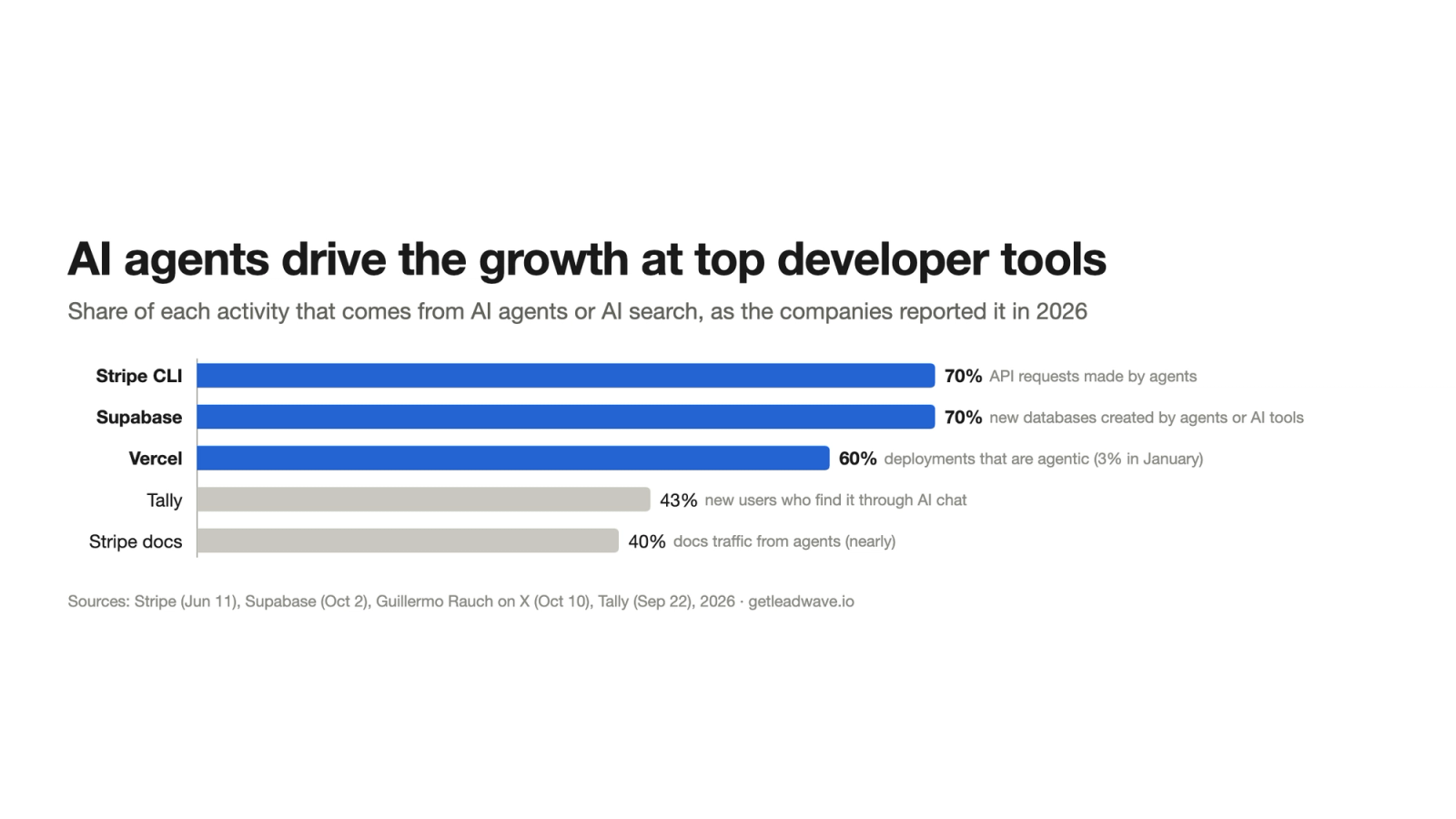
Vercel: 60%+ of deployments are now made by agents, up from about 3% in January 2026, says CEO Guillermo Rauch.
Supabase adds 1M+ users and 4M databases a month, and 70% of new databases are “created by agents or AI-driven tools” (Supabase, Oct 2026).
Tally: “today 43% of new users discover Tally through ChatGPT, Claude, Gemini, Perplexity, and friends.” AI search has overtaken its viral loop as its biggest acquisition channel (Tally, Sep 2026).
Stripe says AI-influenced journeys are now nearly 4x the share of signups they were last January, and new Stripe CLI users are up about 3.9x since January 2025. 70% of CLI requests for API resources come from agents, and agents make up nearly 40% of traffic to its docs (Stripe, June 2026).
Resend: MCP calls grew from 106K in April 2026 to 3M in September.
Clerk: weekly activated production instances grew about 3.7x in four months.
Exa, search built for agents, passed $100M in annualized revenue: “We've grown almost exactly 10x per year for 3 years” (Will Bryk, Oct 2026).
Railway went from about 850 a day to about 8,000 a day on its growth chart, and is Claude Code's pick for 82% of Python deployments in Amplifying's study of what Claude Code chooses.
Three.js gets about 36M npm downloads a week, roughly 24x January 2025 (npm, November 2026).
For 2027: distribution used to mean ranking on Google. Now it also means being the tool a model reaches for first: clear docs, an MCP server, a CLI and an llms.txt. Our AEO and GEO playbook shows how to get recommended by AI search.
9. Distribution beats features
A feature can now be copied in days. An audience, a community and trust can't. That makes distribution and attention more valuable than ever.
Marc Lou: “My startup marketplace (TrustMRR) can be cloned with a prompt, but a network of 20K buyers can't. Trust compounds over time” (Aug 2026).
Greg Isenberg: “now that we all can build anything with ai we're going to all have to figure out distribution” (Mar 2026).
OpenClaw went viral in January 2026, and big tech clones followed within weeks, including ByteDance's ArkClaw and Tencent's WorkBuddy (The Register).
56% of B2B buyers who use creators rely on them in the final buying stage, per LinkedIn's 2026 B2B Marketing Outlook.
For 2027: build the audience before the product. Our SaaS growth ideas collect 37 tactics, from building in public to founder messages.
10. B2B sales gets rebuilt around agents
The B2B sales stack of three years ago was a spreadsheet, a CRM and an email tool. In 2026 it's a new layer of agents, APIs and data feeds that didn't exist at scale in 2023. Khrystyna spent seven years in prospecting; these are the eight shifts she sees.
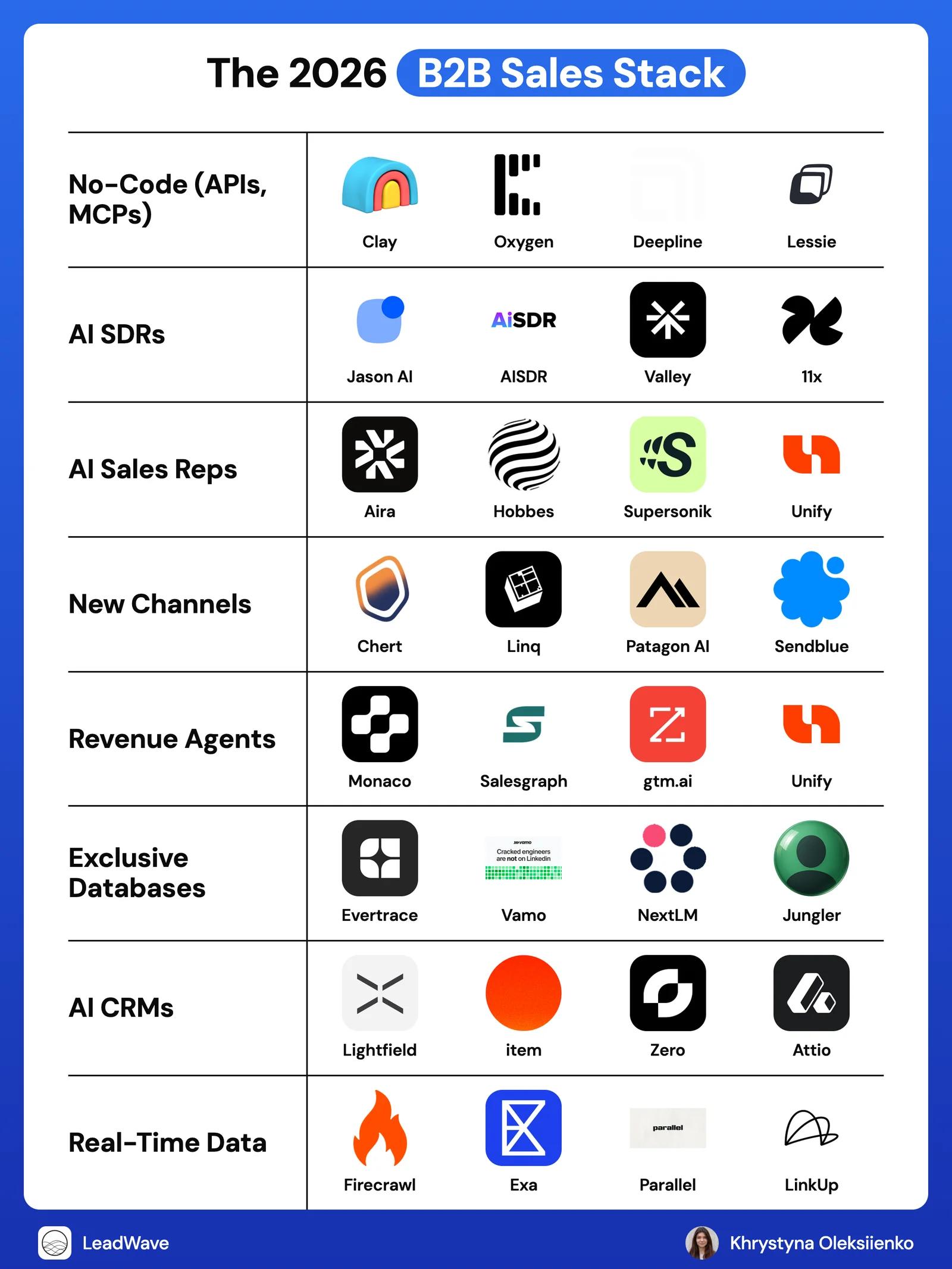
GTM engineers replace SDR ops. Everything talks to everything through APIs, CLIs and MCPs: Clay, Oxygen, Deepline, Lessie. Clay says it raised at a $7.1B valuation in September 2026.
AI SDRs, the first wave, draft and send at volume: Jason AI by Reply, AiSDR, Valley, 11x. The hype got ahead of results: TechCrunch found 11x listing customers it didn't have.
AI sales reps run the conversation, not just the outreach: Aira, Hobbes, Supersonik.
New channels. Gmail stepped up enforcement against bulk senders in November 2025, so outreach is moving to iMessage and WhatsApp: Chert, Linq, Patagon AI, Sendblue. Linq sends 30M+ messages a month (TechCrunch).
Revenue agents sit on top of your GTM data and run the full cycle: Monaco ($85M+ raised within months of launch), gtm.ai by ZoomInfo, Unify.
Exclusive B2B databases. Curated, hard-to-find data beats the same scraped list everyone else buys: Evertrace, Vamo, NextLM, and LeadWave's own hand-researched list of SaaS companies.
AI CRMs update themselves instead of asking reps for data entry: Lightfield ($47M Series A led by a16z), item, Zero, Attio.
Real-time data turns the web into a live API: Firecrawl ($75M Series B), Exa ($2.2B valuation), Parallel ($2B valuation), Linkup.
For 2027: fewer reps, more GTM engineers, and data quality becomes the difference between an agent that books meetings and one that burns your domain.
11. Per-seat pricing declines
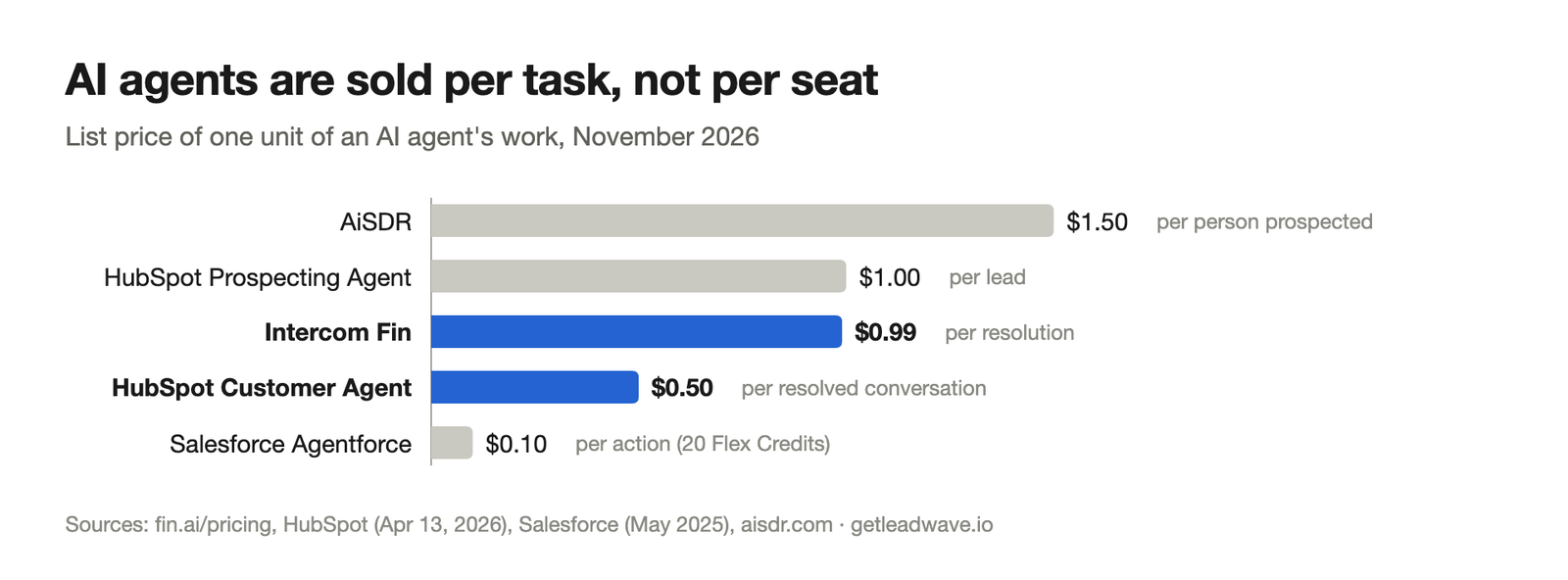
If an agent does the work, fewer people need a login, and charging per seat stops making sense. SaaS companies are moving to pricing per task, per outcome or per credit, and the ones built on seats are feeling it.
ZoomInfo, the classic seat-based data tool, reported revenue down 3% year over year in Q3 2026, with net revenue retention at 88% (SEC filing). It now pitches itself as a “headless context layer” for AI agents.
Salesforce launched Headless 360 in April 2026, exposing the platform to agents through 60+ MCP tools. Co-founder Parker Harris asked: “Why should you ever log into Salesforce again?” Agent calls will be billed from credits, not seats.
Outcome pricing spread: Intercom Fin charges $0.99 per resolution, HubSpot moved its agents to pay-when-done pricing in April 2026, and Zendesk has charged per resolution since 2024.
Hybrid pricing is now the most common model (37% of 230 companies), and 29% already sell AI credits, per Growth Unhinged's State of B2B Monetization 2026.
Investors noticed. After Anthropic's Claude Cowork plugins, the S&P software index fell more than 4% on February 5, 2026, and was down about 20% for the year, a selloff dubbed the “SaaSpocalypse” (CNBC).
For 2027: seats won't vanish overnight, since large companies hold onto them longest, but new products will launch priced on the work done.
12. Agents start paying agents
If agents find tools, use them and finish the work, they also need to pay for them. The payment rails for that were built in 2025 and 2026. The volume is still small, but the pieces are in place.
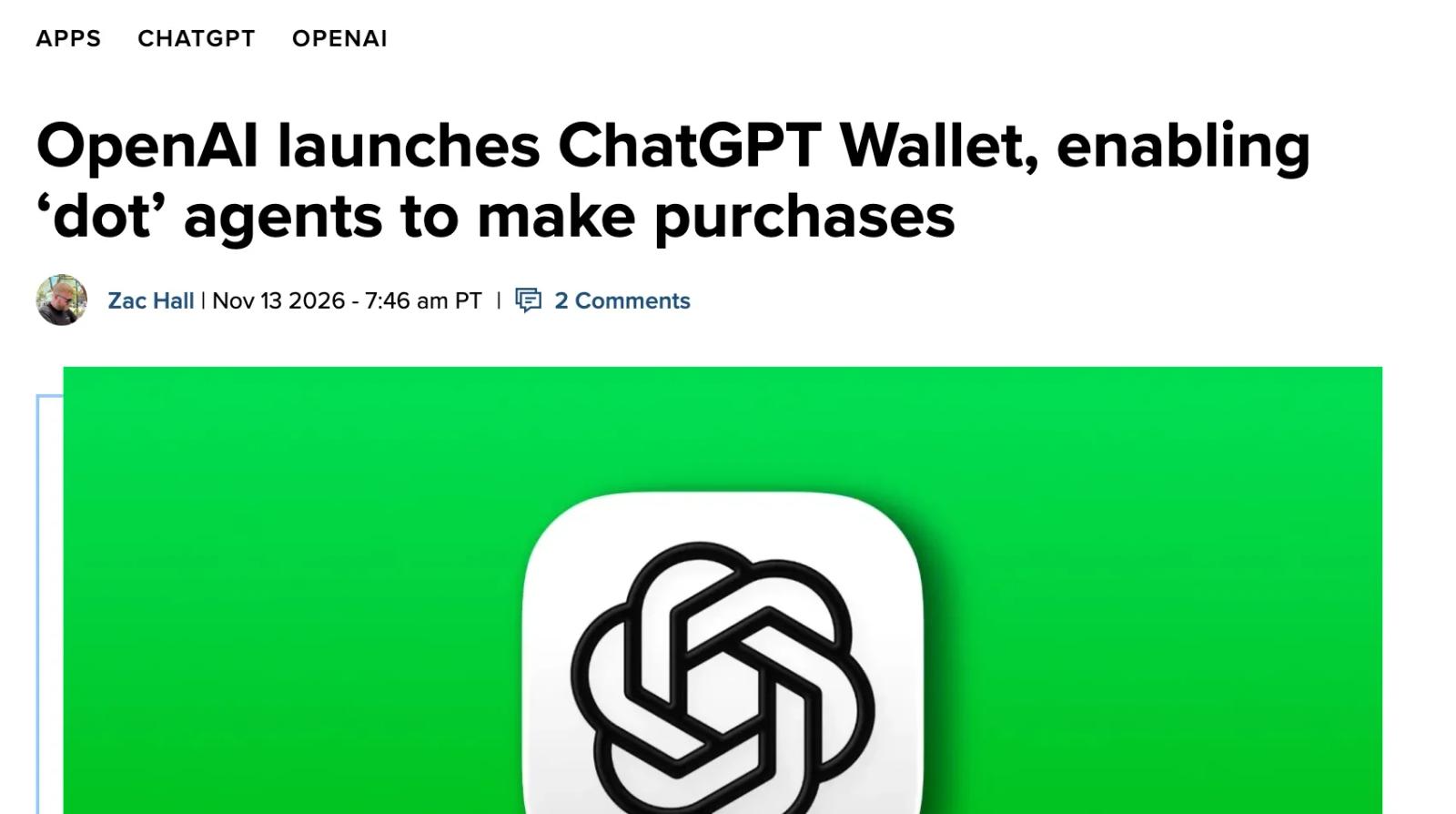
The newest piece: on November 13, 2026, OpenAI launched ChatGPT Wallet, which lets its always-on dot agents buy things for you. It was built with American Express, Mastercard and Visa: the card networks give the agent a substitute card number, so your real one stays hidden, and you approve each purchase with Face ID or a fingerprint. It starts with ChatGPT Pro subscribers in the US.
Stripe and OpenAI launched the Agentic Commerce Protocol in September 2025, with payment tokens scoped to one merchant and one cart. At Stripe Sessions 2026, Stripe added wallets for agents with a one-time card per task.
Google's Agent Payments Protocol (AP2) launched with 60+ partners, including Mastercard, PayPal, American Express and Coinbase.
Coinbase's x402 protocol, which lets an API charge per call, processed 100M+ payments by Q1 2026. But the dollar value is still tiny: $1.2M in the 30 days to May 29, 2026, on Base (Base).
Cloudflare's pay per crawl lets websites charge AI crawlers per request.
The reality check: OpenAI scaled back ChatGPT's Instant Checkout in March 2026 after it didn't drive sales (Modern Retail). Wallet is its second try, this time built around agents rather than chat.
For 2027: the first real volume will likely be agents paying for APIs and data per call, not agents shopping for people. If your product has an API, price it so an agent can pay for one call.
FAQ
What are the biggest SaaS trends for 2027?
AI agents doing the work inside SaaS products, AI search and coding agents becoming a main distribution channel, the shift from per-seat to per-task pricing, and software becoming cheap enough to build that taste and distribution decide who wins.
Is SaaS dead?
No, but seat-based SaaS is under pressure. Software stocks sold off in February 2026 on fears that AI agents replace seats, and companies like ZoomInfo are shrinking. Meanwhile AI-native SaaS companies like Exa, Lovable and Supabase are growing faster than any SaaS did before.
What is an AI coworker?
Software that works on your behalf in the background: it reads your email and apps, does tasks like chasing invoices or researching leads, and asks for approval before risky actions. Examples from 2026: Claude Duet, OpenAI Dots, Meta Muse, xAI Team Bots, Town and Viktor.
Will per-seat pricing disappear?
Not soon. Large companies hold onto seats longest, but AI features are increasingly sold per task, per outcome or with credits: Intercom Fin at $0.99 per resolution, HubSpot at $0.50 per resolved conversation.
How do you get your SaaS recommended by ChatGPT and other LLMs?
Make your product easy for a model to understand and use: clear docs, an llms.txt file, an MCP server, a CLI, and being mentioned in the places models read. See our AEO and GEO guide.
How this list was built
Khrystyna Oleksiienko picked the trends and made the infographics while tracking SaaS and AI launches through 2026. On November 15, 2026, we checked every number against its primary source: company blogs, SEC filings, founders' posts and launch notes, with reputable press where no primary source was available. We corrected numbers that had changed since (Three.js downloads, OpenClaw's GitHub stars, Viktor's team count). A few figures (Stripe's signup share and CLI growth, Resend, Clerk, Railway's daily chart) come from charts and posts the companies shared on social media, as shown in the infographic above, and aren't linked. Revenue and user figures are as the companies state them, and none is audited.
About this list
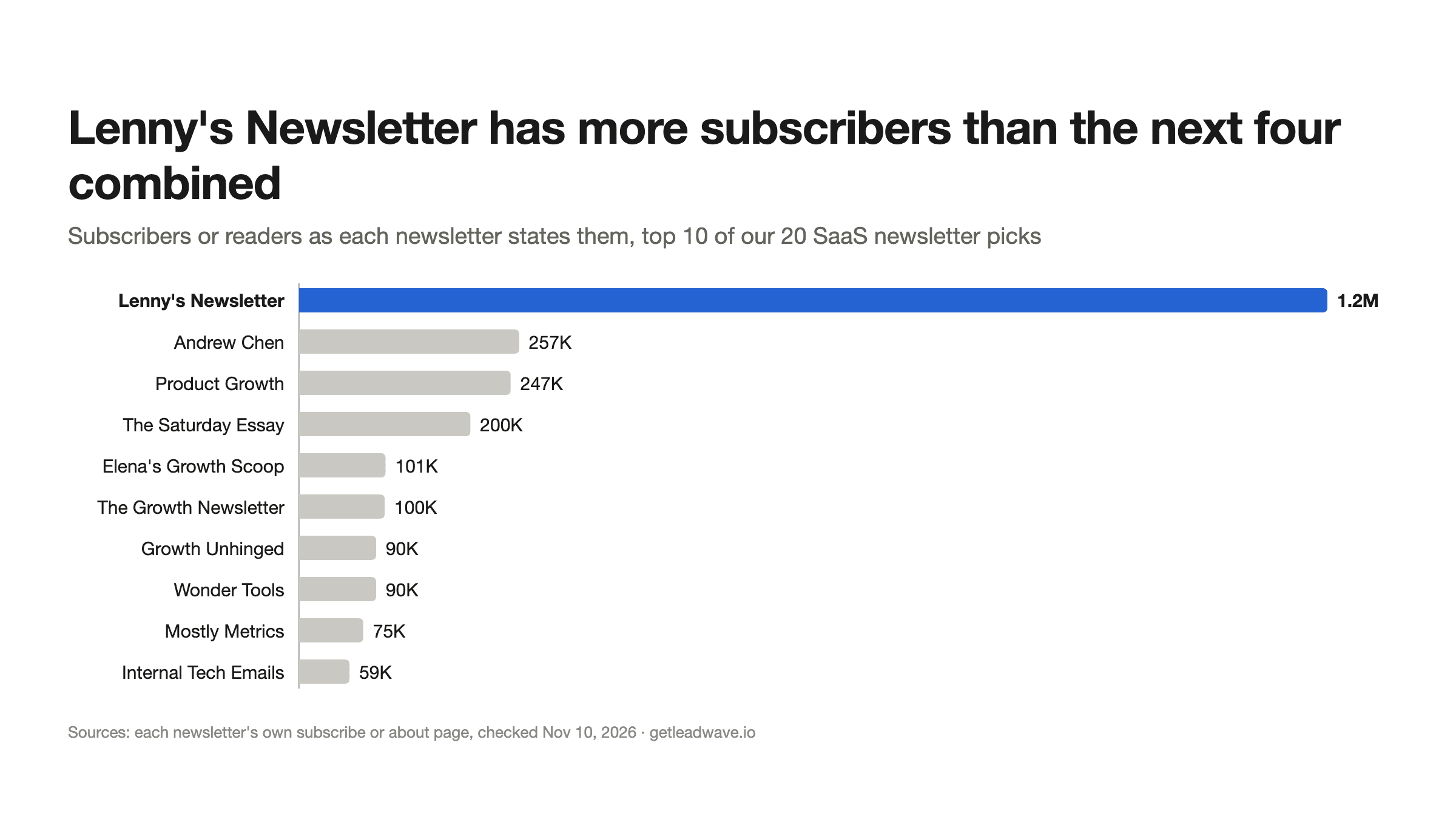
Written by Khrystyna Oleksiienko at LeadWave, which maintains a hand-researched database of SaaS and AI companies. She also picked our SaaS founders to follow, SaaS indie hackers, top SaaS newsletters and best SaaS design resources.
Selling to the SaaS companies riding these trends?
LeadWave’s list of SaaS companies gives you the CEO's verified email for 15,000 SaaS companies, with size, funding and founding year. For AI-native companies, see our AI companies email list.