



Skip to content
Figma logoFigmaSan Francisco, California, US
Website

How Figma Grew: From Three Years in Stealth to $1B+ in Revenue

Curated by Khrystyna Oleksiienko · Published

Figma spent three years in stealth making a design tool that runs in the browser, then let people use it free. Designers brought it to work, developers and product managers followed, and sales came last. Revenue passed $1 billion in 2025, and in the third quarter of 2026 it was still growing 43% a year.

Revenue in Q3 2026, up 43%
$391M
Sep 2026
Monthly users, two-thirds of them not designers
13M+
Mar 2025
Customers paying over $100K a year
1,700+
Sep 2026
Net dollar retention
131%
Sep 2026

Figma’s growth in charts

Figma revenue over timeRevenue figures, as each source reported them. Hover or tap the line for each figure.
$0$500M$1B$1.5B202320242025$1.06B
Customers paying Figma over $100K a yearPaid customers with more than $100,000 in annual recurring revenue, as Figma reports them each quarter.
05001K1.5K2KMar 2025: 1,0312025Jun 2025: 1,119Sep 2025: 1,262Dec 2025: 1,405Mar 2026: 1,5252026Jun 2026: 1,635Sep 2026: 1,7171.7K
People at Config in San FranciscoIn person; thousands more watch online. Between 2020 and 2023 Config was held online.
02.5K5K7.5K10KFeb 2020: 1,000+1KFeb 2020Jun 2023: 8,000+8KJun 2023May 2025: 8,5008.5KMay 2025
Net dollar retentionWhat customers paying $10K+ a year spent, against what the same customers spent a year earlier, as Figma reports it.
0%50%100%150%Dec 2024: 134%2024Mar 2025: 132%2025Jun 2025: 129%Sep 2025: 131%Dec 2025: 136%Mar 2026: 139%139%2026Jun 2026: 136%Sep 2026: 131%131%

The Figma growth playbook at a glance

8 moves, one card each. The proof is further down the page; the full how-to is on each tactic’s page.

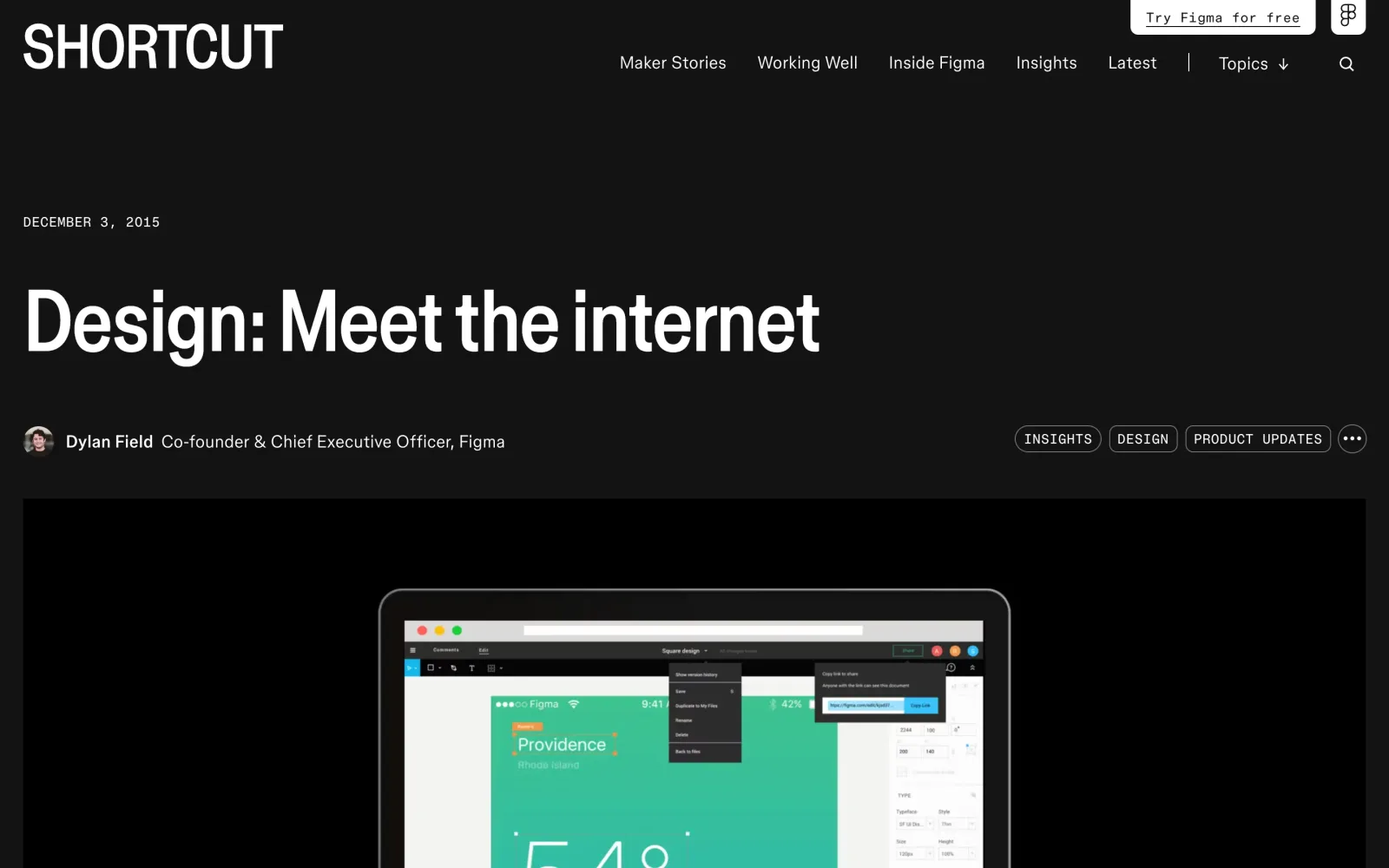
  1. Design: Meet the internet, Dylan Field's December 2015 launch post
    01

    Build it in the browser

    Three years in stealth to make a professional design tool run in any browser, at the speed of a desktop app.

    See the proofFull playbook

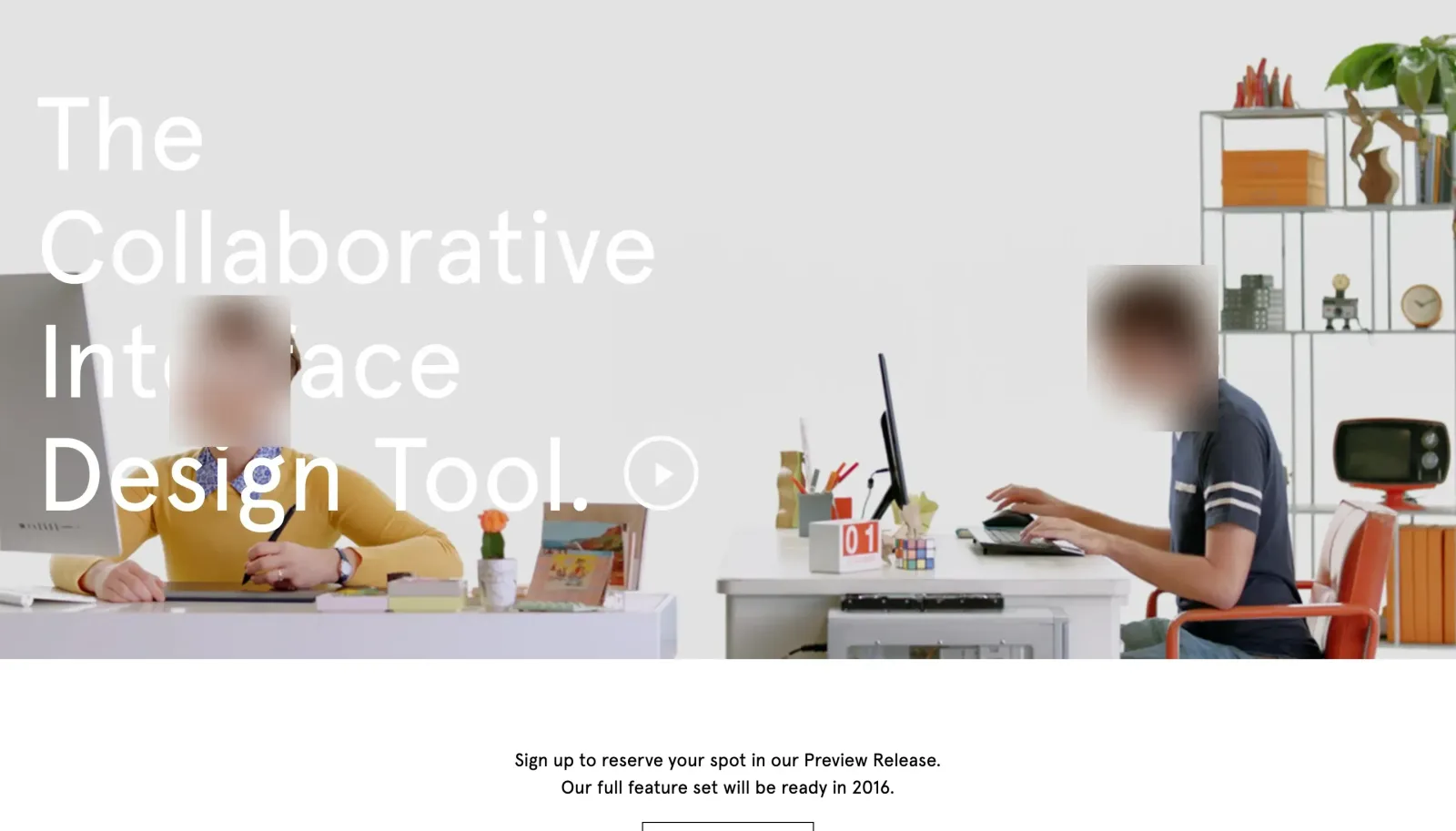
  2. figma.com in December 2015, asking visitors to sign up for the Preview Release
    02

    Launch to the people designers follow

    Map design Twitter, demo to its most followed people, and publish deep technical posts instead of how-tos.

    See the proofFull playbook

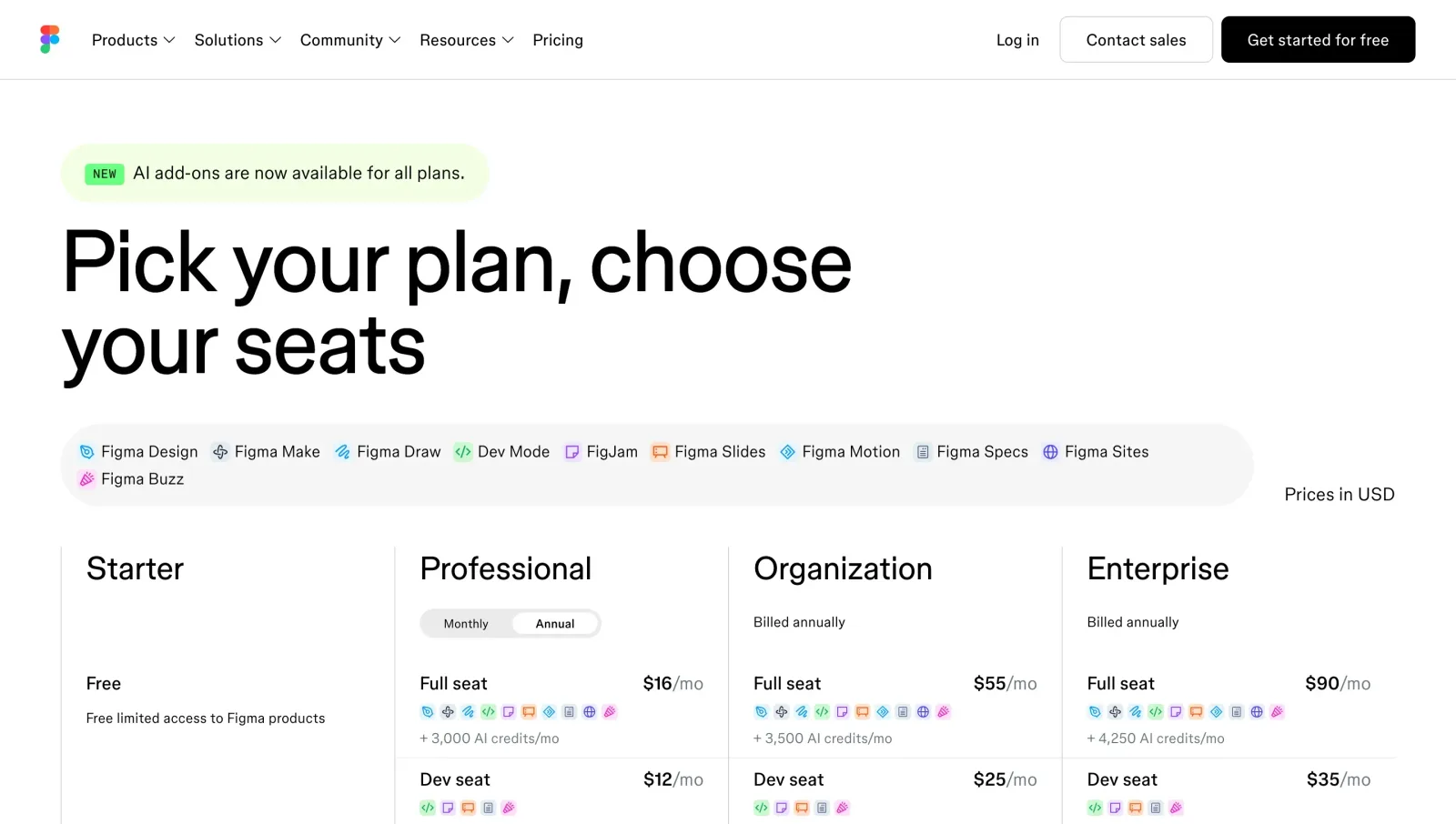
  3. Figma's pricing page with the free Starter plan
    03

    Keep the magic moment free

    The free plan limits files, not editors, so a whole team feels multiplayer before anyone pays.

    See the proof

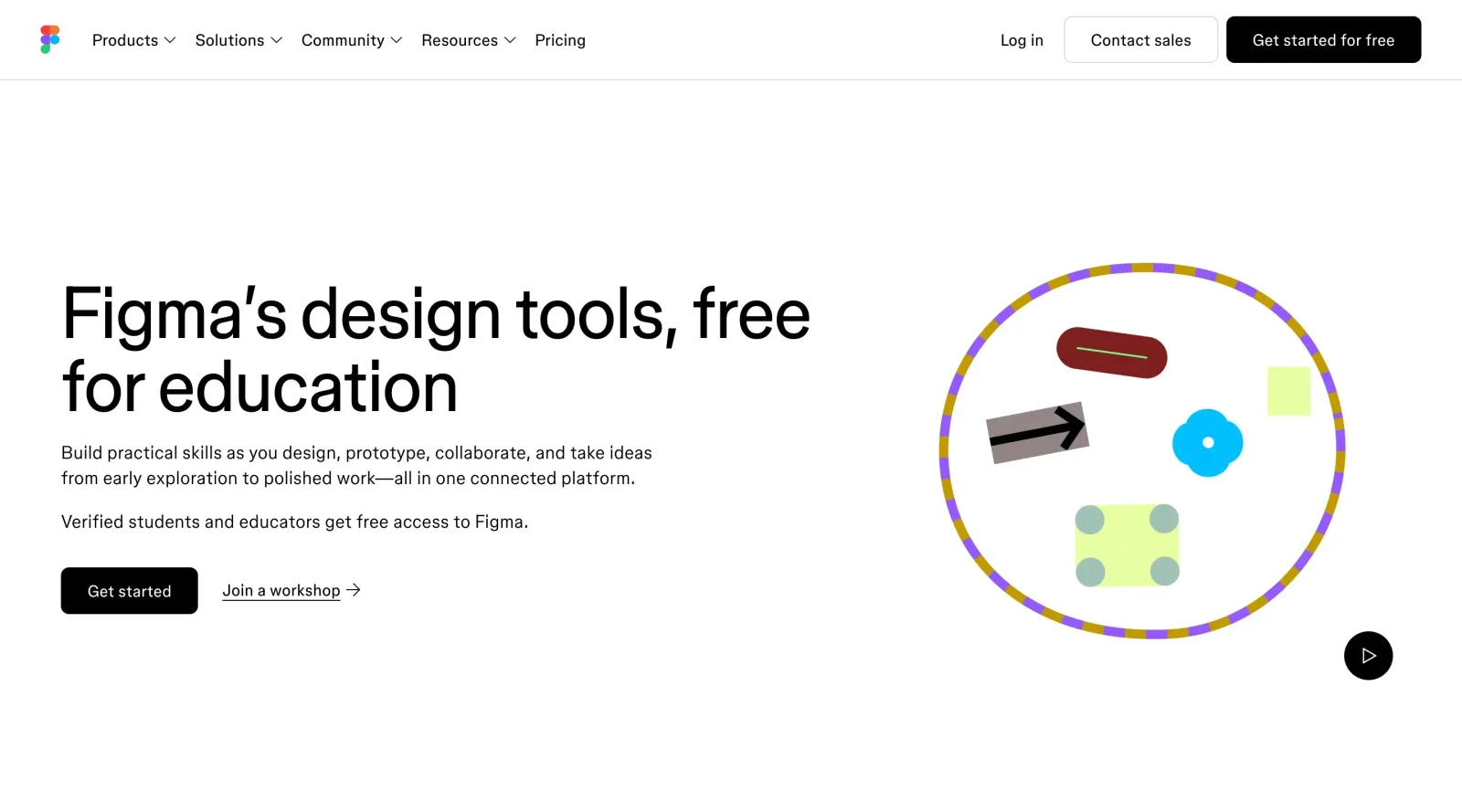
  4. Figma's design tools, free for education
    04

    Free for students and teachers

    Verified students and educators get Figma's paid features free, so new designers learn on it.

    See the proof

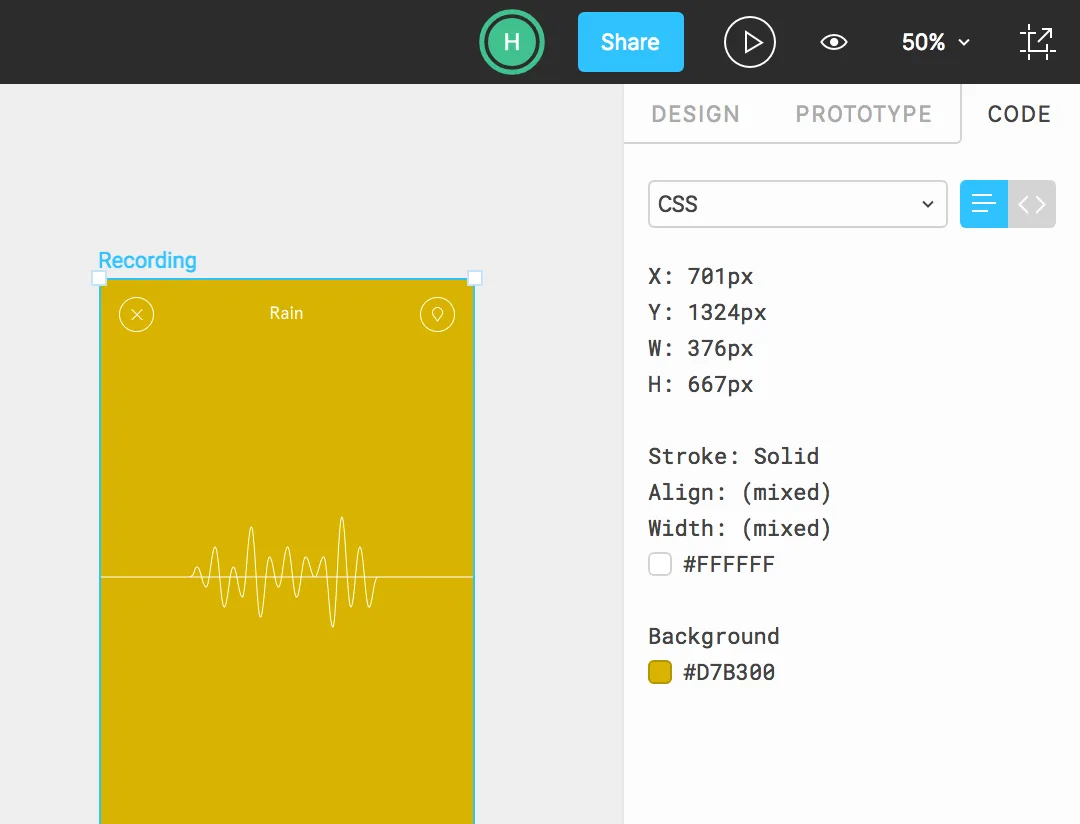
  5. Figma 2.0's code panel showing CSS values for a selected layer
    05

    Make switching cheap

    Any computer, Sketch file import, and free view-only seats for developers who inspect designs and copy code.

    See the proofFull playbook

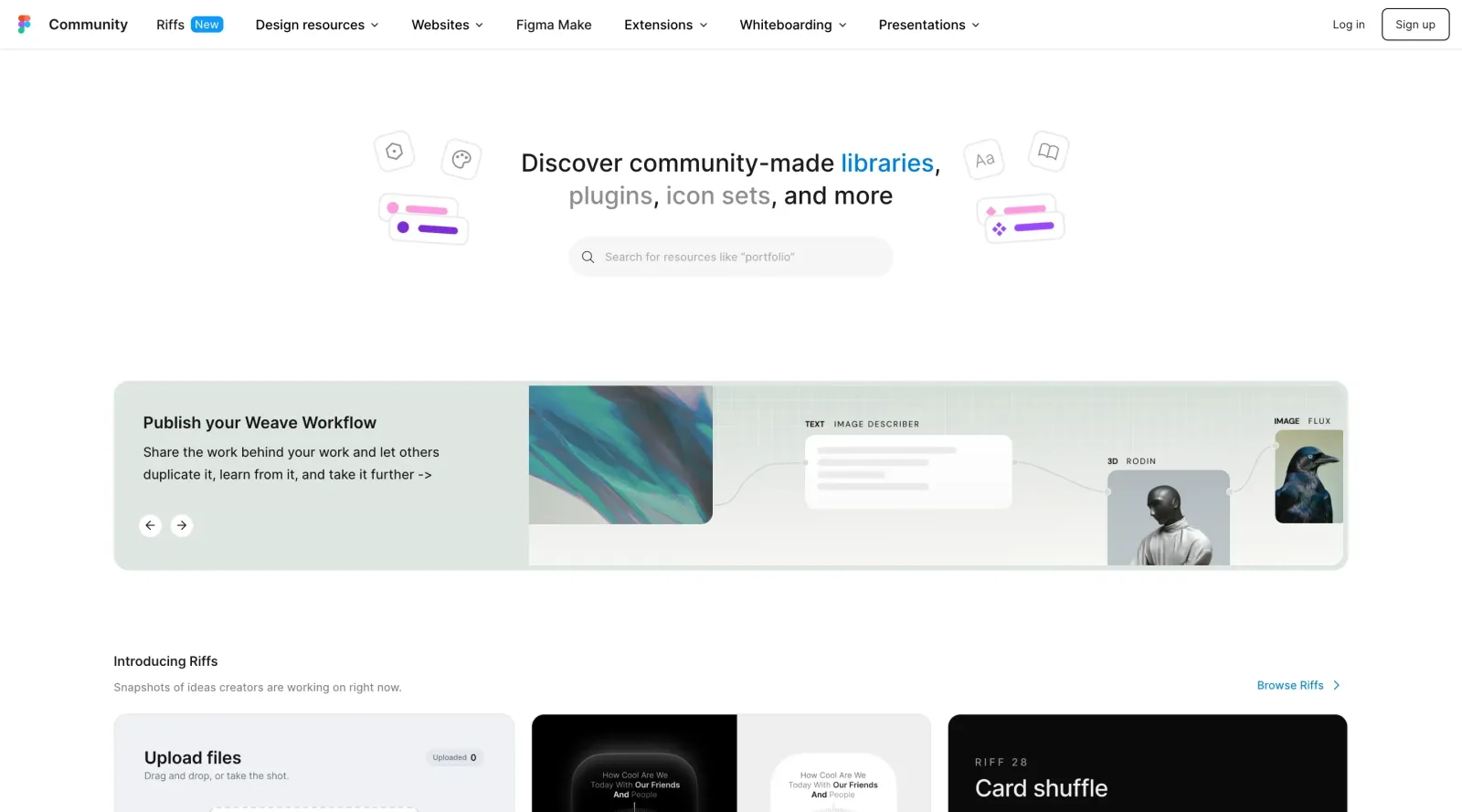
  6. Figma Community: community-made libraries, plugins, icon sets and more
    06

    Let users build the platform

    Users publish files and plugins on the Figma Community and meet at Config, a conference built from their proposals.

    See the proofFull playbook

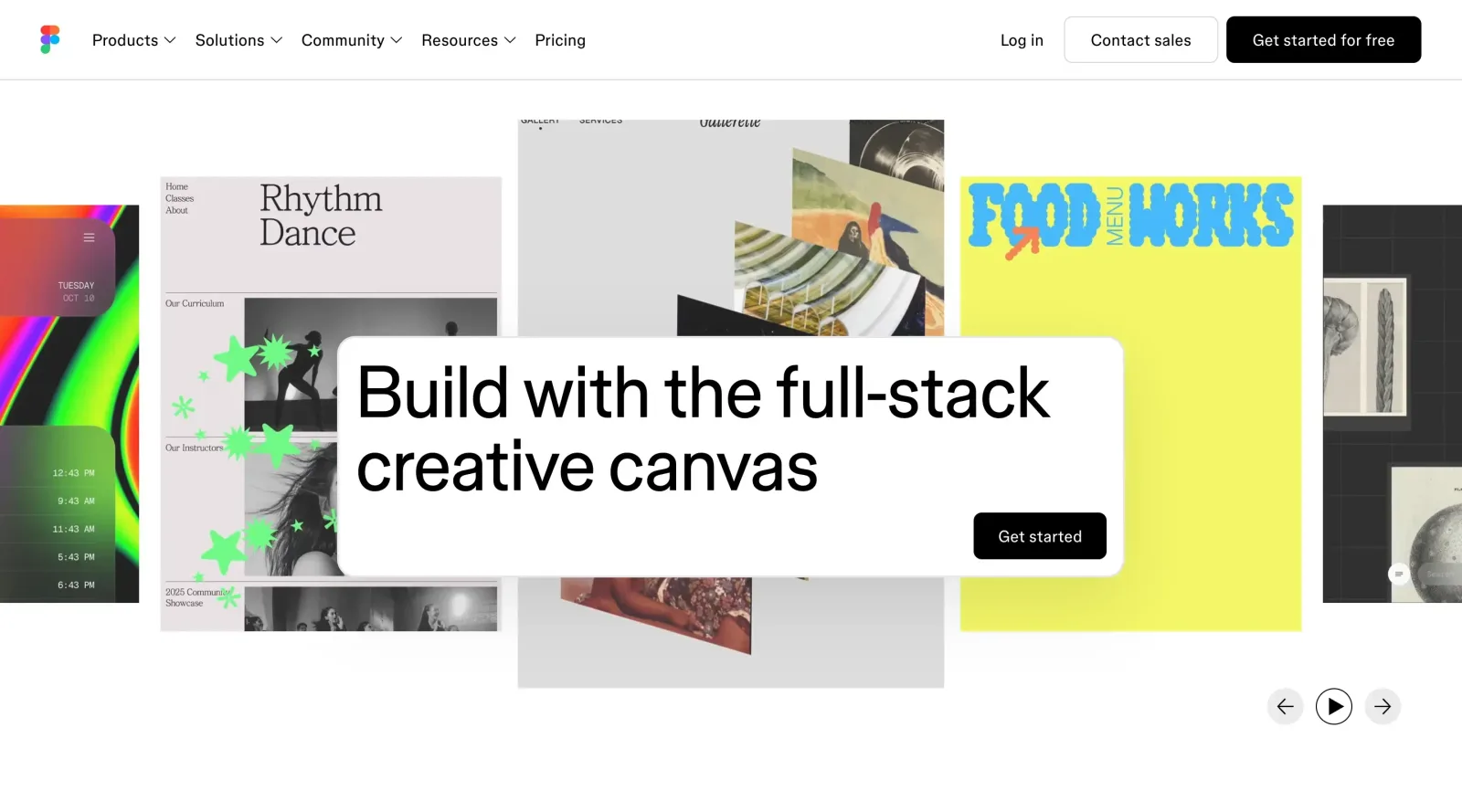
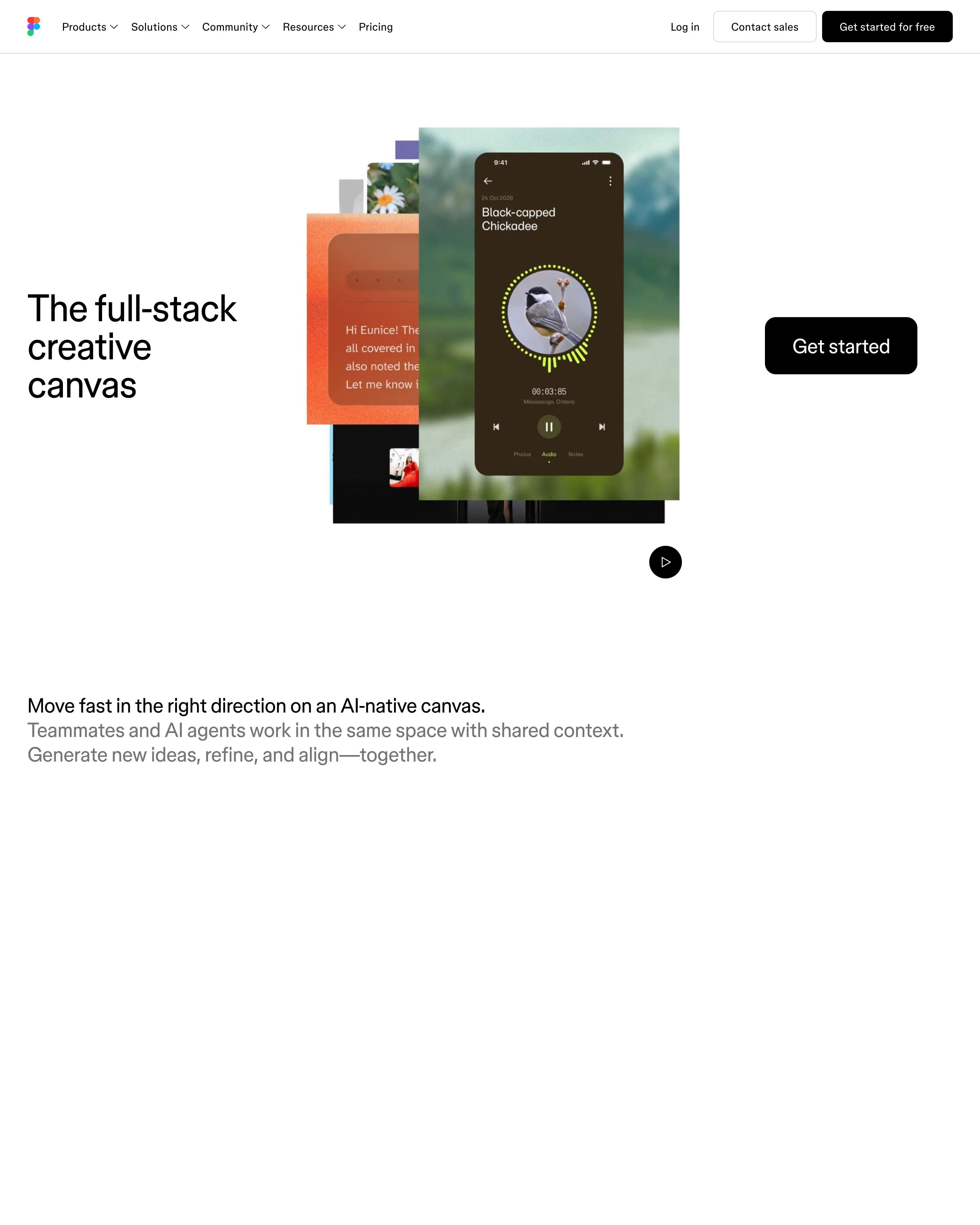
  7. Figma's homepage with Get started for free next to Contact sales
    07

    Sales follows the credit cards

    The first salesperson came in 2018, to join up teams already paying on their own inside big companies.

    See the proof

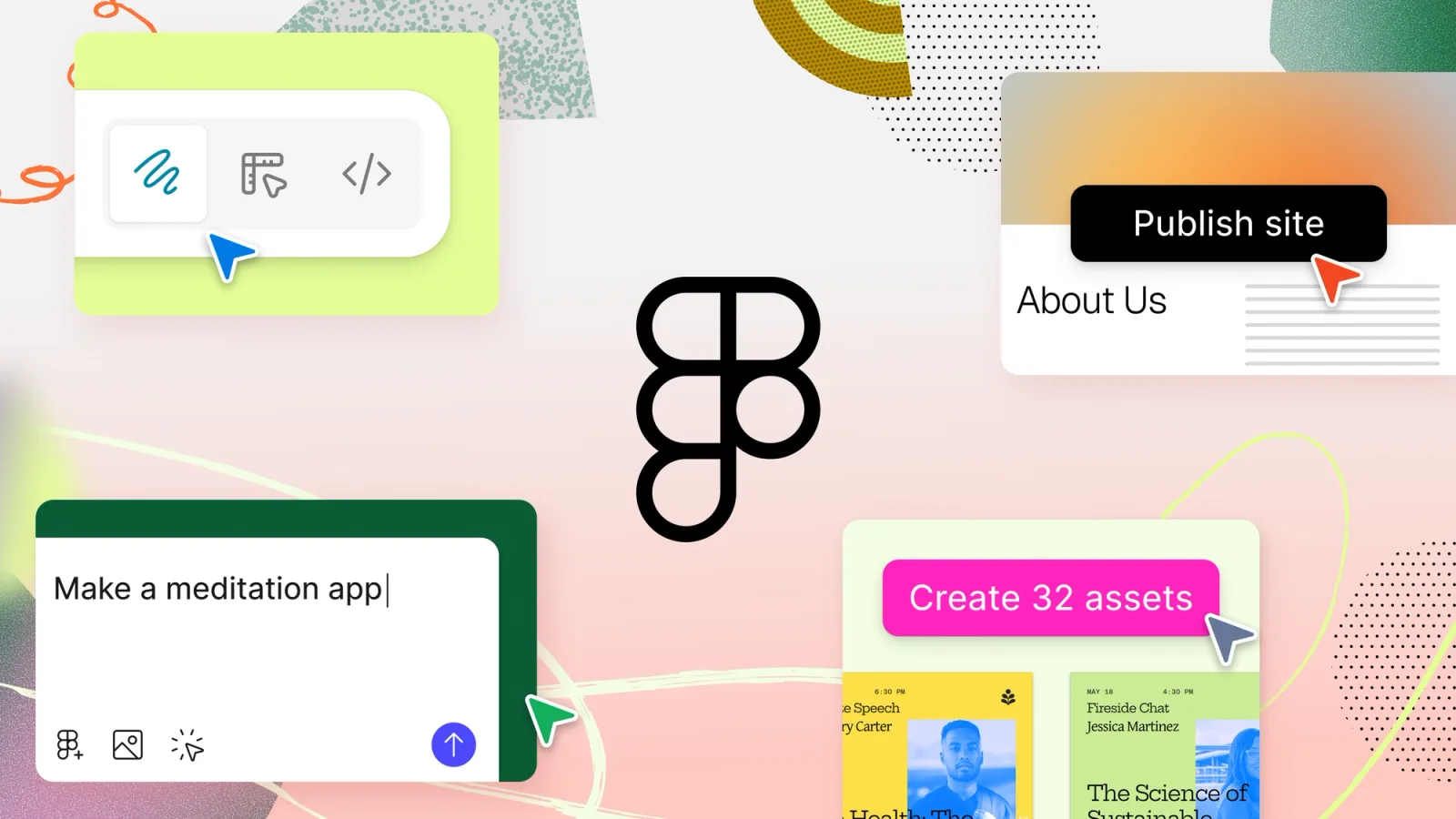
  8. Config 2025 launches: Figma Make, Sites, Buzz and Draw
    08

    Then build for the whole team

    FigJam, Dev Mode, Slides, Sites and Figma Make bring developers, product managers and marketers in.

    See the proofFull playbook

Figma growth timeline

  1. Dylan Field and Evan Wallace start Figma

    Field leaves Brown University on a Thiel Fellowship. Source

  2. Preview release after three years in stealth

    $18M raised from Greylock, Index and others; free to try. Source

  3. Open to everyone, with multiplayer editing Source

  4. Figma 2.0: prototyping and free seats for developers

    Figma starts charging the same year. Source

  5. $40M Series C, 1M+ sign-ups

    80% of weekly active users are outside the US. Source

  6. The Figma Community opens in beta

    Plugins opened to everyone in August. Source

  7. First Config: 1,000+ people Source

  8. FigJam launches; free plan gets unlimited editors Source

  9. Adobe agrees to buy Figma for $20B

    Adobe expects Figma to end 2022 above $400M in ARR. Source

  10. Adobe deal called off; Figma gets a $1B fee Source

  11. IPO on the New York Stock Exchange at $33 a share

    The stock closes its first day at $115.50. Source

  12. Q3 2026: revenue up 43% Source

    $391M in the quarter

Three years in stealth, building in the browser

Dylan Field and Evan Wallace met at Brown, where Wallace showed Field what WebGL could do in a browser. They started Figma in 2012 and spent three years making a professional design tool run on the web before showing it to the public. It was harder than they expected: Wallace says they ended up building a browser inside a browser.

Dylan FieldCo-founder and CEO, Figma
Today, after three years of silence and hard work, I finally get to announce the launch of Figma, a collaborative interface design tool. … Ever since Writely (now called Google Docs) launched ten years ago, I’ve believed that all software should be online, real-time, and collaborative. Creative tools haven’t made the leap because the browser has not been powerful enough. Now, with WebGL, everything has changed.

Figma blog (launch post)Read the original

Evan WallaceCo-founder and former CTO, Figma
To really succeed it would have to provide a high-fidelity editing experience that professionals would accept and would have to work consistently everywhere. … Pulling this off was really hard; we’ve basically ended up building a browser inside a browser. … Performance and quality are some of our most important features. They’re a little different than normal features because you only notice them when they aren’t there, but they make all the difference.

Figma blogRead the original

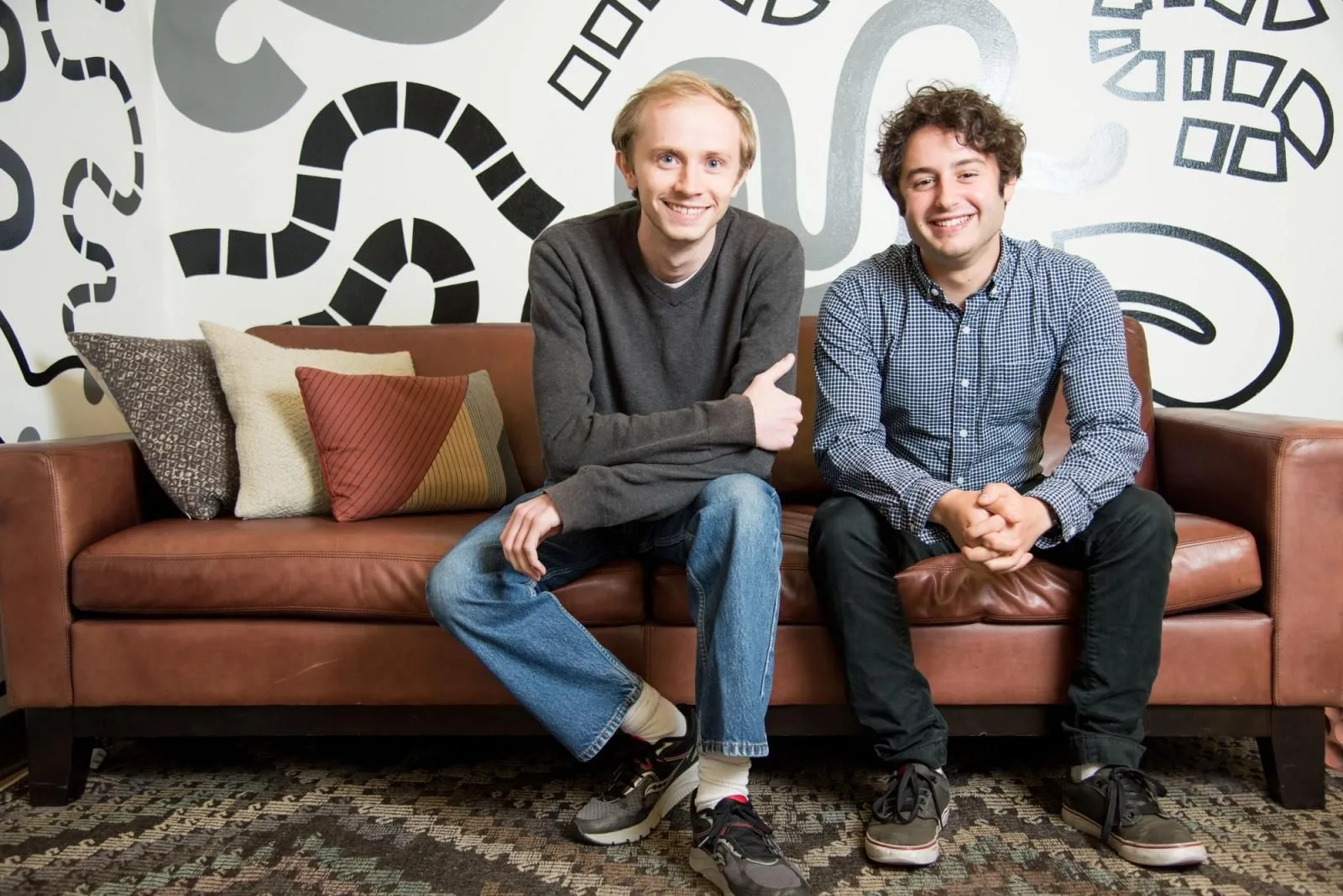
Evan Wallace and Dylan Field sitting on a leather couch
Evan Wallace (left) and Dylan Field, from Figma's blog.
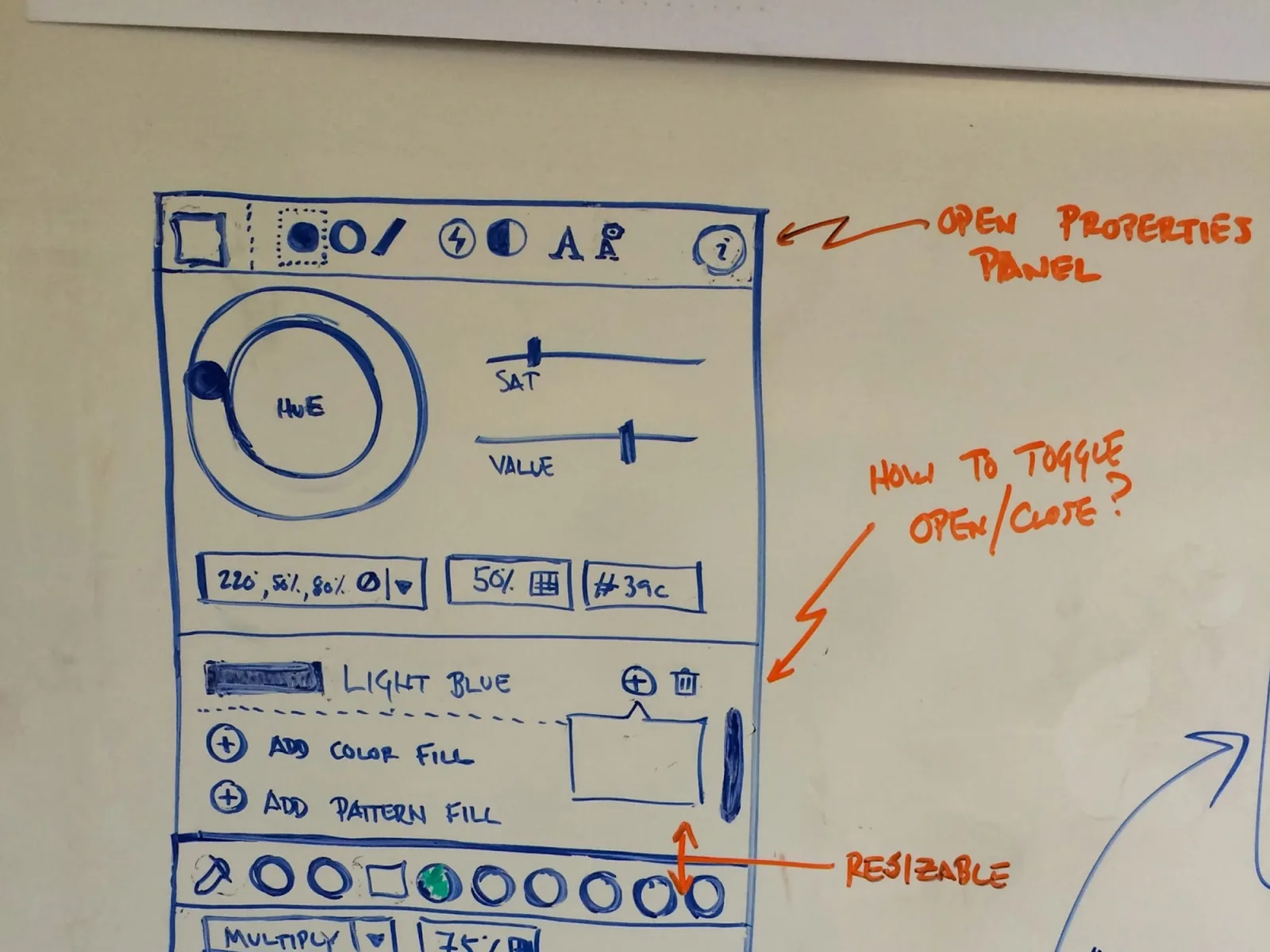
Whiteboard sketch of Figma's early interface with notes on panels and colors
Early whiteboard sketches of Figma's interface.

The full playbook:Product quality

Launch to design Twitter, warts and all

Figma opened its free Preview Release in December 2015, before multiplayer, the feature it was betting on, was ready. Claire Butler, its first business hire, and Dylan Field mapped the designers people followed on Twitter and demoed to them one by one, and the blog ran deep technical posts instead of how-tos. Not everyone liked it: some designers said they'd change careers if this was the future.

Claire ButlerFigma's first business hire
We got pretty analytical about it — Dylan even built out a custom script to help us break down the different nodes within the design Twittersphere — the typographers, the iconographers, the illustrators, the product designers and how much influence they wield … I remember when we first launched one of the comments was, ‘If this is the future of design, I’m changing careers.’ It wasn’t all positive, but people were talking about us

First Round ReviewRead the original

Dylan FieldCo-founder and CEO, Figma
We didn’t realize that launching Figma was heresy, a generational assault on top-down, siloed models of decision making and a challenge to the identity of many designers. While some immediately understood the potential of building design software in the browser, our vision elicited an immediate and negative reaction from others. Some even told us that if this was the future of design, they were changing careers. … The browser is natively multiplayer. It forces a mindset shift on access. It strips away the need for expensive hardware.

Figma blog (five years of Figma)Read the original

figma.com in December 2015: The Collaborative Interface Design Tool, sign up to reserve your spot in our Preview Release
figma.com in December 2015: “Our full feature set will be ready in 2016.” Faces blurred.
Design: Meet the internet, by Dylan Field, December 3, 2015
Dylan Field's launch post, December 3, 2015.

The full playbook:Branded blog

Keep the magic moment free

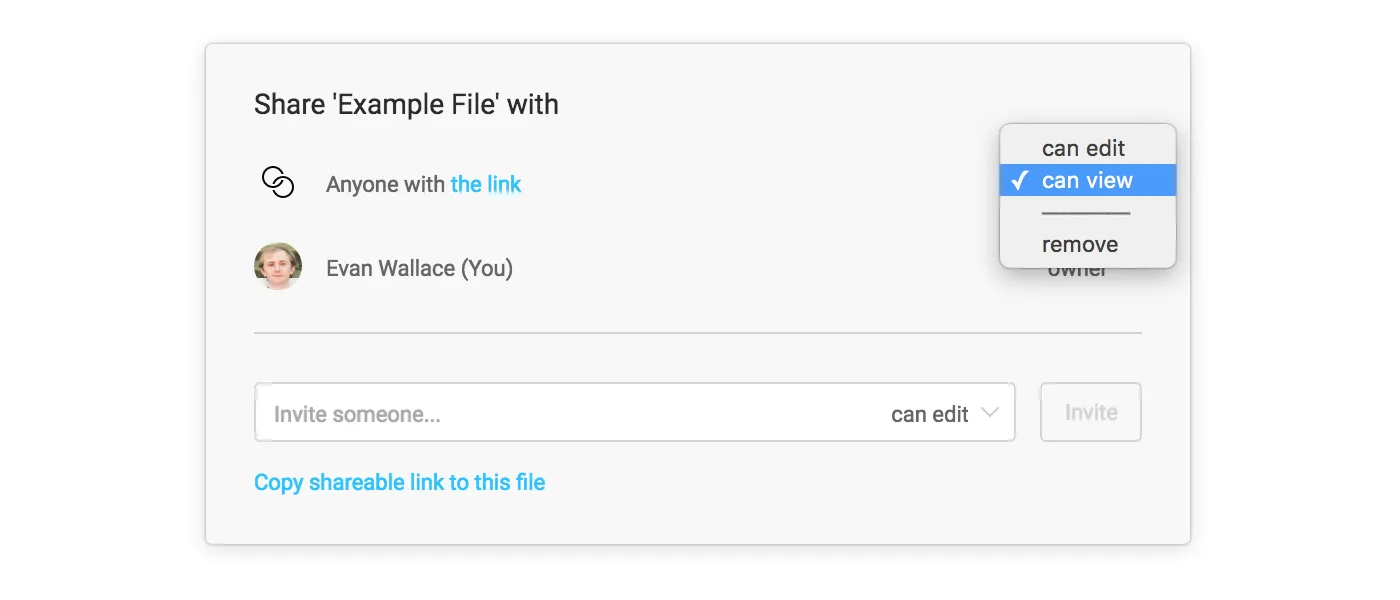
Multiplayer editing arrived in September 2016, when Figma opened to everyone, and the product stayed free until 2017. Its free plan first allowed two editors per file, which kept teams from feeling multiplayer, so in April 2021 Figma flipped it: fewer files, but unlimited editors. Verified students and teachers get the paid features free.

Evan WallaceCo-founder and former CTO, Figma
First, Figma is now open for anyone to sign up and try out! … Second, the real-time collaborative editing feature that we’ve been working hard on over the past year is finally ready! Our implementation is called “multiplayer” since it was inspired by cooperative multiplayer games.
Figma's 2016 share dialog: anyone with the link can view, copy shareable link

Figma blogRead the original

Claire ButlerFigma's first business hire
If folks weren’t ready to use Figma full-time in their day job, they could use Figma for free for a side project. … By limiting the number of folks who could collaborate on a file in the free tier, we weren’t enabling people to experience the magic moment of multiplayer collaboration … We reversed it so that in the free starter tier, you could only have a couple of files, but you could have an unlimited number of people collaborating in that file.

First Round ReviewRead the original

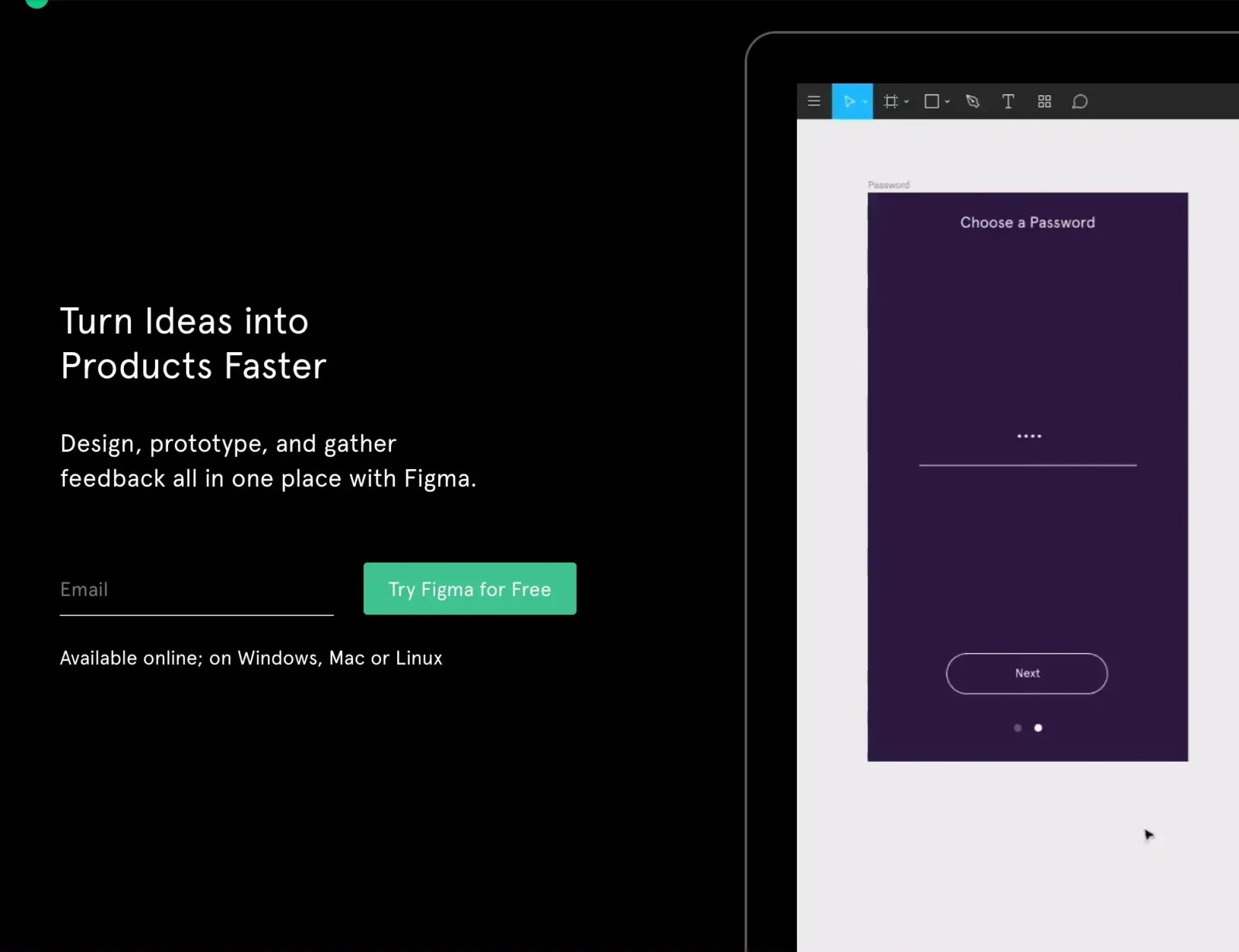
figma.com in December 2017: Turn ideas into products faster, Try Figma for free, available online on Windows, Mac or Linux
figma.com in December 2017: “Try Figma for Free”, on Windows, Mac or Linux.
Figma pricing: Starter free, Professional, Organization and Enterprise
The Starter plan is still free in November 2026.
Figma for Education: verified students and educators get free access to Figma
Figma for Education.

How Figma won over Sketch users

Sketch ran only on Macs and worked from files. Figma ran in any browser, imported Sketch files, and from 2017 let developers inspect designs and copy code on free view-only seats. Its designer advocates stayed in touch with loyal Sketch users until they switched, and by early 2019 design teams at Square, Uber, Twitter and GitHub had moved over entirely.

Dylan FieldCo-founder and CEO, Figma
If Figma 1.0 focused on making it easier for designers to collaborate, Figma 2.0 is about empowering entire teams. … You’ll no longer need to pay for engineers to have editor seats — instead, they can count as free ‘view only’ individuals.

Figma blog (Figma 2.0)Read the original

Dylan FieldCo-founder and CEO, Figma
We’re excited to see best in class design teams at companies like Square, Uber, Twitter and GitHub switch entirely to Figma. … With over a million signups, we believe it’s essential to offer all of our users the highest quality experience possible … We have a huge global footprint already, with 80% of our weekly active users coming from outside the United States

Figma blog (Series C)Read the original

Figma 2.0 code panel with position, size, stroke and background values for a selected frame
Figma 2.0, July 2017: developers read sizes and copy CSS on a free view-only seat.

The full playbook:Competitor replacement

Let the community build the platform

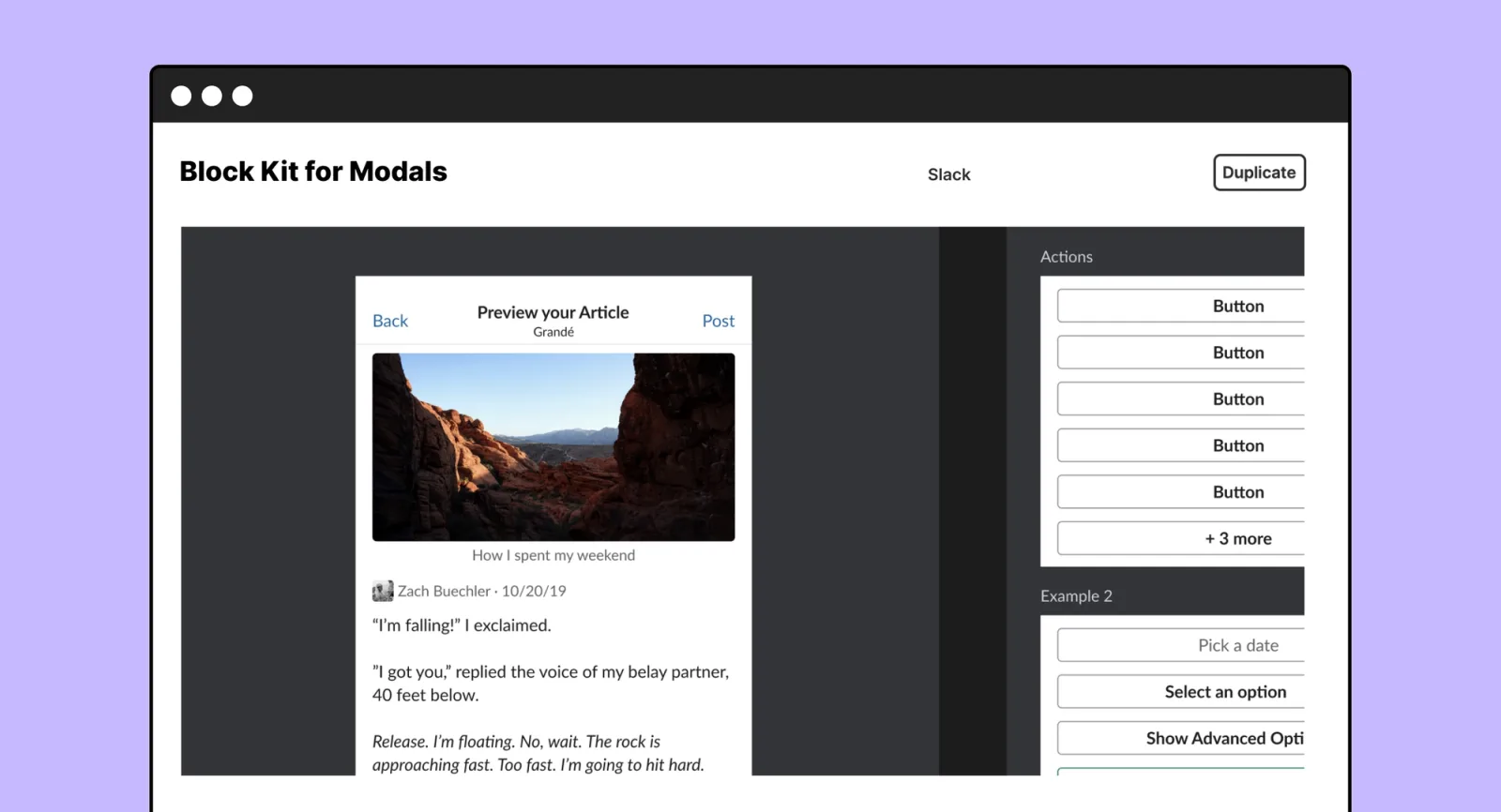
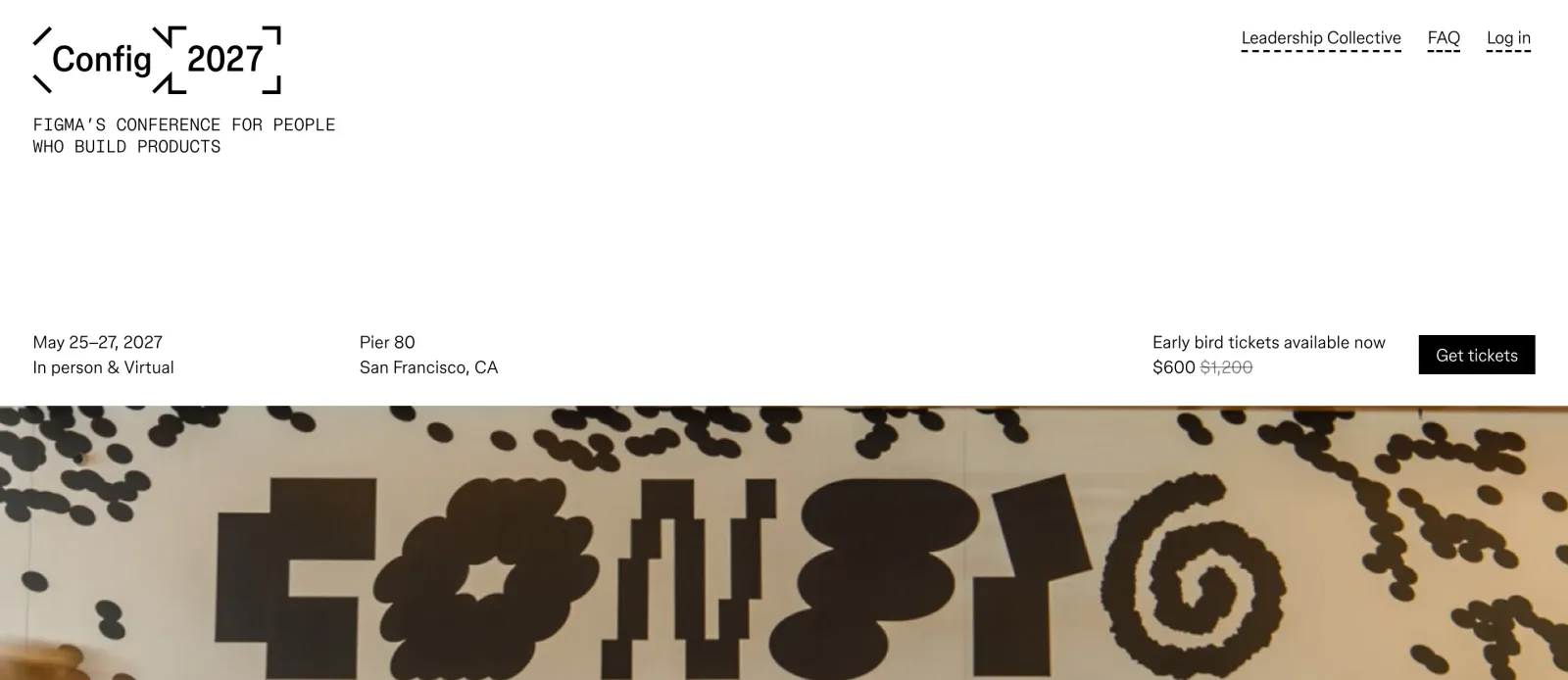
In 2019 Figma opened plugins to everyone and launched the Figma Community, where anyone can publish files for others to copy and remix; Slack was among the first to publish a UI kit. In February 2020 it held its first Config, a conference built from users' talk proposals, for over 1,000 people. In 2025, 8,500 came.

Dylan FieldCo-founder and CEO, Figma
Designers are opening up. They’re welcoming non-designers into their process. They’re co-editing with teammates. They’re sharing what they do and how they do it with the community. … The Figma Community, releasing in beta, is a public space where you can now publish live design files that anyone in the world can inspect, remix, and learn from.

Figma blogRead the original

Sho KuwamotoVP of Product, Figma (2019)
Our internal motto is: “If you can code a webpage with basic HTML and JavaScript, you can build a Figma plugin.” … After just 6 weeks in beta, we now have over 40 public plugins available to the Figma community—with more added every day.

Figma blogRead the original

Slack's Block Kit for Modals file on the Figma Community, with a Duplicate button
Slack's Block Kit UI kit, shown in the Figma Community launch post, October 2019.
Figma Community: discover community-made libraries, plugins, icon sets and more
The Figma Community, November 2026.
A speaker on the keynote stage at Figma's first Config, February 2020
Devon Zuegel on the keynote stage at the first Config, February 2020.
Config 2027, Figma's conference for people who build products: May 25 to 27, Pier 80, San Francisco
Config 2027 is set for May 25–27 in San Francisco.

The full playbook:Community-led growthTemplate libraryIntegration marketplacesOffline events

Bottom-up first, then sales, then Wall Street

Figma's earliest customers were small startups, and designers often paid with their own cards. It hired its first salesperson in 2018 to join up the scattered teams inside big companies, and went public in July 2025. By September 2026, 1,717 customers paid it more than $100,000 a year.

Claire ButlerFigma's first business hire
We had empowered so many folks to bring Figma to their organization. But eventually, we got to the point where Microsoft and Google and all these big companies would have clusters of Figma users all over their organization, but they weren’t connected to each other at all. People were just putting Figma on their credit cards all across the enterprise … We never focused on pitching teams and selling into the front doors of an organization — we focused on individuals and empowering them to bring Figma into their companies

First Round ReviewRead the original

Dylan FieldCo-founder and CEO, Figma
Given the trend of many amazing companies staying private indefinitely, you might be wondering why I have decided to take Figma public in the first place. … More importantly, I like the idea of our community sharing in the ownership of Figma—and the best way to accomplish this is through public markets. To be clear, that’s not a promise of share price growth.

Founder letter in Figma's IPO prospectusRead the original

One product became many

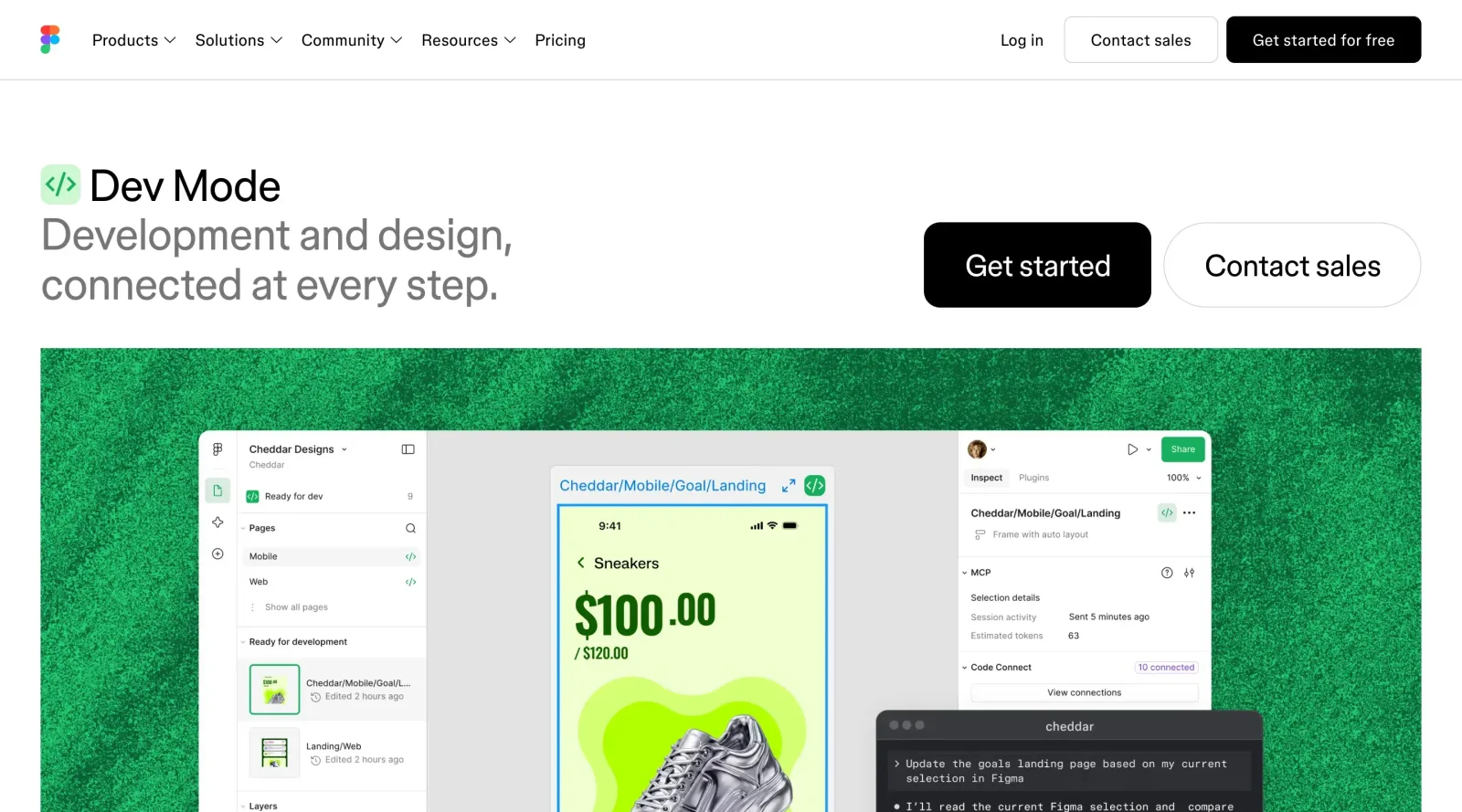
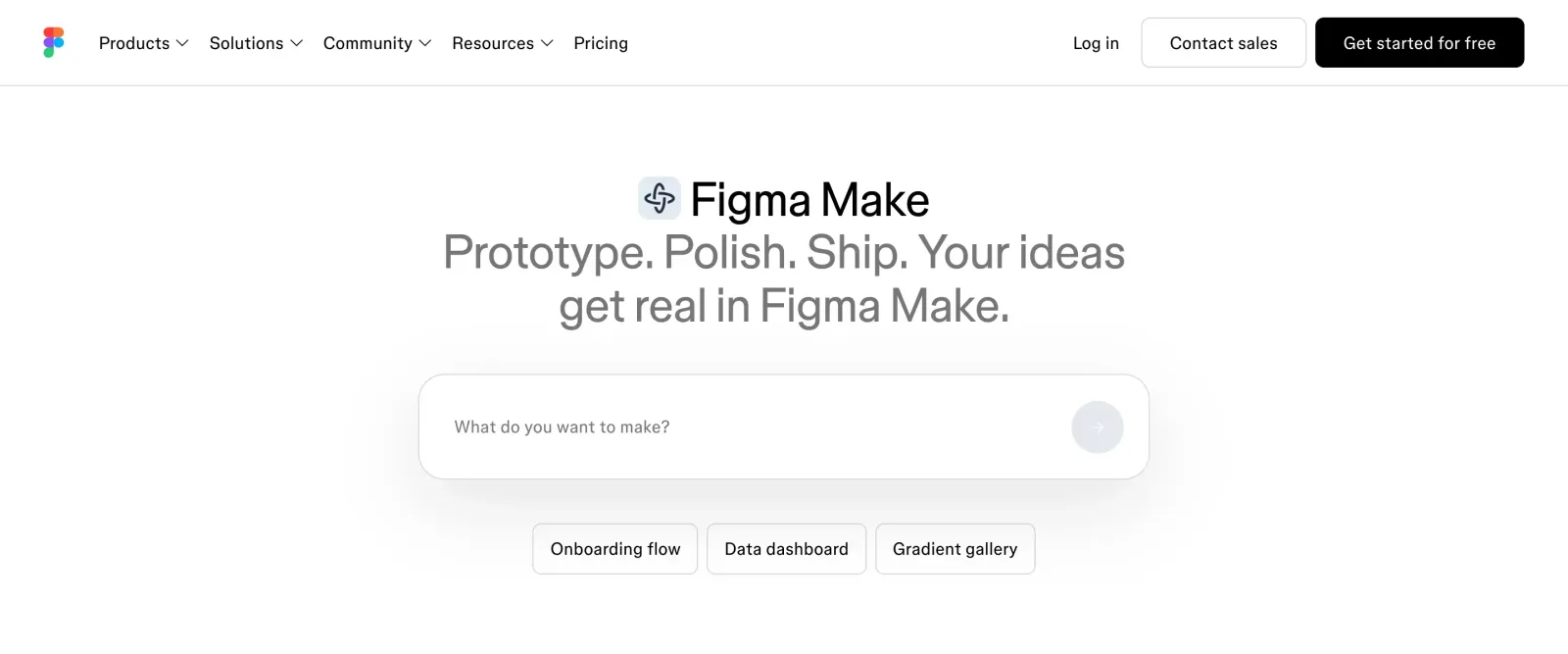
Once teams worked in Figma, the rest of the product team followed: about two-thirds of its monthly users aren't designers. Figma built for them with FigJam, a whiteboard, in 2021 and Dev Mode for developers in 2023, then Slides, Sites, Buzz, Draw and Figma Make, which turns a prompt into a working prototype.

Yuhki YamashitaChief Product Officer, Figma (2025)
We noticed that people were using Figma design as a whiteboard and brainstorming tool. This was during the pandemic when everyone was working remotely and sick of Zoom happy hours. So people started hanging out in Figma instead … Two-thirds of our weekly active users are now non-designers … These new products that we've built have started to widen the aperture and optimize for our different audiences.

First Round ReviewRead the original

Kris RasmussenChief Technology Officer, Figma
Figma was born on the web—an unconventional start to a design tool, but one we felt product design desperately needed. With a single link, designers could collaborate on in-progress work … Today, we know that on our paid plans more developers visit Figma than designers.

Figma blog (Dev Mode launch)Read the original

Dev Mode: development and design, connected at every step
Dev Mode, November 2026.
Config 2025 launch graphic with Figma Make, Sites and Buzz
Config 2025, May 2025: Figma Make, Sites, Buzz and Draw.
Figma Make: Prototype. Polish. Ship. What do you want to make?
Figma Make.

The full playbook:Add-ons and multiple SKUs

What went wrong

Two episodes cost Figma time and trust:

  • In September 2022 Adobe agreed to buy Figma for $20 billion. Regulators in Europe and the UK opened in-depth reviews over competition, and in December 2023 the companies called the deal off. Adobe paid Figma a $1 billion termination fee.
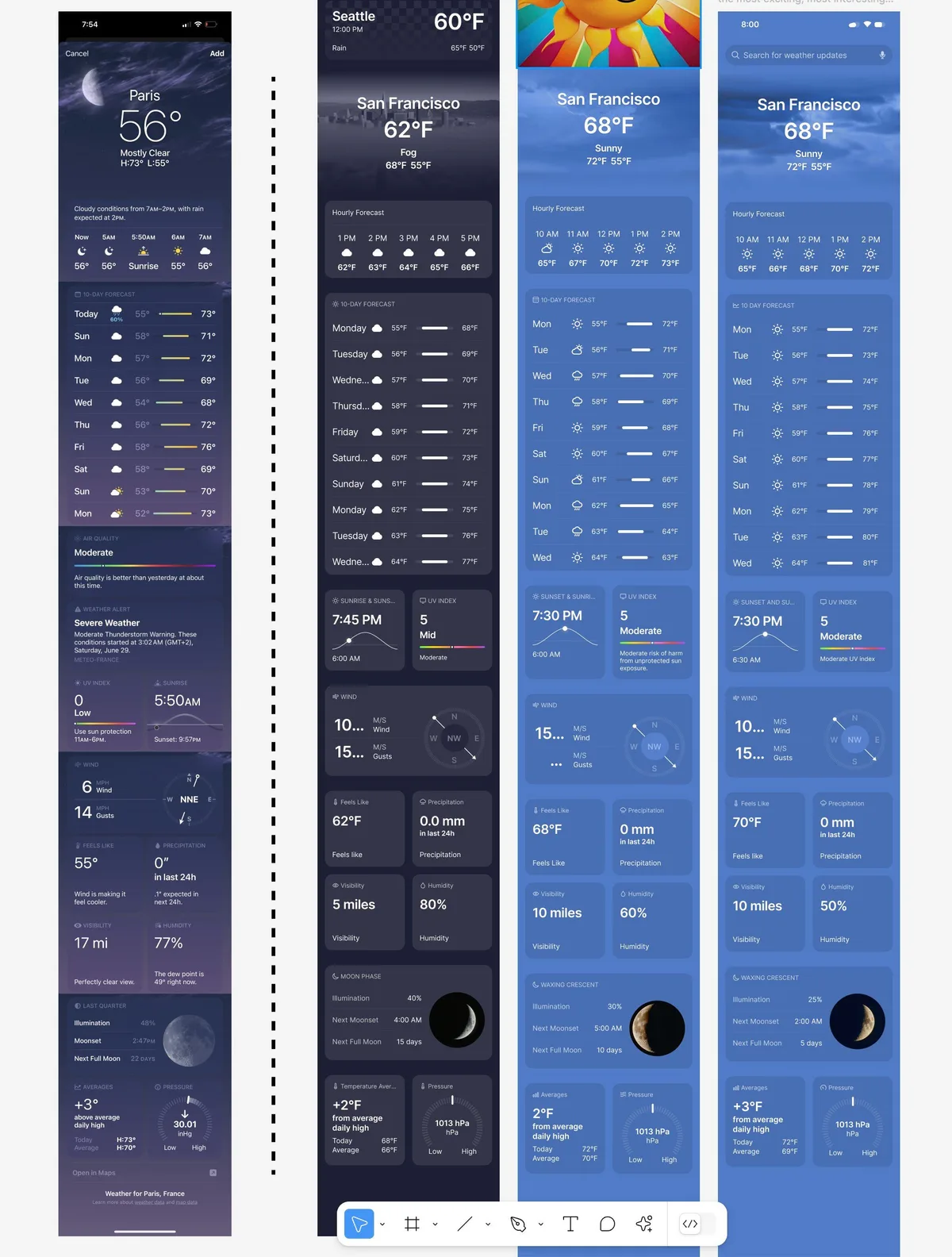
  • In July 2024 a designer showed that Make Designs, a new AI feature, turned out near copies of Apple's Weather app. Figma said the feature wasn't trained on its users' designs, blamed example screens it hadn't checked well enough, and switched it off. It returned in September 2024 as First Draft.
Dylan FieldCo-founder and CEO, Figma
It’s not the outcome we had hoped for, but despite thousands of hours spent with regulators around the world detailing differences between our businesses, our products, and the markets we serve, we no longer see a path toward regulatory approval of the deal. … Amid the uncertainty of a pending acquisition, I am deeply proud of how the Figma team delivered for our community and feel we have only continued to accelerate our pace over the past 15 months.

Figma blogRead the original

Dylan FieldCo-founder and CEO, Figma
(3) Within hours of seeing this tweet, we identified the issue, which was related to the underlying design systems that were created. Ultimately it is my fault for not insisting on a better QA process for this work and pushing our team hard to hit a deadline for Config.

X148 likes62K viewsView on X

Apple's Weather app on the left and three Make Designs weather app results on the right
Andy Allen's post on X, July 1, 2024: Apple's Weather app (left) and three Make Designs results.
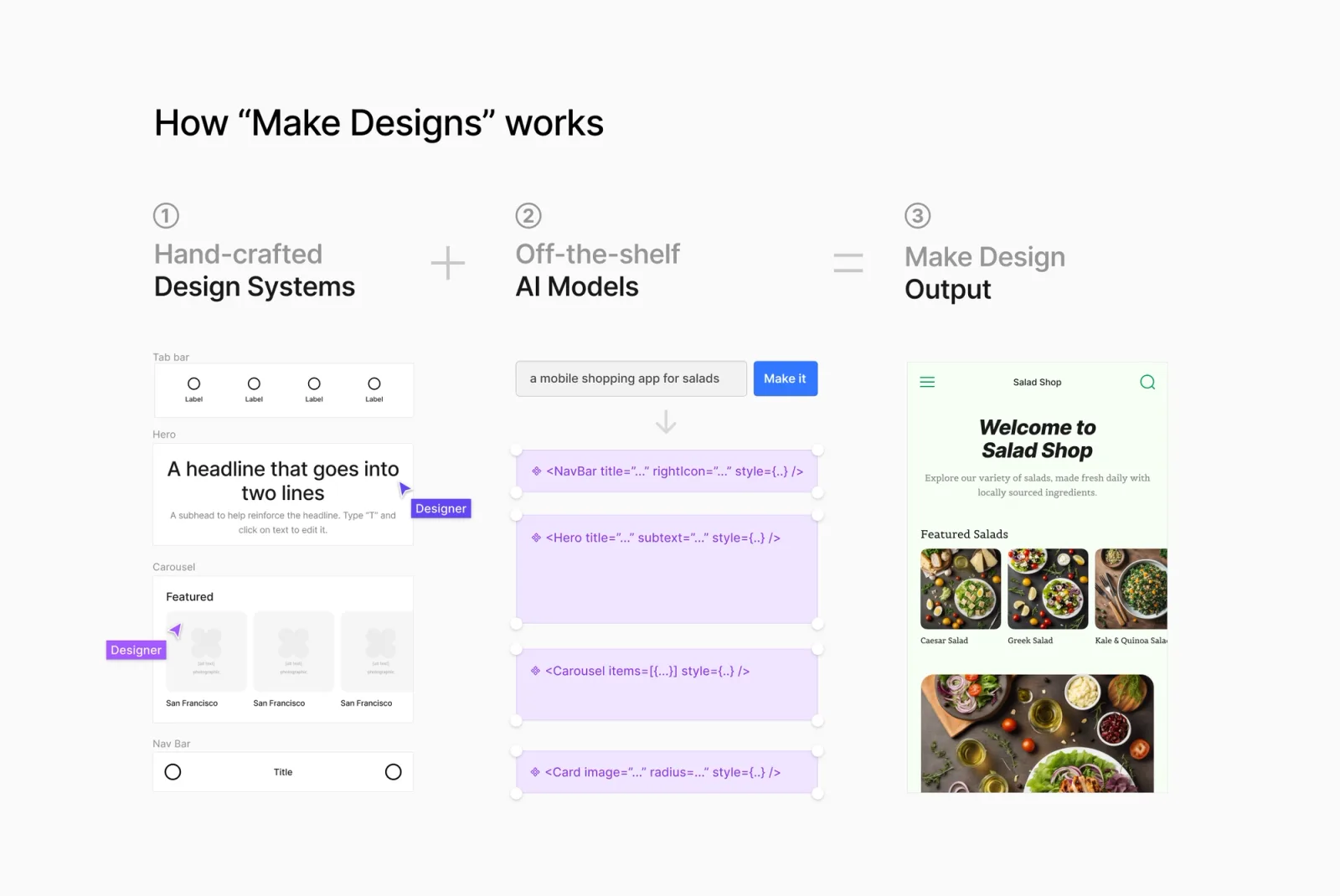
How Make Designs works: hand-crafted design systems plus off-the-shelf AI models equals the output
How Make Designs worked, from Figma's July 2024 retrospective.

What you can copy from Figma

  1. 1.Spend the time to make the hard part work: Figma took three years to make a design tool run in a browser (product quality).
  2. 2.Limit the free plan by files, not people, so a team feels the best part before anyone pays.
  3. 3.Give it free to students and teachers, so new users learn on your tool before their first job.
  4. 4.Remove the reasons not to switch: import the rival's files, run on any computer, and don't charge people who only look (competitor replacement).
  5. 5.Let users publish, extend and meet around your product (community-led growth, offline events).
  6. 6.Hire sales when you find many teams inside one company paying for you separately.

Knowledge graph

Everything LeadWave has on Figma: its leaders, our pages on it, the lists it’s on and the growth tactics it uses.

Frequently asked questions

More company dossiers

All dossiers
  • Resend logo

    Resend

    How Resend Grew: From an Open-Source Library to 6M Users

    Resend began in 2022 with a free, open-source email library, launched in January 2023 with a founder post that passed 1 million views, and crossed 6 million users on November 25, 2026. The first 3 million took three years; the next 3 million took under six months, as AI agents started choosing it. More than half of its website traffic is no longer human.

    Read

  • Clay logo

    Clay

    How Clay Grew: The GTM Data Company’s Road to $100M ARR

    Clay, the go-to-market data company, took six years to reach $1 million in ARR and two more to pass $100 million, in December 2025. It got there by committing to cold email agencies, turning users into its marketers and naming a new job, the GTM engineer. By September 2026 it had more than 17,000 customers and a $7.1 billion valuation.

    Read
  • Cluely logo

    Cluely

    How Cluely Blew Up: Rage Bait, 700 Clippers and a Retracted Revenue Claim

    Cluely went from a Columbia suspension to $20.3 million in funding in about three months by treating attention as the product: a provocative launch film, 50 advertised internships and over 700 paid clippers. In March 2026 its CEO admitted that the $7 million in annual recurring revenue he had claimed was false. His corrected figure for June 2025 is $5.2 million.

    Read
  • Higgsfield logo

    Higgsfield

    How Higgsfield Grew: From One Last Attempt to a $1.35B Run Rate

    In early 2025 Higgsfield had burned most of its seed money on a mobile app people didn't keep using. It relaunched on the web with camera controls that March, and by October 2026 its CEO put its annualized run rate at $1.35 billion. Its newest channel, a ChatGPT plugin, brought 100,000 new paid subscribers in 10 weeks.

    Read
  • Lovable logo

    Lovable

    How Lovable Grew So Fast: From a GitHub Project to $600M ARR

    Lovable failed two launches in 2024 under the name GPT Engineer. The third, that November, reached $10 million in ARR in about two months, and by September 2026 the company reported more than $600 million. Its leaders credit a CEO who posted everything in public and a free product they treat as the marketing budget.

    Read
  • Mercor logo

    Mercor

    How Mercor Grew: From a Hackathon to a $3B Run Rate

    Mercor started in 2023 as three 19-year-olds placing engineers from India with US startups. A meeting with xAI pointed it at AI labs, and paid referrals helped build a network of more than 5 million experts. In November 2026 its CEO put its run rate at $3 billion. That figure is gross: experts reportedly keep 60% to 70% of it.

    Read